Why Variety Matters: How Growing Unusual Seeds Can Transform Your Garden
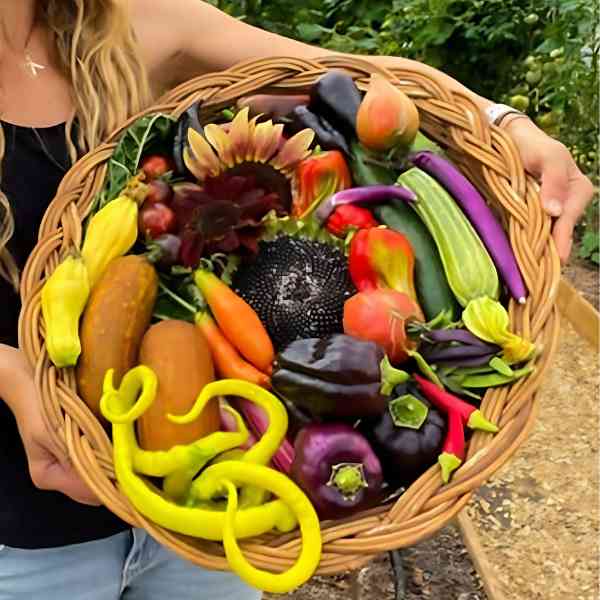
If your garden is feeling a little same-same lately — rows of tomatoes, cucumbers, and the odd lettuce — you’re not alone. It’s easy to stick with what we know. But there’s a whole world of seeds out there just waiting to mix things up, spark your curiosity, and bring a new kind of joy to your growing season.
In my own garden, I’ve found that adding even one unusual variety makes the whole patch feel fresh again. It might be a cylindrical beetroot, a frilly mustard green, or a flower I’ve never tried before. Suddenly, I’m back in learner mode — and honestly, that’s when the magic happens.
Let’s dig into why trying something new matters, and how growing with variety can transform not just your garden, but your whole growing experience.
???? 1. The Joy of the Unexpected
One of the real joys of gardening is when something unexpected shows up—on purpose. You tuck a few seeds into the soil, maybe with a bit of hesitation because you’ve never grown that before… and then, up it comes. A new leaf shape, a surprising colour, a scent that stops you in your tracks—it’s like a little garden adventure waiting to happen.
There’s a quiet kind of thrill in watching a plant you’ve never grown before start to thrive. Maybe it’s the shock of atomic red carrots when you pull back the soil, or the lacy leaves of mizuna unfurling like they’ve always belonged in your patch. These little surprises remind us that the garden isn’t just a place to get things done—it’s also a place to explore, experiment, and enjoy the not-quite-ordinary.

Atomic Red Carrots
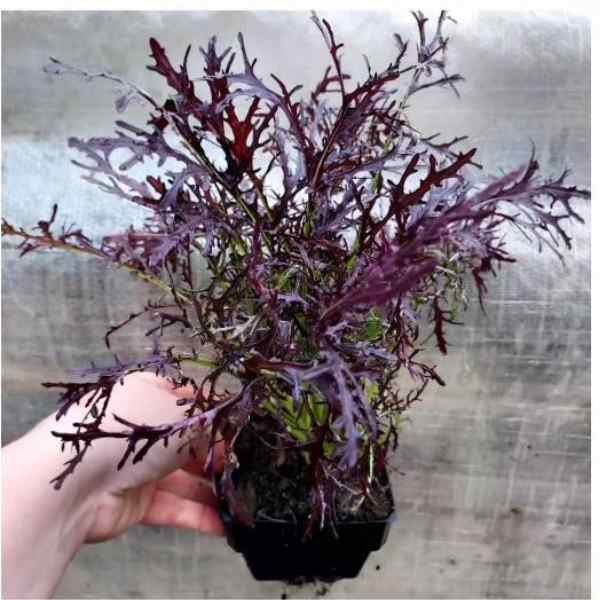
Mizuna Ruby Streaks

Radish Watermelon
And let me reassure you—unusual doesn’t mean unmanageable. A lot of rare or heirloom varieties are just as fuss-free as your everyday lettuces or beans. They’ve often been grown for generations by gardeners who valued hardiness, flavour, and beauty. Quick growers like tatsoi or watermelon radish aren’t high-maintenance; they just haven’t had their big break in the mainstream. But once you grow them, you’ll wonder why they aren’t in every garden bed.
Plus, trying new things keeps gardening fresh—even for those of us who’ve been at it for decades. Every season brings a new chance to play around. Maybe you’ll grow Perilla for the first time and fall in love with its spicy, minty leaves. Or perhaps you’ll discover that Cape Gooseberries, with their lantern-like husks and tart-sweet fruit, are your new favourite snack. It’s all part of building a garden that’s uniquely yours.
And then there’s the flavour. Let’s be honest—so much supermarket produce is chosen for looks and shelf-life, not taste. But those lesser-known varieties? That’s where the flavour party really kicks off. Think deep, earthy beetroot in unexpected colours, or the bold, peppery bite of red mustard greens in your salad bowl. You’re not just growing food—you’re growing flavour, and that’s something no store can offer.

Tatsoi

Cape Gooseberry
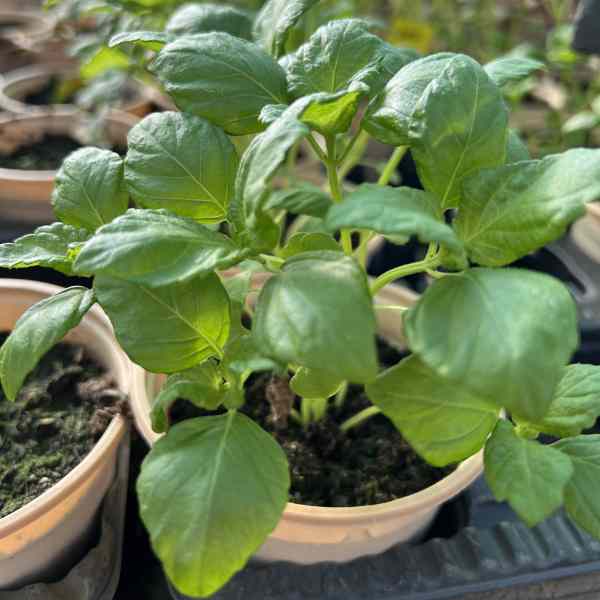
Perilla
Growing the unexpected can also spark great conversations. Visitors to your garden will ask, “What’s that?” and you’ll get to tell the story of your strange and wonderful crop. It’s a way to connect, to inspire, and maybe even encourage someone else to try a few seeds they’ve never planted before.
So if your garden’s feeling a bit too familiar—or if you’re just starting out and wondering where to begin—consider adding a few surprises. Pick one or two things you’ve never tasted or grown. You don’t have to overhaul your whole space, just make a little room for something new. You might be amazed by what grows, and how it changes the way you see your garden.
After all, some of the best gardening stories start with, “Well, I’d never grown it before, but I thought I’d give it a try.
???? 2. More Resilient Gardens
Variety doesn’t just make your garden more interesting — it makes it tougher, smarter, and better able to bounce back when things go a bit sideways (as they so often do). A garden filled with different species and plant families isn’t just prettier to look at — it’s naturally more resistant to the usual garden woes: pests, diseases, strange seasons, and everything in between.
Think of it like this: every plant brings something different to the table. Some, like nasturtiums, act as natural pest decoys, drawing hungry insects away from your veggies. Others, like silverbeet or calendula, soldier on through dry spells or frost without missing a beat. When you plant a wide mix — herbs, flowers, leafy greens, roots, climbers — you’re not just filling space, you’re layering protection. You’re creating a living patchwork that supports itself.
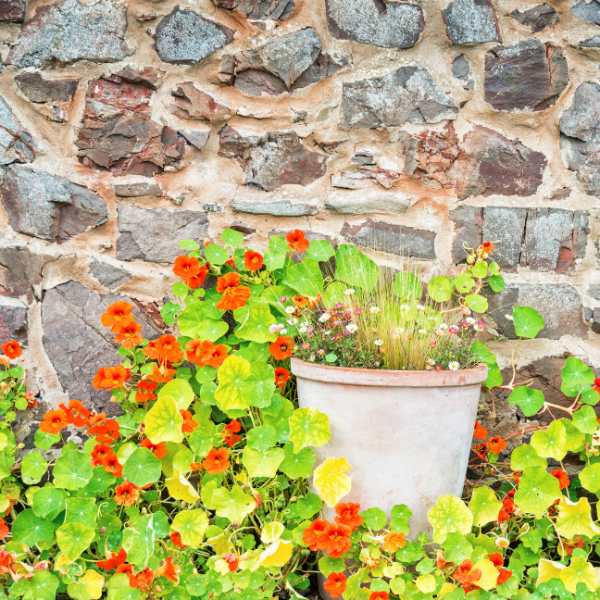
Nasturtium Trailing Mix
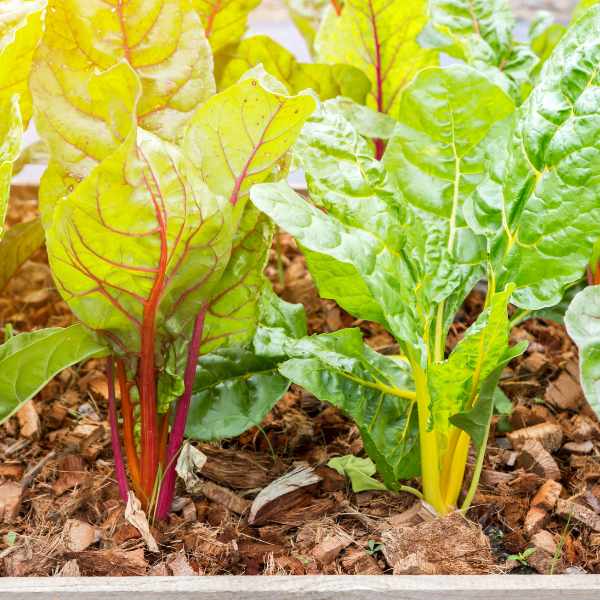
Silverbeet Rainbow Chard
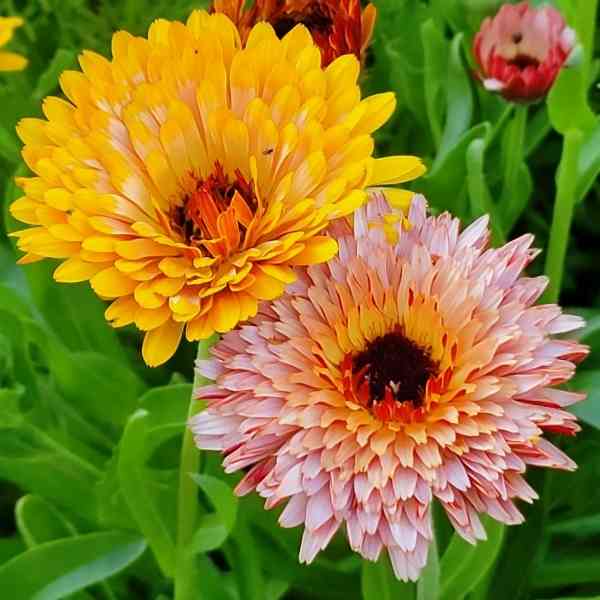
Calendula Sunset Mix
It’s a bit like building a pantry. If you only grow one or two crops and something wipes them out, you’re stuck. But if you’ve got a broad mix growing together, there’s always something to pick, something that’s thriving even when others are flagging. That’s garden resilience — not perfection, but backup.
And here’s the beautiful thing: heirloom and open-pollinated varieties get to know you. Season after season, as you save seeds from the healthiest and best-performing plants, you’re creating a little legacy in your soil. Those plants remember the quirks of your garden — your weather patterns, your watering habits, even your soil’s character. Over time, they become better suited to your patch, not just any patch.
So while it’s tempting to stick to a few tried-and-true crops, don’t be afraid to add in something new or different each season. The diversity makes your garden more enjoyable, but more importantly, it makes it stronger — and that’s a gift that keeps growing.
???????? 3. Confidence Through Curiosity
Trying something new in the garden can feel a bit daunting — I’ve been there. It’s easy to wonder, “What if it doesn’t grow?” or “Am I doing this right?” But here’s the thing: gardening is one of the friendliest places to be a beginner. Every little “oops” or unexpected outcome is actually part of the learning curve — and often, it’s where the most memorable lessons live.
When you sow a seed you’ve never tried before — maybe a vibrant purple cauliflower or a native spinach or flowers for bouquets to give away to friends and family to brighten their lives — it’s not just about the outcome. It’s about the process. Observing how it germinates, how it stretches toward the light, how it copes with your particular patch of soil or weather quirks. Each step teaches you something.


And when that plant does thrive? Oh, the sense of pride! You’ll catch yourself beaming at your garden bed like it’s just passed an exam. There’s a quiet confidence that blooms alongside your crops. One day you’re hesitating over whether that seedling needs water, and the next you’re explaining to a friend, “That one likes a bit of morning sun, but give it afternoon shade once the weather heats up.”
You’ll start to notice patterns — what grows well where, which bugs tend to show up when, and which crops are worth succession planting. Maybe you’ll make mental notes like, “Next time, I’ll give those cosmos more space,” or “That experimental tomato thrived in the windiest corner!”
Over time, those small discoveries stack up into something bigger: confidence built from your own experience. Not from reading every book or following every rule to the letter — but from digging in, paying attention, and trying things for yourself.
And really, that’s the beauty of curiosity in the garden. It doesn’t just grow plants — it grows you, too.
???? 4. A Talking Point in the Garden
When friends or neighbours wander through your garden, it’s often the quirky, unexpected plants that make them pause mid-step. You’ll hear it all the time:
“What’s that one called?”
“Oh wow, I’ve never seen a tomato that colour before!”
“Is that a flower or a vegetable?”
These little moments of curiosity are such a joy—and they always lead somewhere interesting. Unusual varieties are natural conversation starters. Whether it’s a horned cucumber, a tomato shaped like a teardrop, or a towering spire of amaranth in full bloom, people are drawn to what’s different. And gardeners? Well, we love to talk about our plants.
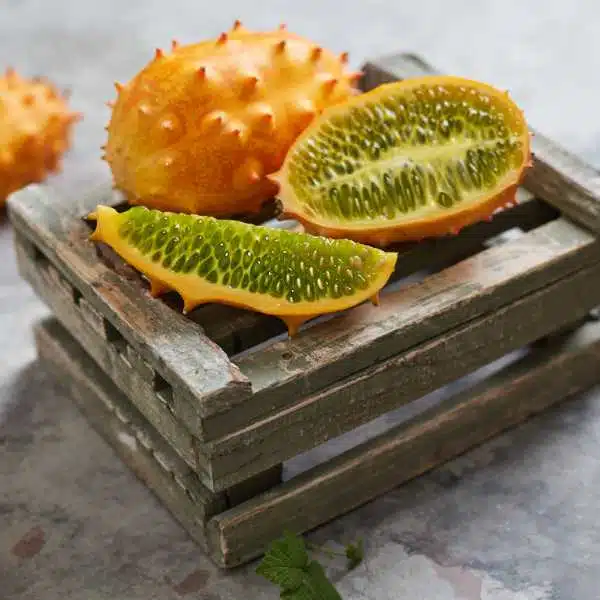
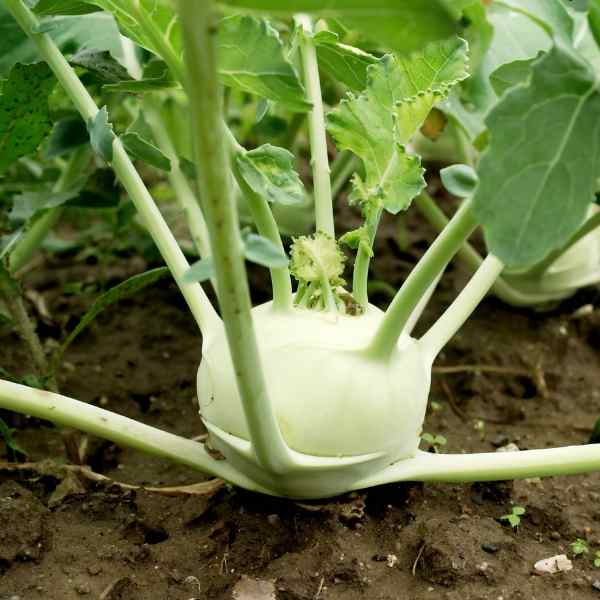


Sharing a bunch of cut flowers with a neighbour becomes even more special when you say, “That one’s a heritage sweet pea from the 1800s.” Swapping seeds at a community event turns into a proper story session when you can say, “This one came from my grandmother’s garden—she always said it brought the bees in early.” Even a simple photo on social media, captioned with a fun variety name or a quick growing tip, can spark connection with fellow plant lovers near and far.
Each unusual variety has its own backstory—where it came from, how it ended up in your garden, why you chose it, and what it’s taught you. Maybe you picked it for the colour, or because it thrives in your tricky climate, or simply because you wanted to grow something you’d never seen at the supermarket. Whatever the reason, you’ve now got a living conversation piece.
In school gardens, community plots, or at local growers’ markets, these kinds of stories add texture to the gardening experience. They invite others in. They turn a patch of dirt into a place of learning, laughter, and shared memory.
And best of all? The more you grow and share, the more those stories spread—planting curiosity and connection wherever they land
???? 5. How to Start Exploring Variety
???? Feeling ready to branch out a bit? You don’t need to flip your whole garden upside down to do it. Just like a good recipe, a little twist can make things exciting again. Adding one or two new varieties each season is an easy, low-pressure way to experiment — and it keeps gardening fun and full of discovery.
Here are a few gentle ways to dip your toes in, without overwhelming your space or your to-do list:
???? Start with just one new veggie you’ve never grown before. That’s often all it takes to spark something. Try Chioggia beetroot, with its stunning pink and white rings — a real surprise when you slice it open. Or how about Apple cucumber? It’s round, pale, and wonderfully crisp. Feeling adventurous? The edible chrysanthemum, Shungiku, is both ornamental and tasty — it’s a leafy green with a delicate floral bite, perfect for stir-fries or salads.
???? Add a few quirky flowers to the mix. They don’t just look pretty — many bring pollinators, confuse pests, and even have edible blooms. Marigolds are a cheerful classic that keeps blooming their heads off through cool and warm seasons. Amaranth brings drama and height, while Nigella (sometimes called Love-in-a-Mist) adds a touch of whimsy with its ferny foliage and seed pods that look like tiny lanterns. These are all easy to grow and a great way to bring something fresh to your beds.
???? Go beyond the basics with herbs. If you’ve already got parsley, chives and thyme on the go, why not expand your flavour palette? Lemon basil brings a citrusy zing that’s gorgeous in dressings and iced teas. Red Shiso has a bold colour and a slightly spiced flavour — beautiful in pickles or as a garnish. And garlic chives are just plain handy, producing edible green shoots and white flowers that bees adore.
???? Companion plant with purpose. Some herbs and flowers do double-duty — they support your veg while making the whole garden feel a bit more lush and lived-in. Nasturtiums can help deter aphids while tumbling beautifully over the edges. Marigolds aren’t just bright and cheery — they’re known to suppress nematodes in the soil. Dill and coriander will bring in beneficial insects and add flavour to your cooking. You get beauty, balance, and biodiversity all in one.
???????? And remember — you’re not on your own out there. If you’re ever feeling unsure about a new variety, check the seed packet for the basics, or pop over to our growing guides. We’ve packed them with the kind of no-nonsense, friendly advice you’d get from a seasoned gardener over the fence. Whether you’re planting in pots, garden beds, or tucked-in corners, you’ll find tips to help that little experiment thrive.
Trying something new is part of the joy. You might find a new favourite, attract new pollinators, or spark new conversations with visitors to your patch. And if it doesn’t go quite to plan? That’s okay—it’s all part of the learning. One new plant at a time, your garden becomes more you.
???? Try Something New: 3 Special Varieties to Explore
???? Ready to add something a little different to your patch? You don’t need to overhaul your whole garden to shake things up—just a few unexpected varieties can bring new life, flavour, and fun to your growing season. These three heirloom gems are full of personality, and they’re just as delightful to grow as they are to eat.
???? Tomato Pimpinellifolium
Also known as currant tomato, this charming little wild tomato is a true taste of the past. It’s one of the original ancestors of the modern tomato, but don’t let its size fool you—these tiny fruits are absolutely bursting with sweetness and intense flavour. Imagine handfuls of ruby-red jewels dotting the vine, ready to be picked and popped straight into your mouth. They’re perfect for salads, lunchbox snacks, or even drying whole for a punchy addition to your pantry stash.
One of the best things about currant tomatoes is how tough they are. They thrive in Aussie conditions—resisting disease, handling heat, and producing like mad. If you’ve struggled with tomatoes in the past, this one’s worth a go. It’s a fuss-free option with big rewards.


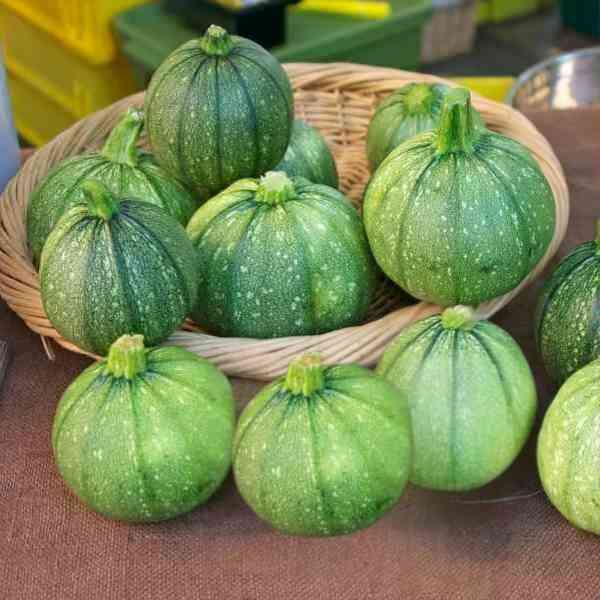
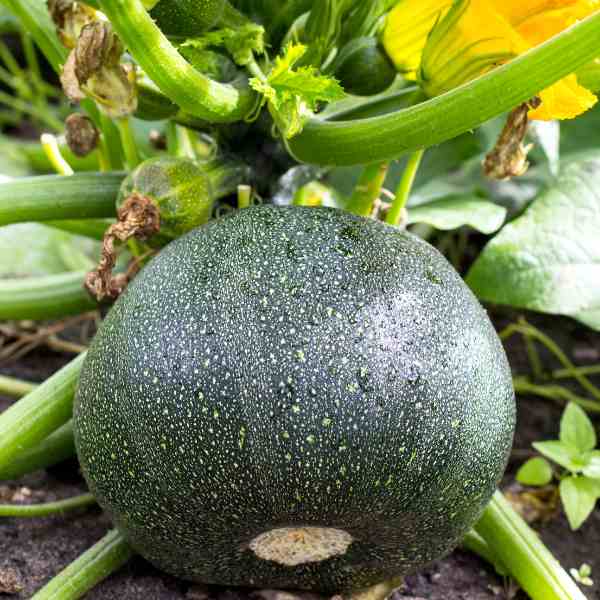
???? Zucchini Ronde de Nice
This round French heirloom is a playful twist on the classic zucchini. Instead of the usual long shape, Ronde de Nice grows into tidy, tennis-ball-sized fruits with a creamy green skin. They’re the perfect shape for stuffing—just scoop out the centre and fill with your favourite mix of grains, herbs, cheese, or mince. Roast or grill until tender, and you’ve got an easy, impressive meal straight from the garden.
It grows just like your regular zucchini—quick, easy, and super productive. But the round fruit gives it a little extra charm. It’s a real talking point in the garden and on the plate. Plus, it’s ideal for smaller spaces or raised beds where you want to make every plant count.

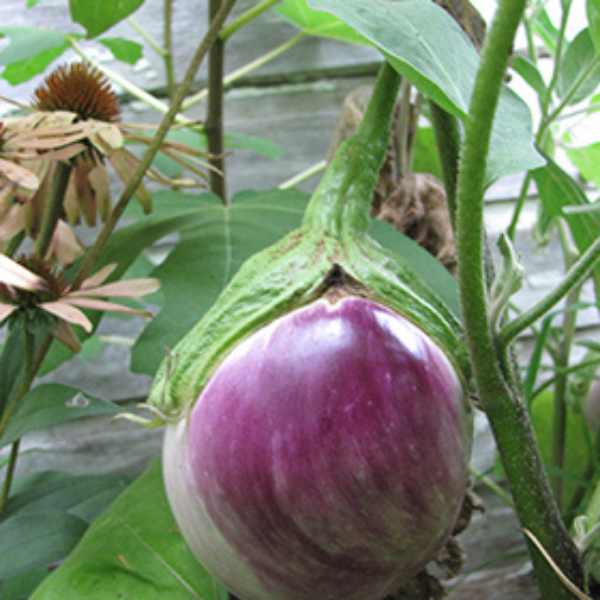
???? Eggplant Rosa Bianca
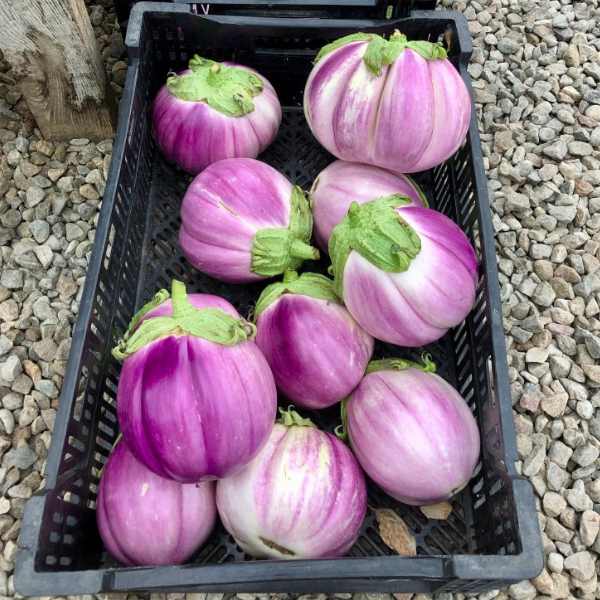
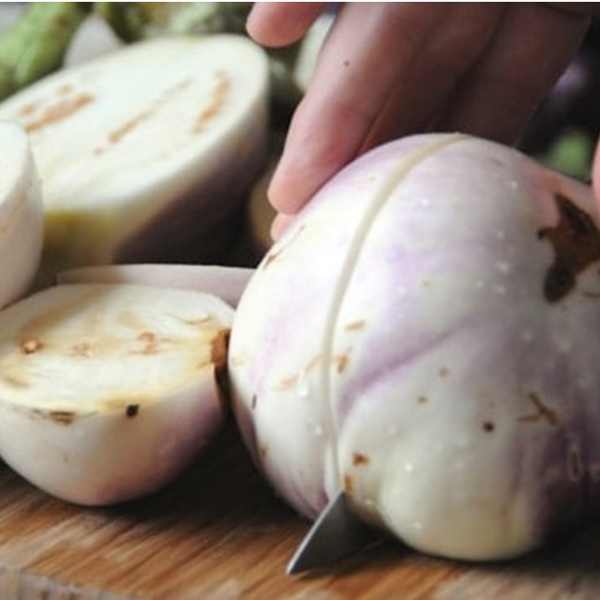
This Italian heirloom is an absolute showstopper. Rosa Bianca is known for its soft lavender and white marbled skin—like a painted ornament hanging from the plant. But it’s not just a pretty face. The flesh is creamy, mild, and low in bitterness, making it perfect for grilling, roasting, or layering into a summery parmigiana.
The plants themselves are sturdy and attractive, with a slightly sprawling habit. In warm, sunny spots, they’ll reward you with big, glossy fruits that are almost too beautiful to pick. (But you should—because they’re delicious!) If you’ve had trouble with bitter or tough eggplants before, give Rosa Bianca a go. It’s a gentler variety that suits both new and experienced growers.
???? Wrapping it Up: Grow Your Garden, Grow Yourself
If you’ve ever felt your garden slipping into a routine, you’re not alone—but here’s the beautiful truth: it only takes one new seed to shake things up. Whether it’s a tomato the size of a currant, a round zucchini begging to be stuffed, or a lavender-striped eggplant that turns heads and melts in your mouth, adding variety isn’t just about the harvest. It’s about reigniting your curiosity and letting your garden surprise you again.
Every season offers a fresh chance to experiment, to build resilience, and to grow your confidence one seed at a time. The more you mix it up, the more your garden becomes a reflection of you—your tastes, your climate, your stories.
So don’t wait for the “perfect time” or the “right moment.” Just pick a packet that piques your interest and give it a go. Your garden will thank you with flavour, colour, and a whole new level of joy.
Here’s to growing something new this season—and loving every moment of the adventure. ????✨