




Sweetcorn Polaris
$6.59
Zea Mays
- Seed Count 20
- Farmers Favourite
- Annual
In stock
Description
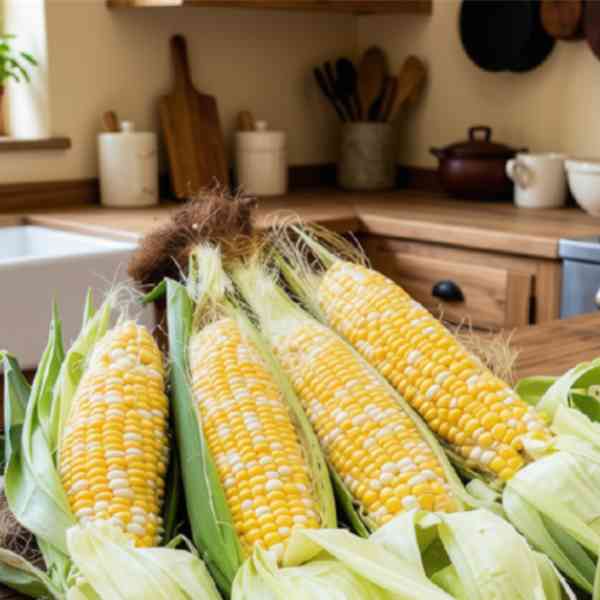
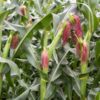
Sweetcorn Polaris is a bicolour sweetcorn with neat rows of golden-yellow and creamy white kernels with a crisp, juicy texture and a clean sweetness. It was developed during the 1950s when farmers crossed two specially selected parent varieties to bring together their best qualities, including strong growth, reliable cropping and deliciously sweet kernels.
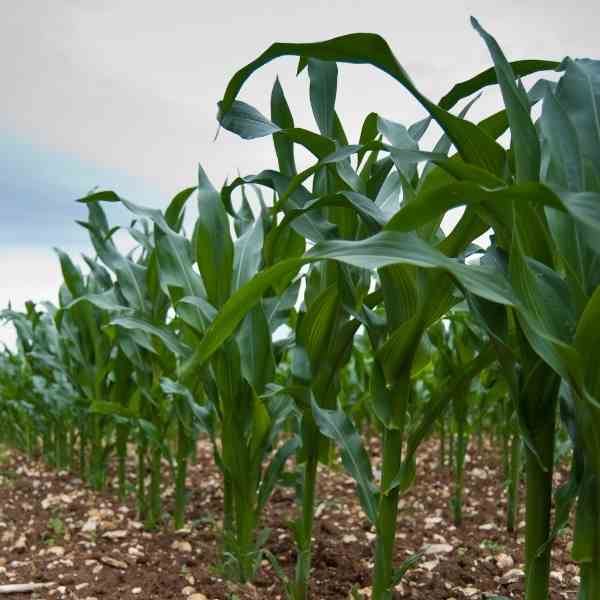
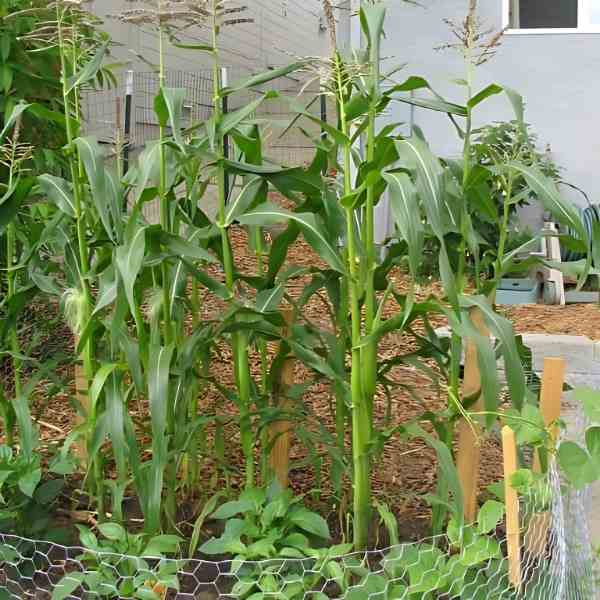
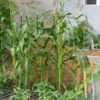
The cobs generally reach about 20 to 22 cm long with well-filled rows of kernels and a pleasing balance between sweetness and texture. Plants can grow around 180 to 200 cm tall, creating the strong, upright presence that makes a patch of corn such an enjoyable feature in the summer vegetable garden. It will produce around two cobs per plant under favourable conditions.
Flavour is where this variety stands apart. The kernels are very sweet, but the flavour is not simply sugary. There is still a recognisable fresh corn character beneath the sweetness, with a juicy bite and gentle creaminess once cooked. The texture is firmer and crisper than many older sweetcorn varieties, which can become soft or floury soon after harvest.
Popular in both home and market gardens, Sweetcorn Polaris is valued for its dependable performance, good disease resistance and generous harvests. The cobs keep well after picking, giving you a little more time to enjoy or sell the crop at its best. Reliable, productive and easy to grow, Polaris is a practical all-rounder for the summer vegetable garden.
| Method: Start in trays | Soil Temp: 18°C - 35°C |
| Cool Mountain: Sep - Dec | Position: Full sun |
| Arid: Jul - Dec | Row Spacing: 1 m |
| Temperate: Aug - Dec | Planting Depth: 5mm |
| Sub Tropical: Aug - Mar | Harvest: 90 Days |
| Tropical: Apr - Jul | Frost Sensitive |
🌽 Sweet Corn Grow Guide
🌱 Overview
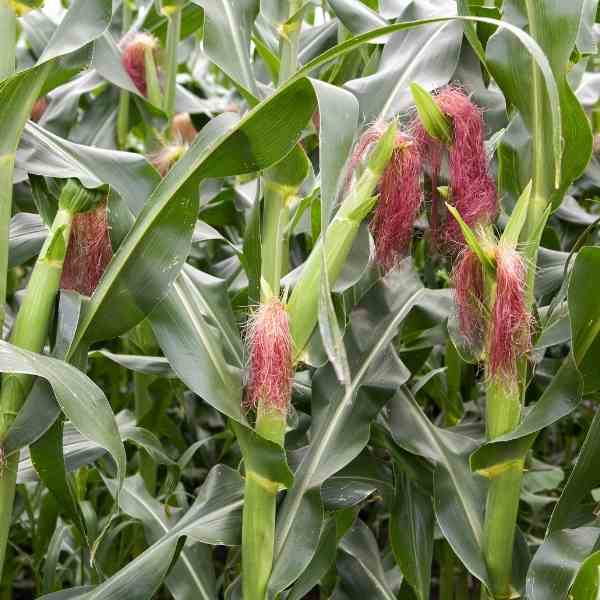
Sweet corn is a rewarding crop grown for its juicy, sweet kernels and tall, impressive plants. It is best suited to gardeners who can give it full sun, rich soil, steady water, and enough space for group planting. Unlike many vegetables that can be grown as single plants, sweet corn performs best when grown in blocks because it relies on wind to move pollen from the tassels at the top of the plant down to the silks on the developing cobs.
Each silk connects to one potential kernel. If pollination is poor, the cob may form with gaps or missing kernels. This means the layout of your planting is just as important as the soil and watering. A short block of several rows is much better than one long row.
Sweet corn is a hungry, thirsty crop, but it is not difficult when its needs are met. With good preparation and consistent care, it can produce crisp, sweet cobs that are far better eaten fresh than anything stored for long periods.
🌱 Sowing in Trays vs Direct Sowing
Sweet corn can be started in trays or sown directly into the garden. Both methods can work, but direct sowing is usually the best method because sweet corn dislikes root disturbance and grows best when its roots are allowed to establish naturally from the beginning.
For direct sowing, prepare the bed deeply and remove weeds. Sow seed into moist soil in a block pattern rather than a single row. Planting in a block improves pollination because wind can move pollen more effectively between plants. Sow seeds at an even depth, cover with soil, and water gently. Once seedlings are growing strongly, thin to the strongest plants if more than one seed was sown per position.
Tray sowing can be useful if garden beds are not ready, if pests are a problem, or if you want to start plants under more protected conditions. If using this method, sow into individual cells, tubes, or small pots rather than a shared tray. This reduces root disturbance during transplanting. Transplant seedlings while they are still young and before roots become crowded. Handle the root ball carefully and plant out without teasing the roots apart.
For sweet corn, direct sowing is recommended where conditions are suitable. It gives the strongest root establishment, avoids transplant shock, and supports better early growth.
💧 Seed Pre-Treatment
Sweet corn seed does not require pre-treatment. There is no need to soak, chill, scarify, or prepare the seed before sowing. In fact, soaking corn seed for too long can increase the risk of rot, especially if the soil or seed mix is cool or wet.
The most important factor is sowing into soil that is moist but not waterlogged. Seed should be firm, plump, and undamaged. Avoid planting shrivelled, cracked, mouldy, or very old seed, as germination may be poor.
If the soil is dry, water the bed before sowing rather than heavily soaking afterward. This helps keep the seed in place and reduces crusting on the soil surface.
🌞 Soil and Position
Sweet corn needs a full sun position with good airflow and protection from strong wind where possible. The plants are tall and can be pushed over by rough weather, especially if roots are shallow or soil is loose. A sheltered but sunny position is ideal.
The soil should be deep, fertile, moisture-retentive, and well-drained. Sweet corn is a heavy feeder, so prepare the bed thoroughly before sowing. Mix in compost, aged manure, worm castings, or well-rotted organic matter. The goal is soil that holds moisture evenly while still allowing excess water to drain away.
Heavy clay should be improved with compost and planted on slightly raised mounds if drainage is poor. Sandy soil should be enriched generously with organic matter to help hold water and nutrients. Sweet corn has a strong root system, but it performs poorly in compacted, dry, or hungry soil.
A slightly acidic to neutral soil is suitable. Avoid planting into soil that has had no preparation, as sweet corn needs steady nutrition to build tall plants and full cobs.
🌿 Care and Maintenance
Sweet corn needs regular care because it grows quickly and produces a large crop in a relatively short period. Water deeply and consistently, especially once tassels and silks appear and while cobs are swelling. Dry soil at pollination or cob-filling stage can lead to poor kernel formation and smaller harvests.
Mulch around the plants once seedlings are established. Mulch helps keep soil moisture steady, reduces weeds, and protects the root zone. Keep mulch slightly away from the stems to prevent dampness around the base.
Feed sweet corn well. A nitrogen-rich feed is useful during strong leafy growth, followed by balanced feeding as the plants begin forming cobs. Compost, aged manure, worm liquid, fish emulsion, or a suitable vegetable fertiliser can all be used. Avoid starving the plants, as pale leaves and weak stems often lead to poor cobs.
Weed control is important. Young corn seedlings do not compete well with weeds. Remove weeds by hand or shallow cultivation, taking care not to damage the roots.
Because sweet corn is wind-pollinated, plant in blocks and avoid separating plants too widely. If pollination seems poor, hand pollination can help. Gently shake the tassels so pollen falls onto the silks, or collect pollen in a paper bag and dust it over fresh silks. This is especially useful in small plantings.
Some plants may produce side shoots near the base. These are usually best left alone unless they are weak or crowded. Removing them is not normally necessary and may stress the plant.
🌼 Companion Planting Guide
Sweet corn grows well with companions that cover the soil, attract beneficial insects, or use garden space efficiently. Good companions include beans, pumpkins, squash, cucumber, melon, lettuce, radish, spring onion, basil, dill, coriander, calendula, marigold, nasturtium, alyssum, and borage.
Beans can be grown nearby because they enjoy similar fertile soil and can fit well into a productive vegetable bed. Pumpkins and squash are often grown around corn because their broad leaves shade the soil, reduce weeds, and help conserve moisture. This works best where there is plenty of space, as these plants are vigorous.
Flowers such as calendula, marigold, alyssum, borage, and nasturtium help attract beneficial insects and improve biodiversity around the crop. Dill and coriander are also useful when allowed to flower nearby.
Avoid planting sweet corn too close to very tall or dense crops that block sunlight. It should also not be crowded by aggressive vines unless the bed is large enough to support all plants with enough water and nutrients. Sweet corn is hungry, so companions should not be allowed to compete heavily during cob development.
🧺 How to Harvest
Sweet corn is ready to harvest when the cobs are full, the silks have turned brown and dry, and the kernels release a milky liquid when pressed with a fingernail. If the liquid is clear, the cob is immature. If the kernels are doughy and thick, the cob is past its sweetest stage.
Harvest by holding the stalk firmly and twisting the cob downward until it snaps free. Use cobs as soon as possible after picking, because sweetness begins to decline after harvest. For the best flavour, harvest close to cooking time.
If several cobs are maturing at once, check them daily. Sweet corn can move quickly from perfect to overmature. Younger cobs are tender and juicy, while overmature cobs become chewy and starchy.
After harvesting the main cobs, some plants may produce smaller secondary cobs. These are often worth picking if they fill properly, though they may be smaller than the first harvest.
⚠️ Common Issues and Fixes
| Issue | Likely Cause | Fix |
|---|---|---|
| Poor germination | Old seed, soil too wet, seed rotting, dry soil surface | Use fresh seed, sow into moist well-drained soil, avoid overwatering |
| Seedlings disappearing | Birds, mice, slugs, snails, or cutworms | Protect rows, use barriers, check at night, resow gaps promptly |
| Pale leaves | Low nitrogen, poor soil, water stress | Feed with compost, aged manure, worm liquid, or vegetable fertiliser |
| Slow growth | Poor soil, low warmth, root disturbance, competition | Improve soil, weed regularly, direct sow where possible |
| Plants falling over | Shallow roots, wind, loose soil, weak growth | Plant in blocks, mound soil around stems, water deeply, protect from strong wind |
| Cobs with missing kernels | Poor pollination, too few plants, dry conditions during silking | Plant in blocks, keep soil moist, hand pollinate small plantings |
| Small cobs | Lack of water, low nutrients, overcrowding | Water consistently, feed well, thin to proper spacing |
| No cobs forming | Poor plant health, insufficient light, nutrient imbalance | Grow in full sun, improve soil, avoid crowding, feed correctly |
| Chewed leaves | Caterpillars, grasshoppers, beetles, or snails | Inspect regularly, hand-remove pests, encourage beneficial insects |
| Caterpillars in cob tips | Moths laying eggs on silks | Check silks and cob tips, remove pests by hand, encourage predators |
| Dry or tough kernels | Harvest too late, water stress during cob filling | Harvest at milky stage, water deeply while cobs swell |
| Mouldy cobs | Wet conditions, pest damage, poor airflow | Remove affected cobs, improve spacing, control cob pests |
| Yellow lower leaves | Natural ageing, nitrogen shortage, dry soil | Check overall plant health, feed if needed, maintain moisture |
| Patchy crop maturity | Uneven watering, uneven soil fertility, irregular pollination | Prepare soil evenly, water deeply, plant in blocks |
🌾 Detailed Seed Saving Guide
Saving sweet corn seed requires careful planning because corn is wind-pollinated and crosses easily with other corn varieties growing nearby. To save reliable seed, grow only one variety for seed at a time, or separate different varieties by a large distance. Even a nearby crop can affect seed purity if pollen drifts onto the silks.
Choose the healthiest and strongest plants for seed saving. Look for plants with sturdy stems, good disease resistance, full cobs, strong root anchorage, and the traits you want to grow again. Do not save seed from weak, stunted, diseased, poorly pollinated, or very late plants.
For good seed quality, save from many plants rather than just one or two. Corn benefits from a broad seed selection because saving from too few plants can weaken future crops. Mark the best plants early so they are not accidentally harvested for eating.
Leave selected cobs on the plants until they become fully mature and dry. The husks will turn brown and papery, and the kernels will become hard. If damp weather threatens, harvest mature cobs and finish drying them in a warm, airy, protected place.
Once the cobs are dry, peel back the husks and hang or lay them in a dry, well-ventilated area until the kernels are completely hard. Do not rush this step. Seed that is stored before fully drying can mould or lose viability.
When fully dry, twist the kernels off the cob by hand. Discard damaged, mouldy, shrivelled, or insect-chewed kernels. Keep the plumpest, healthiest kernels from the best cobs. It is wise to save kernels from the middle of the cob, as tip and base kernels are often less even.
Spread the kernels on a tray for several more days to make sure they are dry before storage. Store in a labelled paper envelope or airtight jar. Include the crop name, variety if known, and year saved. Keep seed in a cool, dark, dry place. A moisture absorber can be added to the storage jar if conditions are humid.
Before sowing saved seed, test a small sample for germination. Place a few kernels on damp paper towel, keep them moist, and check how many sprout. This helps you decide whether to sow normally or plant extra seed to allow for lower germination.
🌟 Final Thoughts
Sweet corn is one of the most satisfying crops to grow because the difference between freshly picked cobs and stored cobs is remarkable. It does need space, fertility, and water, but the reward is generous, sweet, and unmistakably fresh.
The keys to success are direct sowing, block planting, rich soil, steady moisture, good feeding, strong weed control, and careful attention to pollination. With a well-prepared bed and consistent care, sweet corn can become a standout crop that brings height, productivity, and delicious harvests to the garden.

Postage Charge
Orders under $40 attract a $5.50 shipping charge. Orders $35 and above have free shipping.
*** We cannot deliver to Parcel Lockers ***
Order Times
Seed orders are normally dispatched within three business days. You will receive an email when seeds are mailed out.
Postage Days
Seeds are mailed out Tuesday to Friday at 1pm. Except for the Friday of long weekends.
Postage Times
WA 2-3 Days: SA,NT 3-5 Days: NSW, ACT, QLD, VIC: 5-7 Days
Carrier
We use Australia Post Letter Postage for the majority of orders.

Not only are our seeds packed in recycled paper envelopes, we keep the theme going when we post out website orders. To protect your seeds from moisture and the letter box munchers (snails), we use a very special plastic free material made from plants. They are then put into recycled mailing envelopes. Green all the way ????????
Delivery Guarantee
We take great care to make sure your seeds arrive safely. If your order is lost or damaged in transit, we’ll happily send a replacement. Unfortunately, we can’t replace or refund orders that arrive later than the estimated delivery date, as delays can sometimes occur that are outside our control.
Please note that all dispatch and delivery times listed are estimates only. While we do our best to post promptly, delivery timeframes can vary due to postal service delays, weather events, or other unforeseen circumstances. We’re unable to take responsibility for any loss, damage, or cost that results from a late delivery.
An order is not considered missing until at least 20 business days have passed from the postage date. You’ll receive an email once your seeds have been posted, letting you know they’re on their way. If you don’t see it in your main inbox, please check your Spam or Promotions folders as sometimes our emails like to hide there.

Reviews
There are no reviews yet