

Nitre Bush
$6.59
Nitraria Billardierei
- 5 seeds
- Good coastal plant
- Perennial
In stock
Description
The Nitre Bush is a plant shaped by some of the harshest conditions this country has to offer, yet it carries a softness in its appearance and a usefulness that has been recognised for generations. For gardeners who appreciate plants with a story, as well as those seeking something truly adapted to Australian conditions, Nitre Bush stands as a thoughtful and grounded choice.
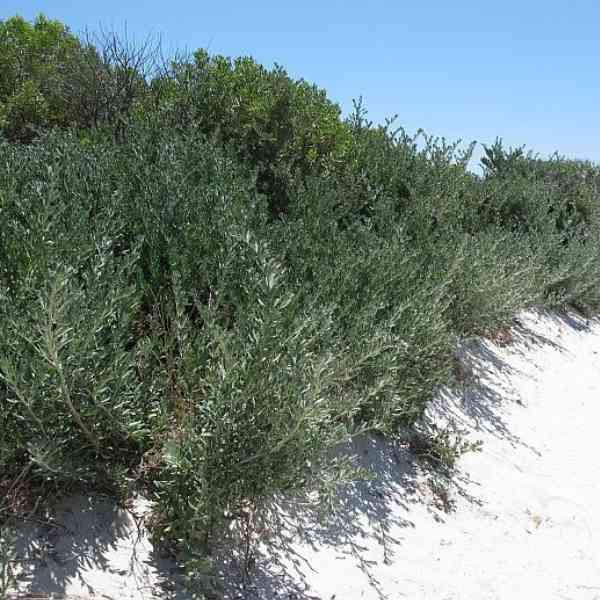
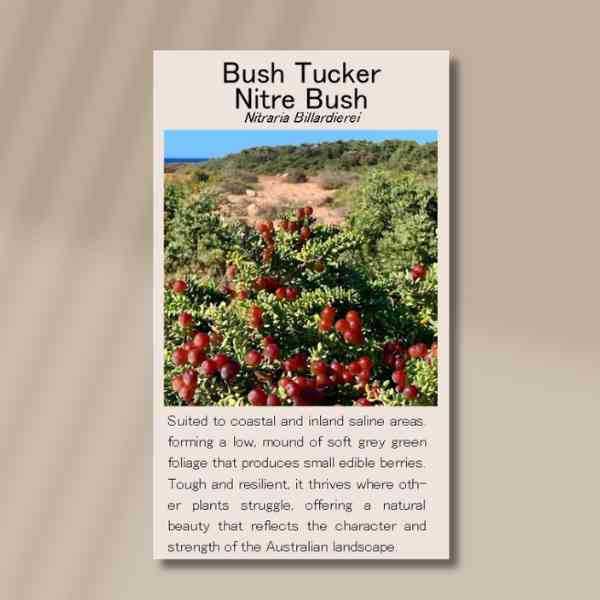
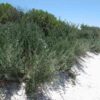
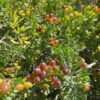
Naturally found across southern parts of Australia, particularly in coastal and inland saline areas, Nitre Bush has adapted to environments that many other plants simply cannot tolerate. It grows where the soil is sandy, often alkaline, and at times heavily affected by salt. These are not easy conditions, yet this plant persists, forming low, spreading shrubs that hug the ground and create a silvery green presence across the landscape.
It forms a dense, rounded shrub, often wider than it is tall, with fine, fleshy leaves that give it a soft texture when viewed from a distance. Up close, the leaves are small and succulent in nature, an adaptation that helps the plant manage moisture in dry environments. The overall effect is subtle rather than showy, but it adds a sense of calm and cohesion when used in a naturalistic planting.
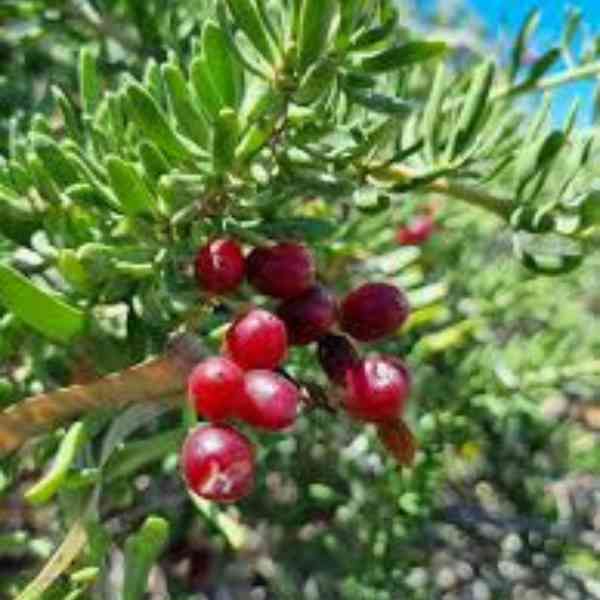
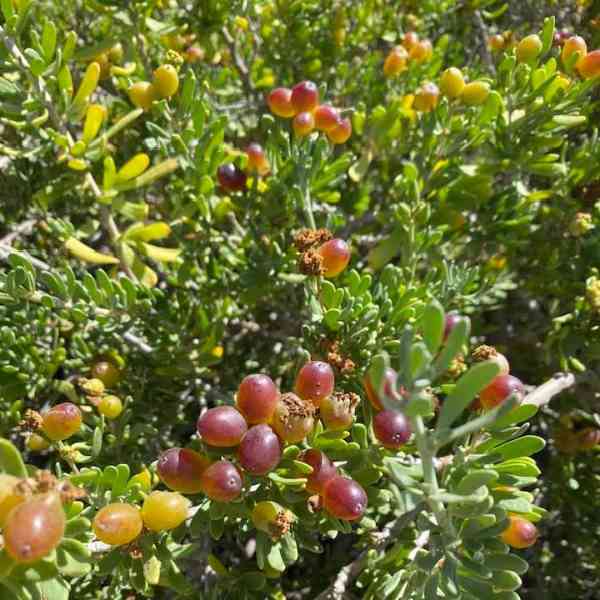
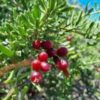
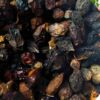
As the seasons shift, the plant produces small, inconspicuous flowers that tend not to draw much attention on their own. These are followed by berries that are far more noticeable, developing into small, fleshy fruits that range in colour from green through to red and sometimes a deeper, almost purple hue as they mature. These berries have long been part of the traditional food knowledge of Indigenous Australians, valued as a bush tucker ingredient and appreciated for their unique flavour. They can be eaten fresh or dried for later use.
In terms of appearance, Nitre Bush carries a muted palette that works beautifully alongside other native species. The grey green foliage pairs well with both bold and soft plantings, acting as a steady backdrop rather than competing for attention. It is particularly effective in coastal gardens, where its natural tolerance to wind and salt spray allows it to settle in comfortably. In inland settings, it reflects the tones of the surrounding landscape, blending rather than standing apart.
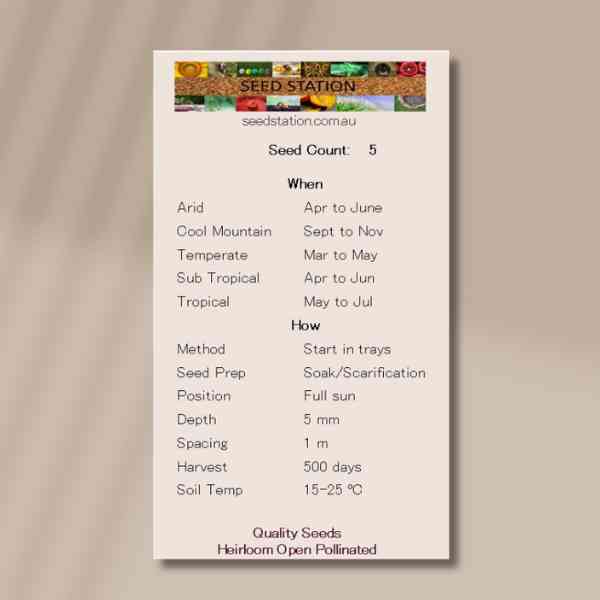
| Method: Start in trays | Soil Temp: 15°C - 25°C |
| Cool Mountain: Sep - Nov | Position: Full sun |
| Arid: Apr - Jun | Row Spacing: 1 m apart |
| Temperate: Mar - May | Planting Depth: 5 mm |
| Sub Tropical: Apr - Jun | Harvest: 500 days |
| Tropical: May - Jul | Plant Height: 1.5 m |
🧺 Separating the Seed From the Dried Fruit
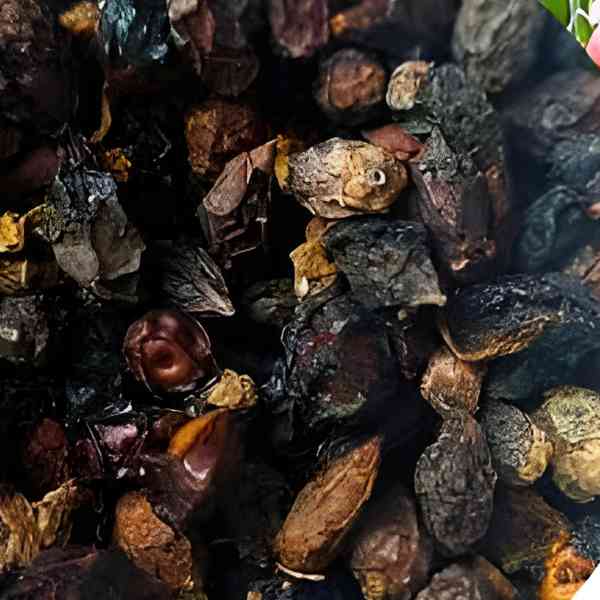
With Nitre bush (Nitraria billardierei), what you usually have after harvest is not a bare seed but a dried fruit or stone-like unit. The fruit is fleshy when fresh, and as it dries, the outer flesh shrinks onto the hard inner stone. Germination is often better when the outer salty fruit layer is removed, which is one reason bird-digested seed can sprout more readily than untreated hand-collected material.
The practical home method is to let ripe fruit dry until the skin is leathery rather than sticky, then rub the fruit firmly between gloved hands or against a coarse sieve to strip away the dried outer flesh. Once the fruit is cleaned down, you are left with the hard stone that protects the actual seed. For small batches, you can then either sow the stone as it is, or very carefully nick or crack the hard outer shell just enough to let water in, taking care not to damage the kernel inside.
If the dried fruit is still stubborn, soak it in water for a day first, then clean it again. Do not try to crush it hard in one go, because it is easy to damage the seed while removing the shell. For seed saving, the aim is clean, dry, hard stones with all fleshy residue removed.
🌿 Nitre Bush Grow Guide
Nitre bush is a tough, spreading, edible-fruited shrub valued for resilience more than delicacy. It is naturally suited to difficult sites, especially bright, open places with lean, alkaline, coastal, sandy, loamy, or even saline ground. It is evergreen, dense, often wider than tall, and usually grows around 1 to 2 metres high and 2 to 4 metres wide, so it works best where it has room to broaden rather than being squeezed into a narrow bed.
It is an excellent plant for growers dealing with exposed positions, poor soils, salt, and intermittent dry conditions. It also produces edible fruit and provides shelter and food for wildlife. Once established, it is generally low maintenance, but seed propagation can be a little uneven, so success comes from understanding the fruit and germination process rather than simply sowing it like a soft vegetable seed.
🌱 Starting From Seed: Trays vs Direct Sowing
For Nitre bush, raising from seed in trays, tubes, or small pots is the better method. Direct sowing is possible, but it is much less predictable because germination can be patchy and slow, and seedlings establish more slowly when competing with weeds or dense surrounding growth. Germination can take anywhere from a few weeks to several months, which makes controlled conditions especially useful.
Trays or tubes let you control moisture, protect seedlings from slugs and washout, and keep track of which seed lots are actually viable. They also make it easier to discard weak seedlings and only plant out the strongest. Direct sowing is best reserved for rough revegetation-style planting where losses are acceptable.
Use a very free-draining propagation mix and sow the cleaned stone or treated seed only shallowly, roughly a few millimetres deep. Keep the medium moist but not wet. That balance matters because the seed benefits from moisture penetration, but the shrub itself is adapted to well-drained conditions rather than stagnant wetness.
💧 Seed Pre-Treatment
Yes, some pre-treatment is worth doing. Nitre bush does not fit the simple pattern of a quick-sprouting garden seed. The most useful pre-treatment is removing the dried outer fruit layer, because the species tends to germinate better when the salt-rich outer fruit layer is removed.
After cleaning, a practical home treatment is to soak the stone in water for 24 to 48 hours before sowing. You can also lightly nick the shell if it is especially hard, but do this carefully so the seed inside is not damaged.
For growers who like to experiment, stronger nursery-style treatments such as gibberellic acid, smoke water, or dry heat have also been used to improve difficult seed lots, but these are not essential for ordinary home growing.
So the practical answer is this: remove the dried fruit layer, soak the stone, and optionally nick the shell lightly if it is very hard. That is the most useful and realistic pre-treatment for most growers.
🪴 Soil and Position
Nitre bush wants full sun and sharp drainage. It is naturally suited to loamy, clay-loam, clay, and saline soils, and it tolerates alkaline and salty ground far better than many edible plants. It is also useful for erosion control, which says a great deal about its toughness and ability to cope with harsher, more exposed positions.
The best garden soil is not necessarily rich soil. In fact, this is a plant that often performs best in modest, open, mineral soil rather than lush, heavily fertilised beds. Good drainage matters more than richness. It is especially well suited to sunny places where other fruiting shrubs may struggle from wind, salt, poor fertility, or dryness.
If your soil is very heavy, plant on a slight mound or raised shoulder so water moves away from the crown. If your site is sandy or coastal, this species is usually much more at home than fussier edible shrubs. Because it spreads broadly and can be spiny, give it room away from narrow paths and play areas.
🌿 Care and Maintenance
Nitre bush is best described as low maintenance once established. Young plants need watering while they settle in, but mature shrubs are notably drought resistant and usually need only modest supplementary watering except in prolonged dry spells or in containers.
Water deeply but infrequently so roots move down into the soil rather than lingering near the surface. Avoid turning the planting area into a rich, soft, constantly fed bed. This is not that kind of shrub. Too much fertiliser, especially high nitrogen feeding, is more likely to produce coarse growth than improve the plant.
Pruning is simple. Light shaping after fruiting helps maintain a compact, bushy habit. Remove dead wood, awkward crossing shoots, or excessively long branches, but avoid repeated hard pruning into old wood unless the shrub truly needs renovation.
Keep weeds down around young plants. Seedlings are susceptible to competition while establishing, so a clean, low-competition start makes a real difference.
🌼 Companion Planting Guide
Nitre bush is best used in a dryland shrub guild rather than a lush cottage-style bed. Its ideal companions are plants that enjoy sun, free drainage, low to moderate fertility, and occasional dry conditions.
Good companions include low native groundcovers, tough flowering insect plants, salt-tolerant herbs, and other open-site shrubs that do not smother its root zone or shade it heavily. Plants with similar needs, such as low daisies, hardy salt-tolerant groundcovers, or compact aromatic herbs in the outer root zone, generally make more sense than thirsty annual vegetables.
It also suits erosion-control style planting, where it can be grouped with other tough shrubs on banks or exposed sites. Because birds eat the fruit, it can fit beautifully into a wildlife-oriented planting.
Avoid planting it among dense, lush, heavy feeders that need regular irrigation and rich soil. That mismatch usually makes one side unhappy. Nitre bush prefers a more open, restrained planting style.
🍇 How to Harvest
The fruit is a fleshy drupe that turns purple, red, or golden when ripe, depending on the plant and fruit stage. Harvest when fruits are fully coloured and have softened slightly. The fruit can be eaten fresh, dried, or used in preserves.
For eating, pick gently by hand. For seed saving, select the ripest, healthiest fruit and process it promptly. If you plan to dry the fruit first, spread it in a single layer somewhere airy and shaded until it becomes leathery. Then clean away the outer flesh as described in the opening section.
Because the shrub may be somewhat spiny, gloves are often helpful at harvest.
🛠️ Common Issues and Fixes
| Problem | Likely cause | What you will see | Fix |
|---|---|---|---|
| Poor germination | Outer fruit still attached, hard shell not penetrated, uneven seed lot | Very few seedlings appear | Clean off the dried fruit properly, soak the stone for 24 to 48 hours, and try lightly nicking or cracking very hard stones before sowing |
| Very slow germination | Natural dormancy and variable seed response | Seed sits for weeks with no action | Keep the mix just moist and wait longer. Some seed lots sprout in weeks, while others can take months |
| Seedlings fail after sprouting | Too much competition or poor early care | Small seedlings stall, yellow, or disappear | Start in trays or keep the planting area weed-free while plants establish |
| Soft, weak growth | Overfeeding or too much water | Lush but floppy plant with poor shape | Cut back on fertiliser and let the soil dry slightly between waterings |
| Root stress or dieback | Waterlogging | General decline, poor vigour | Improve drainage, plant on a mound if needed, and avoid permanently wet soil |
| Sparse fruiting | Too much shade or over-pruning | Healthy shrub but little crop | Grow in full sun and prune lightly after fruiting rather than repeatedly cutting back hard |
| Messy seedlings from direct sowing | Unreliable establishment outdoors | Patchy emergence and uneven survival | Use tubes or trays first, then plant out the strongest seedlings |
🌰 Detailed Seed Saving Guide
Seed saving starts with fully ripe fruit. Choose fruit from healthy, productive shrubs with the traits you want most, whether that is better flavour, heavier fruiting, tighter habit, or stronger tolerance of a difficult site. Since seed-grown plants can vary, selecting from your best parent plants is worthwhile.
After harvest, let the fruit soften or dry slightly, then remove the outer flesh. With fresh fruit, mash gently in water and rub the pulp away. With dried fruit, rub off the leathery skin and remaining residue until only the hard stone remains. The key idea is to get rid of the salty outer fruit layer, because that layer can suppress or delay germination.
Once cleaned, dry the stones in an airy, shaded place until surface-dry, then store them in a cool, dry, labelled container. If you are sowing soon, soak before planting. If you are storing for later, keep them dry until you are ready to pre-treat and sow.
For the highest chance of success, test a few methods side by side. Sow some stones after simple soaking, sow some after very light nicking, and keep notes on which batch emerges best. This is especially useful with species like Nitre bush, where germination can be variable and the seed unit is physically hard.
If you want to preserve a particularly good plant exactly, seed saving is not always the best way because seedlings can differ from the parent. In that case, cuttings may be more faithful.
🌟 Final Thoughts
Nitre bush is one of those plants that shines where gentler crops struggle. It is hardy, edible, broad, resilient, and very well suited to bright, exposed, lean ground. The biggest trick is not ongoing care but understanding the seed. For most growers, the best approach is to clean the dried fruit thoroughly, soak the hard stone, raise seedlings in trays or tubes, and then move out the strongest plants.
Once established, it asks for little and gives a lot, especially in difficult sites. Its combination of edible fruit, wildlife value, erosion control, and tolerance of salt and drought makes it a very satisfying shrub for growers who appreciate tough, useful plants.

Postage Charge
Orders under $40 attract a $5.50 shipping charge. Orders $35 and above have free shipping.
*** We cannot deliver to Parcel Lockers ***
Order Times
Seed orders are normally dispatched within three business days. You will receive an email when seeds are mailed out.
Postage Days
Seeds are mailed out Tuesday to Friday at 1pm. Except for the Friday of long weekends.
Postage Times
WA 2-3 Days: SA,NT 3-5 Days: NSW, ACT, QLD, VIC: 5-7 Days
Carrier
We use Australia Post Letter Postage for the majority of orders.
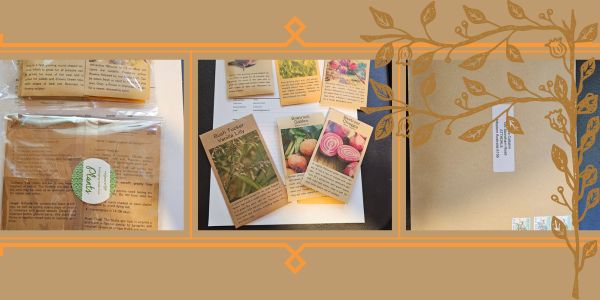
Not only are our seeds packed in recycled paper envelopes, we keep the theme going when we post out website orders. To protect your seeds from moisture and the letter box munchers (snails), we use a very special plastic free material made from plants. They are then put into recycled mailing envelopes. Green all the way ????????
Delivery Guarantee
We take great care to make sure your seeds arrive safely. If your order is lost or damaged in transit, we’ll happily send a replacement. Unfortunately, we can’t replace or refund orders that arrive later than the estimated delivery date, as delays can sometimes occur that are outside our control.
Please note that all dispatch and delivery times listed are estimates only. While we do our best to post promptly, delivery timeframes can vary due to postal service delays, weather events, or other unforeseen circumstances. We’re unable to take responsibility for any loss, damage, or cost that results from a late delivery.
An order is not considered missing until at least 20 business days have passed from the postage date. You’ll receive an email once your seeds have been posted, letting you know they’re on their way. If you don’t see it in your main inbox, please check your Spam or Promotions folders as sometimes our emails like to hide there.

Reviews
There are no reviews yet