








Feverfew
$4.95
Tanacetum Parthenium
- Seed Count 3000
- Culinary and medicinal herb
- Perennial
In stock
Description
Feverfew is the sort of plant that quietly does a bit of everything—pretty enough to pass as a daisy, helpful enough to earn its place in the herb patch, and resilient enough to thrive with very little fuss. You’ll find it in the pages of old herbals, where it’s listed as a go-to for everything from aches to insect bites.
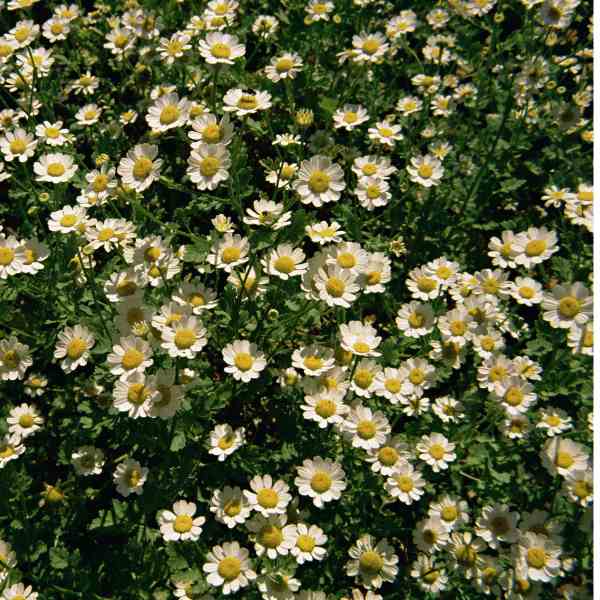
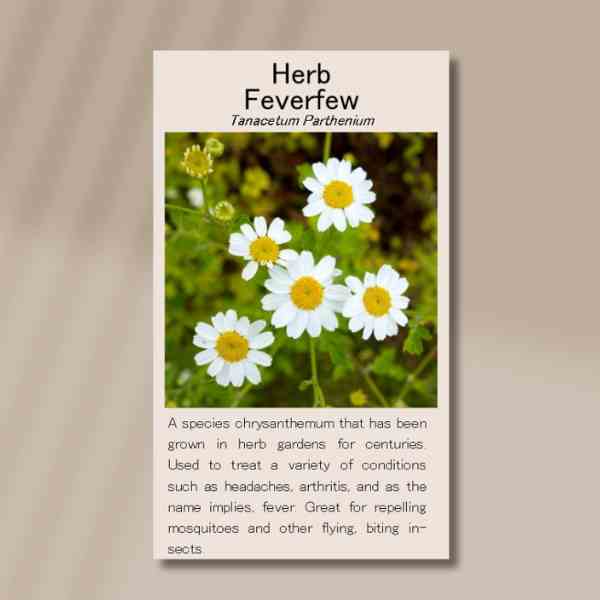
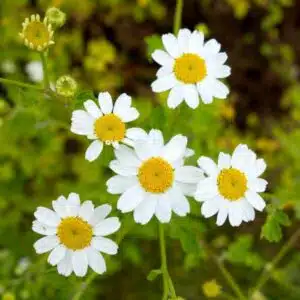
It bears cheerful white flowers with sunny yellow centres, blooming generously across a dense, mid-sized bush. The plant itself has a compact habit, forming a soft clump of serrated green leaves that can fill in spaces around pathways or in between taller herbs and vegetables. Typically growing to about 20–30cm tall, it is ideal for the front of borders, in pots, or as a filler in companion plantings.
It’s not just a pretty face, though as the whole plant, especially the flowers, contains pyrethrin, a naturally occurring compound that acts as a gentle insect repellent. This makes feverfew a fantastic companion plant for your veggie patch or flower garden. The scent and chemical composition deter mosquitoes, aphids, leafhoppers, whitefly, and spider mites.
A weak infusion of the leaves and flowers can be sprayed around the garden to help with persistent whitefly and mite problems, while dried and crushed blooms can be sprinkled to repel other soft-bodied pests. It’s a useful trick for gardeners trying to limit their use of harsh chemical sprays.
Feverfew is often planted around the edges of outdoor seating areas, near doorways, or alongside windows. Not only does it help keep flying, biting insects away from us humans, but its compact shape and regular blooming habit make it a visually pleasing addition wherever you place it.
For even better results, try pairing it with lavender—a classic garden combination that looks great and doubles down on mosquito deterrence. The lavender’s strong scent works in harmony with feverfew’s pyrethrin content, creating a sort of aromatic shield around your favourite garden sitting spots.
| Method: Start in trays | Soil Temp: 10°C - 25°C |
| Cool Mountain: Sep - Feb | Position: Full sun |
| Arid: Sep - Jan | Row Spacing: 30 cm |
| Temperate: Sep - Feb | Planting Depth: 1mm |
| Sub Tropical: Aug - Jan | Harvest: 110 days |
| Tropical: Mar - May | Plant Height: 60 cm |
🌼 Feverfew Grow Guide
🌱 Overview
Feverfew is a hardy, aromatic flowering herb grown for its small daisy-like blooms, ferny green foliage, strong scent, pollinator value, and traditional herbal use. It is a practical plant for cottage gardens, herb beds, borders, vegetable gardens, and containers. Once established, it is tough, productive, and often very generous with flowers.
The plant has a naturally bushy habit and can become a useful companion around food gardens because its flowers attract beneficial insects. It also has a strong fragrance that some gardeners value for helping confuse pests. Feverfew can self-seed freely, so it is best grown where a few volunteer seedlings will not become a problem, or where spent flowers can be removed before seed drops.
Although feverfew has a long history of traditional use, it should be treated with care. Do not consume it during pregnancy or breastfeeding, and seek professional advice before using it internally, especially if taking medication, using blood thinners, preparing for surgery, or managing a health condition.
🌱 Sowing in Trays vs Direct Sowing
Feverfew can be grown by both sowing in trays and direct sowing, but sowing in trays is usually the best method for home gardeners.
The seed is very small and needs careful handling. Tray sowing gives much better control over moisture, spacing, and early growth. Fill a tray with fine seed-raising mix, scatter the seed thinly over the surface, then press it gently into the mix. Do not bury it deeply, as the seed benefits from light for germination. A very fine dusting of seed mix or vermiculite is enough if needed.
Keep the tray evenly moist using a misting bottle or gentle watering rose. Strong watering can move the seed around and cause patchy germination. Once seedlings are large enough to handle and have developed sturdy growth, transplant them into small pots or their final position.
Direct sowing can work in a finely prepared, weed-free bed, but it is less reliable. Tiny seedlings can be difficult to see, easy to wash away, and quickly outcompeted by weeds. For this reason, direct sowing is best suited to gardeners who already have a clean, protected bed and are happy to thin seedlings later.
For most situations, tray sowing is the preferred method because it gives stronger control and reduces seed waste.
💧 Seed Pre-Treatment
Feverfew seed does not require special pre-treatment. No soaking, chilling, scarifying, or heat treatment is needed.
The most important detail is light surface sowing. Press the seed onto the surface rather than covering it heavily. Fresh seed, fine seed-raising mix, steady moisture, and gentle watering will usually give the best results.
If germination is poor, the cause is more likely to be old seed, deep sowing, drying out, or rough watering rather than lack of pre-treatment.
🌞 Soil and Position
Feverfew grows best in a sunny to lightly shaded position. Strong light encourages compact growth and plenty of flowers, while light shade can be helpful in very hot or exposed spaces. In too much shade, plants may become leggy and flower less heavily.
The soil should be well-drained, moderately fertile, and not overly rich. Feverfew does not need heavy feeding, and very rich soil can encourage soft, leafy growth at the expense of flowers. A garden bed improved with compost is usually enough.
Good drainage is important. Feverfew dislikes sitting in wet, stagnant soil, especially around the crown. If the soil is heavy clay, improve it with compost and grow in a slightly raised position. In containers, use a quality potting mix and make sure the pot has clear drainage holes.
Feverfew is fairly adaptable once established, but it performs best where the roots have consistent access to moisture without becoming waterlogged.
🌾 Care and Maintenance
Feverfew is a low-maintenance herb, but regular attention keeps it neat, productive, and better behaved. Water young plants consistently while they establish. Mature plants are reasonably tough, but they still produce better foliage and flowers with steady moisture.
Avoid overfeeding. A light application of compost or a mild balanced fertiliser is enough if growth looks weak. Too much nitrogen can create lush, floppy plants with fewer flowers.
Pinch out the growing tips when plants are young if you want a bushier shape. As flowers fade, remove spent blooms to encourage further flowering and reduce unwanted self-seeding. If you want seed, leave selected flower heads to mature fully.
Feverfew can become woody or tired over time. Cutting the plant back after heavy flowering can encourage fresh new growth. In containers, trim regularly and refresh the potting mix when growth slows.
Because feverfew can self-sow, keep an eye around the base of the plant and remove unwanted seedlings while they are small. Volunteer plants are easy to transplant if they appear in a useful spot.
🌼 Companion Planting Guide
Feverfew is a useful companion in mixed gardens because its flowers attract small beneficial insects, including hoverflies and tiny pollinators. These insects can support natural pest balance in vegetable beds and flowering borders.
Good companions include brassicas, lettuce, spinach, silverbeet, tomato, capsicum, chilli, cucumber, fruit trees, roses, calendula, yarrow, chamomile, lavender, thyme, oregano, and sage. Feverfew works especially well along bed edges, near flowering herbs, or close to crops that benefit from insect activity.
It can also be grown near roses and ornamental flowers as part of a pest-confusing, pollinator-friendly planting. Its white flowers blend easily into cottage-style gardens and herb borders.
Avoid placing feverfew where it will crowd tiny seedlings, low-growing herbs, or plants that dislike competition. It is also best kept away from very small pots shared with delicate herbs, as feverfew can become vigorous and dominate the space.
A practical layout is to grow feverfew at the end of a vegetable bed, along a path edge, near fruit trees, or in a dedicated herb border where it can flower freely and be trimmed as needed.
✂️ How to Harvest
Feverfew leaves can be harvested once the plant has enough growth to recover well. Pick small amounts at a time using clean scissors, taking healthy young leaves from different parts of the plant rather than stripping one stem bare.
Flowers can be harvested when they are fully open and fresh. Cut flower stems in the morning after the foliage has dried. They can be used fresh in arrangements or dried for later non-culinary garden and craft uses.
For drying, hang small bunches upside down in a warm, dry, airy place out of direct harsh light. Once dry, store the leaves or flowers in a labelled jar away from heat and moisture.
Wear gloves if you have sensitive skin, as feverfew foliage can irritate some people. Internal use should be approached cautiously and avoided by anyone pregnant, breastfeeding, allergic to daisy-family plants, taking blood-thinning medication, or preparing for surgery unless guided by a qualified professional.
🛠️ Common Issues and Fixes
| Issue | Likely Cause | Fix |
|---|---|---|
| Poor germination | Seed buried too deeply, old seed, uneven moisture | Surface sow fresh seed, press gently into mix, keep evenly moist |
| Seed washing away | Watering too strongly | Use a misting bottle or gentle watering rose |
| Leggy seedlings | Low light or overcrowding | Move to brighter light, thin seedlings, transplant carefully |
| Few flowers | Too much shade or excess nitrogen | Provide more sun, reduce feeding, avoid rich fertiliser |
| Floppy growth | Overfeeding, weak light, lack of pruning | Pinch tips early, reduce nitrogen, improve light |
| Yellowing leaves | Waterlogging, poor drainage, nutrient imbalance | Improve drainage, avoid soggy soil, add compost lightly |
| Wilting in heat | Dry soil or exposed position | Water deeply, mulch lightly, provide light afternoon shade |
| Powdery mildew | Poor airflow, crowded growth, humidity | Space plants well, prune lightly, water at soil level |
| Aphids on soft tips | Tender new growth attracting sap-sucking insects | Spray off with water, encourage beneficial insects, remove badly affected tips |
| Unwanted seedlings | Flowers allowed to set and drop seed | Deadhead regularly, remove seedlings early, collect seed before it falls |
🌰 Detailed Seed Saving Guide
Feverfew is easy to save seed from because it flowers freely and produces many small seeds. Start by choosing healthy, strong plants with good shape, plenty of flowers, and no major pest or disease problems. Avoid saving seed from weak, poor-flowering, or mildew-prone plants.
Allow selected flowers to remain on the plant after blooming. The flower centres will gradually dry and turn brown as the seed matures. Do not harvest too early, as immature seed may not store or germinate well.
When the flower heads are dry and papery, cut them with a short stem attached and place them upside down in a paper bag. A paper bag is better than plastic because it allows moisture to escape and reduces mould risk.
Leave the bag in a dry, airy place until the flower heads are fully crisp. Once dry, gently rub the heads between your fingers over a tray or sheet of paper. The seed will fall out mixed with fine chaff.
To clean the seed, use a fine sieve or gently blow away the lighter dry material. Feverfew seed is small, so work slowly and carefully. After cleaning, spread the seed on paper for several more days to make sure it is completely dry.
Store the seed in a labelled paper envelope or airtight jar in a cool, dark, dry place. Include the plant name and collection date. Keep only fully dry seed, as moisture in storage can cause mould and poor germination.
Because feverfew can self-seed readily, remove any remaining mature flower heads once you have collected enough seed. This keeps the garden tidy and prevents the plant from spreading more than intended.
🌟 Final Thoughts
Feverfew is a cheerful, useful, and resilient herb that brings flowers, fragrance, beneficial insects, and old-fashioned charm to the garden. It is simple to grow, but because the seed is tiny, starting it in trays is usually the most reliable method.
Give it a bright position, well-drained soil, moderate fertility, and regular trimming. Deadhead it to control self-seeding, or let a few flowers mature if you want to collect seed. With gentle care and sensible placement, feverfew becomes a long-lasting and valuable addition to herb beds, borders, containers, and pollinator-friendly garden spaces.
3 reviews for Feverfew

Postage Charge
Orders under $40 attract a $5.50 shipping charge. Orders $35 and above have free shipping.
*** We cannot deliver to Parcel Lockers ***
Order Times
Seed orders are normally dispatched within three business days. You will receive an email when seeds are mailed out.
Postage Days
Seeds are mailed out Tuesday to Friday at 1pm. Except for the Friday of long weekends.
Postage Times
WA 2-3 Days: SA,NT 3-5 Days: NSW, ACT, QLD, VIC: 5-7 Days
Carrier
We use Australia Post Letter Postage for the majority of orders.
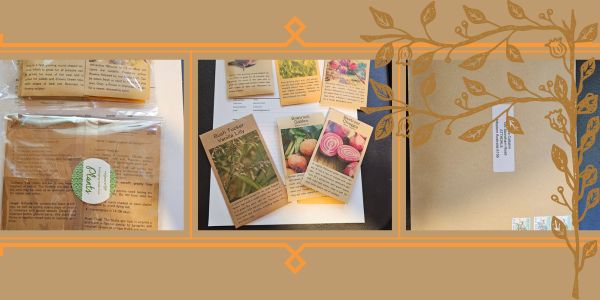
Not only are our seeds packed in recycled paper envelopes, we keep the theme going when we post out website orders. To protect your seeds from moisture and the letter box munchers (snails), we use a very special plastic free material made from plants. They are then put into recycled mailing envelopes. Green all the way ????????
Delivery Guarantee
We take great care to make sure your seeds arrive safely. If your order is lost or damaged in transit, we’ll happily send a replacement. Unfortunately, we can’t replace or refund orders that arrive later than the estimated delivery date, as delays can sometimes occur that are outside our control.
Please note that all dispatch and delivery times listed are estimates only. While we do our best to post promptly, delivery timeframes can vary due to postal service delays, weather events, or other unforeseen circumstances. We’re unable to take responsibility for any loss, damage, or cost that results from a late delivery.
An order is not considered missing until at least 20 business days have passed from the postage date. You’ll receive an email once your seeds have been posted, letting you know they’re on their way. If you don’t see it in your main inbox, please check your Spam or Promotions folders as sometimes our emails like to hide there.
See all our verified customer reviews on our official CusRev profile.
See all our verified customer reviews on our official CusRev profile.
See all our verified customer reviews on our official CusRev profile.