

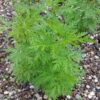

Mugwort
$4.95
Artemisia Vulgaris
- Seed Count 1000
- Medicinal And Culinary
- Perennial
In stock
Description
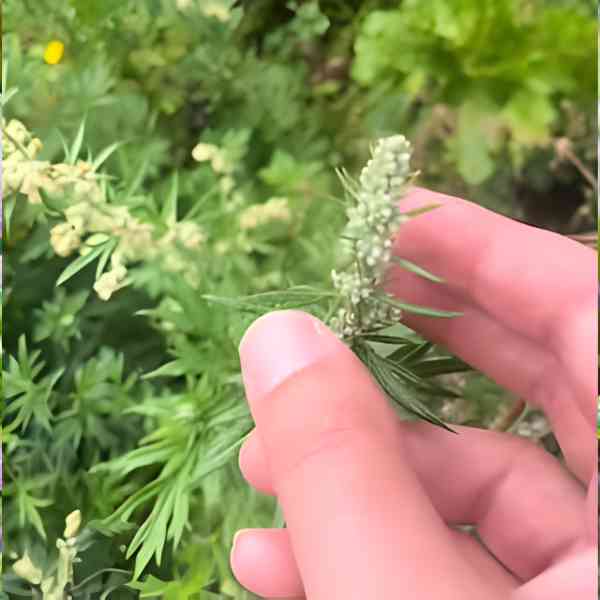
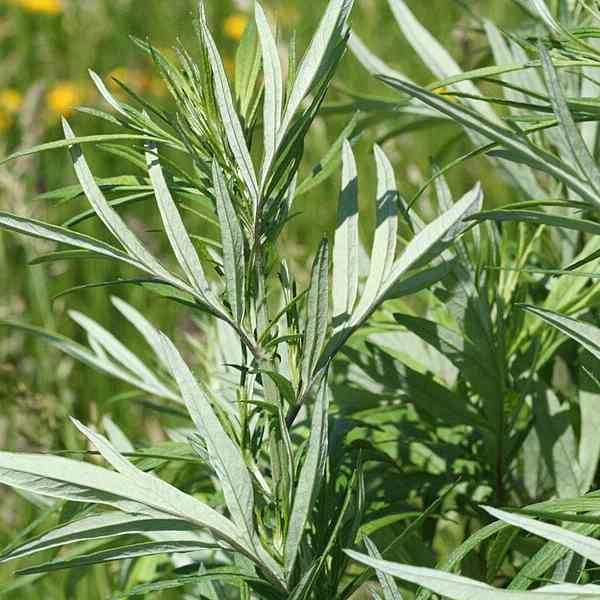
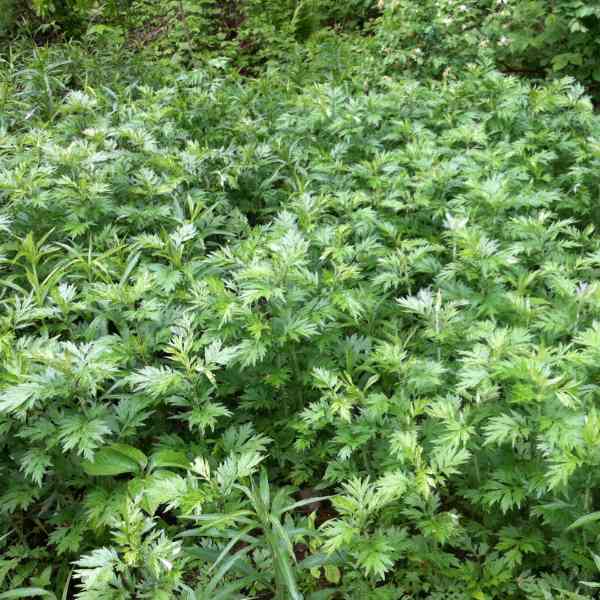
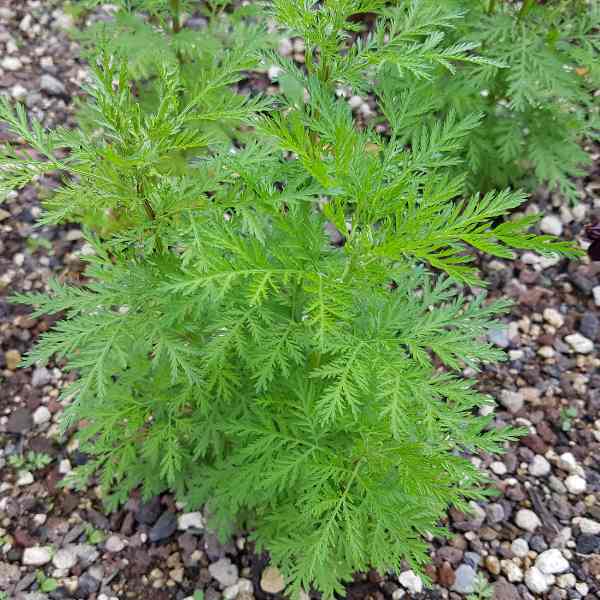
Mugwort is a tall, herbaceous perennial with a woody root system, long lived and deeply anchored, both literally and culturally. In the garden The foliage is one of its most distinctive features. The leaves are deeply lobed and smooth to the touch on the upper surface, with a dark green tint. Turn a leaf over and the underside is covered with a dense, silvery, cottony down. The erect stems are sturdy and often carry a red to purplish tinge, especially as the season progresses, giving the whole plant a slightly wild, untamed appearance. Mugwort is adaptable to most soils and conditions, which has helped it follow people across continents and generations.
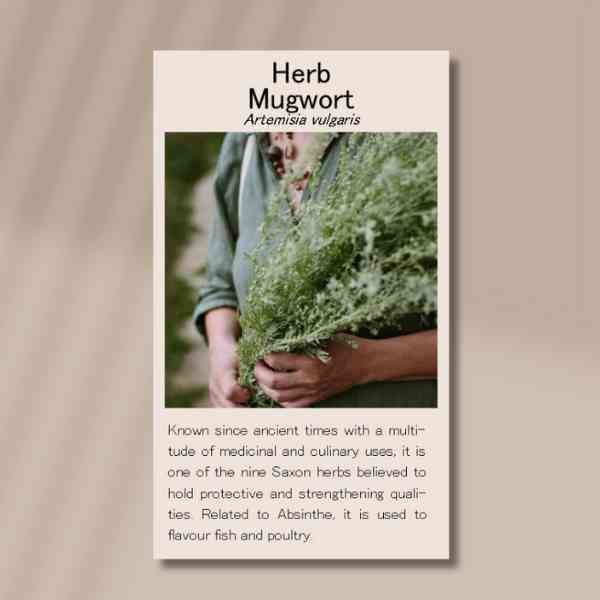
Mugwort has been known and used since ancient times, long before modern distinctions between culinary, medicinal, and ritual plants were drawn. It was part of daily life rather than a specialty item. In Anglo Saxon tradition it is listed as one of the nine sacred or magical herbs, believed to hold protective and strengthening qualities. These plants were not seen as superstition alone but as practical allies in a world where people relied on the land for health, food, and survival.
Its aroma is mellow and sage like, earthy and slightly sweet, with a depth that becomes more pronounced when the leaves are dried. Alongside this aroma comes a strong bittering quality. Mugwort was often a brewer’s herb of choice. It contributed bitterness, aroma, and character to early beers, as well as helping preserve them.
In the kitchen, Mugwort has been used with a light but confident hand. It is traditionally used with fish and poultry, where its aromatic bitterness helps cut through richness and add complexity. In European cooking it was often used to season fatty meats, particularly goose and duck, where bitterness and aroma were seen as essential counterpoints. In East Asian cuisines, Mugwort also appears in both savoury and sweet preparations, highlighting its versatility and broad cultural reach.
Medicinally, Mugwort has a long history as a folk remedy and like many traditional herbs, its use was based on observation, experience, and oral tradition passed down through generations. In folk medicine, Mugwort was often valued for its warming qualities and its perceived ability to support the body through cycles and transitions. While modern herbal practice approaches these traditions with care and respect, Mugwort’s reputation as a supportive herb remains strong in cultural memory.
| Method:Sow direct or seedlings | Soil Temp:10°C - 25°C |
| Cool Mountain: Nov - Dec | Position: Part Shade |
| Temperate: Sep/Nov, Mar/Jun | Planting Depth: Surface |
| Sub Tropical: May - Oct | Row Spacing: 70 cm |
| Arid: Aug - Jan | Harvest: 100 Days |
| Tropical: Jun - Aug | Plant Height: 1.5 m |
🌿 Mugwort Grow Guide
Mugwort is a hardy, aromatic perennial herb grown for its silvery-green foliage, strong herbal scent, wildlife value, and traditional garden uses. It has a bold, slightly wild character and suits herb gardens, pollinator areas, naturalistic borders, sensory gardens, and larger containers. Once established, it can become vigorous, so it is best grown with clear boundaries and regular maintenance.
Mugwort is not a delicate plant. It is tough, adaptable, and able to cope with poorer soils once settled. The main challenge is not usually keeping it alive, but keeping it controlled. It can spread by seed and underground roots, so gardeners should treat it as a useful but assertive herb.
🌱 Sowing in Trays Versus Direct Sowing
Mugwort can be grown by direct sowing or by starting seed in trays, but sowing in trays is usually the best method. The seed is very small, and tray sowing gives better control over moisture, spacing, and early growth. It also allows you to decide exactly where the plants will go, which is important because mugwort can become spreading and persistent.
To sow in trays, use a fine, free-draining seed-raising mix. Scatter the seed thinly over the surface and press it down gently. Do not bury the seed deeply, as mugwort seed needs light to germinate well. A very light dusting of fine mix or vermiculite is enough. Mist gently and keep the mix evenly moist, not wet.
Once seedlings are large enough to handle, pot them on into small individual pots. Grow them until they are sturdy and well-rooted before planting into their final position. Handle young seedlings carefully, as they can be fine and delicate at first.
Direct sowing can work in a clean, weed-free bed, but it is less controlled. Scatter the seed thinly, press it into the soil surface, and water with a fine spray. The main risks are seed washing away, seedlings being mistaken for weeds, and plants appearing where you may not want them long term.
For most gardeners, tray sowing is preferred because it gives the best control over a plant that can become vigorous.
🌾 Seed Pre-Treatment
Mugwort seed often benefits from cold, moist pre-treatment before sowing. This helps improve germination, especially if the seed is slow, older, or naturally dormant.
To do this, place the seed on a lightly damp paper towel, fold it over, and seal it in a labelled bag or small container. Keep it in the fridge for about 2 to 4 weeks. Check occasionally to make sure the towel stays slightly moist but not wet. After chilling, sow the seed promptly onto the surface of a seed-raising mix.
Some fresh seed may germinate without chilling, but germination can be uneven. For the most reliable results, cold, moist pre-treatment is recommended.
Do not soak mugwort seed in water for long periods. The seed is tiny and can rot or become difficult to handle if kept too wet.
🌞 Soil and Position
Mugwort grows best in full sun to light partial shade. A sunny position encourages stronger, more compact growth and better leaf aroma. In too much shade, plants may become taller, softer, and more open.
The soil should be well-drained and moderately fertile. Mugwort does not need rich soil and often grows strongly in average or lean ground. Overly rich soil can encourage lush, floppy growth and faster spreading.
Good drainage is important. Mugwort is tough, but it does not perform well in constantly wet, heavy soil. If your soil is clay-based, improve drainage with compost and plant slightly raised. If your soil is sandy, add compost to help hold enough moisture while still allowing free drainage.
Because mugwort can spread, choose its position carefully. It is often best placed at the edge of a herb garden, in a contained bed, or in a large pot. Container growing is a good option if you want the plant for foliage but do not want it spreading through garden beds. Use a pot with drainage holes and a quality free-draining potting mix.
💧 Care and Maintenance
Mugwort is low maintenance once established, but it should be managed firmly. Water young plants regularly until they settle in. Once established, mugwort is fairly drought tolerant, though occasional deep watering will keep the foliage fresher during dry spells.
Feeding should be minimal. A light layer of compost is usually enough. Avoid heavy fertilising, especially with high-nitrogen products, as this can produce soft growth and make the plant more unruly.
Pruning is one of the most important tasks. Tip-prune young plants to encourage bushier growth. Cut back long stems if the plant becomes too tall, open, or untidy. Regular trimming also encourages fresh leafy growth and reduces the chance of unwanted seed formation.
To control spread, remove flower heads before they set seed unless you are intentionally saving seed. Check around the plant for self-sown seedlings and pull them early. If growing in the ground, watch for underground runners spreading beyond the intended area. Dig out unwanted shoots promptly.
Mugwort can be cut back hard when it becomes woody or tired. Fresh growth usually returns from the base or roots. Wear gloves if you have sensitive skin, as some people may react to the foliage.
🐝 Companion Planting Guide
Mugwort can be useful in a mixed garden, but it should be paired thoughtfully because it is vigorous and aromatic. It is best placed near tough plants that can handle similar conditions and will not be overwhelmed.
Good companions include rosemary, thyme, sage, oregano, lavender, yarrow, calendula, echinacea, marigold, chamomile, lemon balm, comfrey, artichoke, kale, cabbage, and silverbeet.
Its flowers can attract small beneficial insects if allowed to bloom, and its strong scent may add useful diversity to herb and vegetable gardens. It also works well in wildlife-style plantings where a more natural, less formal look is welcome.
Avoid planting mugwort beside small, delicate, or slow-growing herbs that may be shaded or crowded. It is not ideal next to tiny seedlings, low-growing annuals, or plants that need very rich, wet soil. If in doubt, grow mugwort in a container so it can be enjoyed without taking over valuable garden space.
✂️ How to Harvest
Harvest mugwort by cutting young leafy stems or picking individual leaves. The best foliage is usually fresh, soft, and aromatic. Older stems can become woody and bitter, so regular light harvesting gives the best quality.
Use clean scissors or snips and cut just above a leaf joint to encourage branching. Avoid removing too much at once from young plants. Once the plant is established and vigorous, it can handle heavier trimming.
For drying, cut healthy leafy stems and tie them into small loose bundles. Hang them upside down in a warm, shaded, airy place until fully dry. You can also strip the leaves and dry them on a tray or mesh screen. Once crisp, store dried leaves in an airtight jar away from heat and light.
Mugwort has strong traditional uses, but it should be used carefully. Do not use mugwort medicinally without qualified advice, and avoid internal use during pregnancy or breastfeeding. People with allergies to daisy-family plants may also react to mugwort.
⚠️ Common Issues and Fixes
| Issue | Likely Cause | Fix |
|---|---|---|
| Poor germination | Seed not chilled, old seed, buried too deeply | Cold moist pre-treat seed, use fresh seed, surface sow |
| Seed washing away | Heavy watering or rain | Mist gently, water from below, press seed into mix |
| Patchy seedlings | Fine seed sown unevenly, dry surface, natural dormancy | Mix seed with dry sand, keep surface moist, allow extra time |
| Seedlings collapse | Overwatering, poor airflow, fungal disease | Use clean seed mix, avoid soggy conditions, improve ventilation |
| Leggy seedlings | Not enough light or overcrowding | Move to brighter light and thin seedlings early |
| Plant becomes too tall and floppy | Rich soil, shade, lack of pruning | Grow in stronger light, avoid overfeeding, cut back regularly |
| Plant spreads too far | Underground runners or self-seeding | Grow in a pot, remove flowers before seed set, dig out runners early |
| Leaves turn yellow | Waterlogging, old growth, poor drainage | Improve drainage, reduce watering, trim tired foliage |
| Brown leaf edges | Dry stress, wind exposure, root restriction | Water deeply, mulch lightly, use a larger pot if needed |
| Few fresh leaves | Woody old growth, lack of pruning, very dry soil | Cut back to encourage new shoots, water during dry periods |
| Aphids | Soft new growth attracting sap-sucking insects | Hose off gently, prune affected tips, encourage beneficial insects |
| Powdery mildew | Poor airflow, crowded growth, dry roots with humid air | Thin growth, water at soil level, improve spacing |
| Skin irritation | Sensitivity to aromatic foliage | Wear gloves and wash hands after handling |
| Unwanted seedlings | Flowers left to mature and drop seed | Remove flower heads early or collect seed before it falls |
🌰 Detailed Seed Saving Guide
Saving mugwort seed is easy, but it must be done carefully because the seed is tiny and can scatter readily. Only save seed from healthy, well-shaped plants with strong aroma, good leaf colour, and no signs of disease. Avoid saving seed from plants that are weak, overly invasive, or prone to mildew.
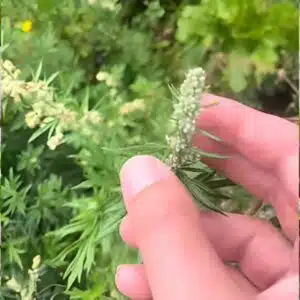
Allow a few flower stems to mature on the plant. Mugwort flowers are small and not especially showy. As they mature, the flower clusters become dry and brownish. Watch them closely, as the seed can drop once fully dry.
When the flower heads are dry but before they shatter, cut the stems and place them upside down in a paper bag. Label the bag straight away. Keep it in a dry, shaded, airy place for one to two weeks so the seed heads finish drying.
Once fully dry, gently rub the flower heads between your fingers over a clean tray or sheet of paper. The seed is very fine, so work slowly and avoid doing this outdoors in wind. Separate the seed from the dry flower material as much as possible. A fine sieve can help, but do not worry if a little chaff remains.
Spread the cleaned seed on paper for a few extra days to make sure it is completely dry. Store it in a labelled paper envelope or small airtight jar. Include the plant name, collection date, and any useful notes such as leaf colour, aroma, or growth habit. Keep the seed in a cool, dark, dry place.
Because mugwort can self-sow, remove any remaining seed heads after collecting what you need. This prevents unwanted seedlings and helps keep the plant under control.
🌿 Final Thoughts
Mugwort is a tough, aromatic, and useful herb, but it needs thoughtful placement and regular management. It is best started in trays because the seed is tiny and germination can be uneven. A short cold, moist pre-treatment improves reliability, and surface sowing is important for success.
Once established, mugwort asks for little more than sun, free-draining soil, light watering, and firm pruning. Grow it where its vigour is useful, contain it if space is limited, and remove seed heads if you do not want it spreading. With the right boundaries, mugwort can be a striking, resilient, and valuable addition to the herb garden.
4 reviews for Mugwort

Postage Charge
Orders under $40 attract a $5.50 shipping charge. Orders $35 and above have free shipping.
*** We cannot deliver to Parcel Lockers ***
Order Times
Seed orders are normally dispatched within three business days. You will receive an email when seeds are mailed out.
Postage Days
Seeds are mailed out Tuesday to Friday at 1pm. Except for the Friday of long weekends.
Postage Times
WA 2-3 Days: SA,NT 3-5 Days: NSW, ACT, QLD, VIC: 5-7 Days
Carrier
We use Australia Post Letter Postage for the majority of orders.
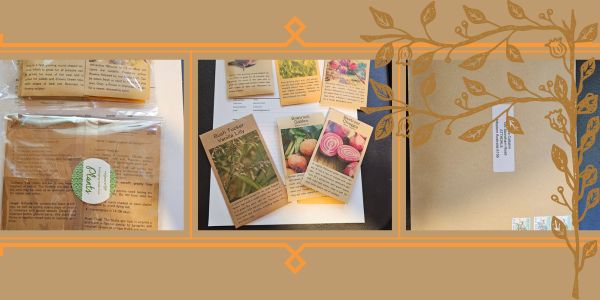
Not only are our seeds packed in recycled paper envelopes, we keep the theme going when we post out website orders. To protect your seeds from moisture and the letter box munchers (snails), we use a very special plastic free material made from plants. They are then put into recycled mailing envelopes. Green all the way ????????
Delivery Guarantee
We take great care to make sure your seeds arrive safely. If your order is lost or damaged in transit, we’ll happily send a replacement. Unfortunately, we can’t replace or refund orders that arrive later than the estimated delivery date, as delays can sometimes occur that are outside our control.
Please note that all dispatch and delivery times listed are estimates only. While we do our best to post promptly, delivery timeframes can vary due to postal service delays, weather events, or other unforeseen circumstances. We’re unable to take responsibility for any loss, damage, or cost that results from a late delivery.
An order is not considered missing until at least 20 business days have passed from the postage date. You’ll receive an email once your seeds have been posted, letting you know they’re on their way. If you don’t see it in your main inbox, please check your Spam or Promotions folders as sometimes our emails like to hide there.
See all our verified customer reviews on our official CusRev profile.
See all our verified customer reviews on our official CusRev profile.
See all our verified customer reviews on our official CusRev profile.
See all our verified customer reviews on our official CusRev profile.