




Everlastings
$15.99
Rhodanthe Chlorocephala var Rosea
- Seed Count 3000
- Long Lasting
- Annual
Only 1 left in stock
Description
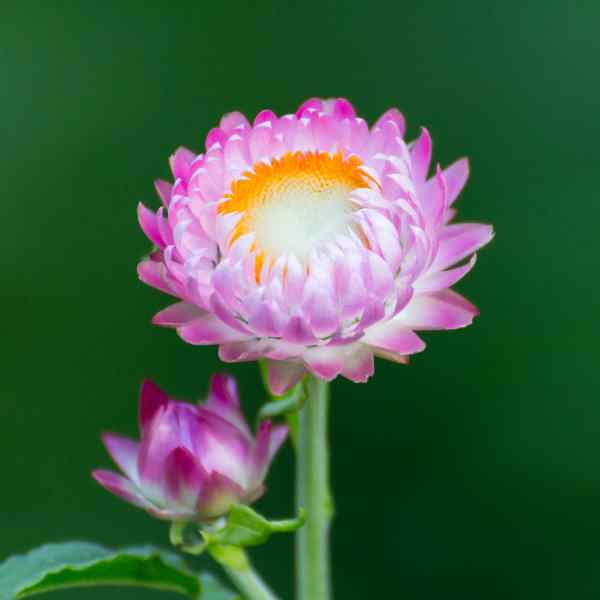
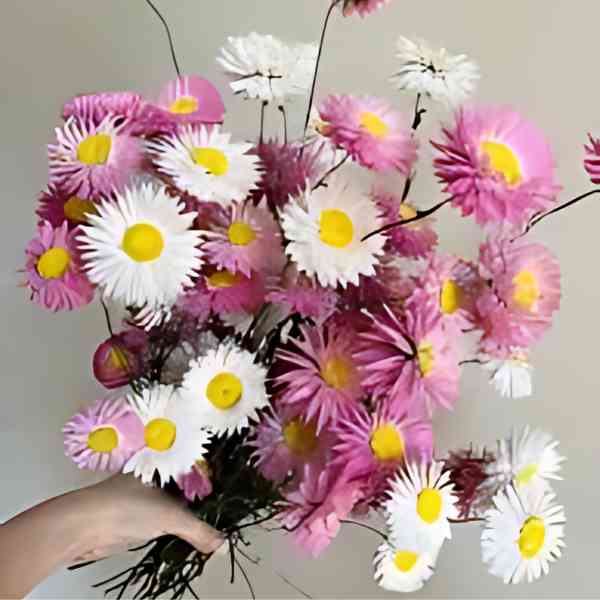
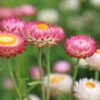
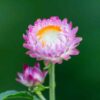
There is something deeply reassuring about a flower that refuses to fade. Among the many blooms that have woven themselves into the fabric of Australian gardens, the Pink Everlasting Daisy, holds a special place. From the very first flush of colour in late spring right through until the first frost finally calls an end to the display, Everlastings deliver weeks upon weeks of steady bloom. Their papery petals, which almost seem crafted by hand, carry colours ranging from soft rose-pinks through to deeper, richer tones, often with a striking golden-yellow centre. Planted en masse, they form a haze of soft movement, a field that shimmers and dances in the lightest breeze. Whether you grow a modest cluster in the front garden or scatter seeds over a wide, open bed, their impact is unforgettable.
The most remarkable trait of these flowers is hinted at in their name. They are called “Everlastings” because their blooms, once opened, refuse to give in to time in the way most flowers do. The petals are dry and papery from the start, a structure that helps them resist both drought and decay. Even after cutting, they retain their shape and colour long after most other blooms have withered.
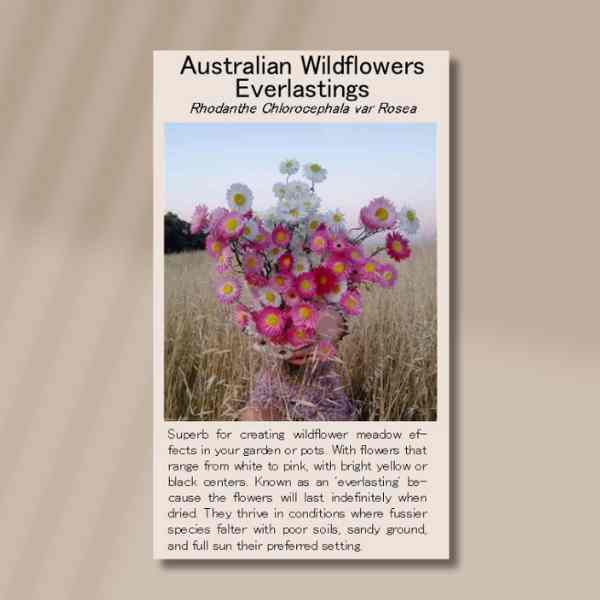
These plants ask for very little. They thrive in conditions where fussier species falter and poor soils, sandy ground, and full sun are their preferred setting. Their roots are adapted to store what little moisture the land offers, allowing them to endure long stretches without rain. They are the kind of plant that turns “wasteland” into wonder, flowering where little else will take hold. It is this toughness that has made them a staple of wildflower meadows across Western Australia and beyond, where they have painted whole landscapes in pinks and whites that draw travelers from around the world.
Their blossoms, rich with nectar, are alive with pollinators through the warmer months. Bees hum purposefully among the flowers, butterflies dart and glide, and countless native insects find refuge in their petals. In supporting this community of pollinators, Everlastings contribute directly to biodiversity and the health of the wider garden.
As the season progresses and the fresh blooms give way to seed heads, the generosity of these plants continues. Birds, particularly small native species, are quick to visit, feeding on the seeds that remain standing above the soil. In this way, Everlastings extend their usefulness well beyond their peak flowering months, providing food and shelter at a time of year when other resources are scarce.
With water restrictions becoming more common and summers often stretching hotter and drier, the need for water-wise plants is pressing. Once sown, they will return a show of colour that defies drought and requires little intervention. Their deep resilience also means they contribute to soil health, with their presence helping to stabilise ground that might otherwise be prone to erosion. In areas where soils are degraded, they can act as pioneer plants, slowly improving conditions and encouraging the return of life to bare patches. They are not only beautiful—they are practical partners in the work of caring for land.
There is also something undeniably poetic about Everlastings. To see them sway in the warm air of late spring is to be reminded of endurance in the face of hardship. Where some plants demand attention, fertiliser, and constant watering, these daisies thrive on very little. Their beauty lies not in fragility but in strength. In this way, they offer gardeners a lesson: that colour, joy, and abundance do not always require endless effort or ideal conditions. Sometimes, it is the plants that demand the least that give the most.
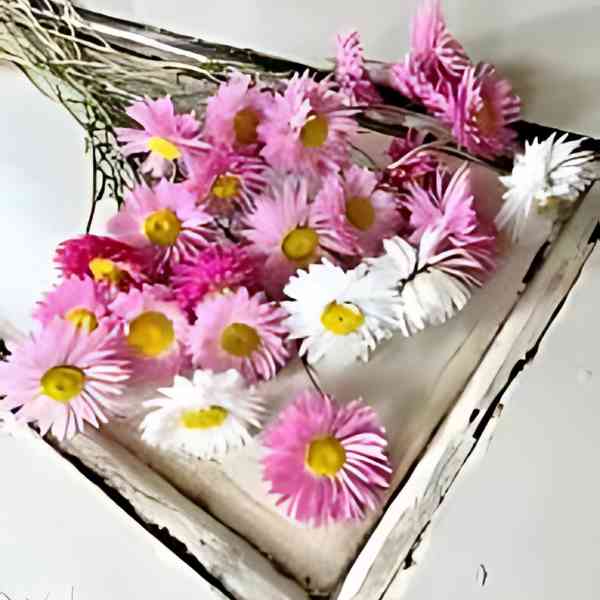
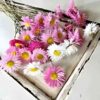
For those who enjoy the artistry of flower arranging, Everlastings are a gift. Their texture, their durability, and their palette of colours make them versatile in both fresh and dried displays. Mixed with other native flowers, they create arrangements that are distinctly Australian in character, bold yet delicate, earthy yet refined. Unlike most cut flowers that fade within days, Everlastings keep their form, making them invaluable for anyone who wants their efforts in arranging to last longer than a week.
Coverage Guide for 3000 Everlasting Daisy Seeds
-
Dense planting (carpet of colour): covers 8–10 m²
-
Light scatter (meadow-style effect): covers 15–20 m²
-
Containers: 3000 seeds will generously sow around 10–15 medium pots (20–25 cm across), or 5–6 large tubs/planters. A lighter hand with sowing can stretch further.
???? Recommendation: For containers, sprinkle seeds thinly across the surface rather than crowding them. This gives each plant room to flourish and ensures a steady display of blooms right through the season.
🌼 Everlastings Grow Guide
🌱 Overview
Everlastings are bright, papery flowering plants grown for their daisy-like blooms, long-lasting colour, pollinator value, and excellent use as dried flowers. They are often called paper daisies because the petals have a crisp, straw-like texture that holds its shape beautifully after picking. Flowers may appear in shades of white, pink, yellow, orange, bronze, red, purple, and soft mixed tones, depending on the seed blend.
These flowers are ideal for wildflower-style beds, cottage gardens, borders, rockeries, pots, dry garden edges, cut flower patches, and pollinator plantings. They are especially valued because they bring a natural meadow look while also producing flowers that can be dried and kept for arrangements, wreaths, craft projects, and long-lasting indoor colour.
Everlastings are generally easy from seed, but they need light, good drainage, gentle watering, and open airflow. The seed is often fine, so shallow sowing is important. They dislike soggy soil and usually perform best in a bright, open position where they are not crowded by larger plants.
🌾 Sowing in Trays Versus Direct Sowing
Everlastings can be grown by direct sowing or by sowing in trays, and both methods are useful. The best method depends on the style of planting you want.
For large natural displays, direct sowing is usually the best method. Everlastings look beautiful when scattered through an open bed, and direct sowing allows seedlings to settle where they germinate without transplant stress. To direct sow, prepare a fine, weed-free soil surface. Scatter the seed thinly, press it gently into the soil, and cover only very lightly with fine soil, sand, or seed-raising mix. The seed should sit close to the surface. Water with a soft spray so the seed is not washed away.
Tray sowing is better when seed is limited, pests are a problem, or you want more control over spacing. Fill a punnet or cell tray with fine, free-draining seed-raising mix. Moisten the mix first, sprinkle the seed thinly over the surface, and cover with only a very light dusting of fine mix or vermiculite, about 1 to 2 mm deep. Water with a mister or from below. Once seedlings are sturdy and easy to handle, transplant them gently before they become crowded.
Best method: direct sowing is recommended for broad garden displays and wildflower-style plantings. Tray sowing is recommended for small gardens, pots, limited seed, or areas with heavy pest pressure.
💧 Seed Pretreatment
Everlasting seed generally does not require pretreatment. No soaking, scarifying, chilling, or smoke treatment is normally needed.
Because the seed is often small and light, soaking is not recommended. Wet seed can clump together, making it hard to sow evenly. The most important steps are using fresh seed, sowing very shallowly, keeping the surface lightly moist during germination, and avoiding rough watering.
Poor germination is usually caused by old seed, seed being buried too deeply, the soil surface drying out, seed washing away, or the seedbed becoming too wet and compacted.
🪴 Soil and Position
Everlastings grow best in full sun. Strong light encourages compact growth, sturdy stems, better flowering, and richer colour. Plants grown in too much shade may become stretched, weak, and less productive.
The soil should be well drained and not overly rich. Sandy loam, light loam, raised beds, gravelly soil, and open garden soil are ideal. Everlastings can tolerate leaner soils better than many bedding flowers, but they will struggle in heavy, wet ground.
If the soil is clay-based or holds water, grow everlastings in a raised bed, mound, or container. Good drainage is more important than heavy feeding. Too much fertiliser, especially high-nitrogen fertiliser, can lead to leafy plants with fewer flowers.
For pots, use a quality potting mix with added coarse sand, perlite, or fine gravel to improve drainage. Choose containers with drainage holes and avoid leaving pots sitting in water.
🌿 Care and Maintenance
Everlastings are low maintenance once established. Keep seedlings lightly moist while they are young, then water more deeply but less often as plants mature. They prefer steady moisture during early growth, but they do not like constantly wet soil.
Water at the base where possible. Overhead watering can flatten young seedlings, splash soil onto leaves, and increase fungal problems in crowded plantings.
Thin seedlings early if direct sown too thickly. Crowded plants may produce smaller flowers, weaker stems, and more disease. Good spacing allows airflow and helps each plant branch naturally.
Feeding should be light. A small amount of compost before sowing is usually enough. If plants are in pots or looking weak, use a mild flower fertiliser at low strength. Avoid rich manure or strong nitrogen feeds.
Deadheading spent flowers can extend blooming, but leave some of the best flowers to mature if you want to save seed. For dried flower production, harvest regularly while blooms are fresh and well formed. Regular picking encourages the plant to keep producing.
Tall forms may need light support in windy areas. A few twiggy branches, low flower netting, or discreet stakes can prevent plants from leaning or snapping.
🌼 Companion Planting Guide
Everlastings are excellent companions for plants that enjoy sun, drainage, and open airflow. Their flowers attract bees, hoverflies, butterflies, and other beneficial insects, making them useful near vegetables, herbs, and fruiting crops.
Good companions include alyssum, calendula, cornflower, cosmos, zinnia, marigold, Swan River daisy, Livingstone daisy, lavender, thyme, oregano, rosemary, salvia, yarrow, basil, parsley, dill, coriander, tomatoes, capsicum, eggplant, beans, peas, and strawberries.
They are especially effective along vegetable bed edges, where they add colour while attracting helpful insects. In flower beds, they combine beautifully with other daisy-shaped blooms and soft grasses.
Avoid planting everlastings beside large, vigorous, or sprawling plants that will shade and smother them. Pumpkins, melons, dense shrubs, and vigorous sweet potato vines can overwhelm young plants. Also avoid wet boggy areas or heavily irrigated beds, as everlastings prefer drainage and airflow.
✂️ How to Harvest
Everlastings are excellent for fresh picking, dried flowers, craft use, wreaths, arrangements, and seed saving.
For fresh flowers, harvest when the blooms are newly open, well coloured, and still firm. Pick in the morning once the plants are dry. Use clean snips and cut stems long enough for arranging. Remove lower leaves before placing stems in water.
For dried flowers, timing is important. Pick flowers when they are partly to fully open but not old, faded, or dropping pollen heavily. Flowers that are harvested too late may become loose, dull, or fragile after drying.
Tie stems into small bunches and hang them upside down in a dry, shaded, airy place. Keep them out of direct sun so the colour lasts longer. Once completely dry, store bunches away from humidity and dust.
For pressed flowers, choose flat, clean, newly opened blooms. Place them between absorbent paper and press under weight until fully dry.
⚠️ Common Issues and Fixes
| Issue | Likely Cause | Fix |
|---|---|---|
| Poor germination | Old seed, deep sowing, dry surface, or rough watering | Use fresh seed, sow very shallowly, press into soil, and mist gently |
| Seedlings collapse | Overwatering, poor airflow, or damping off | Use free-draining mix, avoid soggy soil, and improve ventilation |
| Leggy seedlings | Not enough light or overcrowding | Move to brighter light and thin seedlings early |
| Seedlings disappear | Slugs, snails, ants, birds, or heavy rain | Use trays, barriers, or light protection until plants strengthen |
| Few flowers | Too much shade, excess nitrogen, or overcrowding | Grow in full sun, feed lightly, and improve spacing |
| Weak floppy growth | Rich soil, low light, or crowding | Reduce feeding, increase sun, and thin plants |
| Yellow leaves | Waterlogging, poor drainage, or nutrient stress | Improve drainage, water less often, and feed lightly only if needed |
| Root rot | Soil staying wet for too long | Grow in raised beds, use free-draining mix, and avoid overwatering |
| Powdery mildew | Poor airflow, crowding, or moisture stress | Space plants well, water at soil level, and remove affected leaves |
| Aphids | Soft new growth or stressed plants | Hose off gently, encourage beneficial insects, and avoid overfeeding |
| Flowers fading quickly | Harvested too late, dried in sun, or exposed to humidity | Pick fresh blooms and dry them in shade with airflow |
| Plants stop flowering | Seed heads left to mature or lack of picking | Deadhead regularly or harvest flowers often |
🌰 Detailed Seed Saving Guide
Saving everlasting seed is simple, but the seed can be light and mixed with fluffy chaff, so careful handling is important. Choose the healthiest plants with the best flower colour, strongest stems, compact growth, long flowering period, and good disease resistance. Avoid saving seed from weak, sparse, diseased, or poorly flowering plants.
Leave selected flowers on the plant after blooming. The flower heads will gradually dry and become papery. Seed is ready when the centre of the flower head is dry, mature, and easy to crumble. Do not collect from damp or mouldy heads.
When seed heads are mostly dry, snip them into a paper bag. Do not use plastic, as trapped moisture can cause mould. Place the bag in a dry, shaded, airy place for several days so the heads finish drying completely.
Once fully dry, gently rub the heads between your fingers over a white plate or clean sheet of paper. The seed will be mixed with papery material and fine chaff. Remove larger pieces by hand, then gently blow away the lighter debris or use a fine sieve. Work slowly so the seed is not lost.
Spread the cleaned seed on a plate or tray for another week to ensure it is completely dry. Store it in a labelled paper envelope inside an airtight jar. Keep it somewhere cool, dark, and dry. Add a silica gel sachet if humidity is an issue.
Label the packet with the plant name, flower colour, plant height, collection date, and useful notes such as “best pink flowers”, “strongest stems”, “long-lasting dried blooms”, or “compact border plant”. If several colours are grown together, saved seed may produce a mixed range of shades.
🌼 Final Thoughts
Everlastings are one of the most rewarding flowers to grow from seed because they offer garden colour, pollinator value, cut flowers, dried flowers, and easy seed saving. They suit gardeners who want a natural, cheerful display without complicated care.
For the best results, sow shallowly, use well-drained soil, grow in full sun, avoid heavy feeding, water gently while young, thin crowded seedlings, and harvest flowers before they age on the plant. With simple care, everlastings can provide months of colour in the garden and beautiful dried blooms to enjoy indoors long after picking.
3 reviews for Everlastings

Postage Charge
Orders under $40 attract a $5.50 shipping charge. Orders $35 and above have free shipping.
*** We cannot deliver to Parcel Lockers ***
Order Times
Seed orders are normally dispatched within three business days. You will receive an email when seeds are mailed out.
Postage Days
Seeds are mailed out Tuesday to Friday at 1pm. Except for the Friday of long weekends.
Postage Times
WA 2-3 Days: SA,NT 3-5 Days: NSW, ACT, QLD, VIC: 5-7 Days
Carrier
We use Australia Post Letter Postage for the majority of orders.
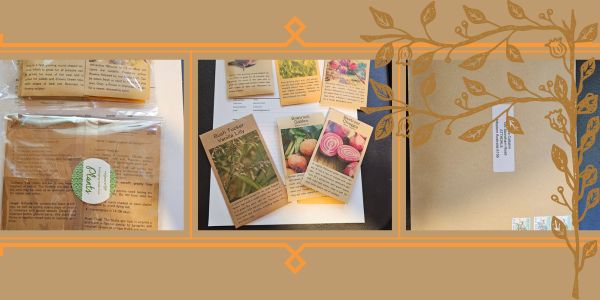
Not only are our seeds packed in recycled paper envelopes, we keep the theme going when we post out website orders. To protect your seeds from moisture and the letter box munchers (snails), we use a very special plastic free material made from plants. They are then put into recycled mailing envelopes. Green all the way ????????
Delivery Guarantee
We take great care to make sure your seeds arrive safely. If your order is lost or damaged in transit, we’ll happily send a replacement. Unfortunately, we can’t replace or refund orders that arrive later than the estimated delivery date, as delays can sometimes occur that are outside our control.
Please note that all dispatch and delivery times listed are estimates only. While we do our best to post promptly, delivery timeframes can vary due to postal service delays, weather events, or other unforeseen circumstances. We’re unable to take responsibility for any loss, damage, or cost that results from a late delivery.
An order is not considered missing until at least 20 business days have passed from the postage date. You’ll receive an email once your seeds have been posted, letting you know they’re on their way. If you don’t see it in your main inbox, please check your Spam or Promotions folders as sometimes our emails like to hide there.

See all our verified customer reviews on our official CusRev profile.
See all our verified customer reviews on our official CusRev profile.
See all our verified customer reviews on our official CusRev profile.