

Fennel Florence
$4.95
Foeniculum Vulgare Dulce
- Seed count 100
- Sweet aniseed/celery flavour
- Perennial
Only 1 left in stock
Description
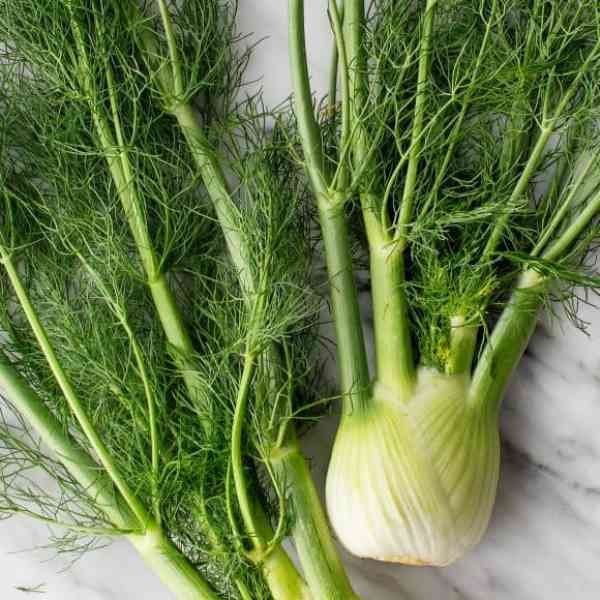
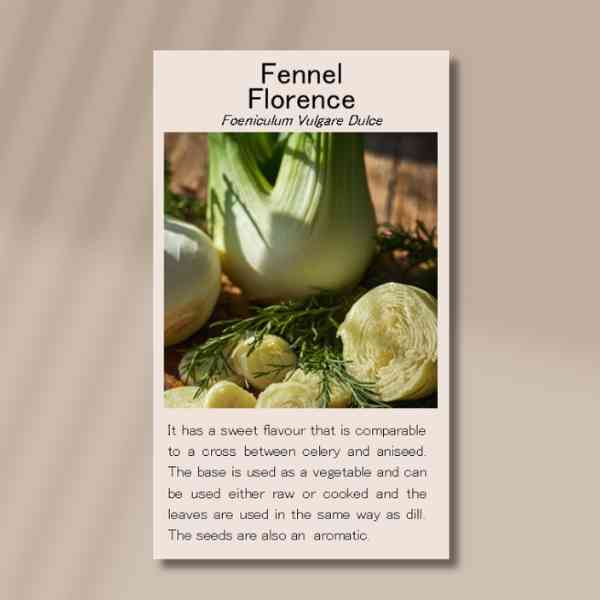
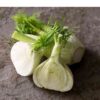
Fennel Florence is prized for its crisp, anise-scented bulb, a versatile addition to the kitchen that’s as rewarding to grow as it is to eat. For gardeners seeking a dual-purpose crop with character, these seeds offer a gateway to a plant that’s both ornamental and edible.
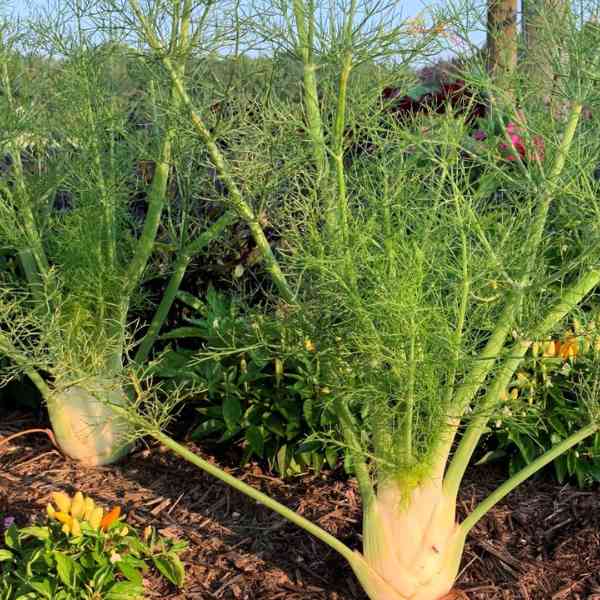
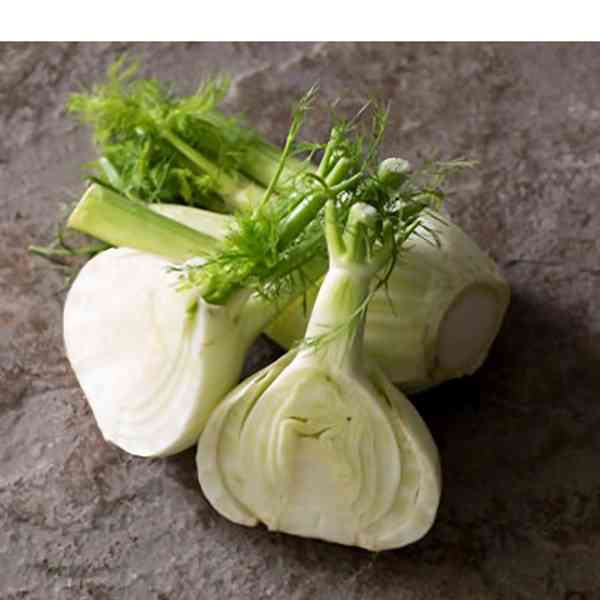
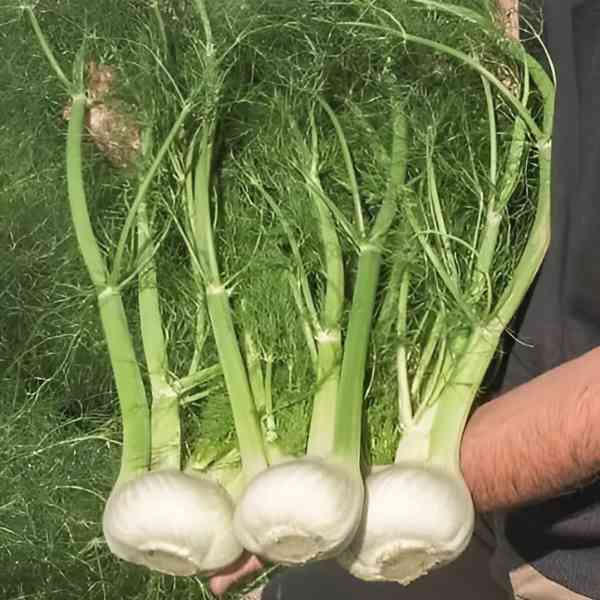
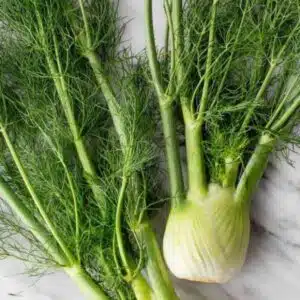
The plant itself a study in elegance. Its feathery, blue-green fronds form a lacy canopy above the swollen, ivory-hued bulb that emerges at the base. While the bulb is the star, crunchy when raw, mellow and sweet when roasted, the fronds and pollen-rich yellow flowers are bonus features. Toss the fronds into salads for a herbal lift, or harvest the flowers to dry as a gourmet spice. Even the seeds, if left to mature, can be collected for culinary use or future sowing.
In the kitchen, Fennel Florence’s adaptability shines. Thinly sliced, it adds a refreshing bite to slaws and citrus salads. Slow-roasted, it caramelises into a tender, aromatic side dish that pairs beautifully with fish, poultry, or roasted vegetables. Its subtle liquorice flavour appeals to even those wary of bold anise notes. Stored whole in the fridge, the bulbs keep for weeks, making them a handy staple.
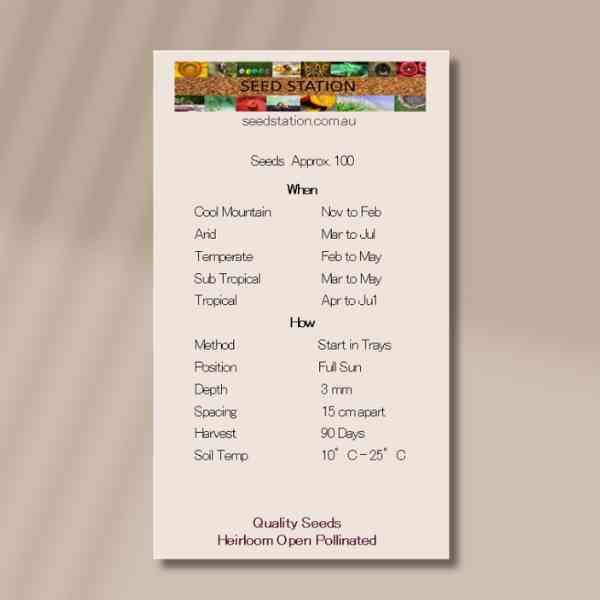
| Method: Sow direct | Soil Temp: 10°C - 25°C |
| Cool Mountain: Nov - Feb | Position: Full sun |
| Arid: Mar - Jul | Row Spacing: 15cm apart |
| Temperate: Feb - May | Planting Depth: 3mm |
| Sub Tropical: Mar - May | Harvest: 90 days |
| Tropical: Apr - Jul | Plant Height: 1.5m |
🌿 Florence Fennel Grow Guide
🌱 Overview
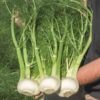
Florence fennel is a beautiful edible vegetable grown for its swollen, crisp, pale stem base, often called a bulb, as well as its feathery leaves and aromatic seeds. It has a sweet anise flavour that becomes mellow and rich when roasted, sautéed, grilled, shaved raw into salads, or added to soups and stews.
This is a rewarding crop, but it can be fussy if stressed. Florence fennel needs steady moisture, fertile soil, full sun, and consistent growth to form a good bulb. Dry soil, root disturbance, overcrowding, or sudden stress can cause plants to become tough, stretched, or quick to flower before the bulb has properly developed.
Florence fennel is best treated as a crop that enjoys calm, even conditions. Give it space, avoid letting it dry out, and harvest before the bulb becomes woody.
🌾 Sowing in Trays Versus Direct Sowing
Florence fennel can be grown in trays or sown directly, but direct sowing is usually the best method. The plant forms a sensitive central root early, and transplant stress can cause poor bulb formation or early flowering. Direct sowing allows the seedling to grow without interruption, which usually produces stronger, smoother bulbs.
To direct sow, prepare a fine, weed-free bed with loose, moist soil. Sow seed about 5 to 10 mm deep, cover lightly, and water gently. Keep the soil evenly moist while seeds germinate. Once seedlings are large enough to handle, thin them carefully so the remaining plants have plenty of room to swell at the base. Do not leave plants crowded, as this leads to small, narrow bulbs.
Tray sowing can still work if done carefully. Use individual cells or small tubes rather than a shared punnet, because this reduces root disturbance. Sow one or two seeds per cell, then thin to the strongest seedling. Transplant while seedlings are still young and compact, before roots circle the pot. Water well before and after planting, and disturb the roots as little as possible.
Best method: direct sowing is recommended for Florence fennel because it reduces transplant shock and gives the best chance of forming large, tender bulbs. Tray sowing is useful only where seedlings need protection from pests or harsh conditions.
💧 Seed Pretreatment
Florence fennel seed does not require pretreatment. No soaking, chilling, scarifying, or smoke treatment is needed. Fresh seed, shallow sowing, and consistent moisture are the most important factors.
A short soak is optional but usually unnecessary. If soaking is used, keep it brief and sow immediately afterward. Do not leave seed soaking for too long, as this can reduce quality and make the seed harder to handle.
🪴 Soil and Position
Florence fennel grows best in fertile, moisture-retentive, well-drained soil. The ideal soil is loose enough for roots to spread, rich enough to support leafy growth, and steady enough to prevent the plant from drying out. Before sowing, improve the bed with compost, aged manure, or well-rotted organic matter.
The soil should hold moisture but not become waterlogged. Sandy soil may need extra compost and mulch to stop it drying too quickly. Heavy clay should be loosened and improved so water drains freely.
Choose a position in full sun with good airflow. Light shade can help reduce stress in hot, bright conditions, but too much shade may produce weak, leafy plants with smaller bulbs.
Avoid planting Florence fennel in poor, dry, compacted, or freshly disturbed soil that has not settled. It performs best when growth is smooth and uninterrupted.
🌿 Care and Maintenance
Florence fennel needs consistent care from seedling stage through to harvest. The most important job is watering. Keep the soil evenly moist, especially once the bulb begins to swell. If plants dry out, the bulb may become tough, small, or stringy, and the plant may flower early.
Mulch around plants once seedlings are established. Use straw, sugarcane mulch, composted leaves, or fine bark. Keep mulch slightly away from the base so the crown does not stay too wet. Mulch helps keep the root zone cool and reduces moisture swings.
Thin seedlings early. Crowded plants compete strongly and rarely form good bulbs. Give each plant enough space for airflow and swelling. When thinning, snip unwanted seedlings at soil level rather than pulling them, as pulling can disturb nearby roots.
Feed moderately and regularly. Florence fennel enjoys fertile soil, but too much nitrogen can produce leafy growth without a firm bulb. Compost, worm castings, seaweed solution, or a balanced vegetable fertiliser can be used to support steady growth.
As the bulb begins to enlarge, soil can be gently drawn around the base to help blanch it. Do this lightly and carefully, without burying the growing centre. Blanching helps keep the bulb pale, tender, and mild.
Remove weeds early, as Florence fennel dislikes competition. Avoid deep hoeing close to the plant because root disturbance can stress it.
🌼 Companion Planting Guide
Florence fennel is a little more complicated than many vegetables because mature plants can inhibit the growth of some nearby crops. For this reason, it is often best grown in its own small section rather than mixed tightly through vegetable beds.
Good companions include dill, calendula, alyssum, nasturtium, marigold, coriander, parsley, chamomile, yarrow, lettuce, endive, and other leafy greens kept at a respectful distance. Flowering companions can attract hoverflies, lacewings, bees, and parasitic wasps.
Low-growing greens can be useful nearby while fennel is young, but they should not crowd the bulbs. Keep the area around each fennel plant open.
Avoid planting Florence fennel too close to beans, peas, tomatoes, capsicum, eggplant, carrots, and coriander grown for leaf production, as fennel may compete with or suppress some neighbouring plants. It is usually safest to give fennel its own bed edge, pot, or dedicated patch.
✂️ How to Harvest
Florence fennel is ready to harvest when the bulb is swollen, firm, and large enough to use, but before it becomes woody or sends up a flower stem. The best bulbs are crisp, pale, and tightly layered.
To harvest, hold the bulb steady and cut it at soil level with a sharp knife. The roots can remain in the soil to break down. Trim off the feathery tops, but keep some fronds for cooking, garnish, or flavouring.
Small bulbs are often more tender than oversized ones. Do not wait too long, because mature bulbs can become fibrous. If a flower stalk begins to rise from the centre, harvest promptly.
The bulb can be eaten raw or cooked. The leafy fronds are excellent with fish, potatoes, salads, dressings, and soups. Stems can be sliced into stocks or roasted with the bulb.
⚠️ Common Issues and Fixes
| Issue | Likely Cause | Fix |
|---|---|---|
| Poor germination | Old seed, dry soil, or seed buried too deeply | Use fresh seed, sow shallowly, and keep soil evenly moist |
| Seedlings disappear | Slugs, snails, birds, or ants | Protect young seedlings with barriers, netting, or collars |
| Plants bolt early | Heat stress, dry soil, overcrowding, or transplant shock | Direct sow, water consistently, thin early, and avoid root disturbance |
| Small bulbs | Crowding, poor fertility, or uneven moisture | Space plants properly, enrich soil, and water deeply |
| Bulbs become tough | Plant left too long or exposed to stress | Harvest while firm and tender, before flower stems form |
| Lots of leaves but no bulb | Too much nitrogen, shade, or overcrowding | Reduce high-nitrogen feeding, provide more sun, and thin plants |
| Yellowing leaves | Waterlogging, nutrient deficiency, or root stress | Improve drainage, feed lightly, and water evenly |
| Aphids | Soft new growth or stressed plants | Hose off pests, encourage beneficial insects, and remove badly affected tips |
| Caterpillar damage | Chewing larvae feeding on foliage | Inspect leaves regularly and remove caterpillars by hand |
| Bulb splitting | Irregular watering after dry periods | Keep soil moisture steady and mulch well |
| Plants leaning over | Shallow roots, wind exposure, or loose soil | Firm soil gently, water deeply, and provide light support if needed |
🌰 Detailed Seed Saving Guide
Saving seed from Florence fennel is simple, but it requires allowing selected plants to flower instead of harvesting the bulb. Choose the healthiest plants with strong growth, good bulb shape, fine flavour, and no signs of disease or early stress. Do not save seed from plants that bolted too quickly, formed poor bulbs, or struggled badly, as those traits may appear again.
Let selected plants continue growing until they send up tall flower stems. The flowers form in umbrella-shaped clusters and attract many beneficial insects. Once flowering finishes, seed heads will begin to form and dry.
Allow the seed heads to mature on the plant until they turn brown and dry. Watch them closely, because fully dry seed can drop. To prevent loss, place paper bags over the seed heads once they begin drying, or cut the heads when most seed has turned brown and finish drying them indoors.
Cut seed heads with a section of stem attached and place them upside down in a paper bag. Keep the bag in a dry, shaded, airy place until the seed is fully crisp. Once dry, rub the seed heads gently between your hands to release the seeds.
Tip the contents onto a tray or large plate. Remove stems and large chaff by hand. Smaller chaff can be separated by gentle blowing or sieving. Work slowly, as fennel seed is light and can scatter easily.
Dry the cleaned seed for another week before storing. Place it in a labelled paper envelope inside an airtight jar. Store it somewhere cool, dark, and dry. Label with the plant name, bulb quality, flavour notes, and collection date.
Florence fennel can cross with other fennel types if they flower nearby at the same time. To keep seed true to the plant you selected, avoid saving seed from mixed fennel plantings unless you are happy with variation in the next generation.
🌿 Final Thoughts
Florence fennel is a delicious and elegant vegetable, but it rewards steady care more than neglect. The keys to success are direct sowing, fertile soil, full sun, early thinning, even moisture, and minimal root disturbance.
Give each plant space, keep growth consistent, and harvest while the bulb is still firm and tender. With the right care, Florence fennel provides crisp bulbs, fragrant fronds, edible stems, pollinator-friendly flowers, and useful seed for the kitchen or future planting.
1 review for Fennel Florence

Postage Charge
Orders under $40 attract a $5.50 shipping charge. Orders $35 and above have free shipping.
*** We cannot deliver to Parcel Lockers ***
Order Times
Seed orders are normally dispatched within three business days. You will receive an email when seeds are mailed out.
Postage Days
Seeds are mailed out Tuesday to Friday at 1pm. Except for the Friday of long weekends.
Postage Times
WA 2-3 Days: SA,NT 3-5 Days: NSW, ACT, QLD, VIC: 5-7 Days
Carrier
We use Australia Post Letter Postage for the majority of orders.
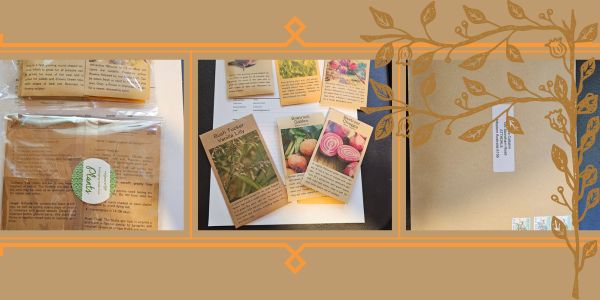
Not only are our seeds packed in recycled paper envelopes, we keep the theme going when we post out website orders. To protect your seeds from moisture and the letter box munchers (snails), we use a very special plastic free material made from plants. They are then put into recycled mailing envelopes. Green all the way ????????
Delivery Guarantee
We take great care to make sure your seeds arrive safely. If your order is lost or damaged in transit, we’ll happily send a replacement. Unfortunately, we can’t replace or refund orders that arrive later than the estimated delivery date, as delays can sometimes occur that are outside our control.
Please note that all dispatch and delivery times listed are estimates only. While we do our best to post promptly, delivery timeframes can vary due to postal service delays, weather events, or other unforeseen circumstances. We’re unable to take responsibility for any loss, damage, or cost that results from a late delivery.
An order is not considered missing until at least 20 business days have passed from the postage date. You’ll receive an email once your seeds have been posted, letting you know they’re on their way. If you don’t see it in your main inbox, please check your Spam or Promotions folders as sometimes our emails like to hide there.
See all our verified customer reviews on our official CusRev profile.