



Marshmallow
$4.95
Althea Officianalis
- Seed Count 100
- Whole Plant Edible
- Perennial
In stock
Description
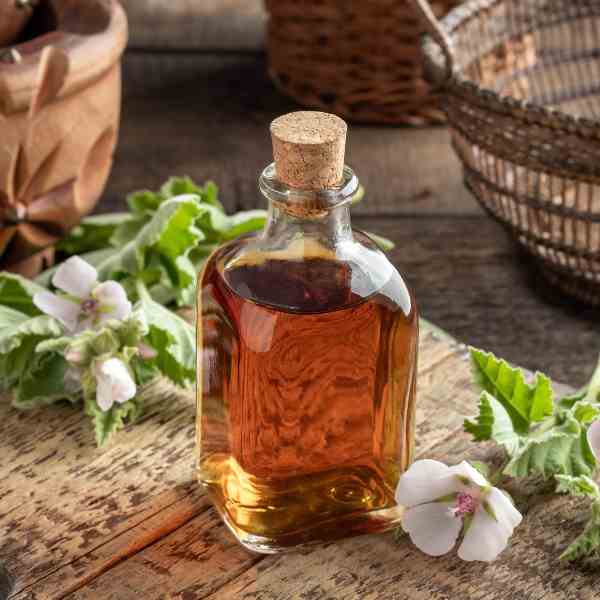
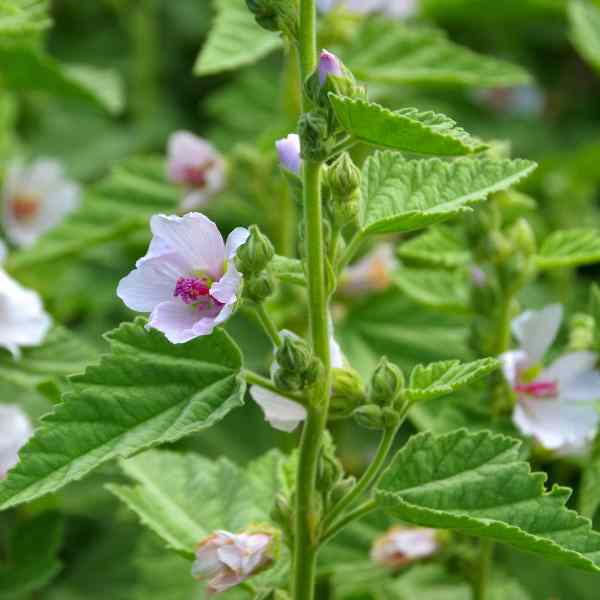
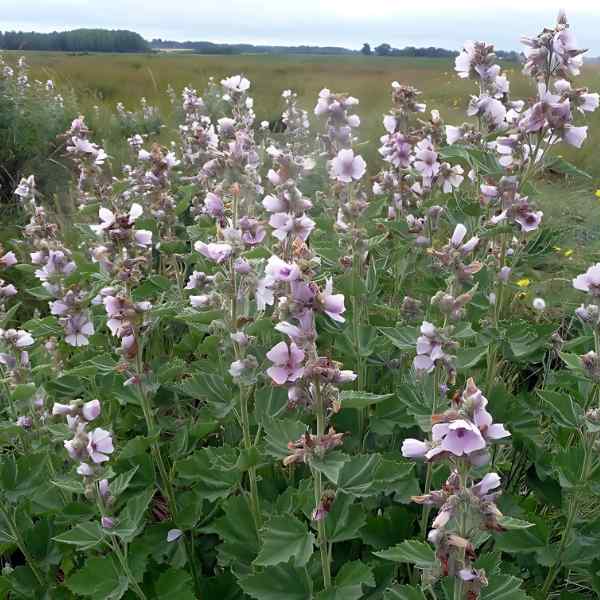
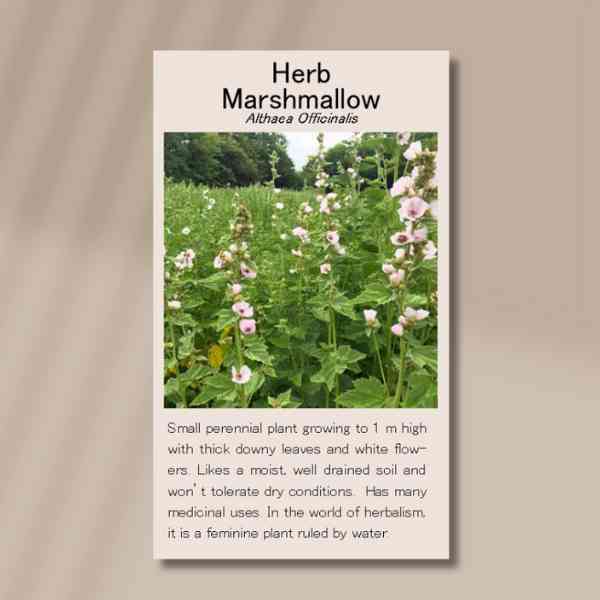
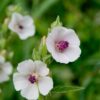
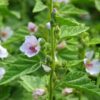
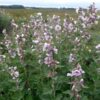
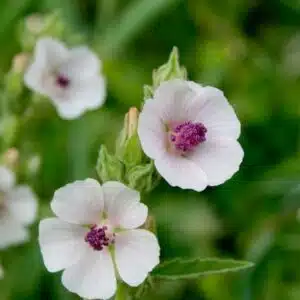
Marshmallow has held a place in herbal gardens for centuries. It is a perennial that reaches about one metre in height, sturdy and soft at the same time. The stems carry thick, downy leaves that feel almost velvety when brushed with the back of your hand, and during the warmer months it lifts a scattering of white flowers that look simple yet elegant. Nothing flashy, just a gentle beauty that works well in a cottage patch or tucked into the corners of a medicinal herb bed.
It has a liking for moist, well drained soil and it will not handle harsh, dry conditions. Marshmallow likes the soil to stay comfortably damp without becoming boggy, and once you give it that, the plant rewards you with strong, healthy growth.
The usefulness of this herb is well known. Marshmallow root has been part of traditional medicine for a very long time, and for good reason. The whole plant contains mucilage, a gentle, soothing substance that supports the body when the mucous membranes need a little care. In herbal traditions, Marshmallow is also thought of as a feminine plant with an affinity for the water element.
One of the nicest things about Marshmallow is that every part of the plant is edible. The roots, stems, leaves, flowers and even the fruits can be eaten. The flavour is mild with a slightly nutty note, nothing sharp or overpowering. You can enjoy the young leaves in salads or use the flowers as a gentle garnish.
Long before the modern sweet treat was made with sugar and gelatin, people used the mucilaginous root of the Marshmallow plant to create an early version of the confection. It had a soft, comforting texture and a subtle earthiness. These days you can find several recipes online that walk you through how to craft marshmallows at home using the root.
Beyond all its medicinal and culinary uses, Marshmallow earns its place in the garden purely on looks. It has an easy going structure that blends well with other soft textured plants. The pale leaves stand out on overcast days, and the flowers brighten a border without taking over. It fits beautifully into cottage gardens, apothecary style beds or any area where you want height without heaviness. Because the plant reaches around a metre tall, it provides a nice middle layer between low herbs and taller shrubs. It also attracts a steady trickle of pollinators, which is always welcome in a productive garden.
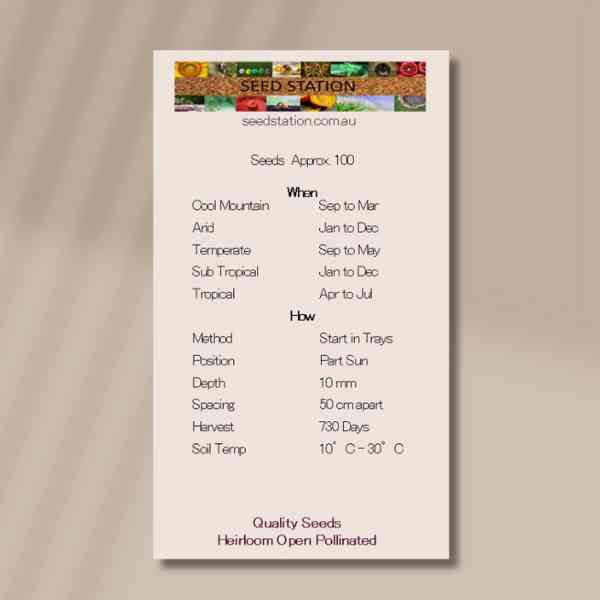
| Method: Sow direct or seedlings | Soil Temp: 10°C - 30°C |
| Cool Mountain: Sep - Mar | Position: Part sun |
| Arid: Jan - Dec | Row Spacing: 50 cm |
| Temperate: Sep - May | Planting Depth: 10 mm |
| Sub Tropical: Jan - Dec | Harvest: 730 Days |
| Tropical: Apr - Jul | Plant Height: 1 m |
🌸 Marshmallow Grow Guide
🌱 Overview
Marshmallow is a hardy, old-fashioned perennial herb grown for its soft foliage, pale flowers, deep roots, and traditional garden value. It has an upright habit and can become a handsome feature in herb gardens, cottage gardens, pollinator beds, damp garden edges, and naturalistic plantings. The flowers are attractive to bees and other beneficial insects, while the leaves and roots have a long history of household use.
This plant is generally easy to grow once established. It prefers a sunny position with moisture-retentive soil and is more tolerant of damp ground than many common herbs. Unlike Mediterranean herbs that prefer dry, lean soil, marshmallow grows best where the soil does not dry out completely. It can become quite tall, so it should be placed where it has enough room and will not shade smaller plants.
🌱 Sowing in Trays Versus Direct Sowing
Marshmallow can be grown from seed either in trays or by direct sowing, but sowing in trays is usually the best method. The seed can germinate unevenly, and young seedlings are easier to manage when started in a controlled seed raising mix. Tray sowing also helps protect seedlings from slugs, snails, weeds, heavy rain, and drying soil.
To sow in trays, fill small pots or seed trays with a free-draining seed raising mix. Sow the seed shallowly and cover it lightly with fine mix or vermiculite. Water gently so the seed is not washed away, then keep the mix evenly moist but not soggy. Place the tray in bright light and maintain steady moisture until seedlings appear.
Once seedlings have several true leaves and are large enough to handle, move them into individual pots. Grow them on until they are sturdy, then harden them off before planting into their final position. Handle young plants carefully and avoid letting the roots dry out.
Direct sowing can work in a well-prepared bed, especially where the soil is fine, moist, and weed-free. Sow shallowly, cover lightly, and keep the bed evenly moist. The main drawback is that small seedlings can be slow to establish and may be difficult to distinguish from weeds.
For most home gardeners, tray sowing is the more reliable option, especially when seed quantity is limited or garden conditions are unpredictable.
🌾 Seed Pre-Treatment
Marshmallow seed may germinate without treatment, but a short period of cold, moist treatment can improve germination, especially if seed is older or slow to sprout. This can be done by mixing the seed with slightly damp seed raising mix or vermiculite, sealing it in a labelled bag or container, and placing it in the fridge for several weeks before sowing.
Another simple option is to sow the seed into trays and leave them in a cool, sheltered outdoor position so natural temperature changes help soften dormancy. Keep the mix lightly moist during this process.
Soaking the seed in room-temperature water for several hours before sowing may also help soften the seed coat, but cold, moist treatment is generally more useful when germination is stubborn. No smoke treatment is required.
🌞 Soil and Position
Marshmallow grows best in a sunny to lightly shaded position. Full sun encourages strong upright growth and good flowering, while light afternoon shade can be helpful in hot or drying gardens. Too much shade may lead to weak, stretched stems and fewer flowers.
The soil should be fertile, moisture-retentive, and well-draining. Marshmallow naturally suits soils that stay reasonably moist, but it should not sit in stagnant, sour, waterlogged ground for long periods. A loamy soil enriched with compost is ideal.
Before planting, improve the soil with compost or well-rotted organic matter. This helps hold moisture, supports root development, and feeds steady perennial growth. In sandy soil, add plenty of organic matter to improve water retention. In heavy clay, improve structure with compost and consider planting on a slight mound if drainage is poor.
Marshmallow can also be grown in large containers, but it needs depth for its roots and regular watering. Choose a generous pot with drainage holes and use a quality potting mix blended with compost. Small pots are not ideal for long-term growth because the plant forms a substantial root system.
💧 Care and Maintenance
Water marshmallow regularly while it is establishing. Once established, it is fairly resilient, but it performs best when the soil remains consistently moist. Avoid allowing young plants to dry out completely, as this can slow growth and weaken establishment.
Mulch around the base with straw, leaf mould, compost, or another organic mulch to conserve moisture and suppress weeds. Keep mulch slightly away from the crown to reduce the risk of rot.
Feed lightly in active growth with compost, aged manure, or a gentle organic fertiliser. Heavy feeding is not usually necessary, but poor soil may lead to weak growth and smaller plants. A yearly top-dressing of compost is usually enough in a well-prepared bed.
Marshmallow can grow tall, so plants may need support in windy sites. Staking or planting near other sturdy perennials can help keep stems upright. Cut back damaged, weak, or spent stems to keep the plant tidy.
After flowering, seed heads can be left for seed saving or cut back to reduce self-sowing. At the end of the growing cycle, old stems can be cut down once they have browned and finished feeding the roots. The plant will regrow from the crown when conditions suit.
🌼 Companion Planting Guide
Marshmallow grows well with plants that appreciate moisture-retentive soil and do not mind a taller perennial nearby. Good companions include calendula, chamomile, lemon balm, echinacea, yarrow, comfrey, bee balm, borage, parsley, and chives.
Calendula, chamomile, borage, yarrow, and echinacea help attract pollinators and beneficial insects. Chives and parsley fit well around the edges of the planting area, provided they are not shaded too heavily. Lemon balm and bee balm enjoy similar moisture and can create a lush herb garden planting. Comfrey can be useful nearby as a dynamic accumulator and mulch plant, but it should be given its own space because it can become large.
Avoid planting marshmallow too close to small sun-loving herbs such as thyme, oregano, and lavender, as these prefer drier soil and may struggle in the richer, moister conditions marshmallow enjoys. Also avoid placing it where its height will shade low-growing vegetables or herbs that need strong sun.
✂️ How to Harvest
Marshmallow can be harvested for leaves, flowers, and roots. Harvest leaves when they are young, clean, and healthy. Pick selectively rather than stripping the plant, so enough foliage remains to support growth. Leaves are best gathered on a dry day after dew has lifted.
Flowers can be picked when freshly opened. Use them promptly or dry them in a shaded, airy place. Spread flowers in a single layer and avoid direct strong sun, which can reduce colour and quality.
Roots are usually harvested from mature plants once they have had time to develop a good root system. Carefully dig around the plant with a fork, loosening the soil before lifting. Wash roots gently, trim away damaged sections, and slice larger roots for drying or processing. If you want the plant to continue growing, harvest only part of the root system from a mature clump and replant the crown with some roots attached.
For drying, spread leaves, flowers, or sliced roots in a warm, shaded, well-ventilated place until fully dry. Store dried material in labelled airtight containers away from heat, light, and moisture.
⚠️ Common Issues and Fixes
| Issue | Likely Cause | Fix |
|---|---|---|
| Poor germination | Dormant seed, old seed, dry mix, sowing too deeply | Use fresh seed, sow shallowly, keep evenly moist, try cold moist treatment |
| Seedlings collapse | Overwatering, poor airflow, contaminated mix | Use clean seed raising mix, water carefully, improve ventilation |
| Slow growth | Poor soil, lack of moisture, cold conditions, root restriction | Enrich soil with compost, water consistently, use a larger pot if container grown |
| Wilting leaves | Dry soil, transplant shock, root damage | Water deeply, mulch, shade briefly after transplanting if needed |
| Yellowing leaves | Waterlogging, nutrient deficiency, compacted soil | Improve drainage, feed lightly with compost, loosen soil around planting area |
| Leaf spots | Humid conditions, poor airflow, overhead watering | Space plants well, remove affected leaves, water at soil level |
| Rust-like markings | Fungal disease encouraged by damp foliage | Remove affected foliage, improve airflow, avoid wetting leaves |
| Aphids | Soft new growth attracting sap-sucking insects | Spray off with water, encourage ladybirds and lacewings, prune crowded growth |
| Slug or snail damage | Damp sheltered conditions around young plants | Protect seedlings, remove hiding places, use traps or barriers |
| Plants falling over | Wind exposure, tall soft growth, overcrowding | Stake plants, improve spacing, avoid excessive feeding |
🌰 Detailed Seed Saving Guide
To save marshmallow seed, choose healthy, vigorous plants with strong stems, good flowering, and no major disease issues. Let some flowers remain on the plant after blooming so they can form seed.
As the flowers fade, rounded seed structures develop. Allow these seed heads to mature and dry on the plant as much as possible. They are ready when they turn brown, papery, and dry. If wet weather threatens, cut the stems when the seed heads are mostly mature and finish drying them indoors in a paper bag or on a tray.
Once fully dry, gently rub the seed heads between your fingers over a clean bowl, tray, or sheet of paper. The seeds should separate from the dry material. Remove chaff by hand, with a sieve, or by lightly blowing away the finer debris.
Spread the cleaned seed in a dry, shaded, airy place for several more days to ensure no moisture remains. This final drying step helps prevent mould in storage.
Store the seed in a labelled paper envelope or airtight container. Include the plant name and collection date. Keep it in a cool, dark, dry place. Moisture and heat reduce seed life, so avoid humid cupboards, hot sheds, and sunny windowsills.
For stronger future plants, save seed from more than one healthy plant where possible. This helps preserve vigour and gives a broader selection of seedlings. Some variation between seedlings is normal, especially in open-pollinated garden settings.
🌻 Final Thoughts
Marshmallow is a beautiful and useful perennial herb with soft foliage, gentle flowers, and a strong traditional place in the garden. It is best started in trays because germination can be uneven and seedlings benefit from protection while young.
Give marshmallow a sunny to lightly shaded position, fertile moisture-retentive soil, and enough room to grow into a tall, graceful plant. With steady water, mulch, and simple seasonal care, it can become a long-lived feature in herb gardens, pollinator plantings, and productive cottage-style beds.
4 reviews for Marshmallow

Postage Charge
Orders under $40 attract a $5.50 shipping charge. Orders $35 and above have free shipping.
*** We cannot deliver to Parcel Lockers ***
Order Times
Seed orders are normally dispatched within three business days. You will receive an email when seeds are mailed out.
Postage Days
Seeds are mailed out Tuesday to Friday at 1pm. Except for the Friday of long weekends.
Postage Times
WA 2-3 Days: SA,NT 3-5 Days: NSW, ACT, QLD, VIC: 5-7 Days
Carrier
We use Australia Post Letter Postage for the majority of orders.
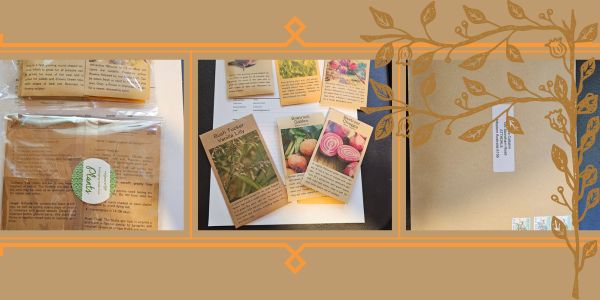
Not only are our seeds packed in recycled paper envelopes, we keep the theme going when we post out website orders. To protect your seeds from moisture and the letter box munchers (snails), we use a very special plastic free material made from plants. They are then put into recycled mailing envelopes. Green all the way ????????
Delivery Guarantee
We take great care to make sure your seeds arrive safely. If your order is lost or damaged in transit, we’ll happily send a replacement. Unfortunately, we can’t replace or refund orders that arrive later than the estimated delivery date, as delays can sometimes occur that are outside our control.
Please note that all dispatch and delivery times listed are estimates only. While we do our best to post promptly, delivery timeframes can vary due to postal service delays, weather events, or other unforeseen circumstances. We’re unable to take responsibility for any loss, damage, or cost that results from a late delivery.
An order is not considered missing until at least 20 business days have passed from the postage date. You’ll receive an email once your seeds have been posted, letting you know they’re on their way. If you don’t see it in your main inbox, please check your Spam or Promotions folders as sometimes our emails like to hide there.
See all our verified customer reviews on our official CusRev profile.
See all our verified customer reviews on our official CusRev profile.
I had these seeds cold stratifying in the fridge and they started sprouting in there. I’ve planted them and they are growing.
See all our verified customer reviews on our official CusRev profile.
Hi Jacqueline, good stuff. Cold stratification is such a useful technique to have in one’s arsenal.
See all our verified customer reviews on our official CusRev profile.
Haven’t planted this as I’m moving house
See all our verified customer reviews on our official CusRev profile.