

Agrimonia
$4.95
Agrimonia Eupatoria
- Seed Count 15
- Hardy Plant
- Perennial
Only 4 left in stock
Description
Agrimonia is not only a visually stunning addition to your garden but also a practical plant with a wide range of uses.
Agrimonia has been valued for centuries for its medicinal properties, often used to support digestive health, soothe skin irritations, and promote overall wellness.
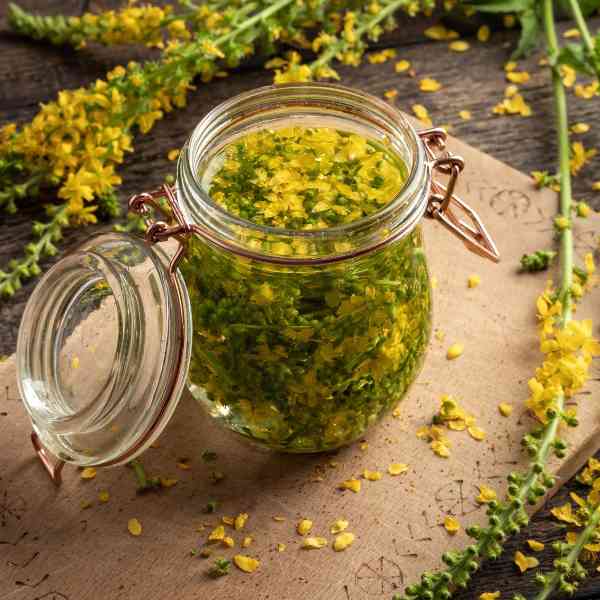
Its leaves and flowers can be dried and brewed into a gentle, soothing herbal tea, making it a must-have for herbal tea enthusiasts.
Beyond its health benefits, Agrimony is a pollinator-friendly plant, attracting bees, butterflies, and other beneficial insects with its bright, nectar-rich blooms.
This hardy perennial is incredibly low-maintenance, thriving in a variety of soil types and requiring minimal care.
Whether you’re a beginner or an experienced gardener, Agrimonia is an easy-to-grow herb that adds both beauty and functionality to your outdoor space.
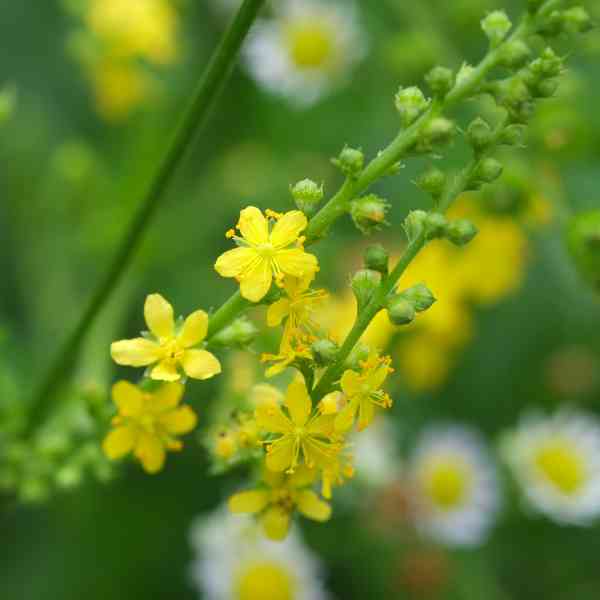
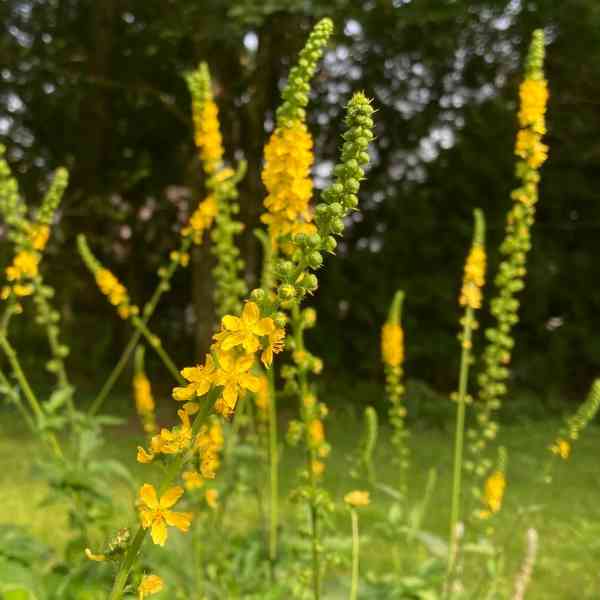
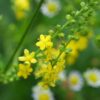
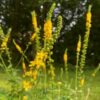
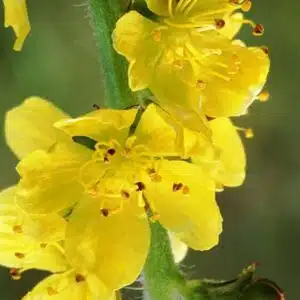
Its tall, elegant stems and cheerful yellow flowers create a wildflower-like aesthetic, perfect for cottage gardens, borders, or naturalized areas.
| Method: Start in trays | Soil Temp: 10°C - 25°C |
| Cool Mountain: Nov - Dec | Position: Full sun |
| Arid: Aug - Jan | Row Spacing: 70 cm |
| Temperate: Sep-Nov, Mar-Jun | Planting Depth: 1 mm |
| Sub Tropical: May - Oct | Harvest: 130 days |
| Tropical: Jun - Aug | Plant Height: 2 m |
🌿 Agrimonia Grow Guide
Agrimonia, commonly known as agrimony, is a hardy perennial herb grown for its upright flower spikes, soft green leaves, wildlife value, and traditional herb garden appeal. It has a graceful, natural look and suits cottage gardens, herb beds, pollinator borders, meadow-style plantings, and mixed perennial gardens.
Once established, agrimonia is generally tough and undemanding. It prefers a garden position where it can grow steadily without being overfed or crowded. The plant produces slender stems of small yellow flowers, followed by burr-like seed heads that can cling to clothing, fur, or garden gloves. This makes seed collection easy if timed well, but it also means the plant can spread if seed heads are left unmanaged.
🌱 Sowing in Trays Versus Direct Sowing
Agrimonia can be direct sown, but sowing in trays is usually the best method. The seed can be slow and uneven to germinate, and tray sowing gives better control over moisture, spacing, and pre-treatment. It also makes it easier to protect young seedlings from weeds, slugs, snails, ants, and drying soil.
To sow in trays, use a fine, free-draining seed-raising mix. Scatter the seed thinly and cover with a light layer of mix, around 2 to 3 mm deep. Water gently with a fine spray and keep the mix lightly moist, not soggy. Agrimonia seed may take time to wake up, so patience is important.
Once seedlings are large enough to handle, pot them on into small individual pots. Grow them until they have a sturdy root system before planting into their final position. Handle young plants gently, as early growth can be delicate.
Direct sowing can work in a prepared, weed-free garden bed. Sow shallowly, firm the soil gently, and water with a fine spray. The main drawback is that germination may be patchy, and small seedlings can be lost among weeds or damaged before they establish.
For most gardeners, tray sowing is preferred because it gives more reliable results and better control over the slow early stage.
🌾 Seed Pre-Treatment
Agrimonia seed often benefits from cold, moist pre-treatment. This helps break natural dormancy and can improve germination, especially when seed is older or has been stored dry.
To pre-treat the seed, place it on a lightly damp paper towel, fold the towel over, and place it in a labelled bag or small container. Keep it in the fridge for about 4 to 8 weeks. The towel should remain slightly moist but never wet. After chilling, sow the seed promptly into trays.
Another option is to sow into trays first, water them lightly, and place the whole tray somewhere cool for the same cold, moist period before moving it into brighter growing conditions.
Do not soak agrimonia seed for long periods. The seed needs moisture and time, but overly wet conditions can cause rot. Cold, moist pre-treatment is recommended for the best chance of even germination.
🌞 Soil and Position
Agrimonia grows best in full sun to light partial shade. A sunny position encourages stronger flowering, while light shade can help plants stay fresh in hotter or more exposed gardens.
The soil should be well-drained, moderately fertile, and slightly moisture-retentive. Agrimonia does not need rich soil, and too much fertiliser can produce soft, leafy growth instead of strong flowering stems. It prefers soil that holds enough moisture for steady growth but does not remain wet around the roots.
Before planting, loosen the soil and mix in a small amount of compost if the ground is poor, sandy, or compacted. If your soil is heavy clay, improve drainage with compost and plant slightly raised. In containers, use a deep pot with drainage holes and a quality free-draining potting mix.
Agrimonia is a perennial, so choose its position thoughtfully. Give it enough room to form a small clump and avoid placing it where the burr-like seed heads will be annoying along narrow paths or high-traffic areas.
💧 Care and Maintenance
Agrimonia is fairly low maintenance once established. Water young plants regularly while they settle in. Mature plants usually cope with short dry spells, but they grow better with occasional deep watering during dry conditions.
Feeding should be light. A thin layer of compost around the plant is usually enough. Avoid heavy nitrogen fertilisers, as these can encourage lush growth that is weaker and less floriferous.
Mulch lightly to reduce weeds and conserve moisture, but keep mulch away from the crown of the plant. Good airflow helps prevent mildew and keeps the foliage healthier.
Deadhead spent flower spikes if you want to limit self-seeding. If you want to save seed, leave selected flower stems to mature fully. Cut back tired stems after flowering to keep the plant tidy and encourage fresh basal growth.
Older clumps may become congested over time. If growth weakens or the centre becomes woody, lift and divide the plant, then replant the strongest outer sections.
🐝 Companion Planting Guide
Agrimonia fits beautifully into herb gardens, pollinator beds, cottage borders, and naturalistic plantings. Its upright flower spikes add light structure without overwhelming neighbouring plants.
Good companions include yarrow, chamomile, thyme, sage, lavender, oregano, calendula, alyssum, cornflower, cosmos, echinacea, marigold, nasturtium, parsley, chives, lettuce, kale, cabbage, carrots, beetroot, and silverbeet.
It works especially well with plants that enjoy good drainage and moderate fertility. Flowering herbs and companion flowers help attract bees, hoverflies, lacewings, and other beneficial insects.
Avoid planting agrimonia beside very vigorous groundcovers or sprawling plants that may smother young growth. Also avoid constantly wet areas, as agrimonia prefers moisture without waterlogging.
✂️ How to Harvest
Harvest agrimonia by cutting healthy leafy stems and flowering tops with clean scissors or snips. Choose fresh, undamaged growth and avoid taking too much from young plants. Once the plant is established, it can handle light regular cutting.
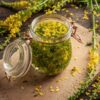
For drying, tie stems into small loose bundles and hang them upside down in a warm, shaded, airy place. You can also dry leaves and flowers on a mesh rack or clean tray. Once fully dry and crisp, strip the leaves and flowers from the stems and store them in an airtight jar away from heat, light, and moisture.
Only harvest from plants that have not been sprayed with unsuitable chemicals. Agrimonia has a long history of traditional use, but do not use it medicinally without qualified advice, especially during pregnancy, breastfeeding, or while taking medication.
⚠️ Common Issues and Fixes
| Issue | Likely Cause | Fix |
|---|---|---|
| Poor germination | Seed dormancy, no cold pre-treatment, old seed | Use cold, moist pre-treatment, sow fresh seed, allow extra time |
| Seed rotting | Mix too wet, poor drainage, overwatering | Use free-draining mix, keep moist but not soggy |
| Patchy seedlings | Uneven dormancy, seed sown too deeply, inconsistent moisture | Sow shallowly, keep moisture steady, do not discard trays too early |
| Seedlings collapse | Overwatering, poor airflow, fungal disease | Improve ventilation, water less often, use clean seed mix |
| Leggy seedlings | Not enough light or overcrowding | Move to brighter light and thin or pot on early |
| Slow growth | Poor light, compacted soil, root restriction | Improve soil, provide good light, pot on before root-bound |
| Few flowers | Too much shade, too much nitrogen, overcrowding | Increase light, reduce feeding, divide crowded clumps |
| Yellowing leaves | Waterlogging, nutrient stress, old lower growth | Improve drainage, feed lightly, remove tired leaves |
| Powdery mildew | Poor airflow, crowded plants, dry roots with humid air | Space plants well, water at soil level, remove affected foliage |
| Aphids | Soft new growth attracting sap-sucking insects | Hose off gently, prune affected tips, encourage beneficial insects |
| Slug or snail damage | Tender seedlings exposed | Protect young plants, check at night, use barriers |
| Plant becomes untidy | Old flower stems left too long | Cut back spent stems and refresh with light pruning |
| Unwanted self-seeding | Burr-like seed heads left to mature and drop | Deadhead early or collect seed heads before they fall |
🌰 Detailed Seed Saving Guide
Saving agrimonia seed is straightforward once the plant is mature enough to flower and set seed. Choose strong, healthy plants with good upright growth, clean foliage, and plenty of flowers. Avoid saving seed from weak, diseased, or mildew-prone plants.
Allow selected flower spikes to remain on the plant after flowering. The flowers will fade and small burr-like seed heads will form along the stems. These seed heads are ready to collect when they become dry, firm, and brownish.
Wear gloves when collecting seed heads, as the burrs can cling to fabric and feel scratchy. Cut whole seed stems and place them into a paper bag. Label the bag immediately. Keep it in a dry, shaded, airy place for one to two weeks so the seed heads finish drying.
Once dry, rub the seed heads gently over a clean tray or sheet of paper. Separate the seed from the dry plant material as best you can. Some chaff is normal and not a major problem, but remove large stem pieces and damaged material.
Spread the cleaned seed on paper for several more days to make sure it is completely dry. Store it in a labelled paper envelope or small airtight jar. Include the plant name, flower colour if useful, and collection date. Keep the seed in a cool, dark, dry place.
For better future plants, save seed from several healthy plants rather than only one. This helps maintain vigour and gives you a stronger selection of seedlings.
🌿 Final Thoughts
Agrimonia is a graceful, hardy herb that brings soft structure, yellow flowers, and wildlife value to the garden. It is best started in trays because germination can be slow and uneven, and cold, moist pre-treatment gives the seed a much better start.
Once established, agrimonia is easy to maintain with good drainage, moderate moisture, light feeding, and occasional pruning. Give it space, manage the burr-like seed heads, and it will become a tough, attractive, and useful perennial for herb gardens, pollinator beds, and naturalistic plantings.
1 review for Agrimonia

Postage Charge
Orders under $40 attract a $5.50 shipping charge. Orders $35 and above have free shipping.
*** We cannot deliver to Parcel Lockers ***
Order Times
Seed orders are normally dispatched within three business days. You will receive an email when seeds are mailed out.
Postage Days
Seeds are mailed out Tuesday to Friday at 1pm. Except for the Friday of long weekends.
Postage Times
WA 2-3 Days: SA,NT 3-5 Days: NSW, ACT, QLD, VIC: 5-7 Days
Carrier
We use Australia Post Letter Postage for the majority of orders.
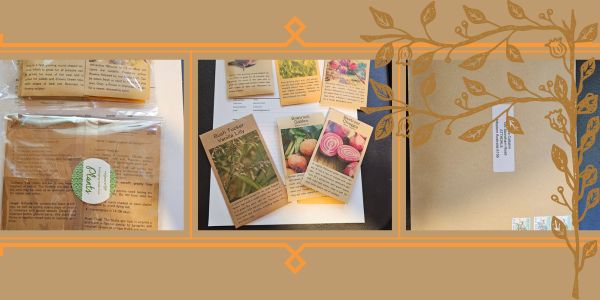
Not only are our seeds packed in recycled paper envelopes, we keep the theme going when we post out website orders. To protect your seeds from moisture and the letter box munchers (snails), we use a very special plastic free material made from plants. They are then put into recycled mailing envelopes. Green all the way ????????
Delivery Guarantee
We take great care to make sure your seeds arrive safely. If your order is lost or damaged in transit, we’ll happily send a replacement. Unfortunately, we can’t replace or refund orders that arrive later than the estimated delivery date, as delays can sometimes occur that are outside our control.
Please note that all dispatch and delivery times listed are estimates only. While we do our best to post promptly, delivery timeframes can vary due to postal service delays, weather events, or other unforeseen circumstances. We’re unable to take responsibility for any loss, damage, or cost that results from a late delivery.
An order is not considered missing until at least 20 business days have passed from the postage date. You’ll receive an email once your seeds have been posted, letting you know they’re on their way. If you don’t see it in your main inbox, please check your Spam or Promotions folders as sometimes our emails like to hide there.
See all our verified customer reviews on our official CusRev profile.