



Lovage
$4.95
Levisticum Officinale
- Seed Count 125
- Strong Celery Flavour
- Perennial
Out of stock
Email when stock available
Description
Lovage is one of those herbs that quietly slips through the cracks of modern gardening. You don’t often see it in nurseries or on supermarket shelves, yet it’s one of the most useful, flavoursome, and generous plants you can grow. For generations, lovage held an honoured place in kitchen gardens across Europe. It was used for seasoning, healing, and even as a garden companion for other crops. Somewhere along the way, it fell out of favour. But this old-fashioned perennial still has plenty to offer today’s gardener and cook. It’s time to redress the balance and bring lovage back where it belongs.
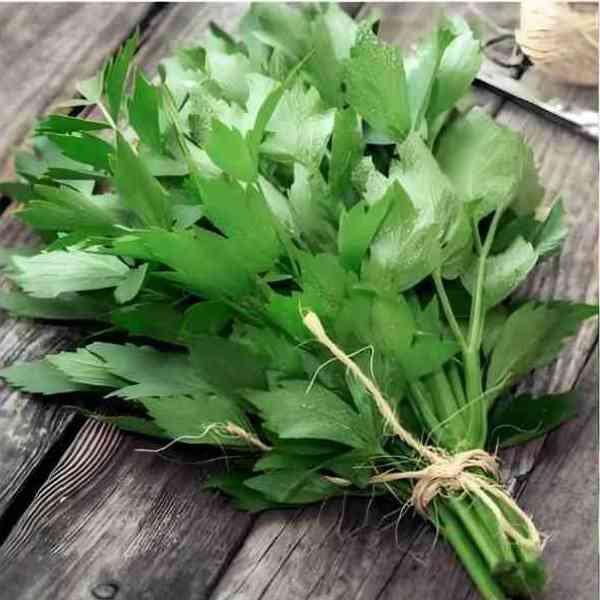
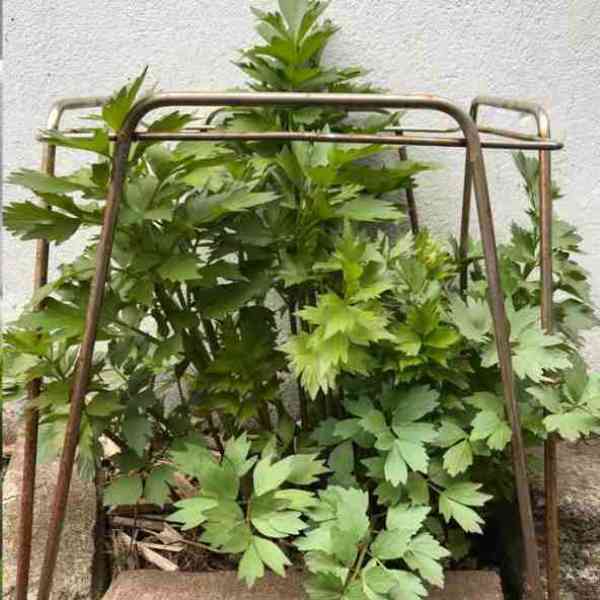
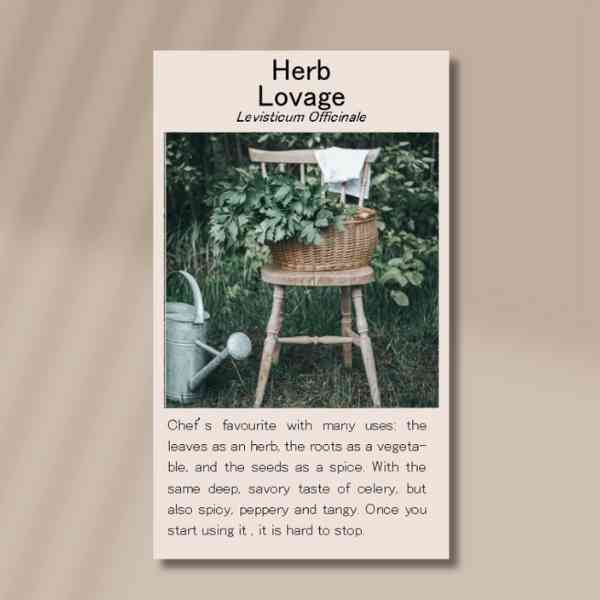
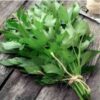
At first glance, lovage looks a bit like an oversized celery plant with strong, glossy leaves and tall, hollow stems. But its flavour sets it apart. It has the same deep, savoury backbone as celery, yet with a peppery edge and a sharp, spicy fragrance. Some say it tastes like celery with a hint of parsley and a dash of aniseed. Others describe it as earthy, warming and full-bodied. Whatever your take, lovage adds a complexity that makes food taste rounder, deeper, and more satisfying. Once you start using it, it’s hard to stop.
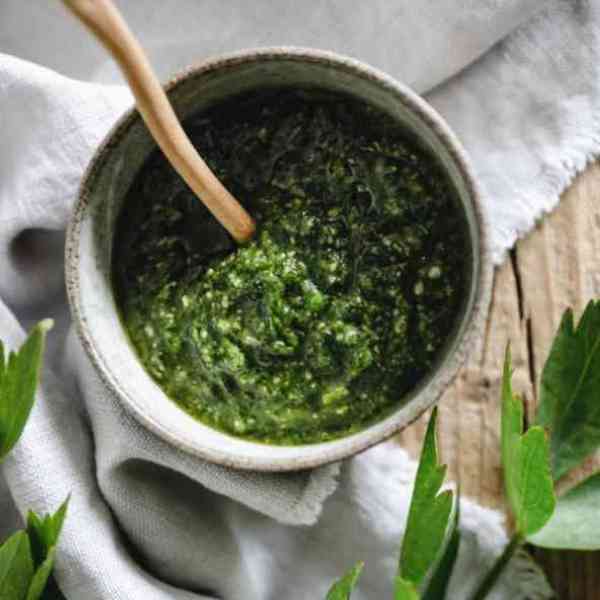
The leaves, roots and seeds all serve different culinary roles. The young leaves can be finely chopped and added to soups, stews, stocks, and sauces. They bring an instant lift to beans, fish dishes, and tomato sauces. A few leaves tucked into a pot of slow-cooked lamb or lentils will give it a depth of flavour you can’t quite pin down but will definitely notice. It’s particularly good in broths, where its savoury punch fills in all the gaps salt and seasoning alone can’t reach.
The roots of lovage can also be eaten as a vegetable. They’re quite mild and starchy, often compared to parsnip or celeriac. In older European cooking, the roots were roasted, boiled, or even grated raw into salads. The seeds, on the other hand, have an entirely different character. Once dried, they take on a strong, aromatic flavour similar to fennel or celery seed but a little sharper. They make a great addition to pickles, breads, or homemade spice mixes. Crushed lovage seeds sprinkled into a jar of pickled cucumbers or beans add a distinctive tang that makes them truly memorable.
When summer rolls around, lovage shows its other side. Tall flower stalks rise above the foliage, topped with clusters of small yellow blooms. These flowers are more than just pretty; they’re a magnet for pollinators. Bees, hoverflies, and butterflies flock to them. In that sense, lovage is not only a gift to the cook but to the whole garden. It draws beneficial insects and helps keep pest populations in check naturally. That makes it an excellent choice for anyone wanting to garden more sustainably.
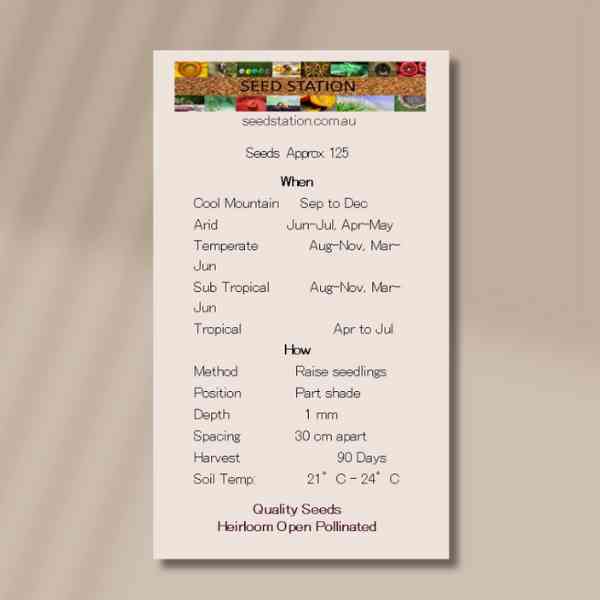
| Method: Raise seedlings | Soil Temp: 21°C - 24°C |
| Cool Mountain: Sep - Dec | Position: Part Shade |
| Arid: Jun-Jul, Apr-May | Row Spacing: 30 cm |
| Temperate: Aug-Nov, Mar-Jun | Planting Depth: 3 mm |
| Sub Tropical Aug-Nov, Mar-Jun | Harvest: 90 Days |
| Tropical: Apr - Jul | Plant Height: 2 m |
?🌿 Lovage Grow Guide
🌱 Overview
Lovage is a tall, hardy perennial herb grown for its bold celery-like flavour, attractive leaves, hollow stems, edible seeds, and strong garden presence. It is useful in herb gardens, cottage gardens, vegetable beds, edible borders, and pollinator-friendly plantings. The leaves are commonly used in soups, stews, stocks, salads, sauces, potato dishes, egg dishes, and savoury herb blends.
This is a large plant, so it needs more room than many common herbs. Once established, lovage can become a long-lived clump that returns strongly each growing cycle. It is generally easy to care for, but it performs best with deep fertile soil, steady moisture, good drainage, and regular harvesting to keep the leaves fresh and usable.
🌱 Sowing in Trays Versus Direct Sowing
Lovage can be grown from seed either in trays or by direct sowing, but sowing in trays is usually the best method. The seed can be slow and uneven to germinate, and young seedlings benefit from protection while they establish. Trays also make it easier to manage moisture, reduce weed competition, and plant out only the strongest seedlings.
To sow in trays, fill small pots or cell trays with a fine, free-draining seed raising mix. Sow the seed shallowly and cover lightly with fine mix or vermiculite. Water gently and keep the mix evenly moist, but not soggy. Place the tray in bright light with good airflow. Germination may be irregular, so keep the tray labelled and do not discard it too quickly.
Once seedlings have several true leaves and are large enough to handle, pot them on individually. Grow them until they are sturdy before planting into their final position. Handle seedlings gently and avoid letting the roots dry out during transplanting.
Direct sowing can also work in a prepared garden bed, but it is less controlled. Sow shallowly into fine, weed-free soil, cover lightly, and keep the surface moist until seedlings establish. The main challenge is that lovage seedlings may be slow, while weeds and pests can move faster.
For most gardeners, tray sowing is the more reliable option, especially when seed is limited or you only need one or two plants.
🌾 Seed Pre-Treatment
Lovage seed does not usually require special pre-treatment, but fresh seed is important. Older seed may germinate poorly or unevenly. A short soak in room-temperature water for several hours before sowing may help soften the seed and encourage more even germination, but it is not essential.
No scarification, smoke treatment, or cold treatment is normally required. The most important points are to sow shallowly, keep the mix evenly moist, and be patient. Germination can take longer than many quick herbs, so steady conditions matter.
🌞 Soil and Position
Lovage grows best in a sunny to partly shaded position. It will produce strong growth in full sun when soil moisture is reliable, but light afternoon shade can help keep the leaves softer and reduce stress in hot conditions. Too much deep shade can make stems weak and growth less vigorous.
The soil should be deep, fertile, moisture-retentive, and well-draining. Lovage has a substantial root system and appreciates soil prepared with compost or well-rotted organic matter. It likes more moisture and fertility than dryland herbs such as thyme, rosemary, and lavender.
Before planting, loosen the soil deeply and mix through compost. In sandy soil, add extra organic matter to improve water holding. In heavy soil, improve structure so water drains freely and roots are not sitting in stagnant conditions.
Lovage can be grown in a large pot, but small containers are not suitable for long-term growth. Use a deep, wide container with drainage holes and a quality potting mix. Container-grown plants will need more regular watering and feeding than plants in the ground.
💧 Care and Maintenance
Water lovage regularly while young plants establish. Mature plants are fairly resilient, but the best leaf quality comes from steady moisture. Dry stress can make leaves tougher, stronger, and less pleasant to use.
Mulch around the base with compost, straw, leaf mould, or another organic mulch to conserve moisture and suppress weeds. Keep mulch slightly away from the crown to reduce the risk of rot.
Feed with compost or a balanced organic fertiliser during active growth. Lovage is a leafy herb and responds well to moderate fertility. Avoid excessive feeding, as very lush growth can become floppy and less flavourful.
Harvesting is also part of maintenance. Regular cutting encourages fresh leaf growth and keeps the plant manageable. Remove old, yellowing, or damaged leaves as needed.
Lovage can grow quite tall and may flower strongly once mature. If you mainly want leaves, remove flower stems early so the plant keeps producing tender foliage. If you want seed, allow some flower heads to develop and mature.
Established clumps can be divided if they become too large or crowded. Divide carefully, keeping strong root sections with healthy crowns attached. Replant into improved soil and water well until re-established.
🌼 Companion Planting Guide
Lovage is useful in a mixed garden because its flowers attract pollinators and beneficial insects. Good companions include chives, parsley, dill, fennel, coriander, calendula, borage, nasturtium, beans, peas, potatoes, and brassica greens.
Chives, parsley, coriander, and dill enjoy similar fertile conditions and fit well in herb gardens. Calendula, borage, and nasturtium support insect activity and add colour nearby. Beans and peas can grow nearby if they are not shaded by the mature lovage plant. Potatoes and leafy brassicas can suit the richer soil conditions lovage enjoys.
Avoid planting lovage too close to small, sun-loving herbs that prefer dry, lean soil. Thyme, oregano, rosemary, and lavender are better kept in a drier, more open section of the garden. Lovage can also shade smaller plants, so place it at the back of a bed or in its own space where its height becomes an advantage rather than a problem.
✂️ How to Harvest
Harvest lovage leaves by cutting young outer stems or picking individual leaves as needed. The best flavour and texture comes from fresh young growth. Use clean scissors or snips and harvest in the cooler part of the day.
For regular kitchen use, take a few stems at a time rather than stripping the whole plant. Mature plants can handle heavier cutting, but always leave enough foliage for recovery. If the plant becomes large and coarse, cut it back to encourage fresh new growth.
The stems can be used like a strong celery-flavoured herb in stocks, soups, stews, and slow-cooked dishes. Leaves are powerful, so use them sparingly until you know how strong you like the flavour.
Seeds can be harvested once flower heads have dried and the seeds turn brown. The seeds are aromatic and can be used in savoury cooking, breads, pickles, spice blends, and soups.
Roots are sometimes harvested from mature plants, but doing so usually weakens or kills the plant. If root harvest is desired, use only well-established plants and replant a strong division if you want to keep growing it.
⚠️ Common Issues and Fixes
| Issue | Likely Cause | Fix |
|---|---|---|
| Poor germination | Old seed, uneven moisture, seed sown too deeply | Use fresh seed, sow shallowly, keep evenly moist |
| Slow seedlings | Cool conditions, low light, weak seed | Keep in bright light, maintain steady moisture, be patient |
| Seedlings collapse | Overwatering, poor airflow, contaminated mix | Use clean seed raising mix, avoid soggy conditions, improve ventilation |
| Yellowing leaves | Waterlogging, nutrient shortage, old foliage | Check drainage, feed with compost, remove old leaves |
| Leaves tough or overly strong | Dry stress, old growth, flowering stage | Water consistently, harvest young leaves, cut back for fresh growth |
| Plant flops | Excess nitrogen, too much shade, tall soft growth | Reduce feeding, provide better light, cut back or support stems |
| Few fresh leaves | Plant flowering heavily or not being harvested | Remove flower stems for leaf production, cut back to encourage regrowth |
| Aphids | Soft new growth attracting sap-sucking insects | Spray off with water, encourage beneficial insects, prune crowded growth |
| Leaf spots | Poor airflow, overhead watering, damp foliage | Space plants well, water at soil level, remove affected leaves |
| Root rot | Heavy wet soil or poor drainage | Improve drainage, avoid overwatering, grow in raised beds if needed |
| Plant too large | Natural mature size, rich soil, lack of cutting | Harvest regularly, cut back, divide established clumps |
🌰 Detailed Seed Saving Guide
To save lovage seed, allow a healthy mature plant to flower. Choose strong plants with good leaf flavour, vigorous growth, and no major disease issues. Do not cut off all flower stems if you want seed, as the seed forms after the flowers fade.
The flower heads will form clusters of small seeds. Leave them on the plant until they turn brown and dry. Watch closely as they mature, because dry seeds can drop if left too long.
Cut the seed heads on a dry day and place them upside down in a paper bag. Keep the bag in a dry, shaded, airy place for several days so the seed finishes drying. As the heads dry, some seed may naturally fall into the bag.
Once fully dry, rub the seed heads gently over a clean tray or sheet of paper. Separate the seeds from stems and chaff by hand or with a sieve. The seed should be firm, dry, and aromatic.
Spread cleaned seed on paper for several more days to ensure it is fully dry before storage. Store it in a labelled paper envelope or airtight container. Include the plant name and collection date.
Keep seed in a cool, dark, dry place. Lovage seed is best used fresh, as viability can decline with age. For future crops, sow saved seed sooner rather than keeping it for many years.
If you grow related umbel-flowered herbs nearby, some insect movement between flowers may occur, though major crossing concerns are usually lower in a casual herb garden than with closely related vegetable seed crops. For the most reliable seed, save from healthy plants that are clearly separated from similar flowering herbs where possible.
🌻 Final Thoughts
Lovage is a bold, productive, and long-lived herb with a strong celery-like flavour and excellent value in the kitchen. It is best started in trays because germination can be slow and seedlings are easier to protect and manage.
Give lovage deep fertile soil, steady moisture, good drainage, and enough room to grow. Harvest regularly for tender leaves, remove flower stems if leaf production is the goal, or let some flowers mature for aromatic seed. With simple care, one healthy plant can provide generous harvests for many seasons.
2 reviews for Lovage
Postage Charge
Orders under $40 attract a $5.50 shipping charge. Orders $35 and above have free shipping.
*** We cannot deliver to Parcel Lockers ***
Order Times
Seed orders are normally dispatched within three business days. You will receive an email when seeds are mailed out.
Postage Days
Seeds are mailed out Tuesday to Friday at 1pm. Except for the Friday of long weekends.
Postage Times
WA 2-3 Days: SA,NT 3-5 Days: NSW, ACT, QLD, VIC: 5-7 Days
Carrier
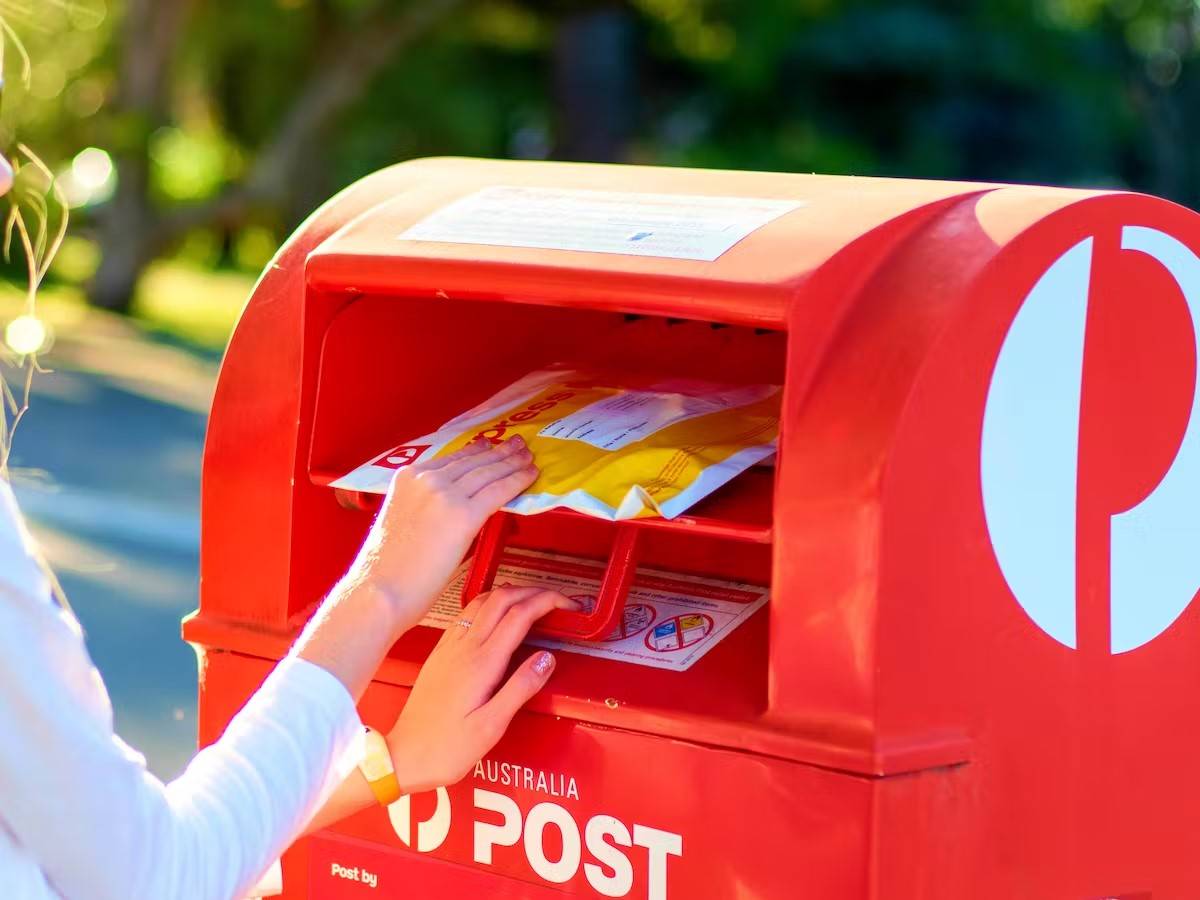
We use Australia Post Letter Postage for the majority of orders.
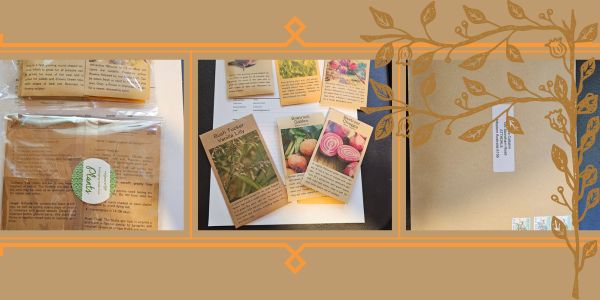
Not only are our seeds packed in recycled paper envelopes, we keep the theme going when we post out website orders. To protect your seeds from moisture and the letter box munchers (snails), we use a very special plastic free material made from plants. They are then put into recycled mailing envelopes. Green all the way ????????
Delivery Guarantee
We take great care to make sure your seeds arrive safely. If your order is lost or damaged in transit, we’ll happily send a replacement. Unfortunately, we can’t replace or refund orders that arrive later than the estimated delivery date, as delays can sometimes occur that are outside our control.
Please note that all dispatch and delivery times listed are estimates only. While we do our best to post promptly, delivery timeframes can vary due to postal service delays, weather events, or other unforeseen circumstances. We’re unable to take responsibility for any loss, damage, or cost that results from a late delivery.
An order is not considered missing until at least 20 business days have passed from the postage date. You’ll receive an email once your seeds have been posted, letting you know they’re on their way. If you don’t see it in your main inbox, please check your Spam or Promotions folders as sometimes our emails like to hide there.
See all our verified customer reviews on our official CusRev profile.
See all our verified customer reviews on our official CusRev profile.