

Swede Aspen
$4.95
Brassica oleracea var. capitata
- Seed count 200
- Sweet firm flesh good in soups and stews
- Biennial grown as an annual
In stock
Description
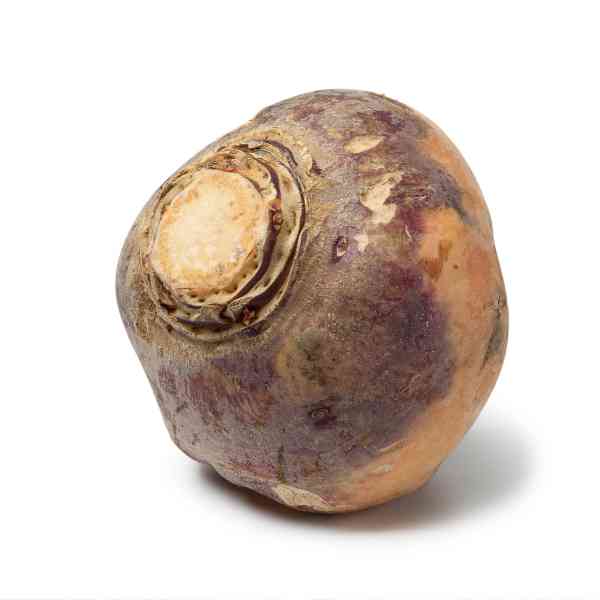
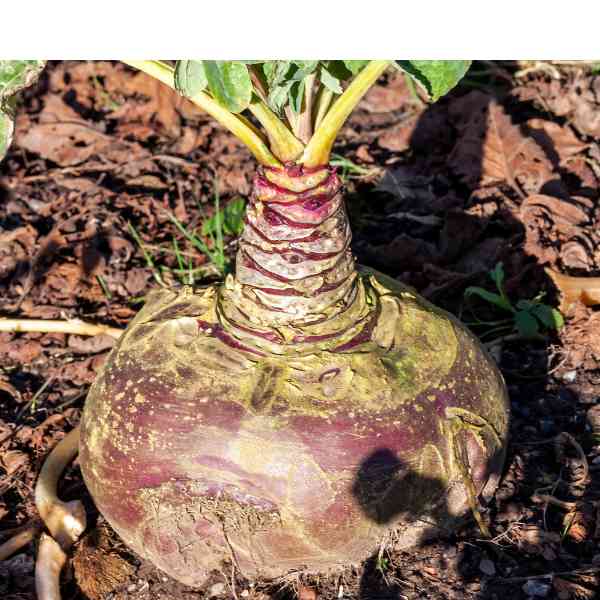
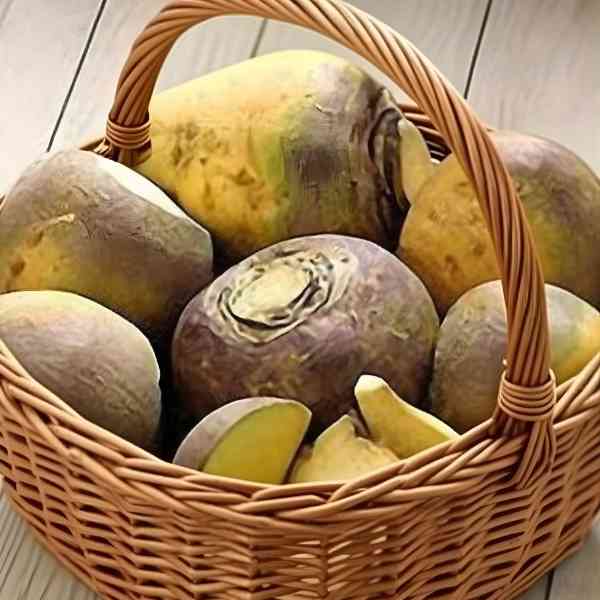
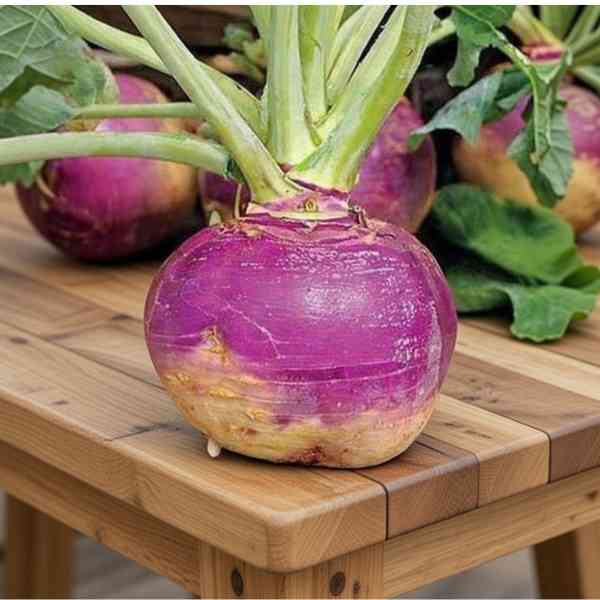
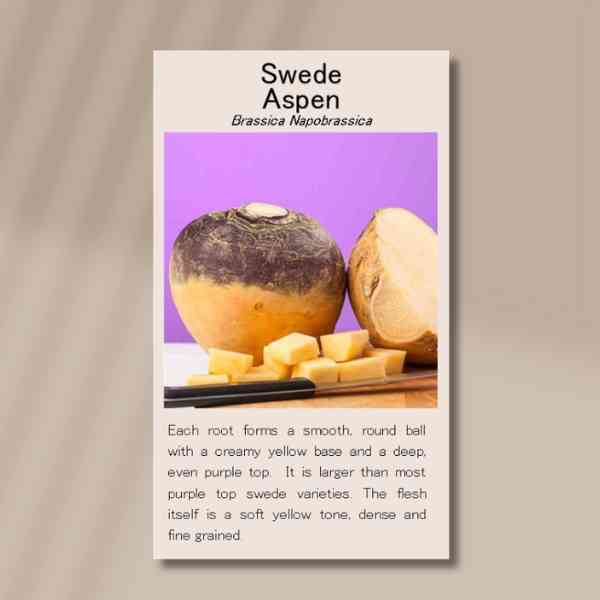
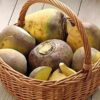
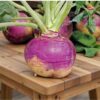
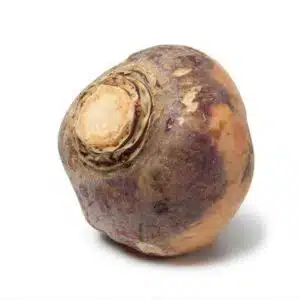
Swede Aspen is a globe shaped root vegetable that stands out for its uniformity and quality. Each root forms a smooth, round ball with a creamy yellow base and a deep, even purple top. It is larger than most purple top swede varieties, producing substantial roots that feel heavy in the hand. They are generous, full bodied roots that slice beautifully and hold their texture well in cooking. Their uniform shape makes them easy to prepare, and their smooth skin peels cleanly to reveal creamy coloured flesh inside.
The flesh itself is a soft yellow tone, dense and fine grained. When cut, it has that clean, earthy scent typical of brassicas, but with a subtle sweetness that hints at what is to come. Swede Aspen is known for its excellent sweet flavour, with a mild nuttiness in the background.
Roasted in chunks, it caramelises gently at the edges while staying tender within. Mashed, it produces a smooth, golden puree with a comforting, almost buttery character. Added to soups and stews, it absorbs surrounding flavours while contributing its own quiet richness.
Beyond the root, the plant produces strong blue green tops that can reach 40 centimeters or more. The foliage has that familiar brassica look, broad and slightly waxy, with a robust feel that speaks of a healthy plant. The tops are not just there to feed the root. They are edible and very nutritious in their own right.
Young swede leaves can be picked and used as a green in salads or lightly tossed through stir fries. They have a mild brassica flavour, similar to young turnip or kale leaves, with a gentle bite. Cooked briefly, they soften nicely and add a fresh, slightly peppery note to dishes.
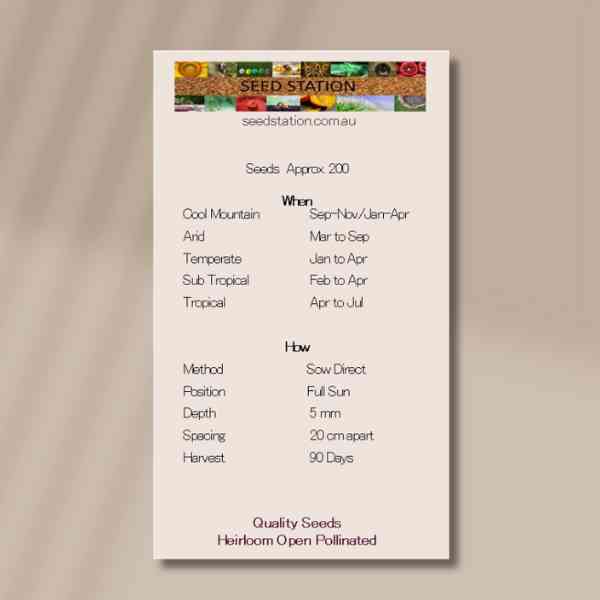
| Method: Sow direct | Soil Temp: 16°C - 30°C |
| Cool Mountain: Sep-Nov/Jan-Apr | Position: Full sun |
| Arid: Mar - Sep | Row Spacing: 20cm apart |
| Temperate: Jan - Apr | Planting Depth: 5mm |
| Sub Tropical: Feb - Apr | Harvest: 90 days |
| Tropical: Apr - Jul | Plant Height: 40cm |
🌱 Swede Grow Guide
Swede is a hardy root vegetable grown for its large, rounded, sweet-flavoured roots and edible leafy tops. It is closely related to turnips but generally takes longer to mature and develops a denser, sweeter root. When grown well, swede is a reliable kitchen garden crop that stores well and becomes sweeter after cool conditions.
It is best suited to open garden beds with fertile, well-drained soil and steady moisture. The key to good swede is consistent growth. If the plants are stressed by dry soil, poor nutrition, overcrowding, or heat, the roots can become small, woody, bitter, or misshapen.
🌿 Seed Pretreatment
Seed pretreatment is not required. Swede seed usually germinates readily when sown into suitable conditions.
There is no need to soak, chill, scarify, or otherwise treat the seed before sowing. Use fresh seed for the best germination, and avoid very old seed if you want an even crop.
🪴 Sowing in Trays vs Direct Sowing
Swede is best grown by direct sowing.
Direct sowing is the preferred method because swede forms a main storage root, and transplanting can disturb that root. Disturbed seedlings may grow forked, twisted, or poorly shaped roots. Direct sowing allows the plant to establish naturally in its final position from the beginning.
To direct sow, prepare the bed finely and remove stones, hard clods, and old roots. Sow seed shallowly in rows or small stations, then cover lightly with fine soil. Keep the seedbed evenly moist until germination. Once seedlings are large enough to handle, thin them carefully so each plant has enough space to form a full-sized root.
Tray sowing can be done, but it is not ideal. If trays are used, seedlings must be transplanted very young before the root becomes restricted. Use deep cells rather than shallow trays, handle gently, and avoid bending or damaging the root. Even with care, direct sowing usually gives better-shaped roots.
🥕 Soil and Position
Swede grows best in a sunny, open position with fertile soil that drains well but does not dry out too quickly. A position with good airflow helps reduce disease problems.
The soil should be loose, moderately rich, and free from stones. Heavy clay can cause poor root shape and waterlogging, while very sandy soil can dry out too quickly and lead to tough roots. Improve the bed before sowing with compost or well-rotted organic matter.
Avoid using fresh manure directly before sowing. Fresh manure can encourage forked roots and overly leafy growth. If manure is used, it should be well aged and worked into the soil well before planting.
A slightly firm seedbed is useful. Swede does not need fluffy, overly loose soil, but it does need soil that allows the root to expand evenly.
💧 Care and Maintenance
Swede needs steady moisture throughout growth. Dry spells followed by heavy watering can cause splitting, while prolonged dryness can make the roots woody and bitter. Water deeply and consistently, especially while roots are swelling.
Thin seedlings early. Crowded swedes compete heavily and produce small roots. Remove weaker seedlings by snipping or gently pulling them, leaving the strongest plants evenly spaced.
Keep weeds under control, especially while plants are young. Weeds compete for water and nutrients and can slow growth. Shallow hoeing is best, as deep cultivation near the roots can cause damage.
Feed modestly. Swede benefits from fertile soil, but too much nitrogen encourages leafy growth at the expense of root development. Compost, aged organic matter, and a balanced vegetable fertiliser are usually enough. If the soil is poor, a light side-dressing during active growth can help.
Mulching can help conserve moisture and keep the root zone cool. Use straw, fine compost, chopped leaves, or another light organic mulch. Keep mulch slightly away from the stems to reduce rot.
🌼 Companion Planting Guide
Swede grows well near plants that do not compete too aggressively and that help make good use of space. Suitable companions include peas, beans, lettuce, onions, leeks, celery, beetroot, spinach, silverbeet, calendula, nasturtiums, dill, and chamomile.
Legumes such as peas and beans can be useful nearby because they fit well into mixed vegetable beds and do not have the same pest profile. Lettuce and leafy greens can be grown around young swede plants while the crop is still small, provided they are harvested before they compete too much.
Aromatic herbs and flowers such as dill, chamomile, calendula, and nasturtiums help support beneficial insects and add diversity to the garden.
Avoid planting swede too close to other brassica crops such as cabbage, cauliflower, broccoli, kale, and turnips if pest and disease pressure is high. They share many of the same problems, so rotating them through different beds is important.
🍽️ Harvesting
Swede is ready to harvest when the roots have reached a useful size and feel firm. Smaller roots are usually sweeter and more tender, while very large roots can become coarse if left too long.
To harvest, loosen the soil around the root with a garden fork, then lift carefully by the base of the leaves. Avoid bruising or cutting the root if you want to store it.
The leaves are also edible when young and tender. Harvest a few leaves at a time if desired, but do not remove too many from plants that are still developing roots. The leaves feed the root, so heavy leaf harvesting can reduce root size.
After lifting, trim the foliage back to a short crown. Do not wash roots intended for storage unless necessary. Brush off loose soil and store in a cool, dark, well-ventilated place. Damaged roots should be used first.
⚠️ Common Issues and Fixes
| Issue | Likely Cause | Fix |
|---|---|---|
| Small roots | Overcrowding, poor soil, lack of water, or too much competition | Thin early, improve soil, water consistently, and keep weeds down |
| Woody or tough roots | Slow growth, drought stress, or roots left too long | Keep moisture steady and harvest before roots become oversized |
| Bitter flavour | Stress from dry soil, heat, or poor nutrition | Maintain even watering, mulch well, and grow in fertile soil |
| Forked roots | Stones, compacted soil, fresh manure, or transplant damage | Prepare soil deeply, remove stones, avoid fresh manure, and direct sow |
| Split roots | Irregular watering, especially dryness followed by heavy rain or watering | Keep soil moisture even and mulch to reduce fluctuations |
| Leaf holes | Caterpillars, flea beetles, or other chewing pests | Inspect regularly, remove pests by hand, use fine netting, and encourage beneficial insects |
| Wilting plants | Root damage, drought, cabbage root fly, or disease | Water deeply, check roots, use crop rotation, and protect young plants |
| Yellowing leaves | Nutrient deficiency, waterlogging, or natural ageing | Improve drainage, feed lightly if needed, and remove old leaves |
| Clubbed, swollen roots | Soil-borne brassica disease | Rotate crops, improve drainage, avoid moving infected soil, and raise soil pH if needed |
| Poor germination | Dry seedbed, old seed, sowing too deeply, or crusted soil | Use fresh seed, sow shallowly, keep soil moist, and cover with fine soil |
🌾 Detailed Seed Saving Guide
Saving seed from swede takes planning because it is a biennial crop. This means it usually forms its root first, then flowers and sets seed after a later period of growth. The root you eat is produced before the seed crop, so seed saving requires keeping selected plants alive long enough to flower.
Choose the healthiest plants with the best-shaped roots, strong leaves, good vigour, and no signs of disease. Do not save seed from plants that bolt too early, form poor roots, split badly, or show weak growth. Seed saving is a selection process, so only the best plants should be kept.
Swede can cross with closely related crops, so isolation is important if you want true-to-type seed. Keep flowering swede well away from other compatible flowering brassicas. If several related crops flower together, insects can move pollen between them and the saved seed may produce mixed results.
Leave selected roots in the ground if conditions suit, or lift and replant them carefully. If lifting, trim the leaves back but keep the crown intact. Replant the roots firmly into prepared soil, with the crown just above the soil surface. Water them in well and protect from severe stress.
As the plants flower, they will produce tall stems with yellow flowers followed by slender seed pods. Support the stems if they become tall or are exposed to wind. Keep the plants watered, but avoid overhead watering once seed pods are drying.
Allow the pods to mature and turn dry on the plant. Harvest when most pods are dry but before they shatter and drop seed. Cut whole stems and place them upside down in a paper bag or on a clean sheet in a dry, airy place.
Once fully dry, crush the pods gently by hand to release the seed. Separate the seed from the chaff by sieving, winnowing, or carefully pouring between containers in a light breeze. Make sure the seed is completely dry before storage.
Store seed in a labelled paper envelope or airtight container in a cool, dark, dry place. Include the crop name and date saved. Properly dried and stored swede seed can remain useful for several years, although fresher seed generally gives stronger germination.
🌟 Final Thoughts
Swede is a dependable and rewarding root crop when given steady conditions. The best results come from direct sowing, careful thinning, fertile but not over-rich soil, and consistent watering. It does not need seed pretreatment, but it does need good soil preparation and enough space to form smooth, full roots.
For gardeners who enjoy practical, storage-friendly vegetables, swede is an excellent choice. With patience and steady care, it produces hearty roots that are useful in soups, stews, roasting, mashing, and winter-style cooking.

Postage Charge
Orders under $40 attract a $5.50 shipping charge. Orders $35 and above have free shipping.
*** We cannot deliver to Parcel Lockers ***
Order Times
Seed orders are normally dispatched within three business days. You will receive an email when seeds are mailed out.
Postage Days
Seeds are mailed out Tuesday to Friday at 1pm. Except for the Friday of long weekends.
Postage Times
WA 2-3 Days: SA,NT 3-5 Days: NSW, ACT, QLD, VIC: 5-7 Days
Carrier
We use Australia Post Letter Postage for the majority of orders.
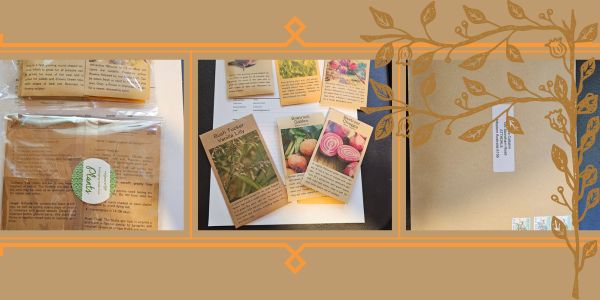
Not only are our seeds packed in recycled paper envelopes, we keep the theme going when we post out website orders. To protect your seeds from moisture and the letter box munchers (snails), we use a very special plastic free material made from plants. They are then put into recycled mailing envelopes. Green all the way ????????
Delivery Guarantee
We take great care to make sure your seeds arrive safely. If your order is lost or damaged in transit, we’ll happily send a replacement. Unfortunately, we can’t replace or refund orders that arrive later than the estimated delivery date, as delays can sometimes occur that are outside our control.
Please note that all dispatch and delivery times listed are estimates only. While we do our best to post promptly, delivery timeframes can vary due to postal service delays, weather events, or other unforeseen circumstances. We’re unable to take responsibility for any loss, damage, or cost that results from a late delivery.
An order is not considered missing until at least 20 business days have passed from the postage date. You’ll receive an email once your seeds have been posted, letting you know they’re on their way. If you don’t see it in your main inbox, please check your Spam or Promotions folders as sometimes our emails like to hide there.
Reviews
There are no reviews yet