



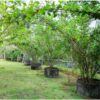
White Mulberry
$6.59
Morus Alba
- Seed Count 60
- Easy To Grow
- Deciduous Perennial
Only 12 left in stock
Description
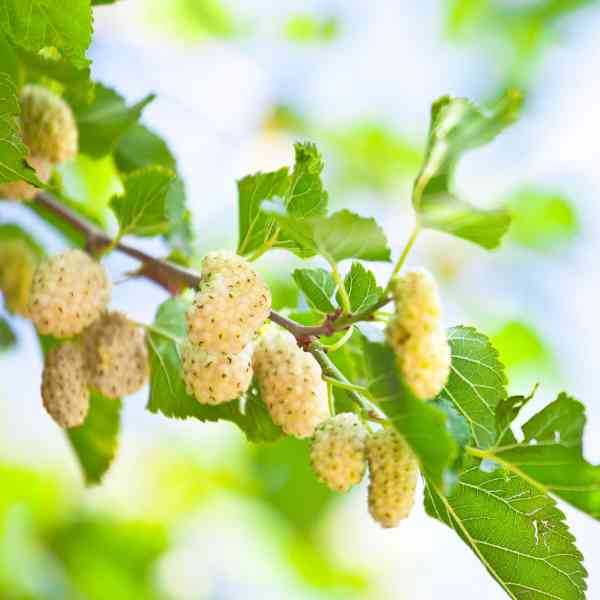
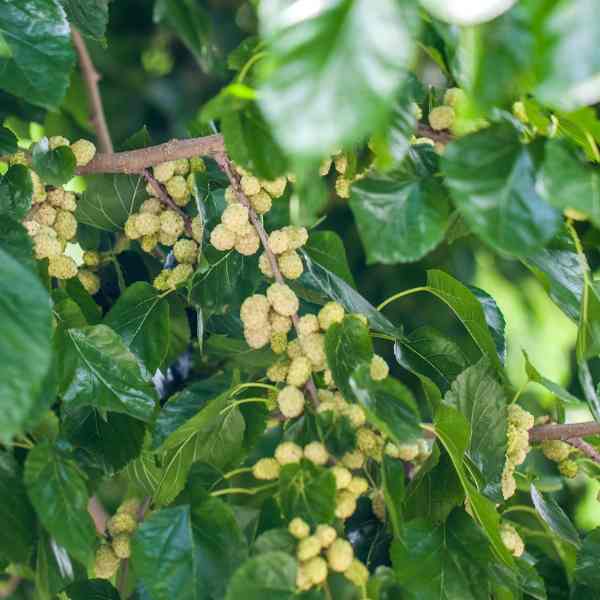
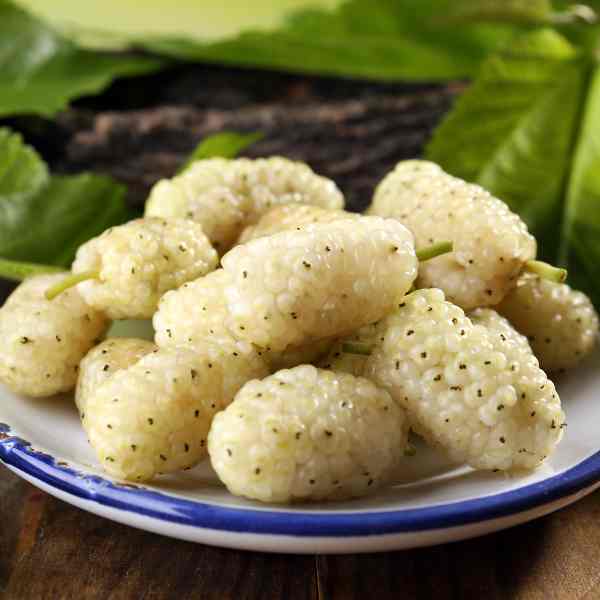
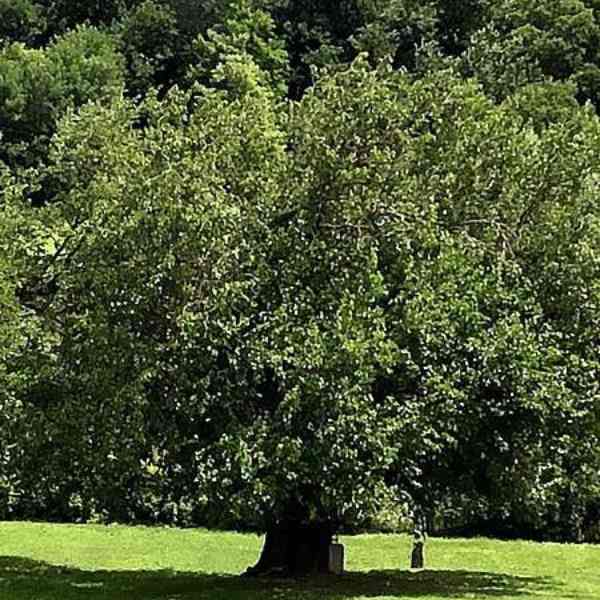
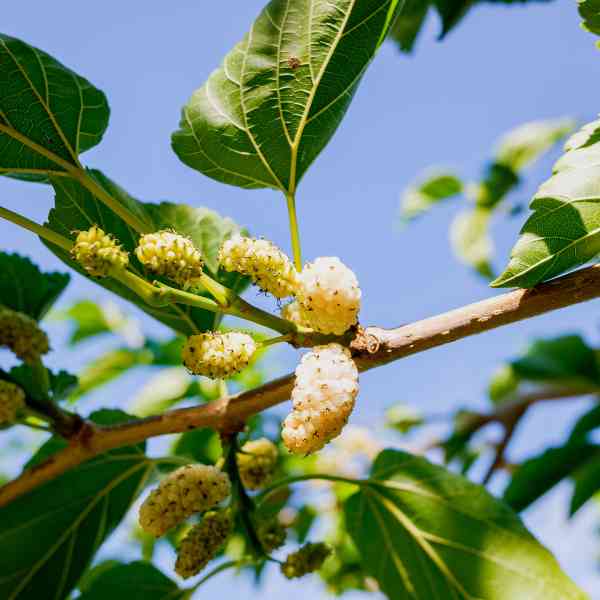
White Mulberry is a first-class shade tree that manages to look cool, even on the hottest days providing fruit for your table and leaves for your silk worms! This heirloom fruit tree graced the gardens of early settlers where it was used for its fruit, often transformed into mulberry wine, as well as its valuable shade.
It reaches heights of 8 m and a width of 8 m and is deciduous providing shade in summer and letting the heat in through winter. It flowers in August to September and fruits October to January. Plant seeds in early Spring. Germination rates can be improved by cold stratifying the seed prior to sowing. To do this mix equal parts of seed and damp sand in a container and store in the refrigerator (not freezer) for 6 weeks.
Do not use sand that is dripping wet otherwise your seeds may rot. Remove the container from your refrigerator and sit the container in lukewarm water overnight before sowing out the seeds. This process tricks the seeds into thinking they’ve experienced a cold Winter and the warm soak afterwards helps to speed up germination.
It is tolerant of a range of soils, although it performs best in a soil enriched with compost and decomposed manure. Prune if required to control growth, or let it go and enjoy the shade. Mulberries fruit on new season growth so prune after harvest to ensure optimal new shoots for next year’s crop.
White Mulberry Grow Guide
White mulberry (Morus alba) is a vigorous, adaptable fruit tree grown for its sweet fruit, generous shade, and toughness in a wide range of garden conditions. It is one of those plants that rewards patience. While it can be grown from seed, it is better thought of as a long-term tree rather than a quick fruiting crop. Once established, it is generally hardy, resilient, and relatively easy to maintain, though its strong growth means it benefits from careful placement and occasional pruning to keep it manageable.
🌱 Starting From Seed: Trays vs Direct Sowing
White mulberry can be raised either in trays or by sowing directly into the ground, but raising seedlings in trays or pots is the better method. The seed is small, germination can be uneven, and very young seedlings are easily lost to drying out, weeds, slugs, heavy rain, or accidental disturbance. Starting them in trays gives you much better control over moisture, warmth, and protection, and allows the seedlings to develop into stronger young plants before they are moved into their final position.
Direct sowing is possible, but it is less dependable and usually only worth trying if you have plenty of seed and a protected site. Even then, seedlings can be patchy and slow. Trays, tubes, or small pots make it much easier to monitor progress and select the healthiest seedlings.
Sow the seed into a fine, free-draining seed-raising mix and cover it only lightly. Keep the mix evenly moist but not wet. Once the seedlings are large enough to handle safely, move them into individual pots so they can build a stronger root system before planting out.
❄️ Seed Pre-Treatment
Yes, seed pre-treatment is recommended. White mulberry seed often germinates better after a period of cold moist stratification. This helps mimic natural winter conditions and can improve both the speed and reliability of germination.
A simple method is to mix the cleaned seed with barely moist sand, vermiculite, or a damp paper towel, then seal it in a bag or container and place it in the refrigerator for several weeks. After this treatment, sow the seed into trays or pots. Fresh seed may germinate without treatment, but stratification is usually the more reliable approach.
🪴 Soil and Position
White mulberry grows best in full sun, where it will develop a stronger shape and produce better fruit. It can tolerate partial shade, but fruiting is usually better with more light. The tree is adaptable and will cope with a broad range of soil types, though it performs best in well-drained soil.
A reasonably fertile loam is ideal, but the plant is not especially fussy. The one condition it dislikes is poor drainage. Soil that remains wet for long periods can cause root stress, weak growth, and decline. If your ground is heavy or holds water, improve drainage before planting or choose a raised position.
Because white mulberry can become a substantial tree, give it enough space from the start. It should be planted away from paths, paving, vehicles, and outdoor sitting areas, as ripe fruit can fall and stain surfaces. A thoughtful planting position will save a great deal of frustration later.
💧 Care and Maintenance
Young white mulberry trees benefit from deep, regular watering while establishing. During this stage, consistent moisture helps build a strong root system. Once mature, the tree becomes more tolerant of dry conditions, but it will still perform better with occasional deep watering during extended dry periods.
Mulching around the root zone is highly beneficial. A layer of organic mulch such as compost, bark, leaf mould, or straw helps conserve moisture, suppress weeds, and gradually improve the soil. Keep mulch a short distance away from the trunk to prevent rot and collar problems.
Feeding is usually simple. White mulberry is naturally vigorous, so it rarely needs heavy fertilising in average garden soil. A light annual application of compost or well-rotted organic matter is often enough. Too much fertiliser, especially high-nitrogen feeding, can encourage excessive leafy growth and make the tree harder to manage.
Pruning is mainly about shape, size control, airflow, and harvest access. In the early years, form a strong framework with well-spaced branches. Later, remove crossing growth, weak or damaged wood, and any branches that make the canopy too dense. The tree responds well to pruning, but light and regular shaping is better than neglect followed by severe cutting.
🌼 Companion Planting Guide
White mulberry suits a tree guild approach rather than a crowded vegetable-style planting. Since it becomes an overstory plant, its companions should support the soil, attract beneficial insects, or act as living mulch rather than compete heavily with the tree.
Low-growing legumes such as clover can be useful around the outer root zone, helping cover the soil and improve garden ecology. Dynamic mulch plants such as comfrey can also work well where there is enough room, providing material for chop-and-drop mulching and nutrient cycling.
Flowering companions that attract beneficial insects are especially valuable. Plants such as alyssum, dill, fennel, yarrow, and calendula can help support predatory insects and pollinators around the tree. Groundcovers such as strawberries or low herbs may also work while the tree is still young and letting in plenty of light.
Avoid planting heavy feeders or dense, thirsty plants directly against the trunk. Keep the base of the tree clear and open, and remember that as the canopy expands, some companions may need to be replaced with more shade-tolerant choices.
🍇 How to Harvest
White mulberry fruit should be harvested when fully ripe. The fruit becomes soft, sweet, and easy to remove from the tree. If a berry resists picking, it is usually not ready. Harvesting is best done in several passes, as the fruit often ripens gradually rather than all at once.
You can pick the fruit gently by hand, or place a clean sheet beneath the tree and lightly shake the branches so ripe fruit drops while firmer unripe fruit remains attached. Handle the fruit carefully because it bruises easily and does not keep long once picked.
It is best eaten fresh, dried, or processed soon after harvest into jams, syrups, or baking.
🛠️ Common Issues and Fixes
| Problem | Likely cause | What you will see | Fix |
|---|---|---|---|
| Poor germination | Old seed, lack of pre-treatment, sowing too deeply | Few seedlings or uneven sprouting | Use fresh seed, cold stratify before sowing, and sow only lightly covered |
| Seedlings collapse | Overwatering, poor airflow, fungal damping off | Young stems rot at the base and fall over | Use sterile seed mix, avoid soggy conditions, and improve airflow |
| Yellow leaves and weak growth | Waterlogging, poor soil, nutrient imbalance | Pale foliage and slow development | Improve drainage, apply compost, and avoid keeping soil constantly wet |
| Twig dieback | Stress, poor airflow, or disease entry | Dead branch tips or blackened shoots | Prune out affected growth and keep the canopy open |
| Leaf scorch or browning edges | Heat stress, dry roots, or irregular watering | Brown leaf margins and premature leaf drop | Water deeply, mulch well, and reduce moisture stress |
| Insect problems | Tree stress or seasonal pest pressure | Sticky leaves, distorted growth, chewing or boring damage | Keep the tree healthy, inspect regularly, and remove badly affected wood |
| Fruit lost to birds | Wildlife feeding on ripening fruit | Fruit disappears just as it ripens | Harvest promptly or use protective netting where practical |
| Messy fruit drop | Overripe fruit falling naturally | Staining and fermenting fruit beneath the tree | Harvest more often and avoid planting near paving or entrances |
🌰 Detailed Seed Saving Guide
Saving seed from white mulberry is straightforward, though it is important to remember that seedlings can vary from the parent tree. This means seed saving is excellent for growing new plants and experimenting, but it is not the best method if you want an exact copy of a particular tree.
Begin by selecting fully ripe fruit from a healthy, productive plant. Mash the fruit gently in water and separate the seeds from the pulp by rubbing them through a sieve or by hand. Rinse the seeds thoroughly until they are clean. Once clean, spread them on paper in a shaded, airy place and allow them to dry briefly.
Fresh seed can be sown soon after cleaning, but many growers get better results by giving the seed a cold moist stratification period before sowing. If storing seed for later, keep it dry, cool, and clearly labelled.
When the seedlings emerge, observe them carefully and keep only the strongest plants. Because there can be variation in vigour, growth habit, and later fruit quality, this selection step is useful. Over time, the best seedlings can be chosen for further growing, while weaker or undesirable ones can be discarded.
If the goal is to preserve a specific fruiting type exactly, vegetative propagation is more reliable than seed. Seed saving, however, remains valuable for breeding, experimentation, and raising hardy new plants.
🌟 Final Thoughts
White mulberry is a tough, rewarding, and generous tree that offers fruit, shade, and resilience with relatively modest care. For seed growing, tray sowing with cold stratification is the best approach, as it gives young plants the strongest possible start. Once planted into a sunny, well-drained position and given sensible pruning and watering, the tree is usually dependable and productive.
Its biggest strengths are adaptability and vigour, but those same qualities mean it deserves a well-chosen site from the beginning. Grow it with patience, give it room, and it can become one of the most useful and satisfying fruit trees in the garden.
1 review for White Mulberry

Postage Charge
Orders under $40 attract a $5.50 shipping charge. Orders $35 and above have free shipping.
*** We cannot deliver to Parcel Lockers ***
Order Times
Seed orders are normally dispatched within three business days. You will receive an email when seeds are mailed out.
Postage Days
Seeds are mailed out Tuesday to Friday at 1pm. Except for the Friday of long weekends.
Postage Times
WA 2-3 Days: SA,NT 3-5 Days: NSW, ACT, QLD, VIC: 5-7 Days
Carrier
We use Australia Post Letter Postage for the majority of orders.

Not only are our seeds packed in recycled paper envelopes, we keep the theme going when we post out website orders. To protect your seeds from moisture and the letter box munchers (snails), we use a very special plastic free material made from plants. They are then put into recycled mailing envelopes. Green all the way ????????
Delivery Guarantee
We take great care to make sure your seeds arrive safely. If your order is lost or damaged in transit, we’ll happily send a replacement. Unfortunately, we can’t replace or refund orders that arrive later than the estimated delivery date, as delays can sometimes occur that are outside our control.
Please note that all dispatch and delivery times listed are estimates only. While we do our best to post promptly, delivery timeframes can vary due to postal service delays, weather events, or other unforeseen circumstances. We’re unable to take responsibility for any loss, damage, or cost that results from a late delivery.
An order is not considered missing until at least 20 business days have passed from the postage date. You’ll receive an email once your seeds have been posted, letting you know they’re on their way. If you don’t see it in your main inbox, please check your Spam or Promotions folders as sometimes our emails like to hide there.

.
See all our verified customer reviews on our official CusRev profile.