




Anise Hyssop
$4.95
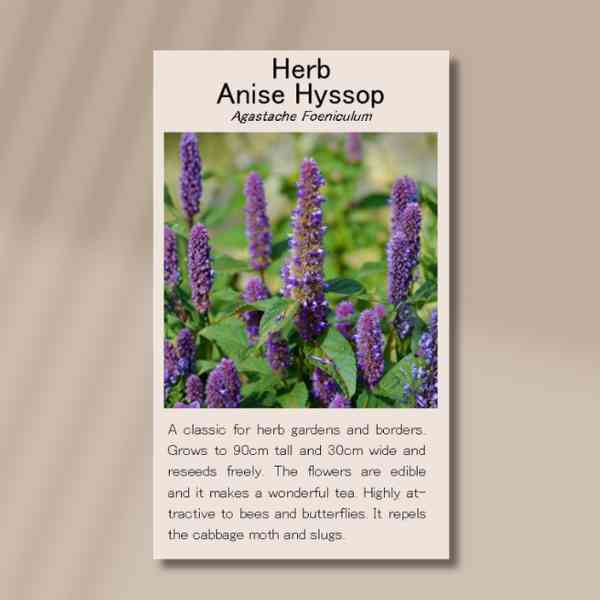
Agastache Foeniculum
- Seed Count 150
- Medicinal and Culinary Herb
- Perennial
In stock
Description
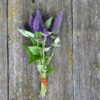
Anise Hyssop is became popular in traditional herb gardens, where it is appreciated as a tea herb, culinary plant and reliable source of nectar for pollinators. The plant has an upright form, usually producing a tidy clump of strong, square stems clothed in broad, pointed leaves. The foliage is fresh green, lightly textured and gently serrated along the edges. Brush against it and the leaves release a sweet scent that sits somewhere between liquorice, aniseed, mint and fennel.
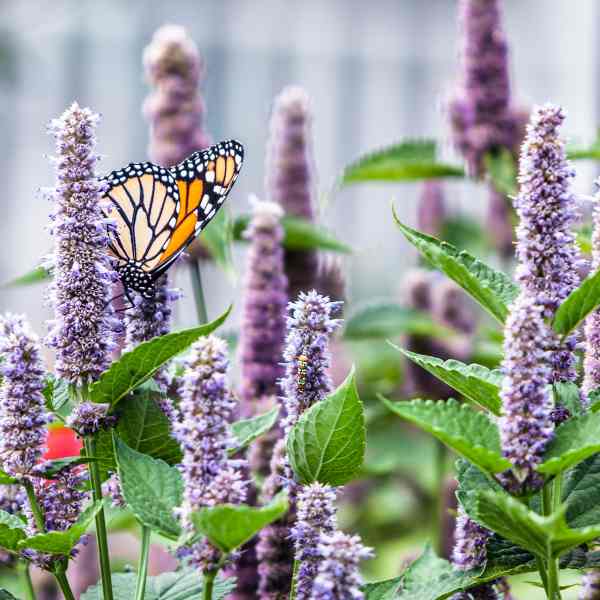
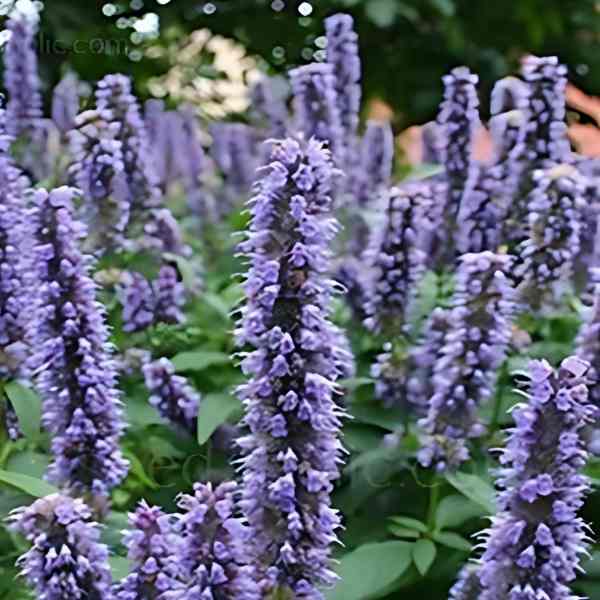
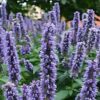
From late spring through summer, Anise Hyssop sends up dense flower spikes made up of many tiny tubular blooms. The flowers are usually a soft lavender-blue to violet, held above the foliage in slender, upright clusters. Their colour blends easily with white, pink, silver and deeper purple plants, making it useful in naturalistic plantings and informal borders.
One of the great appeals of Anise Hyssop is the life it brings into the garden. Bees, butterflies and other nectar-feeding insects are especially fond of the flowers, turning a flowering clump into a lively patch of movement.
The fresh leaves have a clean, sweet aniseed flavour with a mild minty freshness. They are less sharp than true anise seed and softer than strong liquorice, making them easy to use in both sweet and savoury dishes. Young leaves can be chopped into fruit salads, added sparingly to leafy salads or used to flavour syrups, jellies and baked goods. They work especially well with apples, pears, berries, citrus and stone fruit. The flowers are edible too, with a milder version of the foliage’s aniseed flavour. Individual blooms can be scattered over cakes, desserts, fresh fruit, salads or soft cheeses.
Anise Hyssop is perhaps best known as a tea herb. Fresh or dried leaves produce a fragrant infusion with gentle liquorice and mint notes. The flavour is smooth and naturally sweet, often requiring little or no added sugar. The flowers can also be included, bringing a lighter floral quality and a touch of colour to the cup. On a cool morning or a winter afternoon, a pot of Anise Hyssop tea is warming and aromatic, while a chilled infusion makes a refreshing drink during the heat of an Australian summer.
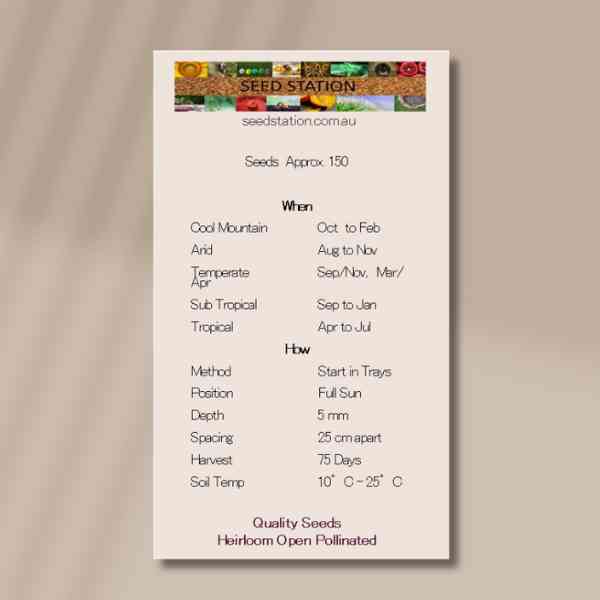
| Method: Raise seedlings | Soil Temp: 10°C - 25°C |
| Cool Mountain: Oct - Feb | Position: Full sun |
| Arid: Aug - Nov | Row Spacing: 30cm |
| Temperate: Sep-Nov, Mar-Apr | Planting Depth: 1mm |
| Sub Tropical: Sep - Jan | Harvest: 75 Days |
| Tropical: Apr - Jul | Plant Height: 90cm |
🌿 Anise Hyssop Grow Guide
🌱 Overview
Anise Hyssop is a fragrant, pollinator-friendly herb grown for its sweet liquorice-mint aroma, upright flower spikes, edible leaves, and wildlife value. It is a beautiful choice for herb gardens, cottage gardens, productive borders, and pollinator patches. Once established, it is generally low-maintenance, drought-tolerant, and highly attractive to bees, butterflies, and other beneficial insects.
This plant is especially useful where gardeners want something ornamental and edible. The leaves can be used fresh or dried for teas, desserts, salads, fruit dishes, and herbal blends, while the flowers add colour and a mild sweet flavour. It also works well as a soft structural plant in mixed beds, where its vertical flower spikes contrast nicely with lower-growing herbs and vegetables.
🌱 Sowing in Trays vs Direct Sowing
Anise Hyssop can be grown either in seed trays or directly where it is to grow, but the tray method is usually the better option for most home gardeners.
Sowing in trays gives you better control over moisture, temperature, pests, and seed spacing. The seeds are small and can be slow or uneven if conditions fluctuate, so starting them in trays helps protect them during the delicate early stage. Use a fine seed-raising mix, scatter the seed thinly, and press it gently onto the surface. The seed needs light to germinate, so cover only with a very fine dusting of mix or vermiculite, if at all. Keep the mix evenly moist but never soggy.
Direct sowing can work in a well-prepared garden bed, especially if the soil is fine, weed-free, and kept consistently moist until germination. However, the small seedlings can be difficult to distinguish from weeds and may be vulnerable to slugs, snails, ants, birds, or drying winds. Direct sowing is best suited to gardeners who can keep a close eye on the bed and maintain gentle, even moisture.
Best method: Sowing in trays is recommended because it gives stronger control over germination and early growth. Seedlings can then be transplanted once they are sturdy enough to handle and have developed a good root system.
❄️ Seed Pre-Treatment
A seed pre-treatment is not strictly required, but germination may be improved by giving the seed a short cold, moist rest before sowing. This can help wake the seed more evenly, particularly if germination has been patchy in the past.
To do this, place the seeds in a small amount of barely damp paper towel or seed-raising mix inside a labelled container or sealed bag. Keep it chilled for a few weeks, then sow the seeds on the surface of seed-raising mix as normal. The material should be damp, not wet, because overly wet conditions can cause mould or rot.
For most gardeners, simple surface sowing is enough. The most important points are light, gentle moisture, and patience.
🌞 Soil and Position
Anise Hyssop performs best in a sunny, open position with good airflow. It can tolerate some light shade, but stronger sun generally gives better flowering, stronger stems, and a more aromatic plant.
The soil should be well-drained, moderately fertile, and not overly rich. A loose loam or sandy loam is ideal. Heavy clay can be improved by adding compost and creating a raised mound or raised bed to improve drainage. Avoid constantly wet soil, as this plant dislikes sitting in water and may suffer root problems if drainage is poor.
Before planting, prepare the bed by removing weeds and loosening the soil. Mix in a moderate amount of compost, but avoid heavy feeding. Too much nitrogen can encourage soft leafy growth at the expense of flowers and may make the plant less sturdy.
In pots, choose a container with good drainage holes and use a quality potting mix. A slightly larger pot is helpful because established plants can form a decent root system and dry out quickly in small containers.
💧 Care and Maintenance
Once established, Anise Hyssop is fairly easy to care for. Young plants need regular moisture while their roots are developing, but mature plants prefer the soil to dry slightly between watering. Deep, less frequent watering is better than constant shallow watering, as it encourages stronger roots.
Mulching around the base can help conserve moisture and reduce weed competition. Keep mulch slightly away from the crown of the plant to prevent excess moisture around the stems.
Pinching the growing tips when plants are young can encourage bushier growth. As flower spikes develop, the plant may become tall and airy. In exposed sites, light support may be useful, although many plants stand well on their own if grown in full sun.
Deadheading spent flowers can encourage a tidier plant and may prolong flowering. However, leave some flower spikes to mature if you want to save seed or allow beneficial insects to continue feeding.
Feeding should be light. A small amount of compost or a mild organic fertiliser is usually enough. Overfeeding can reduce the plant’s natural resilience and may lead to lush but weaker growth.
🌼 Companion Planting Guide
Anise Hyssop is an excellent companion plant because it draws in pollinators and beneficial insects. Its flowers are highly attractive to bees and butterflies, making it useful near fruiting vegetables and flowering crops that benefit from insect activity.
It pairs well with tomatoes, capsicum, chilli, eggplant, cucumbers, pumpkins, zucchini, beans, strawberries, and fruit trees because it helps bring pollinators into the area. It also suits herb gardens alongside thyme, oregano, sage, rosemary, chives, parsley, and basil, provided each plant’s water needs are respected.
In ornamental or mixed productive beds, it combines beautifully with lavender, echinacea, calendula, borage, yarrow, alyssum, cosmos, and marigold. These plants create a beneficial insect corridor and help support garden biodiversity.
Avoid planting it where it will be crowded by aggressive growers. It prefers airflow and does not like being smothered. Keep it away from plants that need very wet soil, as Anise Hyssop prefers freer drainage.
✂️ How to Harvest
Leaves can be harvested once the plant is large enough to spare a few stems without weakening overall growth. Pick leaves in the cooler part of the day when they are fresh and aromatic. Use sharp scissors or clean fingers to remove young tips or individual leaves.
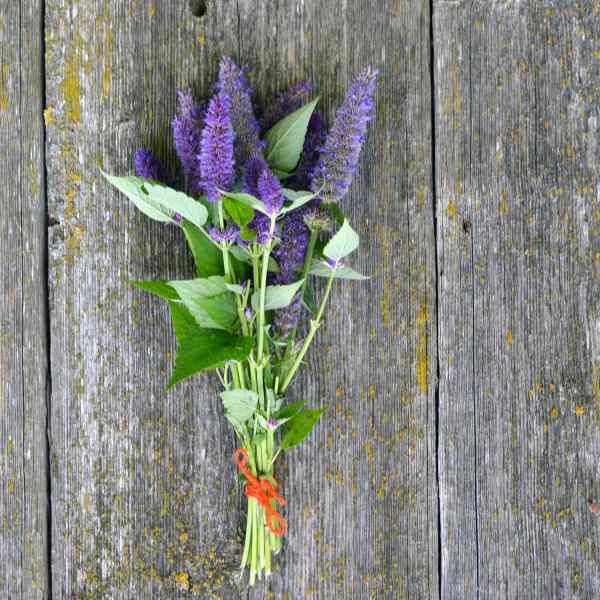
For tea or drying, cut short leafy stems and hang them in small bunches in a shaded, airy place. You can also dry the leaves on a rack. Once fully dry, crumble the leaves gently and store them in an airtight jar away from heat and direct light.
Flowers are best harvested when the spikes are fresh and colourful. They can be used in teas, salads, desserts, syrups, and as edible decoration. If harvesting flowers for drying, cut the stems when the spikes are partly open and dry them in a well-ventilated spot.
Avoid stripping too much from young plants. Regular light harvesting encourages fresh growth, but severe cutting can slow recovery.
🛠️ Common Issues and Fixes
| Issue | Likely Cause | Fix |
|---|---|---|
| Poor germination | Seed covered too deeply, mix dried out, or seed was slow to wake | Surface sow, keep evenly moist, and consider a short cold, moist pre-treatment |
| Seedlings collapse | Overwatering, poor airflow, or fungal disease | Use clean seed mix, water gently, improve airflow, and avoid soggy conditions |
| Leggy seedlings | Not enough light | Move seedlings to brighter light and avoid overcrowding |
| Yellowing leaves | Poor drainage, nutrient imbalance, or overwatering | Check drainage, reduce watering, and apply a mild organic feed only if needed |
| Few flowers | Too much shade or too much nitrogen | Move to a sunnier position and reduce high-nitrogen feeding |
| Wilting in heat | Dry root zone or small container | Water deeply and mulch lightly, or move potted plants to a larger container |
| Root rot | Constantly wet soil | Improve drainage, grow in raised beds or pots, and avoid overwatering |
| Powdery mildew | Humid, still air or overcrowding | Increase spacing, improve airflow, water at soil level, and remove badly affected leaves |
| Pest damage on young plants | Slugs, snails, birds, or chewing insects | Protect seedlings, remove hiding places, and inspect regularly |
| Plants falling open | Too much shade, rich soil, or exposed position | Grow in stronger light, avoid overfeeding, and provide discreet support if needed |
🌾 Detailed Seed Saving Guide
To save seed, allow some flower spikes to remain on the plant after flowering. The flowers will gradually fade, and the seed heads will dry from the bottom upward. Do not harvest too early, as immature seed may not store or germinate well.
Choose seed from the healthiest, strongest plants with the best aroma, growth habit, and flowering performance. Avoid saving seed from weak, diseased, or poorly performing plants. If you grow several different types nearby, seedlings may show some variation, especially in flower colour, scent, height, or vigour.
Wait until the flower spikes are dry and the small seeds loosen easily when rubbed. Cut the dry spikes into a paper bag or onto a clean tray. Let them dry further in a warm, shaded, airy place for several days. Once fully dry, rub the seed heads gently between your fingers to release the seeds.
Separate the seed from the chaff by lightly shaking, sieving, or blowing away the lighter debris. Work slowly because the seeds are small. Do not worry if a little dry plant material remains, as long as everything is completely dry.
Store the cleaned seed in a labelled paper envelope or small airtight container. Include the plant name and the date collected. Keep the seed in a cool, dry, dark place. For best results, use the seed while it is still fresh, although well-stored seed may remain useful for more than one growing cycle.
🌿 Final Thoughts
Anise Hyssop is a rewarding plant for gardeners who want beauty, fragrance, edible harvests, and strong pollinator value in one easy-care perennial herb. It is best started in trays, as the small seeds and young seedlings benefit from controlled conditions before being moved into the garden.
Give it a sunny position, free-draining soil, moderate water, and space to breathe, and it will reward you with aromatic leaves, elegant flower spikes, and constant insect activity. Whether grown in a herb patch, flower border, vegetable garden, or large pot, Anise Hyssop is a generous and useful plant that earns its place in a productive garden.
3 reviews for Anise Hyssop

Postage Charge
Orders under $40 attract a $5.50 shipping charge. Orders $35 and above have free shipping.
*** We cannot deliver to Parcel Lockers ***
Order Times
Seed orders are normally dispatched within three business days. You will receive an email when seeds are mailed out.
Postage Days
Seeds are mailed out Tuesday to Friday at 1pm. Except for the Friday of long weekends.
Postage Times
WA 2-3 Days: SA,NT 3-5 Days: NSW, ACT, QLD, VIC: 5-7 Days
Carrier
We use Australia Post Letter Postage for the majority of orders.
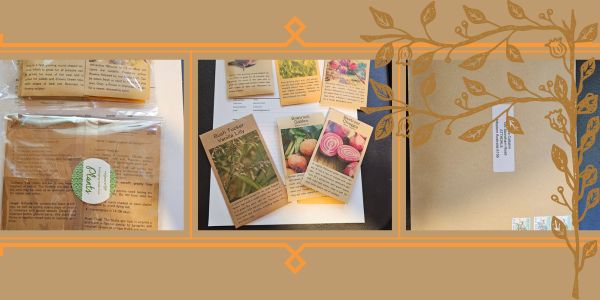
Not only are our seeds packed in recycled paper envelopes, we keep the theme going when we post out website orders. To protect your seeds from moisture and the letter box munchers (snails), we use a very special plastic free material made from plants. They are then put into recycled mailing envelopes. Green all the way ????????
Delivery Guarantee
We take great care to make sure your seeds arrive safely. If your order is lost or damaged in transit, we’ll happily send a replacement. Unfortunately, we can’t replace or refund orders that arrive later than the estimated delivery date, as delays can sometimes occur that are outside our control.
Please note that all dispatch and delivery times listed are estimates only. While we do our best to post promptly, delivery timeframes can vary due to postal service delays, weather events, or other unforeseen circumstances. We’re unable to take responsibility for any loss, damage, or cost that results from a late delivery.
An order is not considered missing until at least 20 business days have passed from the postage date. You’ll receive an email once your seeds have been posted, letting you know they’re on their way. If you don’t see it in your main inbox, please check your Spam or Promotions folders as sometimes our emails like to hide there.

See all our verified customer reviews on our official CusRev profile.
seeds very tiny easy to make a mess when packet is opened
See all our verified customer reviews on our official CusRev profile.
See all our verified customer reviews on our official CusRev profile.