
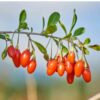

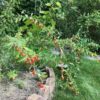
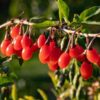
Goji Berry
$6.59
Lycium Barbarum
- Seed Count 160
- Sour Cherry Flavour
- Perennial to 150 cm
In stock
Description
The Goji Berry, a plant steeped in centuries of tradition, has journeyed from the rugged valleys of the Himalayas to find a welcoming home in Australian gardens. This resilient shrub thrives in our diverse climates, from the dry heat of the Outback to the temperate coasts.
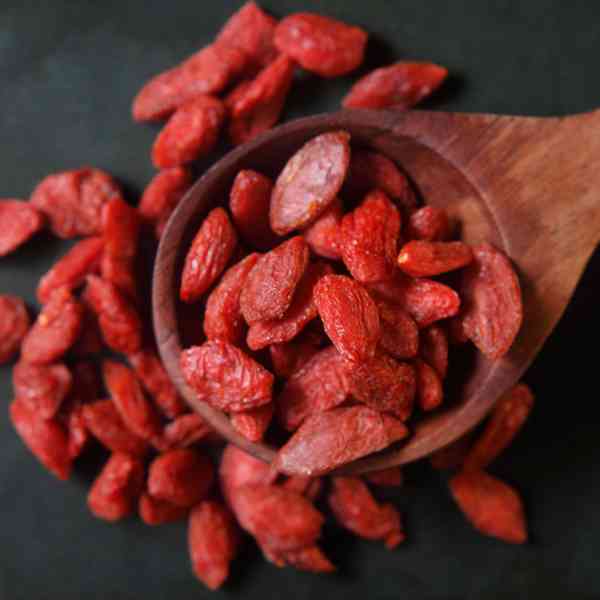
Prized as a nutritional powerhouse, goji berries have long been celebrated in herbal medicine and cuisine. Their berries pack a punch of antioxidants, vitamins A and C, and essential amino acids, making them a worthy addition to morning smoothies, teas, or simply enjoyed dried as a snack.
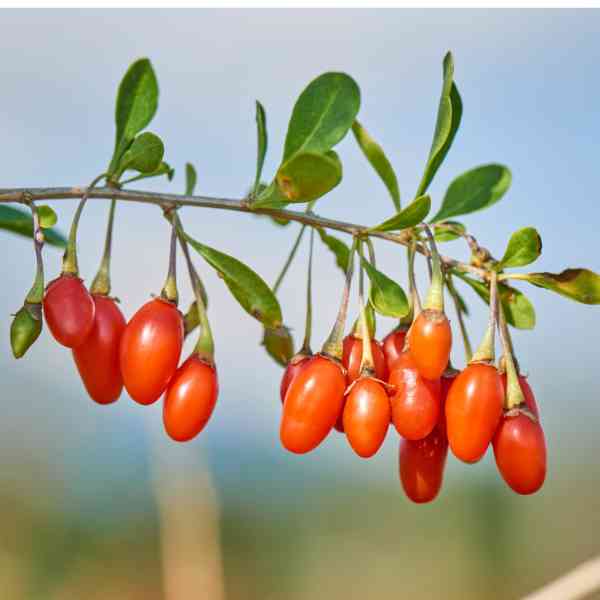
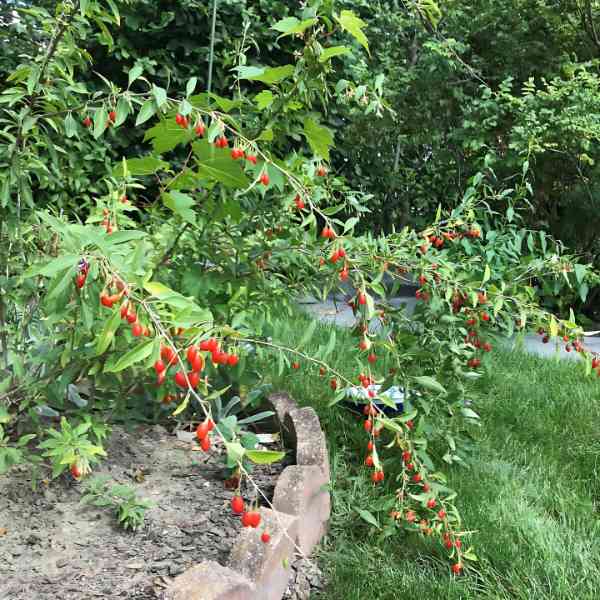
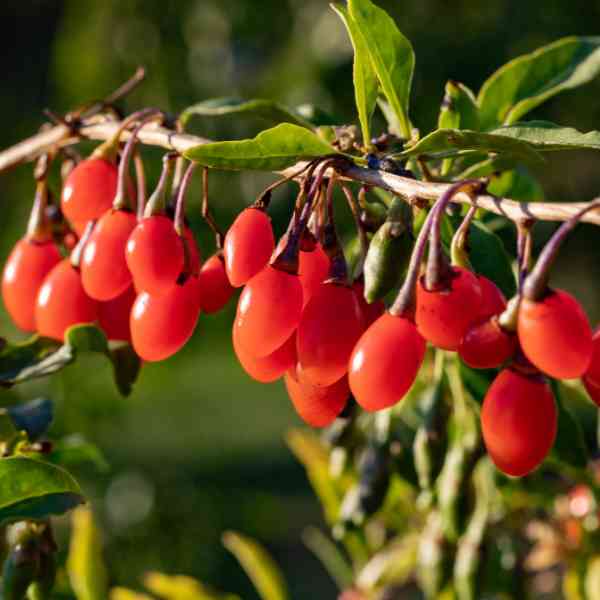
Beyond it’s health credentials, the plant is a visual delight. Mature shrubs develop graceful, arching stems adorned with delicate purple blossoms in spring, followed by clusters of berries that ripen to a jewel-like brilliance by late summer.
Once established, goji berries exhibit remarkable drought tolerance, shrugging off the harsh sun and poor soils that challenge lesser plants. They’re unfussy about soil type, thriving in everything from sandy substrates to heavier loams, provided drainage is adequate. Their perennial nature means a single planting yields harvests for years, requiring little beyond occasional pruning to maintain shape.
They attract pollinators with their blooms, support garden biodiversity, and serve as a low-maintenance hedge or ornamental feature.
🍒 Goji Berry Grow Guide
🌱 Overview
Goji berry is a hardy, deciduous fruiting shrub grown for its bright red-orange berries, arching stems, small purple flowers, and strong tolerance once established. It is a useful plant for edible gardens, informal hedges, food forests, dry garden edges, and wildlife-friendly spaces. Mature plants can become vigorous and thorny, so they are best grown where they have room to spread or where they can be trained against a frame, trellis, fence, or support.
Goji berries are valued as a nutrient-rich fruit with a sweet, mildly tangy flavour. They can be eaten fresh, dried, added to teas, cooked into sauces, or used in baking. The plant is generally tough, but seed-grown plants require patience. Fruiting is not instant, and young plants need steady care before they become productive.
🌾 Sowing in Trays Versus Direct Sowing
Goji berry is best started in trays or small pots rather than sown directly into the garden. The seeds are small, young seedlings are delicate, and early growth is easier to manage in a protected container. Tray sowing gives better control over moisture, warmth, light, and protection from slugs, snails, ants, birds, heavy rain, and weeds.
To sow in trays, fill a punnet, cell tray, or small pot with a fine, free-draining seed-raising mix. Moisten the mix first, scatter the seeds thinly, and cover them with only a very light layer of fine mix or vermiculite. Goji seed should not be buried deeply. Keep the mix evenly moist but never soggy. Bright light is helpful, but avoid harsh direct sun on small covered trays.
Direct sowing is possible, but it is less reliable. Small seeds can dry out, wash away, or be overwhelmed by competing weeds before they establish. Direct sowing is only worth attempting in a finely prepared, weed-free bed with loose soil and consistent moisture.
Best method: tray sowing is recommended because it gives stronger, more even seedlings and makes transplanting easier.
💧 Seed Pretreatment
Goji berry seed does not require complicated pretreatment, but a simple soak can help soften the seed and speed up germination. Soak the seeds in room-temperature water for 12 to 24 hours before sowing. Discard any floating debris, then sow the swollen seeds promptly.
Seeds taken from dried berries may germinate, but results can vary. Dried fruit may have been heat-treated, preserved, or stored for a long time, which can reduce seed viability. Seed sold specifically for planting is usually more dependable.
🪴 Soil and Position
Goji berry grows best in well-drained soil with moderate fertility. It does not enjoy waterlogged ground. A sandy loam, loam, or improved garden soil is ideal. Heavy clay should be opened up with compost and planted into a raised mound or raised bed to prevent wet roots.
Choose a full sun position for the strongest growth and best fruiting. Light shade is tolerated, but flowering and berry production are usually reduced. Good airflow is important because dense, crowded growth can encourage mildew and leaf disease.
Goji can also be grown in large pots, but containers must be generous. Use a quality potting mix with added compost and coarse material for drainage. A pot-grown plant will need more regular watering and feeding than one planted in the ground.
🌿 Care and Maintenance
Goji berry seedlings should be grown on until they are sturdy enough to handle. Once they have several sets of true leaves, transplant them into individual pots. Handle seedlings by the leaves rather than the stem, as the stem can bruise easily.
After planting out, water deeply and regularly while the plant establishes. Once mature, goji becomes more drought tolerant, but steady moisture during flowering and fruit development helps improve berry size and quality. Avoid frequent shallow watering, as deep watering encourages stronger roots.
Mulch around the base with straw, composted bark, sugarcane mulch, or leaf mulch, keeping mulch away from the stem. This helps conserve moisture and reduce weeds.
Goji berry benefits from training and pruning. Without pruning, plants can become tangled, thorny, and sprawling. Train a few strong main stems onto a trellis, frame, or fence, then prune back weak, crossing, crowded, or dead stems. Light pruning encourages airflow and makes harvesting easier.
Feed moderately. Too much nitrogen encourages leafy growth at the expense of flowers and fruit. A balanced organic fertiliser, compost, or aged manure used lightly is usually enough. Avoid overfeeding young plants.
🌼 Companion Planting Guide
Goji berry works well with companions that attract pollinators, improve soil life, or help fill the lower garden layer without smothering the shrub. Good companions include borage, calendula, nasturtium, thyme, oregano, chives, garlic chives, yarrow, marigold, basil, parsley, clover, comfrey, and alyssum.
Flowering herbs and edible flowers help bring bees and beneficial insects into the garden. Low-growing herbs can also help suppress weeds around the base of the plant, as long as they do not compete too heavily for water.
Avoid planting goji too close to very hungry, sprawling crops such as pumpkins, melons, or vigorous climbing beans. These can crowd young goji plants and reduce airflow. Also avoid placing it beside plants that require constantly wet soil, because goji prefers drainage and does not like sitting in moisture.
✂️ How to Harvest
Goji berries are ready to harvest once they turn fully red-orange, soft, and sweet-tart. Pick gently, as ripe berries can bruise easily. Some growers prefer to shake ripe berries onto a clean cloth rather than pinch each fruit by hand.
Fresh berries are delicate and should be used soon after harvest. They can be eaten fresh, added to smoothies, cooked, frozen, or dried. For drying, spread berries in a single layer in a dehydrator or on drying racks with good airflow. Fully dried berries should be leathery, not wet or sticky.
Avoid harvesting pale or firm berries, as they may taste bitter and lack sweetness. Wear gloves if the plant is thorny or tangled.
⚠️ Common Issues and Fixes
| Issue | Likely Cause | Fix |
|---|---|---|
| Poor germination | Old seed, seed buried too deeply, or mix drying out | Use fresh seed, soak before sowing, cover lightly, and keep evenly moist |
| Seedlings collapse | Damping off from excess moisture or poor airflow | Use clean seed mix, avoid overwatering, increase airflow, and thin crowded seedlings |
| Slow early growth | Cool conditions, low light, or weak seedlings | Provide bright light, steady warmth, and transplant only strong seedlings |
| Yellow leaves | Waterlogged soil, nutrient imbalance, or root stress | Improve drainage, reduce watering, and feed lightly with balanced fertiliser |
| Lots of leaves but few berries | Too much nitrogen, not enough sun, or lack of pruning | Reduce feeding, increase sun exposure, and prune to improve airflow |
| Powdery mildew | Humid conditions and crowded growth | Prune for airflow, avoid overhead watering, and remove badly affected leaves |
| Leaf spots | Wet foliage, poor airflow, or stressed plants | Water at soil level, space plants properly, and remove infected material |
| Aphids | Soft new growth attracting sap-sucking insects | Hose off pests, encourage ladybirds, and use insecticidal soap if needed |
| Birds taking fruit | Ripe berries exposed and easy to spot | Use netting, bags, or harvest promptly as berries colour |
| Plant becoming too thorny and tangled | Lack of training or pruning | Train main stems and remove weak, crossing, or crowded growth |
| Suckering or spreading | Natural vigorous growth habit | Remove unwanted shoots early and keep the plant contained |
🌰 Detailed Seed Saving Guide
To save goji berry seed, choose ripe, healthy berries from a productive plant with good flavour and strong growth. Select berries that are fully coloured and soft, not damaged, mouldy, or underripe.
Place the berries in a small bowl and mash them gently with water. The pulp will separate from the tiny seeds. Stir the mixture and allow it to sit briefly, then pour off floating pulp and debris. Good seeds often sink, although very small seeds can be easy to lose, so pour carefully.
Rinse the seeds through a fine sieve. Spread the cleaned seeds onto baking paper, a ceramic plate, or a coffee filter. Do not dry them on paper towel, as tiny seeds may stick. Place them in a shaded, airy location until completely dry.
Once dry, store the seed in a labelled paper envelope inside an airtight jar. Keep it somewhere cool, dark, and dry. Add a small silica gel sachet if humidity is an issue. Label the packet with the plant name, berry colour, flavour notes, and collection date.
For best results, save seed from several berries rather than only one. This gives a broader seed sample and improves your chance of raising strong seedlings. Seed-grown goji plants may vary in vigour, thorniness, flavour, and productivity, so keep the best seedlings and remove weak or poor-performing ones.
🌿 Final Thoughts
Goji berry is a rewarding edible shrub for gardeners who are willing to give it structure, sun, and patience. The best results come from starting seed in trays, transplanting carefully, planting into well-drained soil, and pruning regularly so the plant stays open and easy to harvest.
Once established, goji becomes tough, productive, and useful in the edible landscape. With good airflow, moderate feeding, and steady moisture during fruiting, it can provide attractive flowers, nutritious berries, and a resilient shrub layer for many years.
1 review for Goji Berry

Postage Charge
Orders under $40 attract a $5.50 shipping charge. Orders $35 and above have free shipping.
*** We cannot deliver to Parcel Lockers ***
Order Times
Seed orders are normally dispatched within three business days. You will receive an email when seeds are mailed out.
Postage Days
Seeds are mailed out Tuesday to Friday at 1pm. Except for the Friday of long weekends.
Postage Times
WA 2-3 Days: SA,NT 3-5 Days: NSW, ACT, QLD, VIC: 5-7 Days
Carrier
We use Australia Post Letter Postage for the majority of orders.
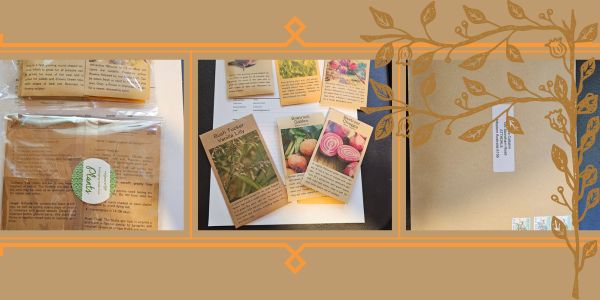
Not only are our seeds packed in recycled paper envelopes, we keep the theme going when we post out website orders. To protect your seeds from moisture and the letter box munchers (snails), we use a very special plastic free material made from plants. They are then put into recycled mailing envelopes. Green all the way ????????
Delivery Guarantee
We take great care to make sure your seeds arrive safely. If your order is lost or damaged in transit, we’ll happily send a replacement. Unfortunately, we can’t replace or refund orders that arrive later than the estimated delivery date, as delays can sometimes occur that are outside our control.
Please note that all dispatch and delivery times listed are estimates only. While we do our best to post promptly, delivery timeframes can vary due to postal service delays, weather events, or other unforeseen circumstances. We’re unable to take responsibility for any loss, damage, or cost that results from a late delivery.
An order is not considered missing until at least 20 business days have passed from the postage date. You’ll receive an email once your seeds have been posted, letting you know they’re on their way. If you don’t see it in your main inbox, please check your Spam or Promotions folders as sometimes our emails like to hide there.

See all our verified customer reviews on our official CusRev profile.