


Angelica
$4.95
Archangelica Umbelliferae
- Seed count 50
- Culinary And Medicinally Herb
- Hardy Biennial
- Height 2 m
In stock
Description
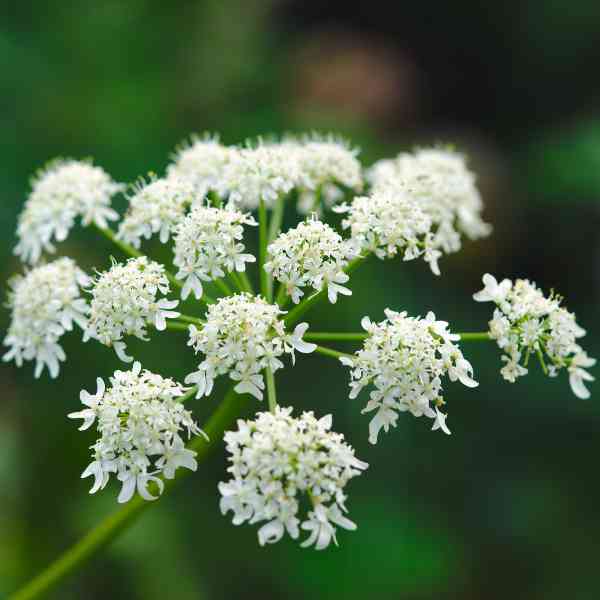
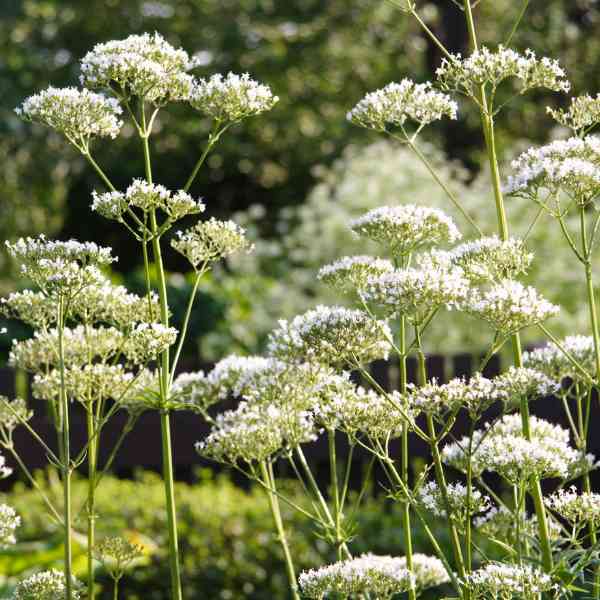
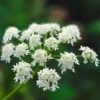
Angelica makes an attractive backdrop for other plants, not only because of its height. Angelica’s bright green leaves, made up of three finely toothed leaflets, and its stems also are a pleasing contrast in the garden.
Angelica’s long sturdy hollow stems are ribbed. Delicately coloured, they start out purple at the base and lighten to a pale yellow green.
All parts of the aromatic plant have culinary or medicinal uses, but it is best known for its candied stems, used as a cake decoration.
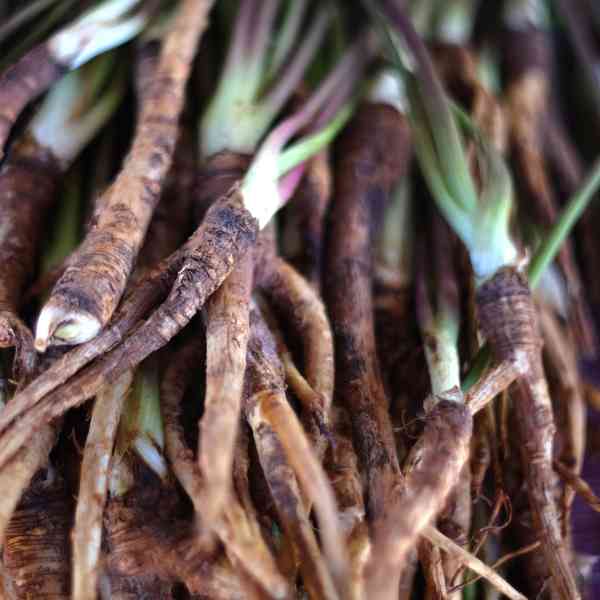
The stems and seeds for use in confectionery and flavouring and the preparation of liqueurs. (e.g. Chartreuse, Bénédictine, Vermouth and Dubonnet). Angelica seeds and angelica roots are sometimes used in making absinthe.
In their first year, plants produce leafy bushes, and then die back in winter. They reappear in spring to reach their full potential. They do best in a part sun position with lots of water.
| Method: Sow direct | Soil Temp: 10°C - 25°C |
| Cool Mountain: Oct - Dec | Position: Part Sun |
| Arid: Jul - Sep | Row Spacing: 45 cm |
| Temperate: Sep - Dec | Planting Depth: 1mm |
| Sub Tropical: Jul - Nov | Harvest: 365 days |
| Tropical: May - Jun | Plant Height: 2 m |
🌿 Angelica Grow Guide
Angelica is a tall, dramatic herb grown for its bold foliage, hollow stems, rounded flower heads, aromatic seeds, and strong cottage-garden presence. It suits herb gardens, pollinator beds, woodland edges, damp garden corners, and mixed perennial borders where its height can be used as a feature.
Angelica is often grown as a short-lived perennial or biennial. It usually produces leafy growth first, then sends up tall flowering stems later in its life cycle. Once it flowers and sets seed, the parent plant may decline or die, so saving seed or allowing a few seedlings to appear is useful if you want to keep it in the garden long term.
🌱 Sowing in Trays Versus Direct Sowing
Angelica can be direct sown or started in trays, but sowing in deep trays, tubes, or root trainers is usually the best method for most gardeners. The seed can be slow and uneven, and young seedlings benefit from controlled moisture and protection. However, angelica develops a deep root system, so shallow trays are not ideal.
Use deep cells or small individual pots filled with a fine, moisture-retentive seed-raising mix. Sow seed shallowly, pressing it gently into the surface and covering with only a very light layer of fine mix. Keep the surface evenly moist but not soggy. Angelica seed is best treated with patience, as germination can be irregular.
Once seedlings are large enough to handle, move them into individual deep pots if they are not already growing separately. Plant them into their final position while still young and before they become root-bound. Avoid rough handling or teasing out the roots, as angelica dislikes root disturbance.
Direct sowing can work well in a clean, prepared bed, especially if the soil is moist and weed-free. The main challenge is that seed can be lost, dry out, or be overtaken by weeds before seedlings are strong enough to compete.
For the best balance of control and root protection, deep-cell tray sowing is preferred.
🌾 Seed Pre-Treatment
Angelica seed usually benefits from cold, moist pre-treatment. Fresh seed is very important, as angelica seed can lose viability quickly when stored for too long.
To pre-treat seed, place it on a lightly damp paper towel, fold it over, and place it in a labelled bag or small container. Keep it in the fridge for about 3 to 6 weeks. The towel should stay slightly moist, not wet. After chilling, sow the seed promptly into deep cells or pots.
Another method is to sow the seed into trays first, water gently, cover lightly, and place the whole tray somewhere cool for the cold, moist period before moving it into bright growing conditions.
Do not soak angelica seed for long periods. The goal is cool moisture and time, not saturation. Cold, moist pre-treatment is recommended for more reliable germination.
🌞 Soil and Position
Angelica grows best in full sun to partial shade. In hot or exposed gardens, light shade is helpful because angelica prefers steady moisture and can suffer if the soil dries too quickly. A position with morning sun and afternoon protection often works well.
The soil should be deep, fertile, moisture-retentive, and free-draining. Angelica likes richer soil than many Mediterranean herbs. Before planting, improve the soil with compost, aged manure, worm castings, or well-rotted organic matter. The aim is soil that holds moisture around the roots but does not become waterlogged.
Avoid shallow, dry, compacted soil. Angelica has a strong root system and needs depth. In sandy soil, add plenty of organic matter to improve moisture retention. In heavy clay, improve structure with compost and plant slightly raised so excess water can drain away.
Angelica can be grown in large containers, but the pot must be deep and wide. A small pot will restrict root growth and may lead to stressed, undersized plants. Use a quality potting mix and keep moisture consistent.
💧 Care and Maintenance
Angelica needs steady moisture, especially while young and during strong leafy growth. Water deeply when the top layer of soil begins to dry. Avoid letting the plant repeatedly wilt, as dry stress can reduce leaf quality and may encourage early flowering.
Mulch around the base with compost, straw, sugarcane mulch, or leaf mould to conserve moisture and reduce weeds. Keep mulch slightly away from the crown to prevent rot.
Feed lightly but regularly if the soil is poor. Compost, worm tea, liquid seaweed, or a gentle balanced fertiliser can support strong growth. Avoid excessive nitrogen, as it can create soft growth that is more attractive to pests.
Because angelica can become tall, choose a sheltered position or provide support if flower stems lean. In windy areas, a discreet stake can prevent stems from snapping.
Remove old or damaged leaves to improve airflow. If you do not want seedlings appearing around the garden, remove flower heads before seed drops. If you do want to save seed, leave selected flower heads to mature fully.
Only harvest from plants you have confidently grown from known seed. Angelica belongs to a plant family that includes dangerous lookalikes, so never gather similar-looking plants from the wild unless identification is expert and certain.
🐝 Companion Planting Guide
Angelica is excellent for beneficial insects. Its rounded flower heads attract bees, hoverflies, ladybirds, lacewings, tiny wasps, and other helpful garden insects. It is especially useful in pollinator gardens and mixed vegetable areas.
Good companions include yarrow, chamomile, calendula, alyssum, dill, coriander, parsley, fennel, chives, lettuce, silverbeet, kale, cabbage, broccoli, beetroot, carrots, peas, beans, echinacea, cosmos, and borage.
Angelica works well near leafy greens and brassicas because it helps draw beneficial insects into the garden. It also combines beautifully with cottage flowers and other tall herbs.
Avoid planting angelica beside very small or delicate plants that may be shaded by its large leaves. It is also not ideal beside dry-loving herbs such as thyme, rosemary, oregano, and lavender unless each plant has its own suitable watering zone. Angelica prefers richer, moister soil than those herbs.
✂️ How to Harvest
Angelica can be harvested for leaves, young stems, flowers, and seeds. Harvest lightly from young plants so they have enough foliage to keep growing strongly.
Leaves can be picked when fresh and green. Use clean scissors and take outer leaves rather than cutting the plant heavily from the centre. Young leaves are usually more tender and aromatic than older leaves.
Stems are best harvested while still young, fresh, and not woody. Cut cleanly near the base of the stem and use promptly. Older stems can become fibrous.
Flowers can be cut when the rounded heads are newly open. They are attractive in arrangements and useful for pollinator-friendly garden displays.
Seeds are harvested when the flower heads have dried and the seeds are mature, firm, and brownish. Cut the seed heads before they shatter and drop.
Angelica has strong traditional herbal uses, but it should be used carefully. Do not use angelica medicinally without qualified advice, especially during pregnancy, breastfeeding, when taking medication, or if you have health conditions affected by blood thinning, blood sugar, or photosensitivity.
⚠️ Common Issues and Fixes
| Issue | Likely Cause | Fix |
|---|---|---|
| Poor germination | Old seed, no cold pre-treatment, seed dried out | Use fresh seed, cold moist pre-treat, keep evenly moist |
| Patchy seedlings | Natural uneven germination, inconsistent moisture | Allow extra time, mist gently, keep conditions steady |
| Seed rotting | Mix too wet, poor drainage, overwatering | Use free-draining mix and keep moist, not soggy |
| Seedlings collapse | Fungal disease, poor airflow, overly wet mix | Improve ventilation, water carefully, use clean seed mix |
| Leggy seedlings | Not enough light or overcrowding | Move to brighter light and pot on early |
| Slow growth | Poor soil, dry conditions, root restriction | Improve soil, water deeply, use deeper pots |
| Yellowing leaves | Waterlogging, nutrient shortage, old foliage | Improve drainage, feed lightly, remove tired leaves |
| Wilting | Dry soil, root disturbance, heat stress | Water deeply, mulch, avoid transplanting large seedlings |
| Plant flowers early | Stress, dry soil, cramped roots, plant maturity | Keep evenly moist, avoid root restriction, plant out young |
| Stems snap | Wind exposure or tall unsupported growth | Plant in a sheltered spot or stake flowering stems |
| Aphids | Soft new growth attracting sap-sucking insects | Hose off gently, encourage beneficial insects, avoid overfeeding |
| Leaf spots | Damp foliage, poor airflow, crowded plants | Space well, water at soil level, remove affected leaves |
| Powdery mildew | Poor airflow, dry roots with humid conditions | Mulch, water consistently, thin surrounding growth |
| Slug or snail damage | Tender young seedlings exposed | Protect seedlings, check at night, use barriers |
| Root rot | Heavy wet soil or buried crown | Improve drainage, keep crown clear, avoid constant wetness |
| Unwanted seedlings | Seed heads left to drop | Remove flower heads before seed falls or collect seed promptly |
🌰 Detailed Seed Saving Guide
Saving angelica seed is important because the plant is often short-lived after flowering. Choose healthy, vigorous plants with strong stems, good leaf growth, clean foliage, and no signs of disease. Avoid saving seed from weak plants, plants that flowered too early from stress, or plants that struggled badly with pests.
Allow selected flower heads to remain on the plant after flowering. The rounded heads will gradually dry and turn brownish. Seed is ready when it is firm, dry, and easy to rub from the seed head. Do not harvest too early, as immature seed may not germinate well.
Watch carefully as the seed matures. Angelica seed can fall once fully dry, so collect it before it scatters. Cut whole seed heads into a paper bag and label the bag immediately.
Hang or place the bag in a dry, shaded, airy location for one to two weeks so the seed heads can finish drying. Once fully dry, rub the heads gently between your fingers over a clean tray or sheet of paper to release the seed.
Remove large pieces of stem and chaff by hand. A sieve can help, but work gently so the seed is not damaged. Spread the cleaned seed on paper for a few extra days to make sure it is completely dry.
Store seed in a labelled paper envelope or small airtight jar. Include the plant name, collection date, and any useful notes about plant size, vigour, or flavour. Keep seed in a cool, dark, dry place.
Angelica seed is best used fresh. For the strongest germination, sow saved seed as soon as practical rather than storing it for long periods. Save seed from several healthy plants if possible to maintain vigour.
🌿 Final Thoughts
Angelica is a bold, beautiful, and useful herb for gardeners who can offer deep soil, steady moisture, and enough space. It is best started in deep trays, tubes, or root trainers because the seed benefits from controlled conditions, but the young plant still needs room for its deep roots. Cold, moist pre-treatment and fresh seed are the keys to better germination.
Give angelica rich free-draining soil, partial shade in harsh positions, regular moisture, and space to grow tall. Harvest lightly, support stems if needed, and save fresh seed from strong plants so the next generation is ready to continue in the garden.
3 reviews for Angelica

Postage Charge
Orders under $40 attract a $5.50 shipping charge. Orders $35 and above have free shipping.
*** We cannot deliver to Parcel Lockers ***
Order Times
Seed orders are normally dispatched within three business days. You will receive an email when seeds are mailed out.
Postage Days
Seeds are mailed out Tuesday to Friday at 1pm. Except for the Friday of long weekends.
Postage Times
WA 2-3 Days: SA,NT 3-5 Days: NSW, ACT, QLD, VIC: 5-7 Days
Carrier
We use Australia Post Letter Postage for the majority of orders.
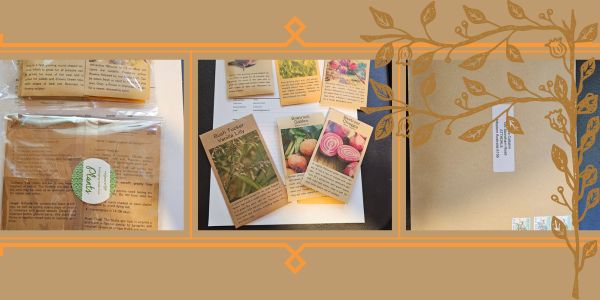
Not only are our seeds packed in recycled paper envelopes, we keep the theme going when we post out website orders. To protect your seeds from moisture and the letter box munchers (snails), we use a very special plastic free material made from plants. They are then put into recycled mailing envelopes. Green all the way ????????
Delivery Guarantee
We take great care to make sure your seeds arrive safely. If your order is lost or damaged in transit, we’ll happily send a replacement. Unfortunately, we can’t replace or refund orders that arrive later than the estimated delivery date, as delays can sometimes occur that are outside our control.
Please note that all dispatch and delivery times listed are estimates only. While we do our best to post promptly, delivery timeframes can vary due to postal service delays, weather events, or other unforeseen circumstances. We’re unable to take responsibility for any loss, damage, or cost that results from a late delivery.
An order is not considered missing until at least 20 business days have passed from the postage date. You’ll receive an email once your seeds have been posted, letting you know they’re on their way. If you don’t see it in your main inbox, please check your Spam or Promotions folders as sometimes our emails like to hide there.
See all our verified customer reviews on our official CusRev profile.
See all our verified customer reviews on our official CusRev profile.
See all our verified customer reviews on our official CusRev profile.