




Strawberry Baron Solemacher
$6.59
Fragaria Vesca
- Seed Count 500
- Also known as Wild Strawberry
- Perennial
Out of stock
Email when stock available
Description
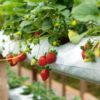
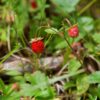
Strawberry Baron Solemacher is an extremely productive, perennial, alpine style strawberry that is a true winner in the garden, providing strawberries for a continual harvest throughout summer.
It’s also an early-fruiting variety – the first strawberries may develop as quickly as 3 months after sowing. It yields dainty clusters of deep red, sweet and juicy berries, which can be up to 25 mm in diameter.
This is an easy landscape plant that stays compact and does not produce runners, making them suitable for rock gardens, path edgings, pots, and window boxes. Choose a position in full sunshine, strawberry plants may also be grown in containers, towers and even hanging baskets.
Popular in their raw state and a joyous addition to pastries – young and old alike will love the sweetness and heady aroma of these strawberries, which fill any room with a beautiful fragrance.
| Method: Raise seedlings | Soil Temp: 15°C - 18°C |
| Cool Mountain: Mar - Apr, Sept - Nov | Position: Full sun |
| Arid: Mar - May | Row Spacing: 15cm apart |
| Temperate: Jun - Aug | Planting Depth: 3mm |
| Sub Tropical: Mar - May | Harvest: 150 days |
| Tropical: Apr - Jun | Plant Height: 15cm |
🍓 Alpine Strawberry Grow Guide
Alpine strawberries are small-fruited, highly aromatic strawberries grown for their sweet berries, compact plants, and charming garden presence. The fruit is usually much smaller than common garden strawberries, but the flavour can be intense, fragrant, and beautifully sweet when fully ripe. They are excellent for pots, hanging baskets, raised beds, herb gardens, edible borders, cottage gardens, and children’s gardens.
Unlike larger strawberry types, alpine strawberries are often grown from seed and usually form neat clumps rather than sending out lots of runners. This makes them easy to manage in small spaces. They reward patience, because seed-grown plants are slow at first, but once established they can produce steady harvests of tiny berries.
🌱 Sowing in Trays Versus Direct Sowing
Alpine strawberries can be direct sown, but sowing in trays is strongly recommended. The seed is extremely small, seedlings are delicate, and germination can be slow or uneven. Tray sowing gives much better control over moisture, light, temperature, and protection from pests.
To sow in trays, use a fine seed-raising mix. Scatter the seed thinly over the surface and press it down gently. Do not bury the seed deeply, as alpine strawberry seed needs light to germinate well. A very light dusting of fine vermiculite or seed mix is enough, or the seed can be left on the surface if it has firm contact with the mix.
Mist gently with water and keep the surface evenly moist, not soggy. A clear cover can help hold humidity, but remove it regularly for airflow and take it off once seedlings appear. Germination can take time, so do not discard trays too early.
Once seedlings have several true leaves and are large enough to handle, pot them on carefully into small individual pots. Grow them until they have a strong root system before planting into their final position.
Direct sowing is not ideal because the tiny seed can wash away, dry out, become buried too deeply, or be lost among weeds. For most gardeners, tray sowing is the best method.
🌾 Seed Pre-Treatment
Alpine strawberry seed often benefits from cold, moist pre-treatment. This helps improve germination and can make sprouting more even.
To pre-treat the seed, place it on a lightly damp paper towel, fold the towel over, and place it inside a labelled bag or small container. Keep it in the fridge for about 2 to 4 weeks. The towel should stay slightly moist but not wet. After chilling, sow the seed promptly onto the surface of seed-raising mix.
Another simple method is to sow the seed into trays first, lightly moisten the surface, cover the tray, and place the whole tray in the fridge for the same period before moving it into bright growing conditions.
Do not soak alpine strawberry seed in water for long periods. The seed is tiny and can become difficult to handle or rot if kept too wet. Cold, moist pre-treatment is recommended for best results, especially if the seed has been stored dry.
🌞 Soil and Position
Alpine strawberries grow best in full sun to light partial shade. Strong light encourages good flowering and fruiting, while light shade can help protect plants from harsh heat and keep fruit quality high.
The soil should be fertile, well-drained, moisture-retentive, and rich in organic matter. Alpine strawberries like steady moisture, but they do not like sitting in waterlogged soil. Before planting, improve the soil with compost, worm castings, or well-rotted organic matter.
Good drainage is important. In heavy soil, plant into raised beds or improve the structure with compost. In sandy soil, compost helps hold moisture and nutrients around the roots.
Alpine strawberries grow beautifully in containers. Choose pots with drainage holes and use a premium potting mix. Because the plants are compact, they suit smaller spaces, but they still need enough root room to stay productive. Avoid shallow pots that dry out too quickly.
💧 Care and Maintenance
Alpine strawberries need steady care rather than heavy maintenance. Keep the soil consistently moist, especially while seedlings are establishing and while plants are flowering and fruiting. Dry stress can reduce fruit size, flavour, and yield.
Mulch around the plants with straw, sugarcane mulch, fine bark, or dry leaves. Mulch helps conserve moisture, suppress weeds, and keep berries cleaner. Keep mulch slightly away from the crown of the plant to prevent rot.
Feed lightly but regularly. Compost, worm castings, liquid seaweed, or a gentle berry fertiliser can support healthy leaves and fruiting. Avoid heavy nitrogen feeding, as this can encourage leafy growth at the expense of flowers and berries.
Remove old, yellowing, or damaged leaves to improve airflow. Good airflow helps reduce fungal issues and keeps plants healthier. If plants become crowded, divide older clumps and replant the strongest pieces.
Alpine strawberries often produce few or no runners, so they are usually maintained by seed saving or division rather than runner propagation. Regular picking encourages more flowers and helps prevent fruit from spoiling on the plant.
🐝 Companion Planting Guide
Alpine strawberries grow well with plants that attract pollinators, protect soil, and enjoy similar moisture and fertility.
Good companions include borage, calendula, alyssum, chamomile, chives, thyme, parsley, basil, lettuce, spinach, silverbeet, beetroot, carrots, peas, beans, marigold, nasturtium, yarrow, and violas.
Borage, calendula, alyssum, chamomile, yarrow, and violas help attract bees and beneficial insects. This can improve pollination and support a healthier garden. Chives and thyme make good nearby herbs because they stay fairly compact and add aromatic diversity.
Lettuce and other leafy greens can grow well nearby, especially where they do not shade the strawberry plants too heavily. Low flowers around the edge of a strawberry bed can make the area attractive and useful for pollinators.
Avoid planting alpine strawberries where they will be shaded by large leafy crops or crowded by vigorous groundcovers. Also avoid planting them in wet, poorly drained areas, as crown and root rot can become a problem.
✂️ How to Harvest
Harvest alpine strawberries when the berries are fully coloured, fragrant, and slightly soft. They should detach easily from the plant when ripe. The best flavour develops when berries are fully mature, so avoid picking them too pale or firm.
Pick gently, as the fruit is delicate and bruises easily. Use your fingers or small snips and keep the little green cap attached if you want the fruit to store slightly better. Alpine strawberries are best eaten soon after picking because they are soft and do not store as well as larger commercial strawberries.
Check plants often, as ripe berries can hide under leaves. Regular harvesting prevents fruit from becoming overripe, mouldy, or damaged by insects.
The fruit is excellent fresh, scattered over desserts, added to breakfast bowls, used in drinks, made into small-batch jam, or frozen in small quantities for later use.
⚠️ Common Issues and Fixes
| Issue | Likely Cause | Fix |
|---|---|---|
| Poor germination | No cold pre-treatment, old seed, seed buried too deeply | Cold moist pre-treat seed, use fresh seed, surface sow |
| Seedlings very slow | Natural slow early growth, low light, cool mix | Be patient, provide bright light, keep evenly moist |
| Seed washing away | Heavy watering or rough misting | Water gently from below or use a very fine mist |
| Seedlings collapse | Overwatering, poor airflow, fungal disease | Use clean mix, avoid soggy conditions, remove humidity cover after germination |
| Leggy seedlings | Not enough light or overcrowding | Move to brighter light and thin or pot on carefully |
| Few flowers | Too much shade, too much nitrogen, young plants | Increase light, reduce nitrogen feeding, allow plants to mature |
| Small berries | Dry soil, poor feeding, weak plants | Water consistently, feed lightly, mulch well |
| Bland fruit | Picked too early, not enough light, excess water | Harvest fully ripe fruit, provide stronger light, water evenly |
| Fruit rotting | Wet mulch, poor airflow, fruit sitting on damp soil | Use clean dry mulch, improve spacing, harvest often |
| Yellowing leaves | Waterlogging, nutrient shortage, old foliage | Improve drainage, feed gently, remove old leaves |
| Brown leaf edges | Dry stress, heat, salt build-up in pots | Water deeply, mulch, flush pots occasionally |
| Holes in leaves | Slugs, snails, caterpillars, or beetles | Inspect regularly, protect young plants, hand-pick pests |
| Birds eating fruit | Ripe berries exposed | Use bird netting or grow in protected containers |
| Ants around fruit | Overripe berries or aphids nearby | Harvest promptly, control aphids, remove damaged fruit |
| Aphids | Soft new growth attracting sap-sucking insects | Hose off gently, encourage beneficial insects, use insecticidal soap if needed |
| Powdery mildew | Poor airflow, stressed plants, crowded growth | Space plants well, remove affected leaves, water at soil level |
| Crown rot | Plant crown buried, wet soil, poor drainage | Keep crown above soil level, improve drainage, avoid overwatering |
🌰 Detailed Seed Saving Guide
Saving alpine strawberry seed is possible, but it requires care because the seeds are tiny and sit on the outside of the fruit. Choose healthy, productive plants with excellent flavour, good berry size, strong growth, and no signs of disease. Avoid saving seed from weak plants, bland fruit, or plants that suffer badly from mildew or rot.
Select fully ripe berries from the best plants. The fruit should be deeply coloured, fragrant, and soft enough to eat. Do not save seed from underripe fruit, as the seed may not be fully mature.
There are two simple ways to collect seed.
The first method is the drying method. Mash ripe berries thinly onto a piece of baking paper or paper towel. Let the fruit dry completely in a shaded, airy place. Once dry, gently rub the dried fruit material between your fingers to release the seeds. Separate as much dry pulp from the seed as possible.
The second method is the water method. Mash ripe berries in a small bowl of water, stir gently, and allow the mixture to settle. Good seed often sinks, while some pulp and poor seed may float. Pour off the floating material carefully, add fresh water, and repeat until the seed is cleaner. Strain the seed through a very fine sieve or coffee filter, then spread it on paper to dry.
Dry the cleaned seed thoroughly in a shaded, airy place. This may take several days. The seed must be completely dry before storage, as any trapped moisture can cause mould.
Store the seed in a labelled paper envelope or small airtight jar. Include the plant name, fruit colour if useful, flavour notes, and collection date. Keep the seed in a cool, dark, dry place.
For stronger future plants, save seed from several healthy plants rather than only one. Seed-grown alpine strawberries can show some natural variation, so keep the best seedlings and remove weak ones as they grow.
🌿 Final Thoughts
Alpine strawberries are small, delicate, and slow to start, but they are very rewarding once established. They are best grown from seed in trays because the seed is tiny and needs careful moisture control. Cold, moist pre-treatment is recommended for better germination, and surface sowing is essential.
Give alpine strawberries fertile free-draining soil, steady moisture, good light, mulch, and gentle feeding. Harvest berries when fully ripe for the best flavour, protect fruit from pests, and save seed only from your healthiest and tastiest plants. With patience, alpine strawberries can become a charming, productive, and delicious feature in pots, borders, and edible gardens.
1 review for Strawberry Baron Solemacher

Postage Charge
Orders under $40 attract a $5.50 shipping charge. Orders $35 and above have free shipping.
*** We cannot deliver to Parcel Lockers ***
Order Times
Seed orders are normally dispatched within three business days. You will receive an email when seeds are mailed out.
Postage Days
Seeds are mailed out Tuesday to Friday at 1pm. Except for the Friday of long weekends.
Postage Times
WA 2-3 Days: SA,NT 3-5 Days: NSW, ACT, QLD, VIC: 5-7 Days
Carrier
We use Australia Post Letter Postage for the majority of orders.
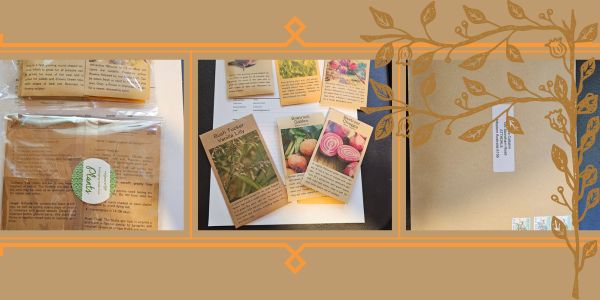
Not only are our seeds packed in recycled paper envelopes, we keep the theme going when we post out website orders. To protect your seeds from moisture and the letter box munchers (snails), we use a very special plastic free material made from plants. They are then put into recycled mailing envelopes. Green all the way ????????
Delivery Guarantee
We take great care to make sure your seeds arrive safely. If your order is lost or damaged in transit, we’ll happily send a replacement. Unfortunately, we can’t replace or refund orders that arrive later than the estimated delivery date, as delays can sometimes occur that are outside our control.
Please note that all dispatch and delivery times listed are estimates only. While we do our best to post promptly, delivery timeframes can vary due to postal service delays, weather events, or other unforeseen circumstances. We’re unable to take responsibility for any loss, damage, or cost that results from a late delivery.
An order is not considered missing until at least 20 business days have passed from the postage date. You’ll receive an email once your seeds have been posted, letting you know they’re on their way. If you don’t see it in your main inbox, please check your Spam or Promotions folders as sometimes our emails like to hide there.
See all our verified customer reviews on our official CusRev profile.