
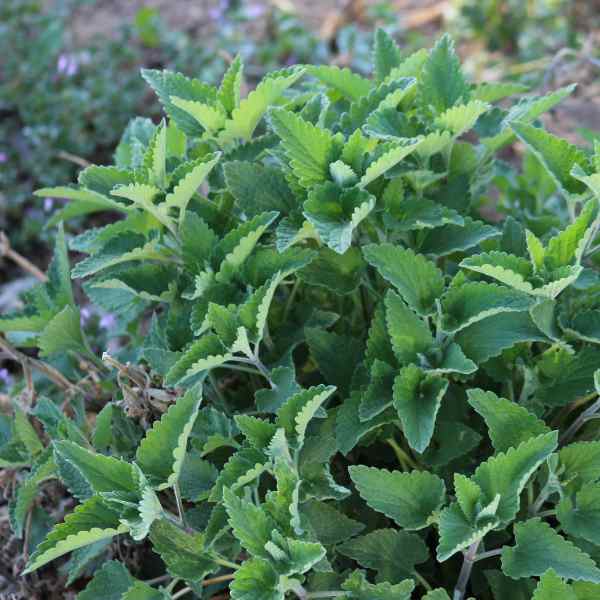

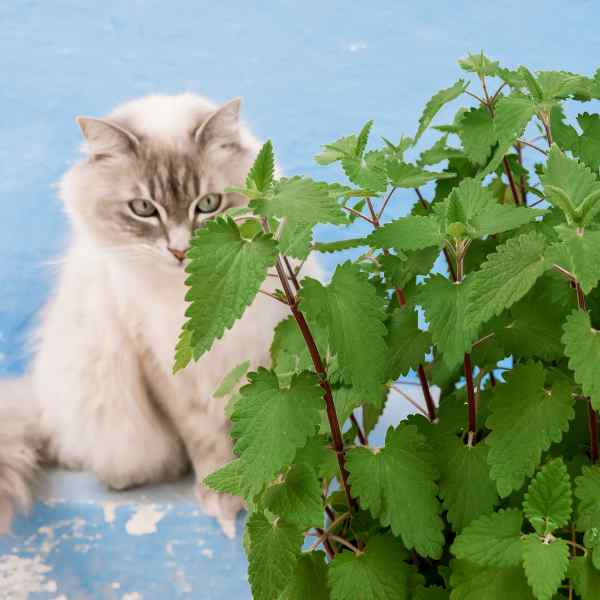
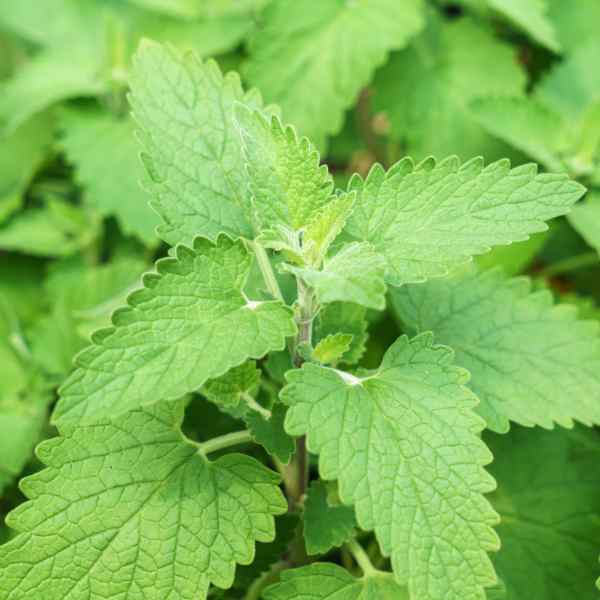




Catnip
$4.95
Nepeta Cataria
- Seed count 400
- Medicinal Herb
- Perennial
In stock
Description
Catnip is a hardy perennial thrives without fuss, offering a lush, mint-scented presence in beds or pots. Its heart-shaped leaves and delicate blue flowers might seem modest, but beneath that greenery lies a plant brimming with purpose, both for our feline companions and ourselves.
For Cats the compound nepetalactone in its leaves acts as a natural stimulant, triggering everything from euphoric rolling and rubbing to energetic bursts of play. Not every cat responds, but for those that do, fresh catnip becomes a safe, enriching treat. Sprinkle dried leaves on scratching posts to redirect clawing habits, or stuff a homemade toy with homegrown catnip to reward curious kittens. Interestingly, in smaller doses, catnip can also have a mellowing effect; a pinch in a travel carrier may soothe a nervous cat during vet trips.
Beyond its role as a feline entertainer, catnip has a storied past in herbal traditions. The leaves and flowers, when dried, brew into a mild, grassy tea that’s been sipped for centuries. Unlike its mint relatives, catnip tea carries a subtle earthiness, often paired with honey or lemon. Historically, it’s been embraced for its calming properties, a cup before bed to ease restlessness, or during stressful days to take the edge off. Some herbalists have also used it to support digestion or relieve mild headaches, though it’s always wise to consult a professional before diving into herbal remedies.
Topically, catnip’s applications stretch further. Crushed leaves can be infused into oils or salves for minor skin irritations, thanks to gentle anti-inflammatory qualities. Gardeners might even appreciate its reputation as a mosquito deterrent – a handful of bruised leaves rubbed on skin offers a short-term, chemical-free shield against bites.
This attractive perennial looks wonderful when covered in flower from early summer with its pale, lavender-blue flowers perfectly complement the hairy, scalloped and wrinkled, silvery, blue-green leaves. From afar the flowers appear as a haze of blue. It is a magnet for butterflies, hummingbirds and especially bees.
| Method: Raise Seedlingd | Soil Temp: 21°C - 24°C |
| Cool Mountain: Sep - Dec | Position: Full sun |
| Arid: Jun, Jul/Apr, May | Row Spacing: 30 cm |
| Temperate: Aug, Nov/Mar, Jun | Planting Depth: 1 mm |
| Sub Tropical: Aug, Nov/Mar, Jun | Harvest: 90 days |
| Tropical: Apr - Jul | Plant Height: 150 cm |
🌿 Catnip Grow Guide
🌱 Overview
Catnip is a hardy, aromatic perennial herb grown for its soft grey-green leaves, minty scent, small flowering spikes, and famous appeal to many cats. It is a useful plant in herb gardens, pollinator beds, cottage gardens, pots, wildlife-friendly spaces, and vegetable garden edges. Bees and beneficial insects are strongly attracted to the flowers, making catnip a valuable companion plant as well as a practical household herb.
The leaves can be dried for cat toys, sachets, and enrichment blends. They can also be used as a mild herbal tea when grown cleanly and used appropriately. Cat response varies, so some cats become playful and excited around catnip, while others show little interest. Very young kittens often respond less strongly than mature cats.
Catnip belongs to the mint family, so it is easy to grow and can become vigorous once established. It is usually less invasive than common mint, but it can still self-seed and spread if left unmanaged. For tidy gardens, grow it in pots or deadhead regularly.
🌾 Sowing in Trays Versus Direct Sowing
Catnip can be grown by sowing in trays or by direct sowing, but tray sowing is usually the best method for home gardeners. The seed is small, and young seedlings are easier to protect in a controlled space. Starting in trays also helps prevent tiny seedlings from being lost among weeds or damaged by slugs, snails, ants, birds, heavy rain, or rough watering.
To sow in trays, fill a punnet, cell tray, or small pot with fine seed-raising mix. Moisten the mix first, then scatter the seed thinly over the surface. Cover very lightly with fine mix or vermiculite, about 1 to 2 mm deep. Catnip seed should not be buried deeply. Water with a mist spray or from below so the seed is not washed into clumps. Keep the mix evenly moist but never soggy.
Direct sowing can work in a finely prepared, weed-free bed. Scatter the seed thinly, press it gently into the soil, cover only lightly, and water with a soft spray. Thin seedlings early so each plant has enough room to branch.
Best method: tray sowing is recommended because catnip seed is small and seedlings are easier to protect, thin, and transplant once sturdy. Direct sowing is useful for informal herb patches or pollinator areas where a natural look is wanted.
💧 Seed Pretreatment
Catnip seed does not usually require pretreatment. Fresh seed will often germinate with shallow sowing, steady moisture, and bright conditions.
For older seed or seed that has germinated poorly before, a short cool, moist treatment can improve results. Place the seed in a labelled container with slightly damp seed mix or paper towel for 2 to 3 weeks, then sow shallowly into seed-raising mix. This is optional rather than essential.
Soaking is not recommended because the seed is small and becomes difficult to handle when wet. No scarifying or smoke treatment is needed.
🪴 Soil and Position
Catnip grows best in well-drained soil with moderate fertility. It does not need rich soil and can become overly soft and floppy if overfed. A light loam, sandy loam, raised bed, herb bed, or quality potting mix is ideal.
Choose a position in full sun to light part shade. Full sun gives stronger scent, compact growth, and more flowers. Light part shade is useful in very hot or exposed gardens, especially for potted plants. Too much shade can make catnip leggy and weak.
For pots, use a container with drainage holes and a quality potting mix. A medium to large pot is better than a tiny one, as catnip develops a useful root system and responds well to regular cutting. Pots are also helpful if local cats are likely to roll on young plants before they are established.
Avoid soggy ground. Catnip dislikes wet feet and may rot if planted into heavy, poorly drained soil.
🌿 Care and Maintenance
Catnip is easy to care for once established. Keep seedlings evenly moist while young, then water more deeply and less often as plants mature. Established catnip can tolerate short dry spells, but steady moisture gives better leaf production.
Mulch lightly around garden plants with straw, fine bark, composted leaves, or sugarcane mulch. Keep mulch slightly away from the crown so the base does not stay wet. Mulch helps reduce weeds and protect soil moisture.
Feeding should be light. A small amount of compost before planting is usually enough. If growing in pots, use a mild liquid herb feed occasionally during active growth. Avoid heavy nitrogen feeding because it can reduce scent intensity and create soft growth.
Pinch young plants to encourage bushiness. Once the plant is established, regular trimming is the best way to keep it compact and leafy. If stems become long, woody, or untidy, cut the plant back by about one third to encourage fresh growth.
Deadhead spent flowers if you want to reduce self-seeding. Leave some flowers if you want to attract bees or save seed.
Protect young plants from cats until they are strong. A wire cloche, upturned basket, plant guard, or pot placed on a raised surface can stop cats from flattening seedlings.
🌼 Companion Planting Guide
Catnip is a useful companion herb because its flowers attract bees, hoverflies, lacewings, and other beneficial insects. Its aromatic foliage may also help confuse some pests when planted near vegetables and herbs.
Good companions include tomatoes, capsicum, eggplant, beans, peas, cabbage, broccoli, kale, lettuce, spinach, beetroot, carrot, radish, strawberries, parsley, chives, thyme, oregano, sage, calendula, alyssum, marigold, nasturtium, cornflower, cosmos, and zinnia.
Catnip works well near vegetable bed edges, herb gardens, pollinator strips, and fruiting crops. It is especially useful where you want a hardy flowering herb that can handle regular trimming.
Avoid planting catnip beside delicate seedlings that may be crushed if cats are attracted to the plant. Also avoid placing it next to moisture-loving plants that need constantly wet soil, as catnip prefers drainage and airflow.
✂️ How to Harvest
Catnip can be harvested for fresh leaves, dried leaves, flowers, cat toys, sachets, tea, and seed. The best harvest comes from healthy, unsprayed plants.
For fresh use, pick young leafy stems once the plant is well established. Harvest in the morning after dew has dried. Use clean snips and cut just above a leaf node so the plant branches again.
For drying, cut stems before or during early flowering, when the scent is strong and the leaves are fresh. Tie small bunches and hang them upside down in a dry, shaded, airy place. Once crisp, strip the leaves and flowers from the stems and store them in an airtight jar away from light and moisture.
For cats, dried catnip can be used in toys, scratching post rubs, bedding sachets, or enrichment sprinkles. Use small amounts at first, as some cats can become overstimulated or may get an upset stomach if they eat too much.
For tea, use clean dried leaves sparingly. Avoid using catnip medicinally for pregnancy, children, or health conditions unless guided by a qualified professional.
⚠️ Common Issues and Fixes
| Issue | Likely Cause | Fix |
|---|---|---|
| Poor germination | Old seed, deep sowing, dry surface, or rough watering | Use fresh seed, sow shallowly, mist gently, and keep evenly moist |
| Germination is slow | Older seed or uneven moisture | Try optional cool moist treatment and keep conditions steady |
| Seedlings collapse | Damping off from soggy mix or poor airflow | Use clean seed mix, avoid overwatering, and improve ventilation |
| Leggy seedlings | Not enough light or overcrowding | Move to brighter light and thin seedlings early |
| Seedlings disappear | Slugs, snails, ants, birds, heavy rain, or cats | Start in trays and protect with barriers or cloches |
| Plant flattened by cats | Cats rolling on or chewing the plant | Protect young plants with wire guards until established |
| Weak scent | Too much shade, excess fertiliser, or soft growth | Grow in more sun, reduce feeding, and harvest mature fresh growth |
| Yellow leaves | Waterlogging, nutrient stress, or old lower leaves | Improve drainage, feed lightly if needed, and remove tired leaves |
| Powdery mildew | Poor airflow, crowding, or moisture stress | Space plants well, trim regularly, and water at soil level |
| Aphids | Soft new growth or stressed plants | Hose off gently, encourage ladybirds, and avoid overfeeding |
| Spider mites | Hot dry stress, especially in pots | Water consistently, improve plant health, and remove badly affected growth |
| Woody growth | Plant not trimmed regularly | Cut back after flowering and encourage fresh shoots |
| Plant self-seeds too much | Flowers left to mature and drop seed | Deadhead before seed ripens or grow in pots |
| Root rot | Soil staying too wet | Improve drainage, reduce watering, and avoid soggy containers |
🌰 Detailed Seed Saving Guide
Saving catnip seed is simple if you allow some flower spikes to mature. Choose the healthiest plants with the strongest scent, good leaf production, compact growth, and strong flowering. Avoid saving seed from weak, diseased, bland, or badly sprawling plants.
Allow selected flower spikes to remain on the plant after blooming. The small flowers will fade, and seed will develop in the dry flower heads. Leave the spikes until they turn brown, papery, and dry.
Because the seed is small, collect it before wind or rain scatters it. When seed heads are mostly dry, cut the stems and place them upside down in a paper bag. Keep the bag in a dry, shaded, airy place for several days so the seed heads finish drying completely.
Once dry, rub the flower heads gently between your fingers over a white plate or clean sheet of paper. The seed will be tiny and mixed with chaff. Remove larger pieces by hand, then gently blow away lighter debris or use a fine sieve.
Spread the cleaned seed on a plate for another week to ensure it is completely dry. Store it in a labelled paper envelope inside an airtight jar. Keep it somewhere cool, dark, and dry. Add a silica gel sachet if humidity is an issue.
Label the packet with the plant name, collection date, scent strength, plant habit, and useful notes such as “strong cat response”, “best tea plant”, “compact growth”, or “heavy flowering”.
Seed-grown catnip may vary slightly in scent and cat appeal. Raise several seedlings, then keep the strongest and most aromatic plants.
🌿 Final Thoughts
Catnip is a tough, useful, and rewarding herb for gardeners who want a plant that supports pollinators, provides cat enrichment, and offers fragrant leaves for household use. It is easy once established, but young seedlings benefit from protection and careful watering.
For best results, start seed in trays, sow shallowly, keep moisture steady, grow in well-drained soil, give full sun to light part shade, trim regularly, protect young plants from cats, and save seed from the strongest plants. With simple care, catnip becomes a generous herb that brings fragrance, flowers, bees, and feline entertainment to the garden.
4 reviews for Catnip

Postage Charge
Orders under $40 attract a $5.50 shipping charge. Orders $35 and above have free shipping.
*** We cannot deliver to Parcel Lockers ***
Order Times
Seed orders are normally dispatched within three business days. You will receive an email when seeds are mailed out.
Postage Days
Seeds are mailed out Tuesday to Friday at 1pm. Except for the Friday of long weekends.
Postage Times
WA 2-3 Days: SA,NT 3-5 Days: NSW, ACT, QLD, VIC: 5-7 Days
Carrier
We use Australia Post Letter Postage for the majority of orders.

Not only are our seeds packed in recycled paper envelopes, we keep the theme going when we post out website orders. To protect your seeds from moisture and the letter box munchers (snails), we use a very special plastic free material made from plants. They are then put into recycled mailing envelopes. Green all the way ????????
Delivery Guarantee
We take great care to make sure your seeds arrive safely. If your order is lost or damaged in transit, we’ll happily send a replacement. Unfortunately, we can’t replace or refund orders that arrive later than the estimated delivery date, as delays can sometimes occur that are outside our control.
Please note that all dispatch and delivery times listed are estimates only. While we do our best to post promptly, delivery timeframes can vary due to postal service delays, weather events, or other unforeseen circumstances. We’re unable to take responsibility for any loss, damage, or cost that results from a late delivery.
An order is not considered missing until at least 20 business days have passed from the postage date. You’ll receive an email once your seeds have been posted, letting you know they’re on their way. If you don’t see it in your main inbox, please check your Spam or Promotions folders as sometimes our emails like to hide there.
See all our verified customer reviews on our official CusRev profile.
See all our verified customer reviews on our official CusRev profile.
See all our verified customer reviews on our official CusRev profile.
Haven’t planted as I’m moving house
See all our verified customer reviews on our official CusRev profile.