


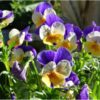
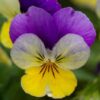
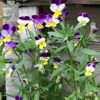
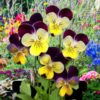

Wild Pansy Heartsease
$4.95
Viola Cornuta
- Seed Count 250
- Long Flowering
- Perennial
- Height 20 cm
In stock
Description
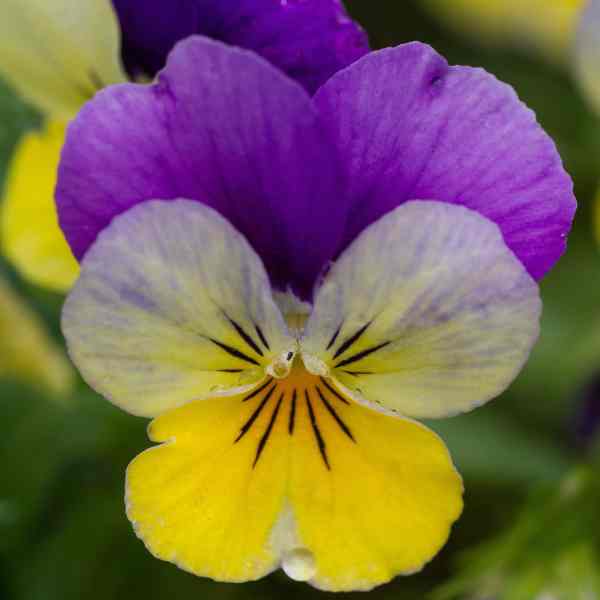
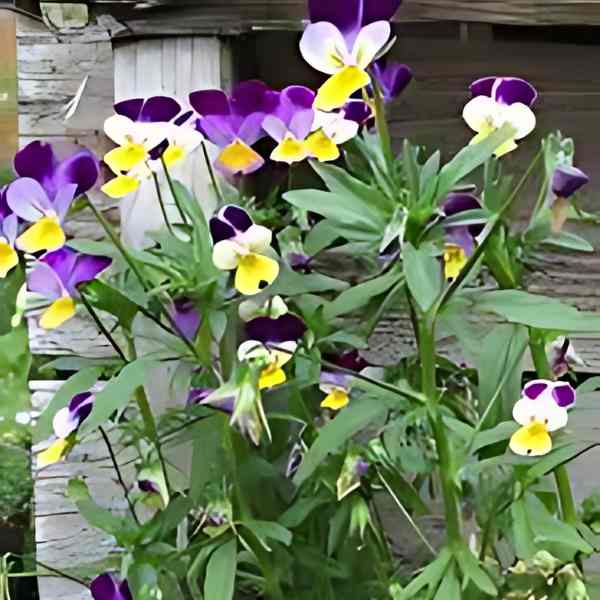
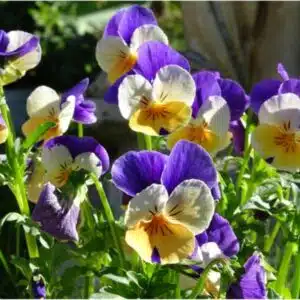
Known for its dainty but vibrant blooms, Wild Pansy Heartsease produces a mix of purple, yellow, and white flowers that seem to smile up at you through the seasons. The flowers are small, about the size of a five-cent piece, but what they lack in size they make up for in cheer. When planted in drifts or allowed to naturalise in the garden, they form soft carpets of colour that can brighten up even the dullest corner. From spring right through to autumn, they offer a steady show that doesn’t demand much from the gardener in return.
Once it finds a spot it likes, it tends to make itself at home. Heartsease has a happy habit of self-seeding, meaning that even if you forget about it for a season or two, chances are you’ll see its familiar face pop up again the following year. It’s this natural resilience that makes it such a perfect fit for cottage gardens and informal plantings. The flowers look wonderful mingling with herbs, low-growing annuals, or tumbling over the edge of a rockery. They also do well in pots and window boxes, where you can enjoy their colour and scent up close.
The plant itself is neat and low-growing, forming a tidy mound of slender, slightly toothed leaves. The flowers rise just above the foliage on delicate stems, turning their faces toward the light. They seem to catch every ray of sun, especially in the early morning and late afternoon when their colours glow most beautifully. In warmer areas of Australia, they can even hold their own into the cooler months, bringing a hint of life when much of the garden is resting.
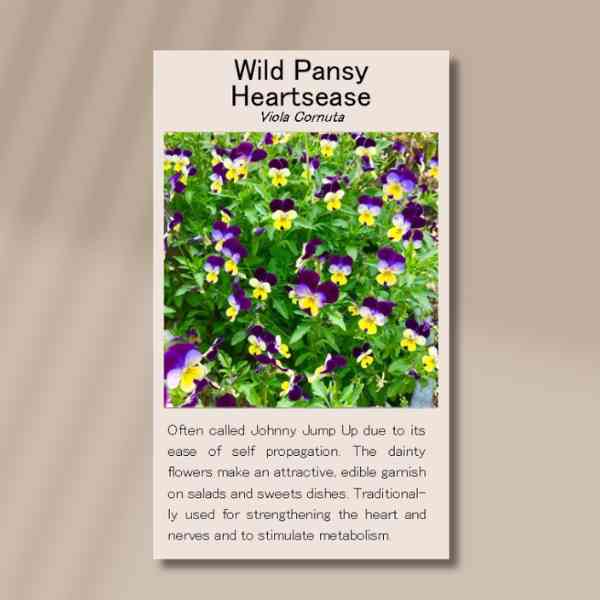
Beyond their ornamental charm, Wild Pansies carry a long history of practical and symbolic uses. The name Heartsease comes from traditional herbal medicine, where both the leaves and flowers were used to support the heart and soothe the nerves. Old herbalists believed the plant strengthened the spirit, eased melancholy, and stimulated the metabolism. It was also thought to have gentle cleansing properties, which made it popular in herbal teas and tinctures.
And let’s not forget its edible side. The flowers are entirely edible and make delightful garnishes for salads, desserts, or even a simple cake. Their bright faces look stunning sprinkled over a fruit platter or frozen into ice cubes for a special occasion.
So whether you’re planting out a sunny border, filling a few pots for the patio, or looking to add a touch of heart to a herb patch, Wild Pansy Heartsease is a choice that never disappoints. It’s the sort of plant that quietly does its job, year after year, making your garden a better, more beautiful place without any fuss.
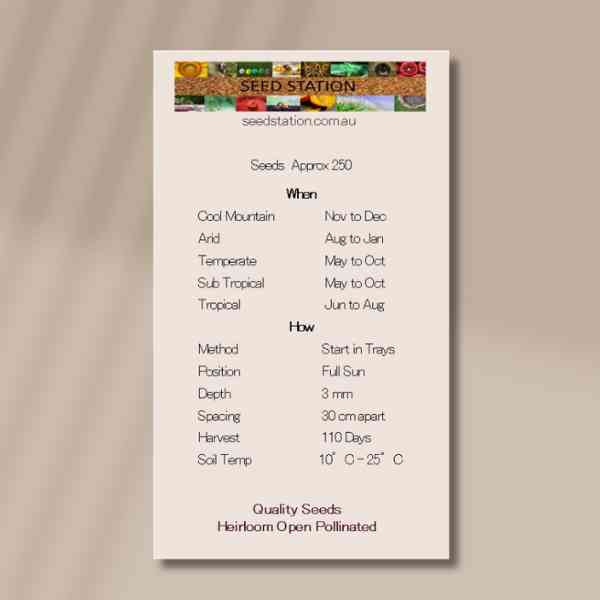
| Method: Sow direct or seedlings | Soil Temp: 10°C - 25°C |
| Cool Mountain: Nov - Dec | Position: Full sun |
| Arid: Aug - Jan | Row Spacing: 30cm apart |
| Temperate: Sep-Nov, Mar-Jun | Planting Depth: 3 mm |
| Sub Tropical: May - Oct | Harvest: 110 days |
| Tropical: Jun - Aug | Plant Height: 20cm |
🌸 Heartsease/Wild Pansy Grow Guide
🌱 Overview
Heartsease, also known as wild pansy, is a charming small flowering plant grown for its delicate, cheerful blooms, edible flowers, and soft cottage-garden character. The flowers often appear in combinations of purple, yellow, cream, blue, white, and violet, with each bloom carrying a sweet, old-fashioned look that suits herb gardens, edible flower beds, pots, borders, woodland edges, and pollinator-friendly spaces.
Heartsease is valued as both an ornamental flower and an edible flower when grown without sprays. The flowers can be used fresh on salads, cakes, desserts, drinks, grazing platters, and herbal-style decorations. The flavour is mild and lightly green rather than strongly perfumed, so the main appeal is beauty and colour.
This plant is generally easy to grow from seed, but it prefers gentle conditions rather than harsh extremes. It does best with shallow sowing, steady moisture, fertile well-drained soil, light protection from intense heat, and regular picking or deadheading.
🌾 Sowing in Trays Versus Direct Sowing
Heartsease can be grown by sowing in trays or by direct sowing, but tray sowing is usually the most reliable method for home gardeners. The seed is small, seedlings are delicate at first, and young plants are attractive to slugs, snails, ants, birds, and chewing insects. Starting in trays gives better control over moisture, spacing, airflow, and early protection.
To sow in trays, fill a punnet, cell tray, or small pot with fine seed-raising mix. Moisten the mix first, then scatter the seed thinly over the surface. Cover lightly with fine mix or vermiculite, about 2 to 3 mm deep. Water gently with a mist spray or from below so the seed is not washed into clumps. Keep the mix evenly moist but not soggy.
Direct sowing can work in a finely prepared, weed-free bed. Scatter the seed thinly, cover very lightly, and water with a soft spray. The main challenge is keeping the surface evenly moist while preventing seed from washing away or being eaten.
Best method: tray sowing is recommended because it gives stronger seedlings, better spacing, and more reliable establishment. Direct sowing is useful for natural cottage-style patches where a softer, scattered look is wanted.
💧 Seed Pretreatment
Heartsease seed does not usually require pretreatment. No scarifying or smoke treatment is needed. Fresh seed, shallow sowing, gentle moisture, and patience are usually enough.
Some seed may germinate more evenly after a short cool, moist rest, especially if germination has been slow in the past. To do this, place seed in a labelled container with slightly damp seed mix or paper towel for 2 to 3 weeks, then sow shallowly into seed-raising mix.
Soaking is not recommended because the seed is small and becomes difficult to handle when wet. Avoid burying seed deeply, as this is one of the most common causes of poor germination.
🪴 Soil and Position
Heartsease grows best in fertile, well-drained soil that holds steady moisture. It likes soil improved with compost, worm castings, aged manure, or well-rotted organic matter. The soil should be soft enough for roots to spread, but not wet or heavy.
Choose a position in full sun to part shade. Strong light encourages flowering, while light shade can help keep plants fresh in hot or exposed gardens. Too much shade may reduce flowering and cause leggy growth.
Heartsease is excellent in pots, troughs, window boxes, hanging baskets, herb planters, and raised beds. Use a quality potting mix and make sure containers drain freely. Pots dry out faster than garden beds, so check moisture regularly.
Avoid dry, poor, compacted soil if you want edible flowers and lush growth. Stress can reduce flowering and make plants age quickly.
🌿 Care and Maintenance
Heartsease prefers steady, gentle care. Keep seedlings evenly moist while they establish. Once plants are growing well, water deeply whenever the top layer of soil begins to dry. Do not allow plants to wilt repeatedly, as this can reduce flowering and shorten their productive life.
Mulch lightly around plants with straw, fine bark, composted leaves, or sugarcane mulch. Keep mulch slightly away from the crown so the base does not stay wet. Mulch helps hold moisture, reduce weeds, and keep roots comfortable.
Feed lightly and regularly. A mild liquid flower fertiliser, compost tea, worm liquid, or seaweed solution can support healthy growth. Avoid heavy feeding with strong nitrogen fertilisers, as this may produce soft leafy growth with fewer flowers.
Deadhead often. Removing faded blooms encourages new flowers and keeps the plant neat. If you are harvesting flowers for eating, pick regularly while blooms are fresh and clean.
Trim tired plants lightly if they become stretched or untidy. A gentle haircut followed by watering and a mild feed can encourage fresh growth. Avoid cutting back too hard into weak or stressed plants.
Good airflow is important. Crowded plants are more likely to suffer from mildew, aphids, and crown rot. Space plants so leaves can dry quickly after watering or rain.
🌼 Companion Planting Guide
Heartsease is a lovely companion for edible gardens because it attracts pollinators, adds edible flowers, and fits neatly around vegetables and herbs without becoming too large.
Good companions include lettuce, spinach, kale, silverbeet, radish, beetroot, carrot, strawberry, parsley, chives, thyme, oregano, calendula, alyssum, chamomile, dill, coriander, marigold, nasturtium, cornflower, snapdragon, and violas.
It works especially well near salad greens and herbs because the flowers can be harvested alongside leafy crops. Planting it near alyssum, calendula, dill, coriander, and chamomile helps attract hoverflies, bees, lacewings, and other beneficial insects.
Avoid placing heartsease beside vigorous plants that will smother or shade it heavily. Pumpkins, melons, sweet potato vines, dense shrubs, and tall sprawling vegetables can overwhelm it. Also avoid wet boggy areas, as heartsease prefers moisture without waterlogging.
✂️ How to Harvest
Heartsease can be harvested for fresh edible flowers, small posies, pressed flowers, decorative garnishes, and seed.
For edible flowers, pick blooms when they are fully open, fresh, and free from damage. Harvest in the morning once the flowers are dry. Use only flowers from plants grown without chemical sprays. Gently rinse if needed, then pat dry before use.
The flowers are beautiful on cakes, biscuits, salads, fruit plates, cold drinks, ice cubes, desserts, cheese boards, and herbal butters. Use them fresh for the brightest colour. They can also be crystallised with egg white and sugar, or pressed for decorative use.
For small posies, cut short stems with clean snips and place them in water quickly. Heartsease is delicate, so it is better suited to small jars and table decorations than large arrangements.
For pressed flowers, choose clean, newly opened blooms. Place them between absorbent paper and press under weight until fully dry. Their flat shape makes them excellent for cards, tags, bookmarks, and craft projects.
⚠️ Common Issues and Fixes
| Issue | Likely Cause | Fix |
|---|---|---|
| Poor germination | Old seed, deep sowing, dry seed mix, or rough watering | Use fresh seed, sow shallowly, mist gently, and keep evenly moist |
| Seedlings collapse | Damping off from soggy mix or poor airflow | Use clean seed mix, avoid overwatering, and improve ventilation |
| Leggy seedlings | Not enough light or overcrowding | Move to brighter light and thin or pot on early |
| Seedlings disappear | Slugs, snails, ants, birds, or cutworms | Start in trays, use barriers, and protect young plants |
| Few flowers | Too much shade, excess nitrogen, or lack of deadheading | Increase light, feed lightly, and remove spent blooms |
| Plants wilt often | Dry soil, small pots, or hot exposed position | Water consistently, mulch lightly, and provide light shade if needed |
| Yellow leaves | Waterlogging, nutrient stress, or old lower growth | Improve drainage, feed gently, and remove tired leaves |
| Crown rot | Wet soil around the base or mulch against the crown | Keep mulch away from crowns and avoid soggy soil |
| Powdery mildew | Crowding, poor airflow, or moisture stress | Space plants well, water at soil level, and remove affected leaves |
| Aphids | Soft new growth or stressed plants | Hose off gently, encourage ladybirds, and avoid overfeeding |
| Caterpillar damage | Chewing larvae on leaves or flowers | Inspect regularly and remove caterpillars by hand |
| Flowers fade quickly | Heat, dryness, or old blooms | Pick fresh flowers regularly and keep plants evenly watered |
| Plants stop flowering | Seed pods left to mature or plant exhaustion | Deadhead regularly or trim lightly to refresh growth |
🌰 Detailed Seed Saving Guide
Saving heartsease seed is simple, but the seed pods can split when mature, so timing matters. Choose the healthiest plants with the best flower colours, compact growth, strong flowering, and good overall vigour. Avoid saving seed from weak, diseased, sparse, or poorly flowering plants.
Leave selected flowers on the plant after blooming. As the petals fall, a small seed capsule will form. Let the capsule mature until it becomes pale, dry, and slightly papery, but try to collect it before it splits open fully.
Because seed can scatter suddenly, check plants often. If you are worried about losing seed, place a small paper bag or fine mesh bag over developing seed pods once they begin to dry.
When seed pods are dry and ready, snip them into a paper bag. Place the bag in a dry, shaded, airy location for several days so the pods finish drying completely. Do not use plastic, as trapped moisture can cause mould.
Once fully dry, gently break open the pods over a white plate or sheet of paper. The seeds are small, round, and easy to lose, so work slowly. Remove dry pod pieces by hand and keep only firm, clean seed.
Spread the cleaned seed on a plate for another week to make sure it is fully dry. Store it in a labelled paper envelope inside an airtight jar. Keep it somewhere cool, dark, and dry. Add a silica gel sachet if humidity is an issue.
Label the packet with the plant name, flower colour, collection date, and useful notes such as “best purple-yellow flowers”, “compact pot plant”, “heavy flowering”, or “good edible flowers”. If several colours grow together, saved seed may produce a charming mix of shades.
🌸 Final Thoughts
Heartsease is a beautiful and useful flower for gardeners who enjoy edible blooms, cottage charm, pollinator value, and easy seed saving. It is delicate in appearance but rewarding when given steady moisture, gentle feeding, and protection from harsh stress.
For best results, start seed in trays, sow shallowly, keep moisture even, grow in fertile well-drained soil, provide sun to part shade, harvest flowers regularly, and save seed before pods split. With simple care, heartsease brings colour, softness, and edible beauty to pots, borders, herb gardens, and productive growing spaces.
2 reviews for Wild Pansy Heartsease

Postage Charge
Orders under $40 attract a $5.50 shipping charge. Orders $35 and above have free shipping.
*** We cannot deliver to Parcel Lockers ***
Order Times
Seed orders are normally dispatched within three business days. You will receive an email when seeds are mailed out.
Postage Days
Seeds are mailed out Tuesday to Friday at 1pm. Except for the Friday of long weekends.
Postage Times
WA 2-3 Days: SA,NT 3-5 Days: NSW, ACT, QLD, VIC: 5-7 Days
Carrier
We use Australia Post Letter Postage for the majority of orders.
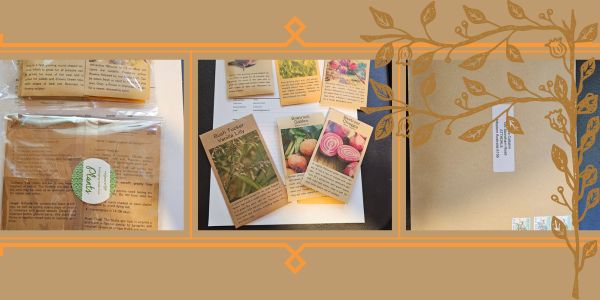
Not only are our seeds packed in recycled paper envelopes, we keep the theme going when we post out website orders. To protect your seeds from moisture and the letter box munchers (snails), we use a very special plastic free material made from plants. They are then put into recycled mailing envelopes. Green all the way ????????
Delivery Guarantee
We take great care to make sure your seeds arrive safely. If your order is lost or damaged in transit, we’ll happily send a replacement. Unfortunately, we can’t replace or refund orders that arrive later than the estimated delivery date, as delays can sometimes occur that are outside our control.
Please note that all dispatch and delivery times listed are estimates only. While we do our best to post promptly, delivery timeframes can vary due to postal service delays, weather events, or other unforeseen circumstances. We’re unable to take responsibility for any loss, damage, or cost that results from a late delivery.
An order is not considered missing until at least 20 business days have passed from the postage date. You’ll receive an email once your seeds have been posted, letting you know they’re on their way. If you don’t see it in your main inbox, please check your Spam or Promotions folders as sometimes our emails like to hide there.
See all our verified customer reviews on our official CusRev profile.
See all our verified customer reviews on our official CusRev profile.