





Coreopsis Mayfields Giant
$4.95
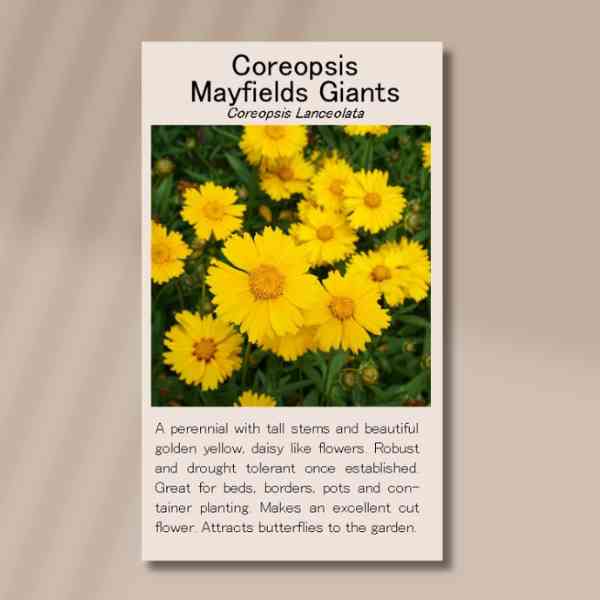
Coreopsis Lanceolata
- Seed Count 150
- Big Golden Blooms
- Perennial
- Height 1 m
Only 1 left in stock
Description
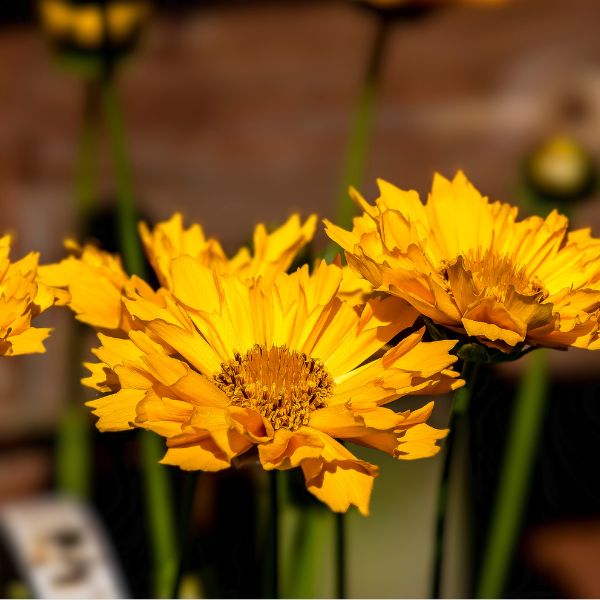
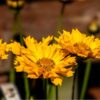
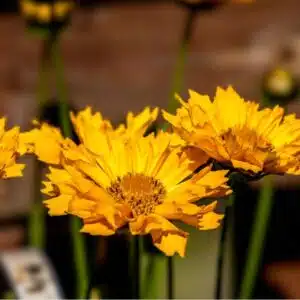
Few plants can rival the sheer exuberance of Coreopsis Mayfields Giants with their big, bright yellow blooms that seem to capture the very essence of sunlight. Whether planted in a cottage bed, a structured border, or a wildflower meadow, their cheerful flowers command attention that lingers season after season.
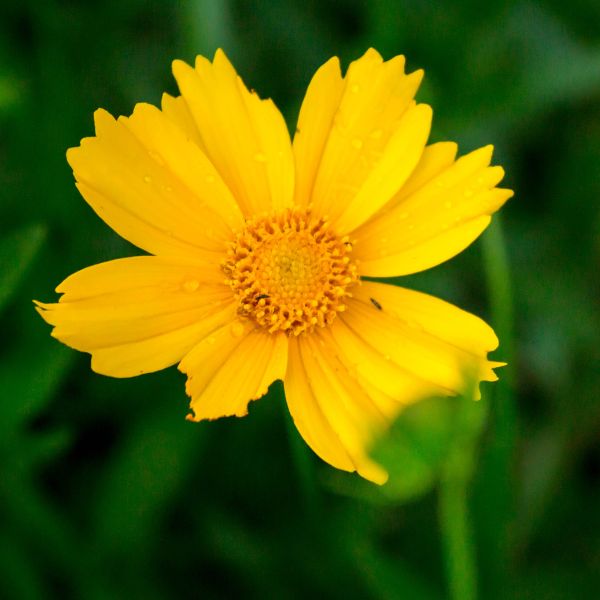
Each flower, a golden daisy-like disc fringed with serrated petals, sits atop sturdy stems that rise above lush green foliage. Their vibrant yellow acts as both a focal point and a harmoniser, bridging gaps between contrasting colours and textures. For almost any sort of garden, whether a sprawling rural meadow, a suburban border, or a compact urban plot—a hardier, more beautiful flower would be difficult to find.
What truly sets this perennial apart, however, is its rugged adaptability. Drought tolerance is in their DNA, making them a savvy pick for climates where dry spells and poor soil are common challenges. These plants don’t just survive in tough conditions—they flourish. Their roots dig deep, anchoring them through heatwaves and lean soils. Full sun or light shade, coastal breezes or inland warmth, this coreopsis adapts without complaint.
| Method: Sow direct or seedlings | Soil Temp: 10°C - 25°C |
| Cool Mountain: Nov - Dec | Position: Part sun |
| Arid: Aug - Jan | Row Spacing: 30cm apart |
| Temperate: Sep-Nov, Mar-Jun | Planting Depth: 3 mm |
| Sub Tropical: May - Oct | Harvest: 70 days |
| Tropical: Jun - Aug | Plant Height: 1m |
🌼 Coreopsis Grow Guide
Coreopsis is a cheerful, easy-care flowering plant loved for its daisy-like blooms, long flowering display, and ability to bring pollinators into the garden. It is often grown in borders, cottage gardens, meadow-style plantings, pots, and wildlife-friendly beds. The flowers are usually yellow, gold, orange, red, pink, cream, or bi-coloured, depending on the variety.
It is a generous plant for beginners because it is not fussy once established. The main ingredients for success are sun, free-draining soil, moderate watering, and regular deadheading. Coreopsis is also a useful cut flower, and many types will keep producing blooms if picked or trimmed often.
🌱 Sowing in Trays Versus Direct Sowing
Coreopsis can be grown successfully by both tray sowing and direct sowing, but tray sowing is usually the best method for most home gardeners. Starting seed in trays gives better control over moisture, spacing, weeds, slugs, snails, and early seedling care. It also allows you to plant stronger seedlings exactly where you want them in the garden.
To sow in trays, fill a punnet or seed tray with fine seed-raising mix. Scatter the seed thinly over the surface, press it gently into the mix, and cover only very lightly. Coreopsis seed should not be buried deeply. Keep the mix evenly moist, but not wet. Place the tray in bright light with good airflow. Once seedlings are large enough to handle, move them into small pots or cells, then plant them out once they are sturdy and well-rooted.
Direct sowing is also simple and can work very well in a prepared garden bed. It is best for naturalistic plantings, wildflower-style areas, or large drifts where exact spacing is less important. Prepare the soil finely, remove weeds, scatter the seed thinly, press it into the soil, and cover only with a very light dusting of fine soil or seed mix. Keep the surface moist until seedlings establish.
For neat borders, containers, and small gardens, tray sowing is the more reliable choice. For larger informal flower displays, direct sowing is practical and efficient.
💧 Seed Pre-Treatment
Coreopsis seed does not usually need special pre-treatment. There is no need for soaking, scarifying, smoke treatment, or heat treatment for common garden types.
Some perennial forms may germinate more evenly after a short cool period, but this is not usually necessary for ordinary garden seed. Fresh seed sown shallowly into a fine, moist mix normally germinates well.
The most important points are fresh seed, shallow sowing, steady moisture, and bright light. Avoid burying the seed too deeply, as this can reduce germination.
🌏 Soil and Position
Coreopsis grows best in full sun. The more light it receives, the stronger and more flower-filled the plant usually becomes. In too much shade, plants can become stretched, floppy, and less productive.
The soil should be free-draining and moderately fertile. Coreopsis does not like heavy, waterlogged soil. If the soil is clay-based or compacted, improve it with compost and coarse organic matter, and consider growing in a raised bed or mound to improve drainage.
Avoid over-rich soil. Too much fertiliser, especially high-nitrogen feeding, can produce leafy growth at the expense of flowers. A balanced soil with good drainage is better than a heavily fed bed.
Coreopsis also grows well in pots. Use a quality potting mix with good drainage, and choose a container with drainage holes. Pots should be deep enough to support steady root growth and wide enough to stop the plant drying out too quickly.
🪴 Care and Maintenance
Coreopsis is fairly low maintenance once established. Water young plants regularly while they settle in. Mature plants are more tolerant of dry periods, but flowering is better if they are not left stressed for too long.
Water at the base of the plant where possible. This keeps foliage drier and helps reduce fungal issues. Mulching lightly around plants helps conserve moisture and suppress weeds, but keep mulch away from the crown so the plant does not rot.
Deadheading is one of the best ways to keep coreopsis flowering. Remove faded blooms before they set seed if you want a longer display. If the plant becomes tired, leggy, or untidy, trim it back lightly to encourage fresh growth and more flowers.
Feed sparingly. A little compost or a gentle flower fertiliser is usually enough. Too much feeding can make the plant soft, floppy, and less floriferous.
Taller varieties may need light support, especially in windy sites. Shorter forms are usually self-supporting and make excellent edging plants.
🌼 Companion Planting Guide
Coreopsis is a strong companion plant in flower beds because it attracts bees, butterflies, hoverflies, and other beneficial insects. It combines well with plants that enjoy sun, good drainage, and moderate feeding.
Good companions include lavender, salvia, echinacea, gaillardia, cosmos, marigold, zinnia, yarrow, alyssum, thyme, rosemary, oregano, catmint, rudbeckia, and ornamental grasses. These plants enjoy similar open, sunny conditions and create a colourful, pollinator-friendly planting.
Coreopsis also works well near vegetables that benefit from insect activity, such as tomatoes, capsicum, cucumber, zucchini, beans, and pumpkins, provided it is not shading them or competing too heavily.
Avoid planting coreopsis beside moisture-loving shade plants, as their needs are very different. It is not ideal beside plants that require constantly wet soil, deep shade, or heavy feeding.
✂️ How to Harvest
Coreopsis flowers can be harvested for fresh arrangements, pollinator use, or seed saving.
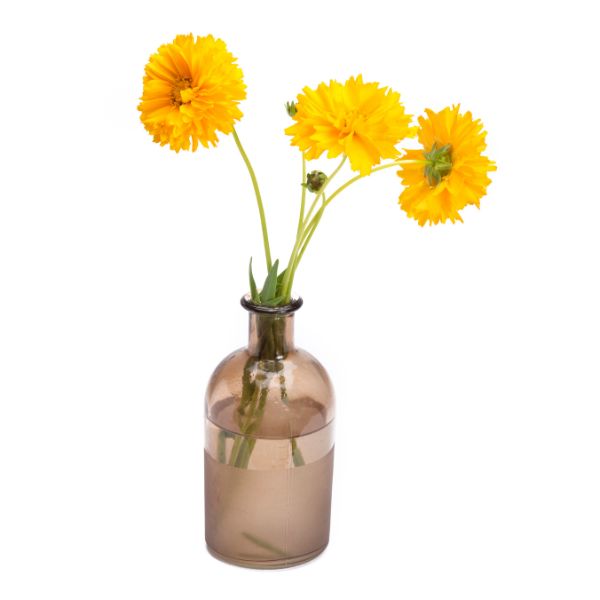
For cut flowers, pick stems when the flowers are newly opened and fresh. Use clean scissors or secateurs and cut early in the day once the plant is hydrated. Remove lower leaves before placing stems in water. Regular picking encourages the plant to keep producing more blooms.
For garden display, harvest by deadheading faded flowers. Snip spent blooms back to a leaf joint or side shoot. This keeps the plant tidy and encourages repeat flowering.
For dried seed heads, allow selected flowers to remain on the plant until the heads dry and darken. Do not deadhead the flowers you want to save for seed.
⚠️ Common Issues and Fixes
| Issue | Likely Cause | Fix |
|---|---|---|
| Poor germination | Seed buried too deeply, old seed, or dry seed mix | Sow shallowly, use fresh seed, and keep mix evenly moist |
| Seedlings tall and weak | Not enough light or overcrowding | Move to brighter light and thin or pot on early |
| Seedlings collapsing | Overwatering, poor airflow, or fungal disease | Use free-draining mix, avoid soggy conditions, and improve airflow |
| Few flowers | Too much shade, too much nitrogen, or no deadheading | Move to more sun, reduce feeding, and remove spent blooms |
| Floppy plants | Rich soil, excess water, weak light, or tall variety | Avoid overfeeding, grow in full sun, and stake taller plants |
| Yellowing leaves | Waterlogging, poor drainage, or nutrient imbalance | Improve drainage, reduce watering, and feed lightly if needed |
| Powdery coating on leaves | Powdery mildew from poor airflow or dry stress | Space plants well, water at soil level, and remove badly affected leaves |
| Brown or rotting crown | Mulch against the base or wet soil | Pull mulch back and improve drainage |
| Chewed leaves | Slugs, snails, caterpillars, or beetles | Inspect plants regularly, hand-pick pests, and protect young seedlings |
| Aphids on new growth | Soft growth and pest pressure | Spray off with water and encourage ladybirds and hoverflies |
| Plant stops flowering early | Spent flowers left to set seed | Deadhead regularly or trim lightly to refresh growth |
| Poor growth in pots | Pot drying out, poor drainage, or exhausted mix | Use quality potting mix, water consistently, and feed lightly |
🌾 Seed Saving Guide
Coreopsis is easy to save seed from, and it often self-sows if spent flowers are left on the plant. For intentional seed saving, choose the healthiest plants with strong stems, good flower colour, long blooming, and good overall shape.
Do not save seed from weak, diseased, badly pest-damaged, or poor-flowering plants. Seed saving is a selection process, so choose the plants you would be happy to grow again.
Allow selected flowers to fade and dry on the plant. The flower head will darken and become dry and papery. When the seed head is fully dry, cut it from the plant and place it in a paper bag or shallow tray.
Rub the dry seed heads gently between your fingers to release the seed. Remove as much dry petal, stem, and chaff as practical. The seed does not need to be perfectly clean, but it should be dry and free from damp plant material.
Spread the seed in a dry, airy place for several more days before storing. This extra drying step helps prevent mould in storage.
Store the seed in a labelled paper envelope or small jar in a cool, dry, dark place. Label it with the flower colour, plant description, and collection year. For best results, use seed while it is fresh.
If different coreopsis varieties are flowering close together, seedlings may show natural variation in colour, height, and flower form. This can be enjoyable in cottage gardens and meadow-style plantings, but for more consistent results, save seed from plants grown with distance between different types.
🌿 Final Thoughts
Coreopsis is a bright, generous flowering plant that suits both beginners and experienced gardeners. It brings colour, movement, pollinators, and easy charm to sunny garden spaces. It is not demanding, but it performs best with good drainage, plenty of sun, light feeding, and regular deadheading.
Tray sowing is the best method for controlled results, especially in small gardens, pots, and borders. Direct sowing is also useful for larger natural-style plantings. No special seed treatment is normally required, making coreopsis a simple and rewarding plant to raise from seed.
With basic care, coreopsis will provide a long display of cheerful flowers and plenty of seed to collect for future plantings.
1 review for Coreopsis Mayfields Giant

Postage Charge
Orders under $40 attract a $5.50 shipping charge. Orders $35 and above have free shipping.
*** We cannot deliver to Parcel Lockers ***
Order Times
Seed orders are normally dispatched within three business days. You will receive an email when seeds are mailed out.
Postage Days
Seeds are mailed out Tuesday to Friday at 1pm. Except for the Friday of long weekends.
Postage Times
WA 2-3 Days: SA,NT 3-5 Days: NSW, ACT, QLD, VIC: 5-7 Days
Carrier
We use Australia Post Letter Postage for the majority of orders.
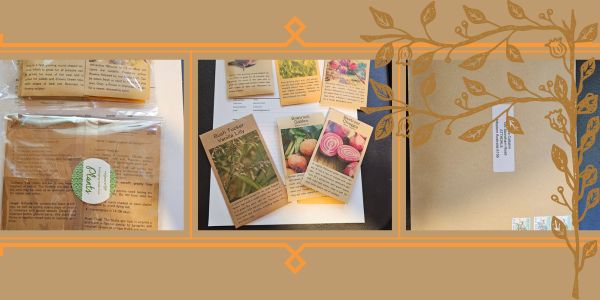
Not only are our seeds packed in recycled paper envelopes, we keep the theme going when we post out website orders. To protect your seeds from moisture and the letter box munchers (snails), we use a very special plastic free material made from plants. They are then put into recycled mailing envelopes. Green all the way ????????
Delivery Guarantee
We take great care to make sure your seeds arrive safely. If your order is lost or damaged in transit, we’ll happily send a replacement. Unfortunately, we can’t replace or refund orders that arrive later than the estimated delivery date, as delays can sometimes occur that are outside our control.
Please note that all dispatch and delivery times listed are estimates only. While we do our best to post promptly, delivery timeframes can vary due to postal service delays, weather events, or other unforeseen circumstances. We’re unable to take responsibility for any loss, damage, or cost that results from a late delivery.
An order is not considered missing until at least 20 business days have passed from the postage date. You’ll receive an email once your seeds have been posted, letting you know they’re on their way. If you don’t see it in your main inbox, please check your Spam or Promotions folders as sometimes our emails like to hide there.
Flowered beautifully
See all our verified customer reviews on our official CusRev profile.