

Cancer Bush
$6.59
Sutherlandia Frutescens
- 5 seeds
- Medicinal Properties
- Short Lived Perennial
In stock
Description
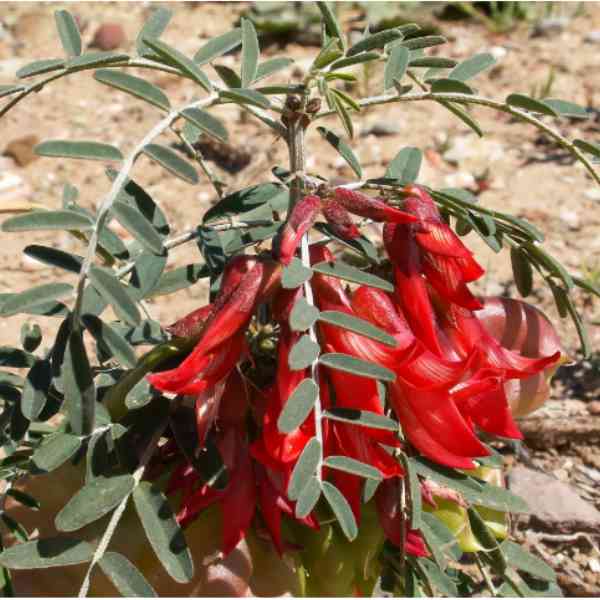
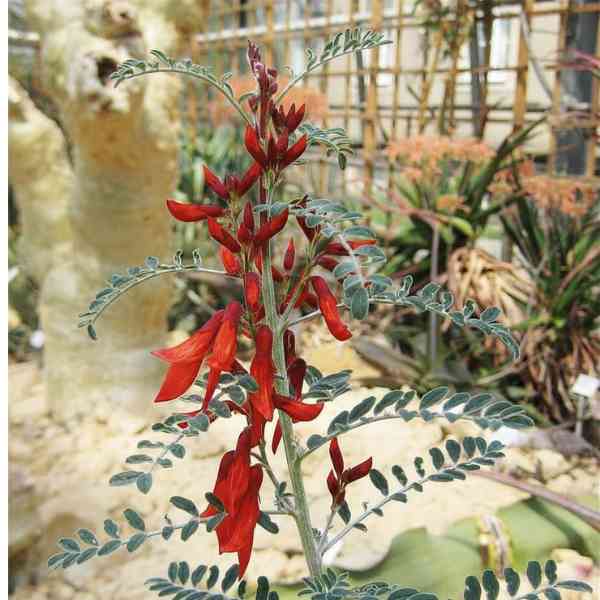
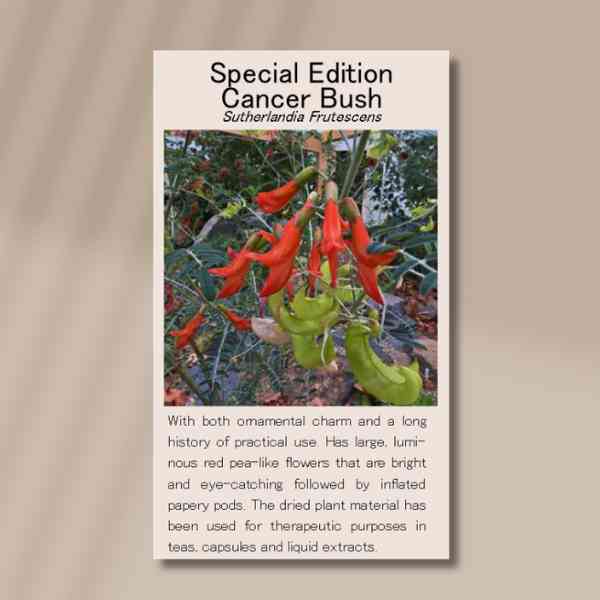
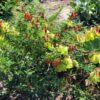
The Cancer bush is a wonderfully distinctive shrub with both ornamental charm and a long history of practical use. It is a very hardy, evergreen, fast-growing, sun-loving plant with soft silver-grey foliage that gives it a light, refined look in the garden. When it comes into bloom, this plant becomes striking with large, luminous orange to red pea-like flowers that are bright and eye-catching, standing out clearly against the silvery leaves. In its flowering season, from September to December, it brings a vivid splash of colour to the garden.
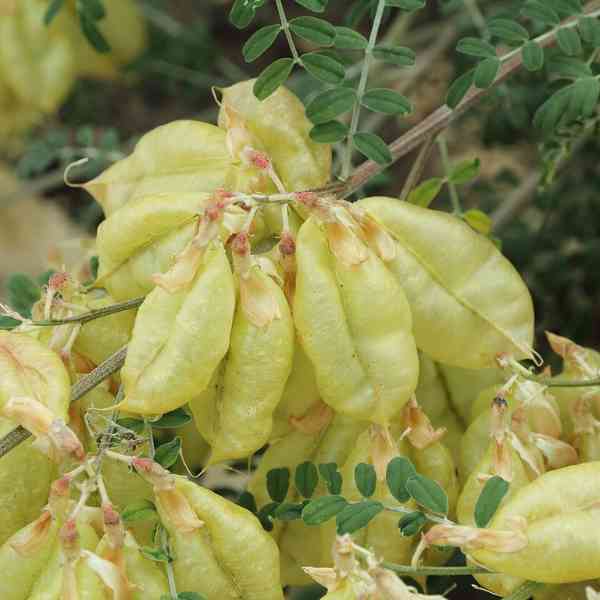
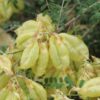
After flowering, Cancer Bush produces one of its most unusual features, the inflated papery pods. These begin green and gradually take on pink to reddish tones as they mature. They are so light that they can be dispersed by wind, which adds to the plant’s self-sowing nature and helps explain why it often returns so freely from seed. The pods are every bit as decorative as the flowers, giving the plant a second season of visual interest. Both flowers and pods can also be used in a vase, where their unusual form and soft colouring make them especially appealing in natural, relaxed arrangements.
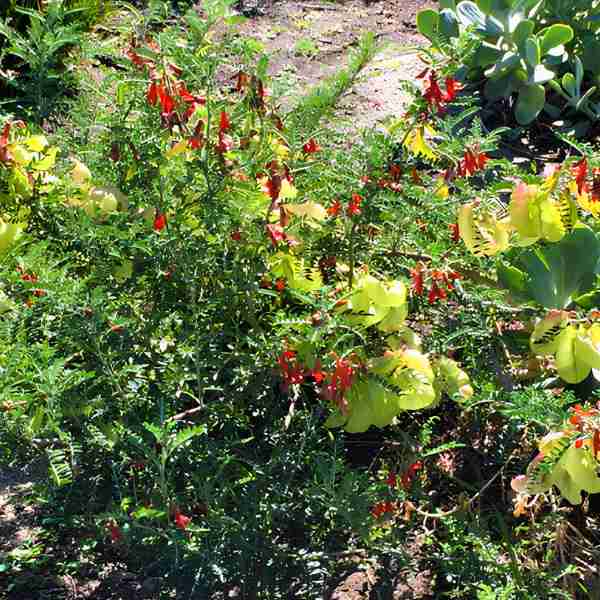
There is a practical beauty to this plant that makes it easy to value in an Australian garden. It is both wind and drought resistant, which immediately makes it useful for gardeners working with tougher conditions. Its slender habit gives it a graceful presence, and when planted in groups it creates a soft, textural effect that is particularly attractive. Rather than relying only on bold colour, it offers contrast through foliage, shape and movement, which makes it a very versatile choice in mixed plantings. It also makes a beautiful container plant, where its silver foliage and showy flowers can be appreciated up close.
Its long-standing reputation as a medicinal plant is another important part of its appeal. The dried plant material has been used for therapeutic purposes in teas, capsules and liquid extracts. Historically, it has been used for a wide range of complaints, including fatigue, stomach discomfort, arthralgia and general convalescence. It has also been associated in traditional use with serious illnesses including cancer, HIV, tuberculosis and diabetes.
This is also a plant with a very natural fit for home gardens. It suits gardeners who enjoy unusual plants, medicinal herbs, drought-tolerant choices, and species that contribute more than one feature to a planting.
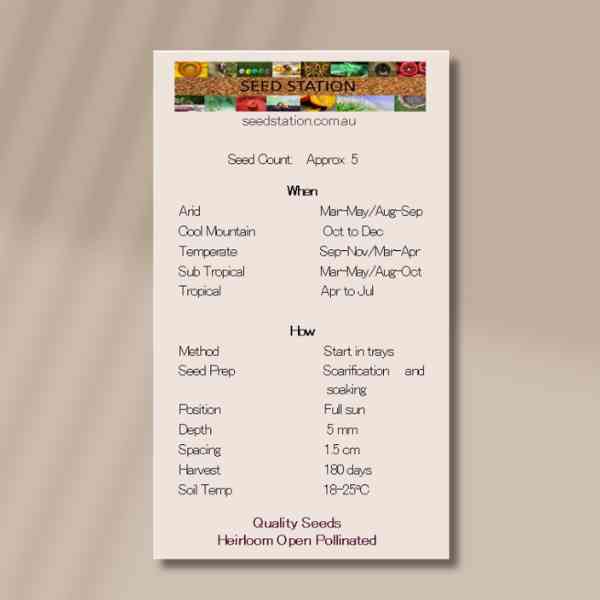
| Method: Start in Trays | Soil Temp: 18°C - 25°C |
| Cool Mountain: Sep - Nov | Position: Full sun |
| Arid: Mar-May/Aug-Oct | Row Spacing: 1.5 apart |
| Temperate: Sep-Nov/Mar-Apr | Planting Depth: 5mm |
| Sub Tropical: Mar-May/Aug-Oct | Harvest: 180 days |
| Tropical: Apr - Jul | Plant Height: 1.5m |
🌿 Cancer Bush Grow Guide
Cancer bush is a hardy, short-lived shrubby plant valued for its soft silvery foliage, bright red-orange flowers, and distinctive inflated papery seed pods. It is well suited to dry-style gardens, raised beds, rockeries, herb gardens, and large pots, provided the soil drains freely. This plant dislikes being kept constantly wet, so success depends on warmth, sun, airflow, and careful watering.
🌱 Sowing in Trays vs Direct Sowing
Cancer bush can be grown either in seed trays or directly where it is to grow, but sowing in trays is the best method for most gardeners. Tray sowing gives better control over moisture, temperature, pests, and early seedling development. It also makes it easier to protect young plants from heavy rain, birds, ants, slugs, and fungal problems.
Use deep seed cells, forestry tubes, or small pots rather than shallow trays, as cancer bush develops a root system that does not appreciate rough handling. Fill the container with a free-draining seed raising mix. A suitable mix can be made using coarse sand, fine compost, and perlite or fine gravel. Sow the prepared seed shallowly, just covered with mix, then water gently.
The seed raising mix should be kept lightly moist but never soggy. Too much water is more dangerous than slight dryness. Once seedlings are large enough to handle, transplant them carefully into individual pots or into their final position. Handle seedlings by the leaves rather than the stem, and avoid damaging the roots.
Direct sowing can work in sandy, open, well-drained soil. Prepare a weed-free patch, sow a few seeds together, and thin to the strongest seedling later. However, direct sowing is less reliable because seed may rot, dry out, be eaten, or germinate unevenly. For this reason, tray sowing is the preferred option.
🔥 Seed Pre-Treatment
Seed pre-treatment is recommended. Cancer bush seed has a hard outer coat, which can slow or prevent germination. The best home method is scarification, which means gently weakening the seed coat so water can enter.
Rub each seed lightly on medium sandpaper until a small pale patch appears, or carefully nick the seed coat with nail clippers. Do not cut deeply into the seed. After scarifying, soak the seed in warm water for several hours or overnight, then sow straight away.
Do not scarify seed and store it for later. Once the coat is damaged, the seed is more exposed to moisture, mould, and loss of quality. Only treat the amount of seed you plan to sow immediately.
☀️ Soil and Position
Cancer bush grows best in full sun with excellent drainage. It prefers sandy, gritty, rocky, or lightly gravelly soil. Heavy clay should be improved before planting, or the plant should be grown in a raised bed or pot.
In containers, use a native-style, cactus-style, or very free-draining potting mix. Add coarse sand, perlite, pumice, or fine gravel if the mix holds too much water. The pot must have generous drainage holes, and it should never sit in a saucer of water.
Choose an open, sunny position with good air movement. Avoid damp corners, heavy shade, and rich vegetable beds that receive frequent watering. Cancer bush is better suited to lean conditions than lush, wet soil.
💧 Care and Maintenance
Once established, cancer bush is fairly low maintenance. Young seedlings need regular light watering while they settle in, but mature plants prefer deeper watering followed by a drying period. Constant dampness can cause root problems.
Feed lightly. A small amount of compost or a mild slow-release fertiliser is enough. Too much fertiliser, especially high-nitrogen fertiliser, can cause soft growth and reduce the plant’s natural toughness.
Light pruning keeps the plant bushy and attractive. Tip-prune young plants to encourage branching. Remove dead, weak, damaged, or crossing stems as needed. Avoid cutting too hard into old woody growth unless the plant is healthy and actively growing.
Mulch can be used, but keep it thin and away from the main stem. Gravel mulch is often better than heavy organic mulch because it helps keep the crown dry.
🌼 Companion Planting Guide
Cancer bush combines best with plants that enjoy sun, drainage, and modest feeding. It should not be planted beside thirsty crops that need rich, constantly moist soil.
| Companion type | Good choices | Why they work |
|---|---|---|
| Dry herbs | Rosemary, thyme, sage, oregano | They enjoy similar sunny, free-draining conditions |
| Pollinator plants | Alyssum, calendula, yarrow, native daisies | They attract bees and beneficial insects |
| Texture plants | Lomandra, small native grasses, silver foliage plants | They complement the shrub’s soft, airy shape |
| Container companions | Thyme, prostrate rosemary, small everlasting daisies | They suit pots with sharp drainage |
| Avoid planting nearby | Mint, comfrey, leafy greens, heavy brassicas | These usually need richer, wetter soil |
✂️ How to Harvest
Harvest lightly from healthy, established plants. Use clean scissors or snips and take small leafy tips rather than stripping whole branches. Avoid removing more than one third of the plant at a time, as heavy harvesting can weaken it.
For seed harvest, wait until the inflated pods become dry, papery, and straw-coloured to brown. Pick pods before they split open and drop seed. Place the pods in a paper bag or shallow tray and allow them to finish drying in a shaded, airy place. Once fully dry, crack the pods open and collect the seeds.
Do not use harvested material medicinally without qualified professional advice, especially if pregnant, breastfeeding, unwell, or taking medication.
⚠️ Common Issues and Fixes
| Issue | What you see | Likely cause | Fix |
|---|---|---|---|
| Poor germination | Seeds do not swell or sprout | Seed coat too hard | Scarify with sandpaper, soak, then sow immediately |
| Seed rot | Seeds become soft or mouldy | Mix too wet | Use a gritty mix and water less often |
| Damping off | Seedlings collapse at soil level | Fungal disease in damp conditions | Improve airflow, avoid overcrowding, and keep mix only lightly moist |
| Weak, stretched growth | Long pale stems | Too much shade | Move to a brighter position |
| Yellowing leaves | Pale leaves and slow growth | Overwatering or poor drainage | Let soil dry slightly and improve drainage |
| Root rot | Plant wilts even though soil is wet | Waterlogged roots | Replant into a raised bed or gritty potting mix |
| Few flowers | Healthy leaves but little flowering | Too much shade or fertiliser | Give more sun and reduce feeding |
| Frost damage | Blackened tips or collapsed growth | Cold exposure | Grow in a sheltered position or move pots under cover |
| Transplant shock | Seedling stalls after planting | Root disturbance | Use deep cells and transplant gently while young |
| Unwanted self-seeding | Seedlings appear around the plant | Pods dropped seed naturally | Harvest dry pods before they split |
🌾 Detailed Seed Saving Guide
Choose the strongest and healthiest plants for seed saving. Select plants with good shape, strong flowering, healthy foliage, and good resistance to stress. Avoid saving seed from weak, diseased, stunted, or poorly performing plants.
Allow the pods to mature fully on the plant. They are ready when they become dry, papery, and easy to crack open. Pick the pods before they split by themselves. If some pods are close to opening, cut the stem and place it upside down in a paper bag so loose seed is caught.
Dry the pods in a shaded, airy place. Do not dry them in plastic bags, as trapped moisture can cause mould. Once the pods are crisp, open them by hand and remove the seeds. Discard any seed that is soft, damaged, shrivelled, mouldy, or has insect holes.
Place the clean seed in a labelled paper envelope. Write the plant name, collection date, and any useful notes, such as flower colour, plant size, or overall vigour. Store the envelope inside an airtight jar in a cool, dark, dry place. A small silica gel sachet can help keep moisture low.
Do not scarify stored seed until you are ready to sow it. The hard coat helps protect the seed during storage. Scarification should only be done immediately before soaking and sowing.
🌻 Final Thoughts
Cancer bush is easiest to grow when treated as a dryland shrub rather than a soft leafy herb. The key to success is scarified seed, tray sowing, full sun, sharp drainage, careful watering, and light feeding. Once established, it is attractive, resilient, and rewarding, producing colourful flowers and decorative papery pods. Save seed from the best plants each season to keep a strong and reliable supply for future growing.

Postage Charge
Orders under $40 attract a $5.50 shipping charge. Orders $35 and above have free shipping.
*** We cannot deliver to Parcel Lockers ***
Order Times
Seed orders are normally dispatched within three business days. You will receive an email when seeds are mailed out.
Postage Days
Seeds are mailed out Tuesday to Friday at 1pm. Except for the Friday of long weekends.
Postage Times
WA 2-3 Days: SA,NT 3-5 Days: NSW, ACT, QLD, VIC: 5-7 Days
Carrier
We use Australia Post Letter Postage for the majority of orders.
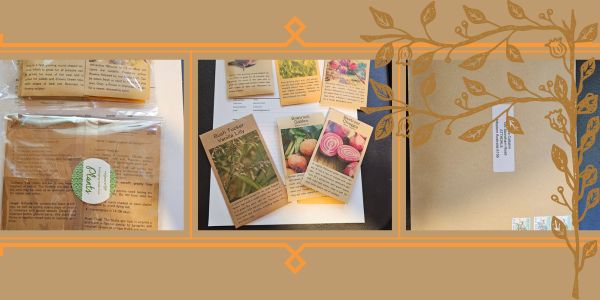
Not only are our seeds packed in recycled paper envelopes, we keep the theme going when we post out website orders. To protect your seeds from moisture and the letter box munchers (snails), we use a very special plastic free material made from plants. They are then put into recycled mailing envelopes. Green all the way ????????
Delivery Guarantee
We take great care to make sure your seeds arrive safely. If your order is lost or damaged in transit, we’ll happily send a replacement. Unfortunately, we can’t replace or refund orders that arrive later than the estimated delivery date, as delays can sometimes occur that are outside our control.
Please note that all dispatch and delivery times listed are estimates only. While we do our best to post promptly, delivery timeframes can vary due to postal service delays, weather events, or other unforeseen circumstances. We’re unable to take responsibility for any loss, damage, or cost that results from a late delivery.
An order is not considered missing until at least 20 business days have passed from the postage date. You’ll receive an email once your seeds have been posted, letting you know they’re on their way. If you don’t see it in your main inbox, please check your Spam or Promotions folders as sometimes our emails like to hide there.

Reviews
There are no reviews yet