
Parsnip Demeter
$6.69
Pastinaca Sativa
- Seed Count 100
- Classic flavour
- Annual
In stock
Description
Parsnip Demeter carries has been a favourite for a long while, both for gardeners who have grown countless crops over the years and for beginners who want a straightforward introduction to root vegetables. It is an excellent variety with a reputation for fine flavour, long white roots and a reliable, uniform shape that makes it a pleasure to pull from the soil.
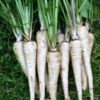
At first glance, the young roots are small and slender, almost delicate in the hand. They look exactly like the sort of parsnip you would tuck into a roasting tray alongside herbs and fresh garden carrots. That early stage beauty is worth celebrating. Many growers love picking them young for that very reason.
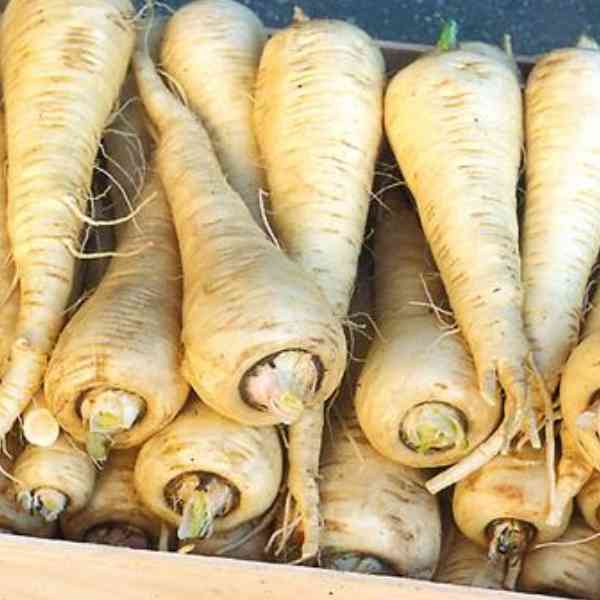
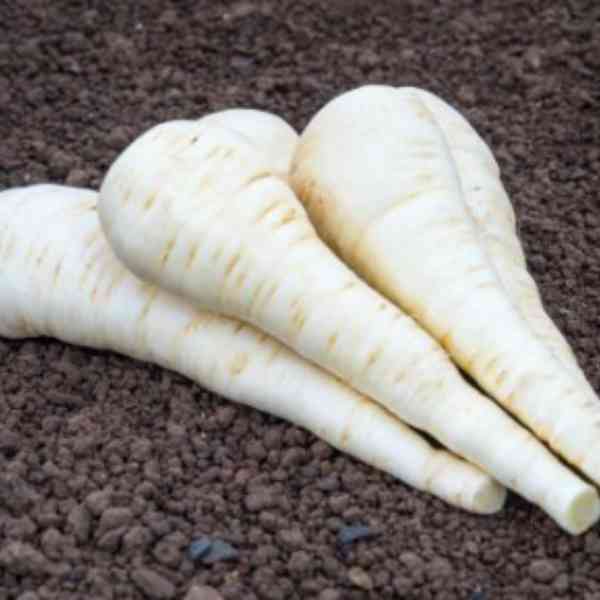
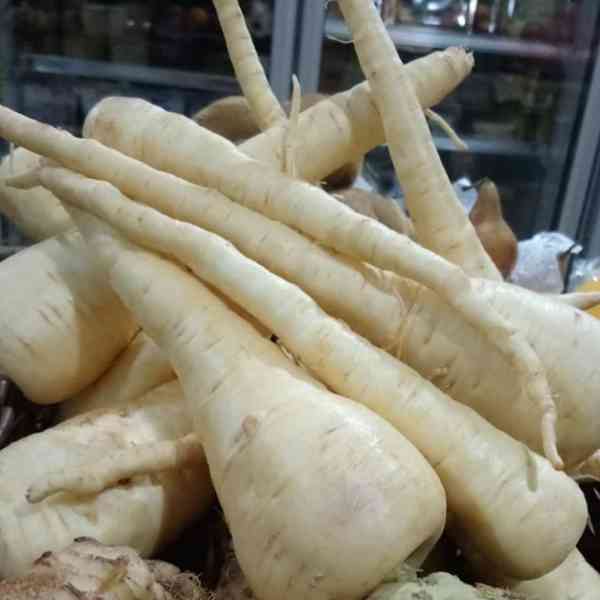
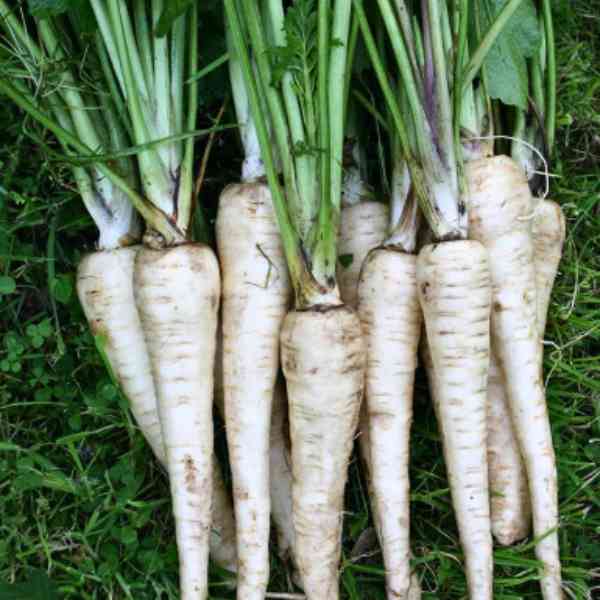
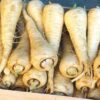
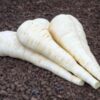
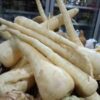
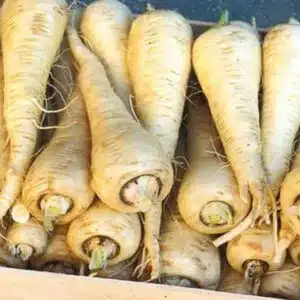
Given time, Parsnip Demeter stretches downwards with remarkable determination. The roots average around 50 centimeters at the base when fully mature, creating long, elegant taproots that are striking in their simplicity. There is no fussiness in the shape. No odd twists or bulky shoulders. Just a strong, even root that shows off what a traditional parsnip should look like. When you lay them out after harvest, every one looks related, like siblings lined up for a family photo. That kind of uniformity is a gift when you are growing for the kitchen or for market, because you know exactly what to expect from each plant.
Parsnip Demeter has a fine, sweet taste that develops beautifully as the roots age. There is a depth to the flavour that many cooks adore. The sweetness is balanced with an earthy undertone that makes it a natural in roasts, soups, stews and mash. When you cut into a mature root, the flesh is crisp and clean, and the aroma carries that unmistakable scent of cool weather vegetables.
The roots themselves have a beautiful white colour that remains consistent throughout the crop. This clean colouring makes the finished vegetable look almost luminous once washed. When you drop them into a basket with other root vegetables, that pale tone stands out. It is one of those small details that gives the variety its classic appeal.
| Method: Sow direct | Soil Temp: 6°C - 21°C |
| Cool Mountain: Sep - Nov | Position: Full sun |
| Arid: Apr - Oct | Row Spacing: 10 cm |
| Temperate: Aug - Oct | Planting Depth: 5 mm |
| Sub Tropical: Jun - Sep | Harvest: 120 Days |
| Tropical: Apr - Jul | Plant Height: 20 cm |
🥕 Parsnip Grow Guide
🌱 Overview
Parsnip is a hardy root vegetable grown for its long, creamy-white taproot and sweet, earthy flavour. It is excellent roasted, mashed, steamed, added to soups, used in stews, or sliced into vegetable bakes. A well-grown parsnip has a firm texture, smooth skin, and a rich sweetness that becomes especially noticeable after cool conditions.
Parsnip is a slower crop than many other root vegetables, but it rewards patience. The key to success is fresh seed, deep loose soil, even moisture, and direct sowing. It does not like root disturbance, compacted ground, rocky soil, or drying out during germination. Once established, it is relatively low maintenance, but the early stages are important.
🌱 Sowing in Trays Versus Direct Sowing
Parsnip is best grown by direct sowing, and this is strongly preferred over starting in trays. The edible part is the taproot, so any disturbance, bending, or damage to the young root can lead to forked, twisted, or stunted parsnips. Even careful transplanting can interrupt root development.
To direct sow, prepare the bed deeply before planting. Remove stones, hard clods, roots, and debris that could cause the roots to split or fork. Rake the surface to a fine tilth, then sow seed shallowly in rows. Cover lightly with fine soil or seed raising mix and water gently. Keep the soil consistently moist until germination, as parsnip seed can be slow and uneven if the surface dries out.
Because parsnip seed is short-lived, use fresh seed whenever possible. Old seed often germinates poorly. Some gardeners sow a few quick-germinating radish seeds in the same row as markers, since parsnip can take a while to appear. The radishes can be removed before they compete with the parsnips.
Tray sowing is generally not recommended. If it must be done, use deep root trainers or biodegradable tubes and transplant before the root reaches the bottom. Even then, results are less reliable than direct sowing. For the best-shaped roots, direct sowing into the final growing position is the best method.
🌾 Seed Pre-Treatment
Parsnip seed does not require special pre-treatment, but it must be fresh. The seed loses viability faster than many common vegetable seeds, so using old packets is one of the most common causes of failure.
Pre-soaking is usually not necessary. Some gardeners soak seed briefly before sowing to help speed up moisture uptake, but this can make the seed harder to handle and does not replace the need for steady soil moisture after sowing.
The most important treatment is practical rather than technical: sow fresh seed into a fine, moist seed bed and keep it evenly damp until seedlings emerge.
🌞 Soil and Position
Parsnip grows best in a sunny, open position with deep, loose, stone-free soil. Good light supports healthy leaf growth, which feeds the developing root below.
The soil should be deep, fertile, free-draining, and well worked. A sandy loam is ideal, but many soils can produce good parsnips if prepared properly. Dig or loosen the soil deeply and remove stones, hard lumps, and old roots. Any obstruction can cause roots to fork.
Avoid fresh manure or very rich, lumpy organic matter immediately before sowing, as this can also encourage forking and hairy roots. If soil needs improving, add well-rotted compost well before sowing and mix it thoroughly through the bed. The goal is a fine, settled soil that allows the root to grow straight down.
In heavy clay soil, grow shorter-rooted varieties, use raised beds, or create deep drills filled with fine soil and compost. Containers can work if they are deep enough, but shallow pots are unsuitable. A tall container or deep grow bag filled with loose, free-draining mix is needed for decent roots.
💧 Care and Maintenance
Keep the seed bed evenly moist during germination. This is the most sensitive stage for parsnips. Once seedlings are established, water deeply during dry periods to encourage long, steady root growth. Irregular watering can lead to splitting, tough texture, or uneven development.
Thin seedlings carefully once they are large enough to handle. Crowded plants produce smaller roots, so give each seedling enough space to develop. Thin gradually if needed, and avoid disturbing the roots of plants you intend to keep.
Weed regularly, especially while seedlings are small. Parsnips grow slowly at first and can be overwhelmed by weeds. Hand weeding is safest close to the rows, as hoeing too deeply can damage developing roots.
Feeding should be moderate. Too much nitrogen encourages leafy tops rather than good roots and can increase the risk of forked growth. If soil was prepared well, parsnips usually need little extra feeding. A light balanced feed may help only if growth is weak or leaves are pale.
Mulch can be used once seedlings are established. It helps conserve moisture, reduce weeds, and protect the soil surface. Keep mulch light around young plants so it does not smother them.
Wear gloves when handling parsnip foliage, especially during sunny weather. The sap can irritate skin and may cause a strong reaction when exposed to sunlight.
🌼 Companion Planting Guide
Parsnip grows well with plants that do not compete heavily for deep root space. Good companions include onion, garlic, leek, lettuce, radish, peas, beans, rosemary, sage, and thyme.
Onions, garlic, and leeks make good neighbours because they grow upright and use space differently. Lettuce can be grown nearby as a shallow-rooted crop, especially while parsnips are still small. Radish is useful as a row marker because it germinates quickly and can be harvested before parsnips need more space.
Peas and beans can improve garden diversity and fit well nearby, provided they do not shade the parsnips. Woody herbs such as rosemary, sage, and thyme can attract beneficial insects when flowering and suit drier edges of vegetable beds.
Avoid planting parsnip too close to other deep root crops such as carrots, beetroot, and turnips if space is tight, as they can compete underground. Also avoid overcrowding with large leafy crops that shade the parsnip tops.
✂️ How to Harvest
Parsnips are ready when the roots have reached a useful size and the tops are strong. The shoulder of the root is often visible at soil level, giving an idea of thickness. Larger roots can be lifted as needed, while smaller ones may be left to size up.
Watering the bed before harvesting can make lifting easier, especially in firm soil. Use a garden fork to loosen the soil beside the row, then gently lift the roots. Pulling hard without loosening the soil can snap the roots.
Handle harvested roots carefully to avoid bruising. Trim the leaves back to a short crown, but do not cut into the root. Brush off excess soil rather than washing if storing for longer. Washed roots should be dried before storage.
Parsnips can be stored in the fridge for short-term use, or in boxes of slightly damp sand in a cool, dark place. They can also be peeled, chopped, blanched, and frozen for cooking later.
⚠️ Common Issues and Fixes
| Issue | Likely Cause | Fix |
|---|---|---|
| Poor germination | Old seed, dry soil, crusted surface, seed sown too deep | Use fresh seed, sow shallowly, keep evenly moist, cover with fine soil |
| Patchy rows | Uneven moisture, old seed, pests eating seedlings | Resow gaps with fresh seed, protect rows, maintain steady moisture |
| Forked roots | Stones, compacted soil, fresh manure, transplant damage | Prepare soil deeply, remove obstacles, avoid fresh manure, direct sow |
| Short or stunted roots | Shallow soil, poor drainage, crowding, nutrient imbalance | Loosen soil deeply, thin properly, improve drainage |
| Hairy roots | Excess nitrogen, fresh manure, stress, rough soil | Avoid rich fresh manure, use well-rotted compost, water evenly |
| Split roots | Irregular watering after dry spells | Keep moisture consistent and mulch once established |
| Tough or woody roots | Roots left too long in poor conditions, water stress | Harvest at good size, water during dry periods |
| Yellowing leaves | Nutrient deficiency, waterlogging, old foliage, disease | Check drainage, feed lightly if needed, remove unhealthy leaves |
| Leaves chewed | Caterpillars, slugs, snails, or beetles | Inspect regularly, hand remove pests, use barriers where needed |
| Skin irritation after handling | Sap reacting with sunlight on skin | Wear gloves and long sleeves, wash exposed skin after handling foliage |
🌰 Detailed Seed Saving Guide
Saving parsnip seed takes patience because parsnip is a biennial. It forms its edible root first, then flowers and sets seed later. To save good seed, choose only the healthiest, best-shaped roots with strong tops and no signs of disease, splitting, severe forking, or poor growth.
Do not save seed from plants that flower too early, as this may encourage early flowering in future crops. Instead, select plants that produced strong roots before flowering.
Leave selected roots in the ground if conditions allow, or lift and replant them carefully. If lifting, choose firm, undamaged roots and trim the leaves back without cutting into the crown. Replant the roots so the crown sits at soil level, spacing them well because flowering plants become tall and branching.
As the plant flowers, it will produce umbrella-shaped flower clusters followed by flat seeds. Allow the seed heads to mature and dry on the plant as much as possible. The seed is ready when it turns brown, dry, and papery, and rubs free easily from the seed head.
Harvest seed heads on a dry day. Cut the heads into a paper bag or onto a clean tray. Let them dry further in a warm, airy, shaded place. Once fully dry, rub the seed heads gently to release the seed. Remove stems and chaff by hand, with a sieve, or by gentle winnowing.
Parsnip seed should be stored especially carefully because it does not remain viable for long. Place fully dry seed in a labelled paper envelope or airtight container. Label it with the plant name and collection date. Store it in a cool, dark, dry place. For best germination, use saved seed while it is fresh, ideally for the next suitable sowing period.
Parsnip can cross-pollinate with other flowering parsnip plants nearby. For seed that remains true to type, grow only one variety for seed at a time or separate flowering plants from other varieties by a generous distance. Wild relatives may also cross where they are present, so avoid saving seed from plants flowering near unknown related plants.
🌻 Final Thoughts
Parsnip is a patient gardener’s crop. It is not difficult, but it demands fresh seed, careful soil preparation, and steady moisture during germination. Unlike many vegetables, it should be sown directly where it is to grow, because transplanting can damage the developing taproot and spoil root shape.
Give parsnips deep, stone-free soil, open sun, moderate fertility, and room to grow. With those basics in place, they will reward you with sweet, hearty roots that store well and bring rich flavour to the kitchen.

Postage Charge
Orders under $40 attract a $5.50 shipping charge. Orders $35 and above have free shipping.
*** We cannot deliver to Parcel Lockers ***
Order Times
Seed orders are normally dispatched within three business days. You will receive an email when seeds are mailed out.
Postage Days
Seeds are mailed out Tuesday to Friday at 1pm. Except for the Friday of long weekends.
Postage Times
WA 2-3 Days: SA,NT 3-5 Days: NSW, ACT, QLD, VIC: 5-7 Days
Carrier
We use Australia Post Letter Postage for the majority of orders.
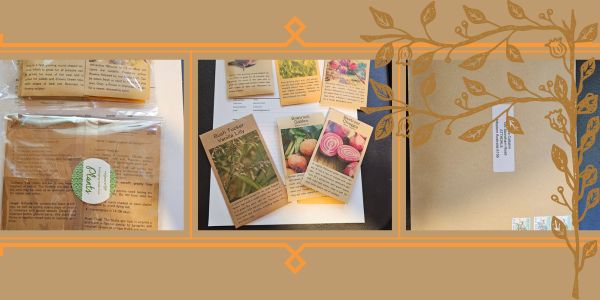
Not only are our seeds packed in recycled paper envelopes, we keep the theme going when we post out website orders. To protect your seeds from moisture and the letter box munchers (snails), we use a very special plastic free material made from plants. They are then put into recycled mailing envelopes. Green all the way ????????
Delivery Guarantee
We take great care to make sure your seeds arrive safely. If your order is lost or damaged in transit, we’ll happily send a replacement. Unfortunately, we can’t replace or refund orders that arrive later than the estimated delivery date, as delays can sometimes occur that are outside our control.
Please note that all dispatch and delivery times listed are estimates only. While we do our best to post promptly, delivery timeframes can vary due to postal service delays, weather events, or other unforeseen circumstances. We’re unable to take responsibility for any loss, damage, or cost that results from a late delivery.
An order is not considered missing until at least 20 business days have passed from the postage date. You’ll receive an email once your seeds have been posted, letting you know they’re on their way. If you don’t see it in your main inbox, please check your Spam or Promotions folders as sometimes our emails like to hide there.
Reviews
There are no reviews yet