

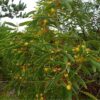


Red Eyed Wattle
$6.59
Acacia Cylops
- 15 seeds
- Visually Stunning
- Perennial
In stock
Description
The Red Eyed Wattle is one of those plants that feels deeply connected to the Australian landscape. Found naturally along the coastal stretches of Western Australia and extending into South Australia, it is well adapted to life where conditions can be harsh and unforgiving. Wind, salt, and shifting sands are all part of its world, yet it stands firm and continues to grow, flower, and set seed year after year.
In its natural habitat, Red-eyed Wattle is most often seen growing in coastal heath or scrubland. These environments are not gentle places. The soils are often sandy and low in nutrients, the winds can be relentless, and salt spray from the ocean is a constant presence. Its tolerance to saline soils and sea spray has made it a practical choice for stabilising coastal sand dunes, where its roots help bind the soil and reduce erosion.
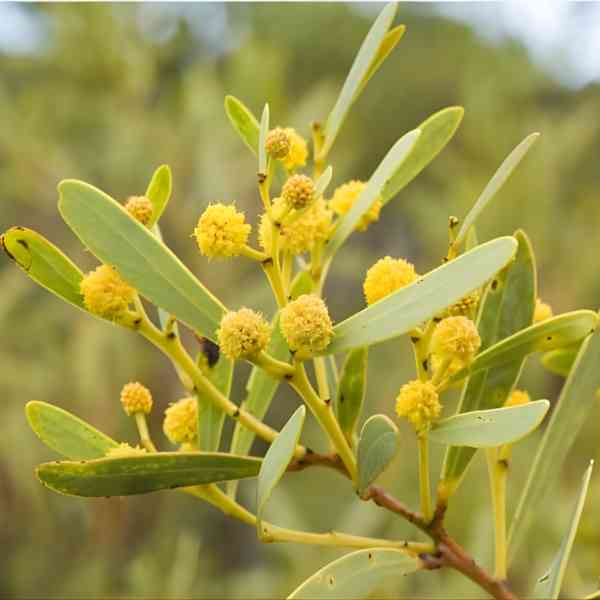
The flowering of Red-eyed Wattle brings clusters of golden yellow flowers appear along the branches, adding warmth and colour that stands out against the muted tones of coastal vegetation. The main display comes through the warmer months, when the plant is at its most active.
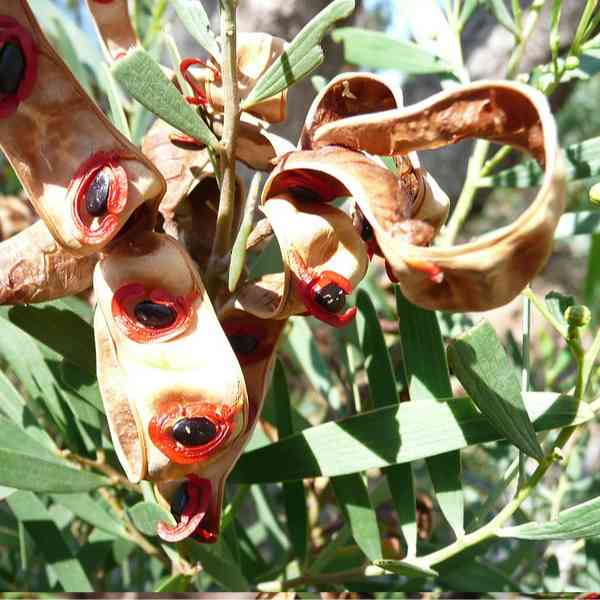
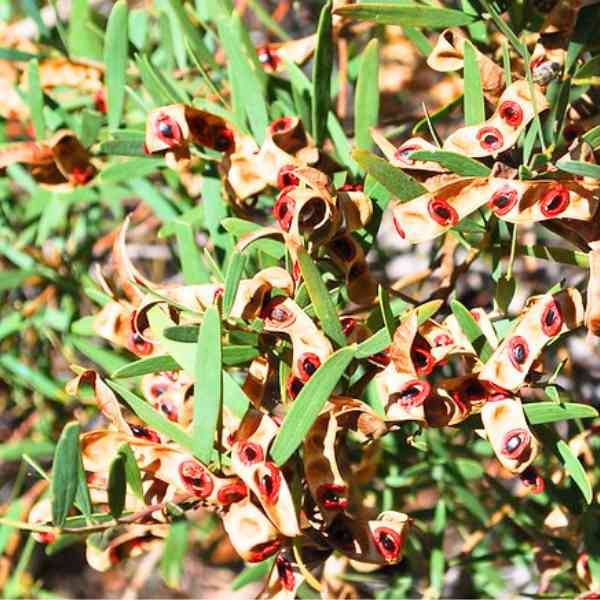
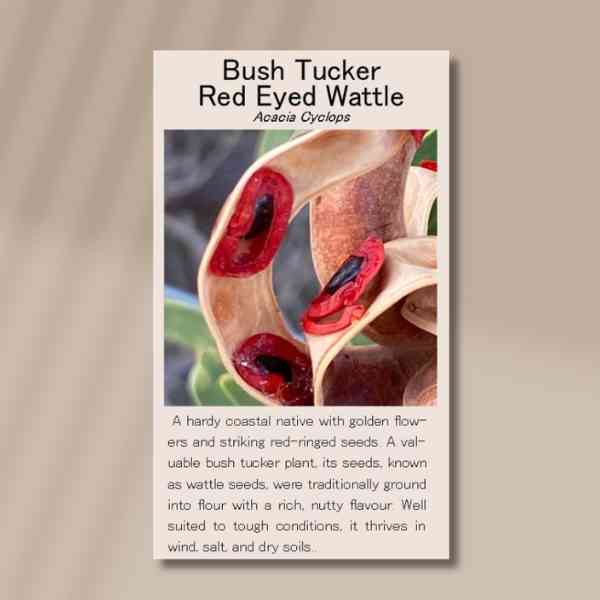
From around October through to January, long, flat seed pods develop and gradually mature. As they dry, they begin to twist and curl, eventually splitting open to reveal the seeds inside. These seeds are quite distinctive, each one marked by a vivid red aril, or stalk, that gives the plant its common name.
The seeds, often referred to as wattle seed, have been an important food source. They were traditionally harvested and ground into flour, which could then be used to make a simple and nourishing bread. The flavour is often described as nutty and rich, with a depth that lends itself well to both sweet and savoury dishes. Even today, wattle seed is appreciated for its versatility in the kitchen, finding its way into baked goods, spice blends, and even as a coffee substitute.
The usefulness of this species extends beyond the seeds. The gum that exudes from the stem was also traditionally eaten, offering another source of nourishment. The sticky juice from young seed pods had its own set of applications, being used as a form of sunscreen, an insect repellent, and even as a treatment for skin conditions such as eczema.
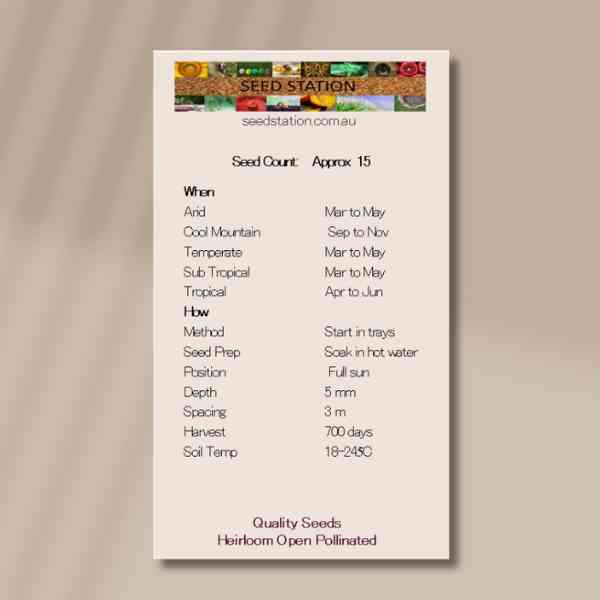
| Method: Sow direct | Soil Temp: 18°C - 24°C |
| Cool Mountain: Sep - Nov | Position: Full sun |
| Arid: Apr - Jul | Spacing: 50cm apart |
| Temperate: Mar - May | Planting Depth: 3mm |
| Sub Tropical: Apr - Jun | Harvest: 550 days |
| Tropical: May - Jul | Plant Height: 1 m |
🌿 Red Eyed Wattle Grow Guide
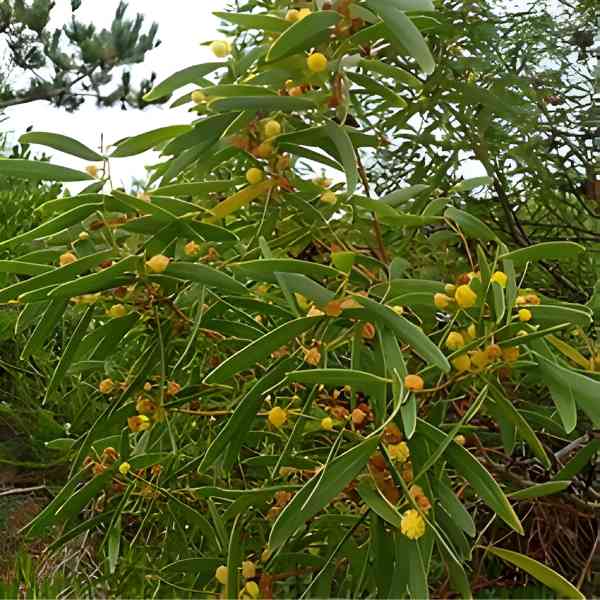
Red Eyed Wattle is a tough, attractive shrub or small tree valued for its golden flowers, hardy nature, coastal tolerance, and striking seed pods that curl open to reveal glossy seeds with a vivid red aril. It is especially well suited to sandy, low-nutrient, well-drained sites and can handle salt spray, wind, dry spells, and exposed positions once established. In many gardens it becomes a dense screening shrub, habitat plant, windbreak, or informal feature tree. Mature plants commonly reach around 3 metres high and wide, although size will vary with soil, water, pruning, and exposure.
🌱 Sowing in Trays vs Direct Sowing
Red Eyed Wattle can be grown either in trays or direct in the ground, but tray sowing is the best method for most gardeners. The main reason is control. Wattle seedlings are small and can be vulnerable to drying out, pests, weed competition, and accidental disturbance. Starting them in tubes or small pots lets you manage moisture, drainage, and early root development before planting them into their final position.
For tray sowing, use a free-draining native seed-raising mix. A sandy mix is ideal because Red Eyed Wattle dislikes heavy, wet conditions. Sow the treated seed just below the surface, covering it lightly with mix. Keep the mix evenly moist but never soggy. Once seedlings are large enough to handle, move them carefully into deeper tubes or forestry-style pots, causing as little root disturbance as possible. Wattles often form strong roots early, so avoid leaving seedlings cramped in shallow trays for too long.
Direct sowing can work in prepared, weed-free soil, especially where the final position is sheltered from foot traffic and competing weeds. However, it is less reliable because seed and young seedlings may be eaten, washed away, buried too deeply, or outcompeted. Direct sowing is best reserved for larger revegetation-style areas rather than small garden plantings.
🔥 Seed Pre-Treatment
Pre-treatment is required. Red Eyed Wattle seeds have a hard seed coat that naturally delays germination. Without treatment, germination may be slow, patchy, or poor. Most wattles benefit from either hot water treatment or mechanical scarification, both of which help moisture enter the seed.
The safest home method is hot water treatment. Place the seeds in a heatproof cup, pour over hot water that has just come off the boil, and leave the seeds to soak as the water cools. Seeds that swell are ready to sow. Any seeds that remain hard can be treated again or gently rubbed with sandpaper on the seed coat, taking care not to damage the embryo.
Mechanical scarification is also effective. Lightly nick or sand the seed coat, preferably away from the red aril area, then soak the seed in water. Once swollen, sow promptly into a free-draining mix.
☀️ Soil and Position
Red Eyed Wattle prefers full sun, although it can tolerate light shade. For best shape, flowering, and dense growth, choose an open, sunny position with good airflow. It is naturally suited to coastal heath and scrub conditions, so it performs well in sandy, loamy, limestone-based, or low-fertility soils, provided drainage is good.
Avoid heavy clay that stays wet. If the site is compacted, mound the planting area slightly and blend coarse sand or fine gravel through the topsoil to improve drainage. Do not enrich the soil heavily with compost or manure. Like many wattles, Red Eyed Wattle is adapted to lean soils and may respond poorly to excessive nutrients, especially high-phosphorus fertilisers. Use only a low-phosphorus native fertiliser if feeding is needed.
This plant is a strong choice for exposed gardens, coastal gardens, habitat gardens, windbreaks, and erosion-prone sandy areas. Give it enough space, as it can become broad and dense.
💧 Care and Maintenance
Once planted out, water deeply to settle the soil around the roots. During establishment, keep the root zone lightly moist, allowing the soil surface to dry between watering. After it has settled in, Red Eyed Wattle becomes drought tolerant and usually needs little extra water except during prolonged dry spells or while young.
Mulch around the plant with coarse native mulch, gravel mulch, leaf litter, or wood chips, keeping mulch away from the stem. This helps suppress weeds, stabilise soil temperature, and reduce moisture loss. Avoid rich, wet mulches pressed against the trunk, as this can encourage collar rot.
Pruning is best done lightly and regularly rather than hard and infrequently. Tip-prune young plants to encourage bushiness. Remove dead, crossing, or weak growth as needed. Avoid cutting deeply into old bare wood, as many wattles do not recover strongly from severe pruning. If using Red Eyed Wattle as a screen, gentle shaping will keep it dense and tidy.
🌼 Companion Planting Guide
Red Eyed Wattle works beautifully with other tough, low-water, well-drained garden plants. Its golden flowers attract pollinators, its dense growth provides shelter for small birds, and its roots can help stabilise sandy soils. As a companion plant, it is best placed toward the rear of a garden bed or used as a structural shrub.
Good companions include coastal rosemary, native grasses, pigface, banksias, grevilleas, correas, lomandras, dianellas, hakeas, and saltbushes. These plants generally enjoy similar free-draining conditions and do not require rich soil. Low groundcovers such as pigface can help protect soil around the base, while grasses and strappy plants soften the edge of the planting.
Avoid planting Red Eyed Wattle too close to heavy-feeding vegetables, thirsty ornamentals, or plants that need constantly moist, rich soil. It is better grouped with plants that prefer leaner, drier conditions.
✂️ How to Harvest
Red Eyed Wattle produces long, flat pods that twist open as they mature, revealing the distinctive red-ringed seeds. Harvest pods once they are dry, brown, and beginning to split. Do not wait too long after pods open, as seeds may fall or be taken by birds and insects.
Cut or hand-pick mature pods into a paper bag or bucket. Let them finish drying in a warm, airy, shaded place. As the pods dry further, they will curl and release the seeds. Shake the bag gently to separate seeds from the pods, then remove chaff by hand.
The seeds have traditional food uses, but they should not be eaten casually without confident identification and safe preparation knowledge. For home gardeners, the most practical harvest is usually for seed saving, habitat value, and ornamental use.
⚠️ Common Issues and Fixes
| Issue | Likely Cause | Fix |
|---|---|---|
| Seeds do not germinate | Hard seed coat was not treated properly | Use hot water treatment or gently scarify seed before sowing |
| Seeds rot before sprouting | Mix too wet or poorly drained | Use a sandy seed mix and keep moist, not soggy |
| Seedlings collapse | Damping-off disease from excess moisture and poor airflow | Improve airflow, avoid overwatering, use clean trays and fresh mix |
| Yellowing leaves | Poor drainage, root stress, or excess nutrients | Check drainage, reduce watering, avoid strong fertiliser |
| Weak, stretched growth | Not enough light | Move seedlings or plants into a brighter position |
| Sudden dieback | Waterlogged soil, root damage, or severe stress | Improve drainage, avoid disturbing roots, prune only dead material |
| Poor flowering | Too much shade or excessive fertiliser | Grow in more sun and avoid high-nitrogen feeding |
| Short-lived plant | Natural lifespan, stress, or heavy pruning into old wood | Save seed regularly and maintain younger replacement plants |
| Pest damage on seedlings | Snails, slugs, caterpillars, or browsing animals | Protect young plants with guards, barriers, or hand removal |
| Weed competition | Young plants being crowded | Keep a clear mulched area around the base |
🌰 Detailed Seed Saving Guide
Seed saving from Red Eyed Wattle is straightforward once you learn to watch the pods closely. The key is to collect pods at the point where they are mature but before most of the seed has dropped. Mature pods turn dry and brown, then twist open. The seeds are easy to recognise because of the red aril that gives the plant its common name.
Choose seed from healthy, vigorous plants with good form, strong flowering, and no obvious disease. Avoid collecting from weak or heavily stressed plants unless you are preserving seed from a rare local specimen. Collect from several plants where possible to maintain genetic diversity.
Place harvested pods in a paper bag, not a sealed plastic bag. Paper allows moisture to escape and reduces the chance of mould. Label the bag with the plant name, collection location, and collection date. Leave the pods in a dry, shaded, well-ventilated spot until they fully open. Shake the bag gently, then remove empty pod pieces and chaff.
Once clean, spread the seeds on a plate or tray for a few more days to ensure they are completely dry. Store them in a labelled paper envelope or airtight jar in a cool, dark, dry place. Adding a small silica gel packet can help keep moisture low. Do not pre-treat seed before storage. Scarify or hot-water treat only when you are ready to sow.
Well-dried wattle seed can remain viable for a long time under good storage conditions. Before sowing older seed, test a small batch with hot water treatment and check whether the seeds swell. Swollen seeds are usually ready to germinate, while hard seeds may need repeat treatment.
🌿 Final Thoughts
Red Eyed Wattle is a resilient, beautiful, and useful plant for low-maintenance gardens, coastal-style plantings, wildlife gardens, and sandy sites. Its best results come from simple care: treat the seed before sowing, start seedlings in trays, use free-draining soil, avoid overfeeding, and plant in a bright open position. Once established, it asks for little and gives back plenty, with golden flowers, shelter for wildlife, soil-stabilising roots, and highly ornamental seed pods.

Postage Charge
Orders under $40 attract a $5.50 shipping charge. Orders $35 and above have free shipping.
*** We cannot deliver to Parcel Lockers ***
Order Times
Seed orders are normally dispatched within three business days. You will receive an email when seeds are mailed out.
Postage Days
Seeds are mailed out Tuesday to Friday at 1pm. Except for the Friday of long weekends.
Postage Times
WA 2-3 Days: SA,NT 3-5 Days: NSW, ACT, QLD, VIC: 5-7 Days
Carrier
We use Australia Post Letter Postage for the majority of orders.
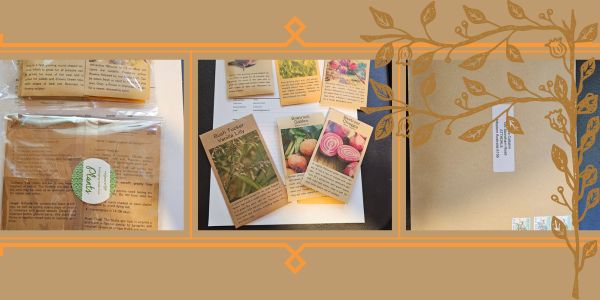
Not only are our seeds packed in recycled paper envelopes, we keep the theme going when we post out website orders. To protect your seeds from moisture and the letter box munchers (snails), we use a very special plastic free material made from plants. They are then put into recycled mailing envelopes. Green all the way ????????
Delivery Guarantee
We take great care to make sure your seeds arrive safely. If your order is lost or damaged in transit, we’ll happily send a replacement. Unfortunately, we can’t replace or refund orders that arrive later than the estimated delivery date, as delays can sometimes occur that are outside our control.
Please note that all dispatch and delivery times listed are estimates only. While we do our best to post promptly, delivery timeframes can vary due to postal service delays, weather events, or other unforeseen circumstances. We’re unable to take responsibility for any loss, damage, or cost that results from a late delivery.
An order is not considered missing until at least 20 business days have passed from the postage date. You’ll receive an email once your seeds have been posted, letting you know they’re on their way. If you don’t see it in your main inbox, please check your Spam or Promotions folders as sometimes our emails like to hide there.

Reviews
There are no reviews yet