

Passionfruit Banana
$6.59
Passiflora Mollisima
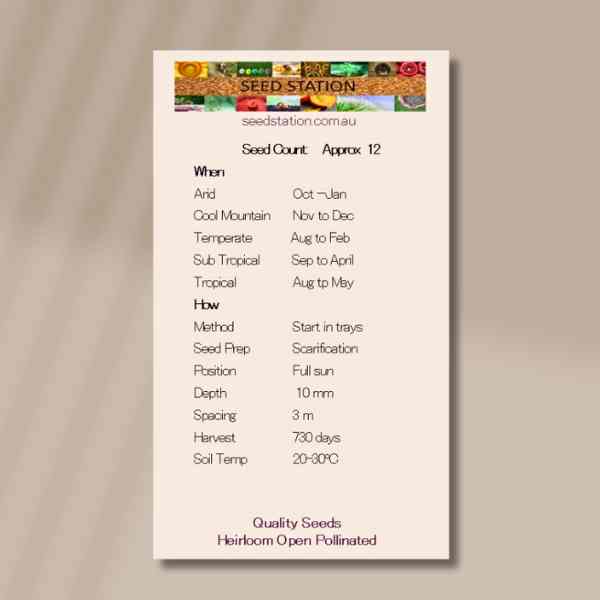
- Seed Count 12
- Evergreen Climber
- Perennial
Out of stock
Email when stock available
Description
The Passionfruit Banana is aย vigorous climber that has earned its place not only for its hardy nature but also for the surprising character it brings to both the garden and the kitchen. It is a hardy, prolific grower that has cemented its place in gardens across Australiaโs diverse climates. Whether in the humid subtropical zones of Queensland or tucked into a sunny pocket of a temperate backyard in Victoria, it demonstrates a remarkable ability to adapt. Its structure is strong and purposeful, with a vigorous growth habit that speaks to its resilience.
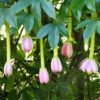
Its foliage is lush and dense, providing shade and greenery that easily transforms a plain fence or trellis into a living tapestry. Then come the flowers, which are striking in their own right. Vivid purple in tone, with delicate frills and a hypnotic symmetry, they are the kind of blossoms that stop people in their tracks. Garden visitors often find themselves leaning closer, fascinated by the intricate design nature has crafted.
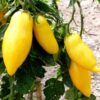
The fruit itself carries the distinctive identity of this plant. Rather than the round, puckered shape many people expect from passionfruit, the Passionfruit Banana offers oblong fruit with a softer skin. Their colouring is a mottled mixture of gold and deep green that shifts to a warm amber as they ripen. Hanging in generous clusters, the fruits have a look that feels almost ornamental, glowing like lanterns against the deep green foliage.
The flavour carries a gentler sweetness alongside the tang. It is versatile in the kitchen because of that balance, equally suited to sweet or savoury uses. A gardener who harvests a bowlful will quickly find themselves experimentingโwhirling it into morning smoothies, spooning it over yoghurt, drizzling it across pavlovas, or folding it into tangy relishes and chutneys.
In terms of productivity, Passionfruit Banana is nothing short of impressive. Once established, a single vine can produce between 150 and 300 fruits in a year. Few garden crops can match that kind of yield for the space they take up. What makes this even more remarkable is the speed at which it begins to reward the grower. While some fruiting plants test patience with years of waiting, Passionfruit Banana can begin producing fruit in just one year.
Another point in its favour is its resilience. Australiaโs climates can be unpredictable, with summers that veer between heatwaves and sudden downpours, and winters that surprise with frost in some areas. Passionfruit Banana demonstrates a toughness that feels almost designed for such conditions. Its root system, once established, is surprisingly drought-tolerant. This trait makes it well-suited to regions where rainfall is inconsistent or water restrictions are a regular reality. At the same time, it does not sulk when wetter conditions arrive. It is that rare plant that manages to cope with what nature throws at it, provided it is given the basics of sunlight and a little protection from the harshest winds.
Its natural resistance to common pests adds yet another layer of appeal. Many gardeners tire of plants that invite endless problems, but Passionfruit Banana seems to stand its ground. While no plant is entirely immune, this one has a level of hardiness that reduces the need for constant intervention. For those who prefer to garden with minimal sprays and inputs, its resilience makes it a natural choice. It aligns neatly with sustainable practices, allowing the gardener to enjoy generous harvests without feeling tied to a cycle of treatments and worry.
Managing Suckers and Rootstock Benefits
One important consideration when growing passionfruit is the issue of suckers. Many commercial passionfruit vines are grafted onto rootstock, often to improve disease resistance or manage growth. However, grafted plants frequently send up vigorous suckers from the rootstock, which can overtake the grafted scion if not removed promptly. These suckers usually grow with more force, yet they do not produce the same quality of fruit, and if left unchecked they can divert energy away from the productive vine. Managing them requires vigilance, as they need to be cut away repeatedly, sometimes for the life of the plant.
The Passionfruit Banana, grown from seed rather than grafted onto a rootstock, avoids this issue almost entirely. Because it grows on its own roots, the problem of rootstock suckering does not arise. This simplifies the gardenerโs task considerably and ensures that all growth belongs to the productive variety itself. Beyond convenience, this also means the plantโs natural hardiness is preserved, without reliance on a rootstock chosen for different reasons. For gardeners who prefer low-maintenance plants and who want to be sure that the vine they nurture is true to type, growing Passionfruit Banana from seed offers a clear advantage.
The Passionfruit Banana also has an ornamental side that is often overlooked. With its dense greenery, vigorous climbing habit, and glowing fruit, it makes an effective cover for unsightly structures or bare fences. Gardeners who value form as much as function find that it serves both roles beautifully. It is as at home in a productive kitchen garden as it is in a landscaped yard where aesthetics matter. Few plants can claim to offer both a striking display and a practical harvest in such equal measure.
| Method: Sow direct | Soil Temp: 20ยฐC - 30ยฐC |
| Cool Mountain: Nov - Dec | Position: Full sun |
| Arid: Oct - Jan | Row Spacing: 3 m apart |
| Temperate: Aug - Feb | Planting Depth: 10 mm |
| Sub Tropical: Sep - Apr | Harvest: 365 Days |
| Tropical: Aug - May | Plant Length: 5 m |
๐ Passionfruit Grow Guide
๐ฑ Overview
Passionfruit is a vigorous climbing vine grown for its fragrant flowers, dense green foliage, and sweet-tart fruit. It is a rewarding edible plant for fences, pergolas, trellises, arches, and sunny garden boundaries. A healthy vine can grow quickly, so it needs strong support from the beginning.
Growing passionfruit from seed is enjoyable, but it requires patience. Seed-grown vines may vary in fruit size, flavour, skin colour, and productivity. They may also take longer to fruit than nursery-grown plants. Even so, seed-grown passionfruit can be strong, productive, and well suited to a home garden if given warmth, sun, drainage, feeding, and room to climb.
๐ฐ Seed Pre-Treatment
Seed pre-treatment is recommended. Passionfruit seed is surrounded by sticky pulp that can slow germination or encourage mould if left on the seed.
Remove the seed from ripe fruit and place it in a sieve. Rub gently under running water to remove as much pulp as possible. Another method is to place the seed and pulp in a small jar of water for a day or two, then rinse the seed clean. Do not leave it fermenting for too long, as the seed may be damaged.
After cleaning, soak the seed in room-temperature water for 24 hours before sowing. Fresh seed usually germinates better than old seed. Older seed may benefit from very gentle rubbing with fine sandpaper before soaking, but do this carefully because damaged seed may rot.
Smoke treatment is not required.
๐ชด Sowing in Trays vs Direct Sowing
Passionfruit can be direct sown, but sowing in trays or small pots is the best method for most home growers. Seedlings are easier to protect from snails, ants, birds, drying soil, heavy rain, and weed competition. Tray sowing also lets you choose the strongest seedlings before planting them into their final position.
Use small pots, tubes, or a cell tray filled with a free-draining seed-raising mix. Sow seed about 5 to 10 mm deep, cover lightly, and water gently. Keep the mix evenly moist but never soggy. Place the pots somewhere bright and warm, but avoid harsh direct sun while the seedlings are tiny.
Germination can be uneven. Some seed may sprout quickly, while others may take several weeks. Do not discard the tray too early.
Direct sowing is less reliable. If direct sowing, plant seed into loose, weed-free soil beside a prepared trellis or fence. Keep the area lightly moist and protected until seedlings are strong. Thin to the healthiest plant once they are large enough to judge.
โ๏ธ Soil and Position
Passionfruit grows best in a sunny, sheltered position with strong airflow and protection from damaging winds. More sun usually means stronger growth, better flowering, and sweeter fruit. In too much shade, vines may produce lots of leaves but fewer flowers and fruit.
The soil should be deep, fertile, and free draining. Passionfruit vines are hungry plants, but they dislike waterlogged roots. A raised bed or mound is ideal if the soil is heavy. Before planting, improve the area with compost, aged manure, and organic matter. The goal is rich soil that holds moisture but still drains freely.
A strong support is essential. Use a sturdy trellis, fence, pergola, arch, or wire frame. Passionfruit vines become heavy, especially when mature and carrying fruit, so lightweight supports may bend or collapse.
Avoid planting too close to shallow-rooted trees or large shrubs. Passionfruit roots do not like heavy competition, especially while the vine is establishing.
๐ง Care and Maintenance
Passionfruit needs steady care to crop well. Young vines should be watered regularly while they establish. Mature vines prefer deep watering rather than frequent light watering. The soil should stay lightly moist during active growth and fruiting, but not wet and boggy.
Mulch is very useful. Apply compost, straw, sugarcane mulch, woodchip, or leaf mulch around the root zone to keep soil moisture stable and protect surface roots. Keep mulch slightly away from the stem to prevent collar rot.
Feed regularly but sensibly. Passionfruit responds well to compost, aged manure, worm castings, seaweed solution, and a balanced fruiting fertiliser. Avoid too much high-nitrogen fertiliser, as this can create lush leaves with fewer flowers.
Train the main vine up the support, then encourage side branches to spread along wires or rails. These laterals produce much of the flowering and fruiting growth. Prune lightly to remove dead, tangled, weak, or overcrowded stems. Heavy pruning should be done carefully, as removing too much growth can reduce the next crop.
Pollination is important. Some passionfruit set fruit well on their own, while others crop better when pollinators are active or when more than one compatible vine is nearby. Bees are especially valuable. If flowers are forming but fruit is not setting, hand pollination can help. Use a small soft brush to move pollen from the anthers to the central stigma of a fresh flower.
๐ผ Companion Planting Guide
Passionfruit grows well with companions that attract pollinators, protect soil, and support a healthy garden ecosystem. Good companions include basil, marigold, calendula, alyssum, borage, nasturtium, lavender, thyme, oregano, parsley, coriander, chives, beans, lettuce, and strawberries.
Flowers such as alyssum, calendula, borage, and marigold help attract bees, hoverflies, and other beneficial insects. Herbs such as basil, thyme, oregano, chives, and parsley add diversity and can help bring pollinators close to the vine. Low-growing plants such as strawberries or lettuce can help shade the soil, but they should not be allowed to crowd the vineโs stem.
Avoid planting passionfruit beside aggressive, thirsty, or heavy-feeding plants that will compete strongly for water and nutrients. Avoid large shrubs, vigorous groundcovers, and trees with dense surface roots. Also avoid planting too many tall crops directly in front of the vine, as they may shade it and reduce flowering.
๐ How to Harvest
Passionfruit is usually ready to harvest when the fruit has fully coloured and begins to drop naturally from the vine. Fruit that falls when ripe is often sweeter than fruit picked too early. You can also pick fruit when it is fully coloured and slightly wrinkled, depending on the variety and your taste preference.
Do not judge ripeness by wrinkles alone. Some fruit wrinkles after picking, while other fruit stays smooth even when ripe. A ripe fruit should feel heavy for its size and have a strong fragrance.
Collect fallen fruit regularly so it does not spoil, attract pests, or become sun-damaged. Store fruit at room temperature for short-term use, or refrigerate ripe fruit if you want it to last longer.
To use, cut the fruit open and scoop out the pulp. The pulp can be eaten fresh, added to yoghurt, desserts, drinks, sauces, cakes, icing, salad dressings, or frozen for later use.
โ ๏ธ Common Issues and Fixes
| Issue | Likely Cause | Fix |
|---|---|---|
| Seed does not germinate | Old seed, pulp left on seed, cool conditions, or uneven moisture | Use fresh cleaned seed, soak before sowing, and keep the mix evenly moist |
| Seedlings collapse | Overwatering, poor airflow, or damping-off | Use clean pots, free-draining mix, gentle watering, and good ventilation |
| Slow seedling growth | Low light, cool soil, poor nutrition, or root restriction | Move to brighter warmth, pot on when needed, and feed lightly once established |
| Lots of leaves but few flowers | Too much nitrogen, not enough sun, or immature vine | Reduce high-nitrogen feeding, increase sunlight, and allow the vine to mature |
| Flowers drop without fruit | Poor pollination, heat stress, dry soil, or nutrient imbalance | Encourage bees, hand pollinate, water deeply, and feed with a balanced fertiliser |
| Fruit shrivels before ripening | Water stress, root damage, or irregular watering | Keep moisture steady and mulch the root zone |
| Yellow leaves | Overwatering, poor drainage, nutrient deficiency, or cold stress | Improve drainage, check watering, and feed gently with compost or seaweed solution |
| Leaves are chewed | Caterpillars, grasshoppers, snails, or beetles | Inspect regularly, remove pests by hand, and encourage beneficial insects |
| Sticky leaves or sooty mould | Sap-sucking insects such as aphids, scale, or mealybug | Spray pests off with water, prune crowded growth, and use garden-safe controls if needed |
| Fruit skin blemishes | Sunburn, pests, fungal marks, or weather stress | Maintain leaf cover, water steadily, and remove badly affected fruit |
| Vine suddenly wilts | Root rot, collar rot, severe water stress, or root damage | Check drainage, keep mulch away from the stem, and avoid wet soil around the crown |
| Vine becomes tangled and unproductive | Lack of pruning or poor training | Remove dead and overcrowded growth, then train strong laterals along supports |
๐พ Seed Saving Guide
Saving passionfruit seed is simple, but good selection matters. Choose fruit from the healthiest, most productive vine with good flavour, strong growth, and attractive fruit. Avoid saving seed from weak vines, diseased vines, or fruit with poor flavour.
Let the fruit ripen fully before collecting seed. The best seed comes from mature fruit with well-developed pulp. Scoop the pulp into a small jar or bowl and add a little water. Leave it for a short period so the pulp loosens from the seed, then rinse through a sieve.
Rub the seed gently under running water until most of the pulp is removed. Spread the clean seed on paper towel, a fine mesh screen, or a ceramic plate. Dry it in a shaded, airy place. Do not dry seed in harsh direct sun or high heat.
Once fully dry, store the seed in a labelled paper envelope inside an airtight jar. Keep it somewhere cool, dark, and dry. Label the packet with the plant name, fruit colour, collection date, and notes about the parent vine, such as fruit size, flavour, productivity, and disease resistance.
For best results, sow passionfruit seed while it is still relatively fresh. Older seed can still germinate, but it may take longer and sprout less evenly. Before sowing saved seed, soak it in water for 24 hours to help soften the seed coat.
Because seed-grown passionfruit may not be identical to the parent vine, save seed only from plants you genuinely like. Grow several seedlings if space allows, then keep the strongest and best-performing vine.
๐ Final Thoughts
Passionfruit is a generous and beautiful vine when its basic needs are met. It needs fresh cleaned seed, warm protected seed raising, rich free-draining soil, strong support, steady moisture, regular feeding, and plenty of sun.
For most gardeners, starting seed in trays or small pots is the most reliable method. Once planted out, train the vine early, mulch well, encourage pollinators, and keep water consistent during flowering and fruiting. With patience and good care, passionfruit can become a productive feature plant that rewards the garden with shade, flowers, fragrance, and delicious fruit.
2 reviews for Passionfruit Banana
| 5 star | 100% | |
| 4 star | 0% | |
| 3 star | 0% | |
| 2 star | 0% | |
| 1 star | 0% |
Postage Charge
Orders under $35 attract a $4.95 shipping charge. Orders $35 and above have free shipping.
Order Times
Seed orders are normally dispatched within three business days. You will receive an email when seeds are mailed out.
Postage Days
Seeds are mailed out Tuesday to Friday at 1pm. Except for the Friday of long weekends.
Postage Times
WA 2-3 Days: SA,NT 3-5 Days: NSW, ACT, QLD, VIC: 5-7 Days
Carrier
We use Australia Post Letter Postage for the majority of orders
Not only are our seeds packed in recycled paper envelopes, we keep the theme going when we post out website orders. To protect your seeds from moisture and the letter box munchers (snails), we use a very special plastic free material made from plants. They are then put into recycled mailing envelopes. Green all the way ????????
Delivery Guarantee
We take great care to make sure your seeds arrive safely. If your order is lost or damaged in transit, weโll happily send a replacement. Unfortunately, we canโt replace or refund orders that arrive later than the estimated delivery date, as delays can sometimes occur that are outside our control.
Please note that all dispatch and delivery times listed are estimates only. While we do our best to post promptly, delivery timeframes can vary due to postal service delays, weather events, or other unforeseen circumstances. Weโre unable to take responsibility for any loss, damage, or cost that results from a late delivery.
An order is not considered missing until at least 20 business days have passed from the postage date. Youโll receive an email once your seeds have been posted, letting you know theyโre on their way. If you donโt see it in your main inbox, please check your Spam or Promotions folders as sometimes our emails like to hide there.


See all our verified customer reviews on our official CusRev profile.
100% as described. I am yet to plant them.
See all our verified customer reviews on our official CusRev profile.