
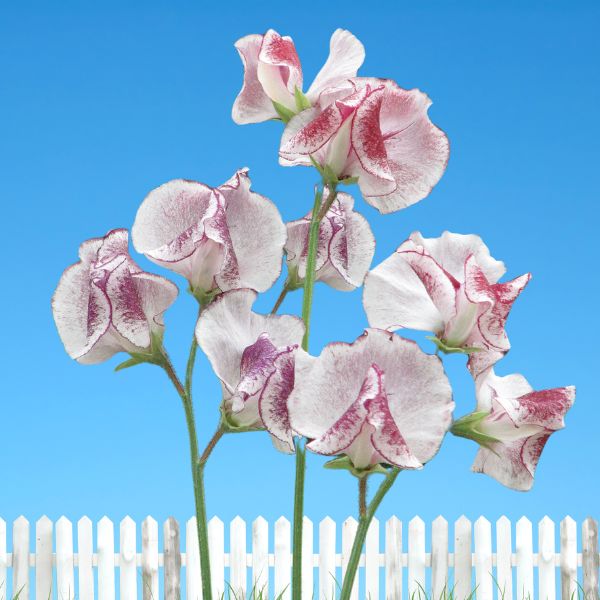
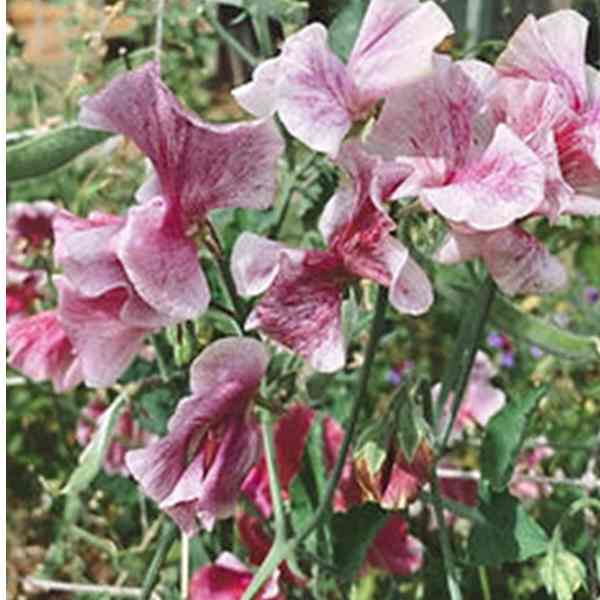
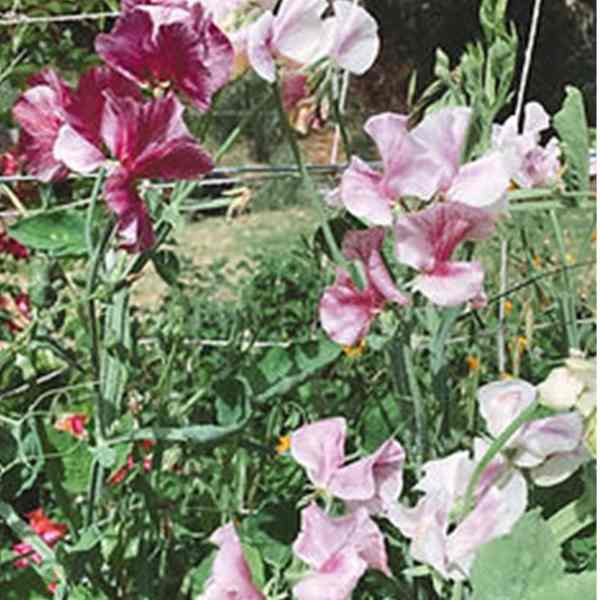
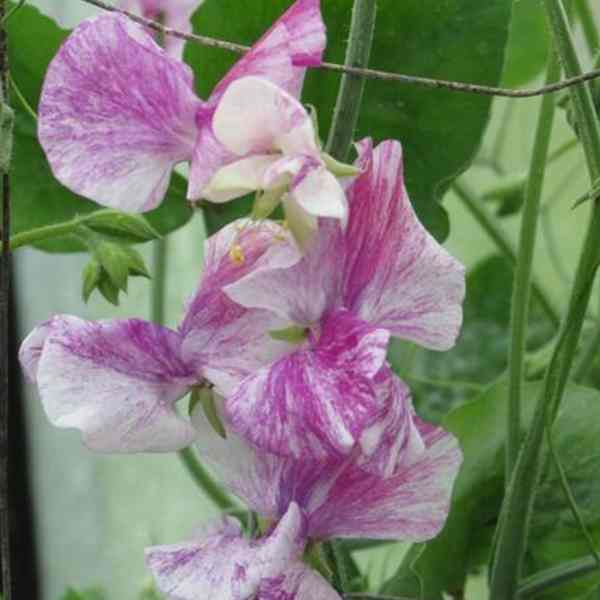

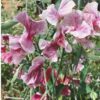
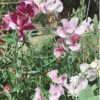

Sweet Pea Pink Streamers
$6.59
Lathyrus Odoratus
- Seed Count 10
- Highly Fragrant
- Annual
Out of stock
Email when stock available
Description
Passed down through generations, Sweet Pea Pink Streamers embodies the romance of old-world gardens. Its long stems and abundant blooms make it a showstopper in floral arrangements, while its vigorous growth ensures a lush, cascading display of colour.
Embodying the romance of old-world gardens it dances in the breeze like delicate silk ribbons. Renowned for its enchanting blush-pink blooms and intoxicating fragrance, this climbing annual is a timeless favorite for heritage gardeners and flower enthusiasts alike.
It’s vigorous climbing habit makes it perfect for trellises, arbors, or cottage fences, these vines reach 6–8 feet, weaving vertical beauty into your garden canvas.
| Method: Sow direct | Soil Temp: 8°C - 24°C |
| Cool Mountain: Aug - Oct | Position: Full sun |
| Arid: Apr - Aug | Row Spacing: 8 cm apart |
| Temperate: Apr - Sep | Planting Depth: 12 mm |
| Sub Tropical: Apr - Jul | Harvest: 100 days |
| Tropical: Apr - May | Plant Height: 200 cm |
🌸 Sweet Pea Grow Guide
Sweet peas are treasured for their beautifully scented flowers, soft climbing habit, and generous colour range. They are one of the most rewarding flowers to grow for picking, especially when trained up a trellis, fence, arch, netting, or teepee frame. Their blooms are delicate but abundant, and regular harvesting encourages even more flowers.
Sweet peas are climbers, so they need support from an early stage. With deep soil, steady moisture, good airflow, and frequent picking, they can produce a long and fragrant display. They are best grown as ornamental flowers only, as the seeds and pods are not edible.
🌱 Sowing in Trays Versus Direct Sowing
Sweet peas can be grown successfully by either direct sowing or starting in trays, but sowing in trays is usually the best method for most gardeners. Tray sowing gives better control over moisture, protects the seed from pests, and allows you to raise strong young plants before placing them into their final position.
Use deep cells, root trainers, toilet roll tubes, or small biodegradable pots because sweet peas develop long roots and dislike being cramped. Fill the container with a good seed-raising mix, sow seeds about 1 to 2 cm deep, water gently, and keep the mix moist but never soggy. Once seedlings are sturdy and have several true leaves, transplant them carefully, disturbing the roots as little as possible.
Direct sowing can also work well where the soil is prepared, weed-free, and protected from pests. Sow seeds directly beside their support structure so the young plants can climb as soon as tendrils appear. Direct sowing avoids transplant shock, but it can be less reliable if birds, rodents, slugs, snails, or heavy rain disturb the seed.
For the strongest and most consistent results, tray sowing into deep containers is the preferred method, especially when you want even spacing and healthy plants ready to climb.
🌾 Seed Pre-Treatment
Sweet pea seed often benefits from pre-soaking, especially if the seed coat is hard. Place the seeds in a cup of room-temperature water for several hours or overnight. This helps soften the outer coat and can encourage quicker, more even germination.
After soaking, sow the seeds promptly. Do not leave them sitting in water for too long, as this can cause rotting. Seeds that swell slightly are ready to plant. If some seeds do not swell, they can still be sown, but they may take longer to germinate.
Some gardeners lightly nick the seed coat with a nail file, but this is usually only needed for very hard or older seed. If you do scarify the seed, only roughen a small part of the coat and avoid damaging the inner seed.
🌞 Soil and Position
Sweet peas grow best in a position with full sun to light partial shade. They need plenty of light to flower well, but in hot, exposed spots they appreciate protection from harsh afternoon heat. Good airflow is important, but avoid extremely windy positions unless the support structure is strong.
The soil should be deep, fertile, moisture-retentive, and free-draining. Sweet peas are hungry plants with deep roots, so they perform best when the soil has been improved before planting. Mix in compost, aged manure, or well-rotted organic matter to create a rich root zone. The aim is soil that holds moisture without becoming waterlogged.
Avoid shallow, dry, compacted, or very poor soil. These conditions can lead to weak growth, short stems, and fewer flowers. In containers, use a deep pot or trough with excellent drainage and a premium potting mix. Shallow pots are not ideal because sweet peas need root depth to perform well.
A sturdy support is essential. Netting, mesh, bamboo frames, arches, obelisks, or trellis panels all work well. Install the support before or at planting time so young plants are not damaged later.
💧 Care and Maintenance
Sweet peas need consistent care to flower at their best. Water deeply and regularly, especially once plants are climbing and producing buds. Dry soil can cause buds to drop, stems to shorten, and flowering to slow. Mulching around the base helps conserve moisture and keeps the root zone cooler, but keep mulch slightly away from the stems.
Pinching out young plants encourages bushier growth. When seedlings have several sets of leaves, pinch out the growing tip just above a leaf joint. This encourages side shoots, which usually leads to more flowering stems.
Tie young plants gently to their support until their tendrils grip naturally. Use soft ties and avoid tying too tightly. As plants grow, guide stems upward to prevent tangling and crowding.
Feeding is helpful once plants are established. Use a flower-focused fertiliser or liquid feed that is not too high in nitrogen. Too much nitrogen can create leafy growth with fewer blooms. A potassium-rich feed during flowering can help support strong bud and flower production.
Regular picking is one of the most important tasks. Sweet peas produce more flowers when blooms are harvested often. If flowers are left to form pods, the plant begins putting energy into seed rather than new blooms.
🐝 Companion Planting Guide
Sweet peas pair beautifully with other flowers and productive garden plants. Their height and fragrance make them ideal for vertical interest, while nearby lower plants can soften the base of the support.
Good companions include alyssum, calendula, cornflower, cosmos, dianthus, lavender, marigold, nasturtium, pansy, salvia, snapdragon, stock, viola, and zinnia. These companions help create a diverse flowering area that attracts bees, hoverflies, and other beneficial insects.
Sweet peas can also be grown near vegetables where pollinator activity is useful. They work well near leafy greens, carrots, beans, peas, tomatoes, and herbs, provided they are not shading smaller plants too heavily.
Avoid planting sweet peas with very vigorous climbers that will overtake their support. Also avoid pairing them with plants that need constantly wet soil, as sweet peas prefer moisture without waterlogging. Keep them away from dense groundcovers that may compete heavily at the root zone.
✂️ How to Harvest
Harvest sweet pea flowers when the lower blooms on the stem are open and the upper buds are still fresh. Pick early in the day when stems are hydrated. Use clean, sharp snips and cut long stems to encourage more growth from lower nodes.
Place stems straight into clean water. Remove any leaves that would sit below the waterline, as submerged leaves spoil quickly. For best vase life, change the water often and keep the flowers away from direct heat.
Pick frequently. The more you harvest, the more the plant is encouraged to keep flowering. Do not allow seed pods to form unless you are intentionally saving seed, because pod formation slows flower production.
⚠️ Common Issues and Fixes
| Issue | Likely Cause | Fix |
|---|---|---|
| Poor germination | Hard seed coat, old seed, soil too wet or too dry | Soak seed before sowing, use fresh seed, keep mix evenly moist |
| Seed rotting | Overwatering or poorly drained mix | Use free-draining seed mix, avoid soggy conditions, sow at the correct depth |
| Weak, leggy seedlings | Not enough light or overcrowding | Move to brighter light, thin seedlings, plant out before they become cramped |
| Plants fail to climb | No support, support too smooth, young stems not guided | Provide mesh, netting, or twiggy supports and gently tie young stems |
| Few flowers | Not enough sun, too much nitrogen, flowers not picked | Increase light, reduce leafy fertiliser, harvest blooms regularly |
| Bud drop | Dry soil, heat stress, irregular watering | Water deeply and consistently, mulch roots, provide light protection in harsh heat |
| Short flower stems | Dry roots, poor soil, overcrowding | Improve soil, water regularly, space plants well |
| Yellowing leaves | Waterlogging, nutrient deficiency, root stress | Improve drainage, feed lightly, avoid disturbing roots |
| Powdery mildew | Poor airflow, dry roots, crowded growth | Improve spacing, water at soil level, remove affected leaves |
| Aphids | Soft new growth attracting sap-sucking insects | Hose off gently, encourage ladybirds and hoverflies, use insecticidal soap if needed |
| Slug or snail damage | Tender seedlings exposed | Protect young plants with barriers, traps, or night checks |
| Seed pods forming too early | Flowers not harvested often enough | Pick blooms frequently and remove unwanted pods |
🌰 Detailed Seed Saving Guide
Saving sweet pea seed is simple, but it does reduce flower production because the plant shifts energy into pod development. Choose a few of the healthiest, strongest plants with flowers you especially like. Let several flowers remain on those plants so pods can form.
The pods will start green and soft, then gradually become fuller, firmer, and dry. Leave them on the plant until they turn brown and papery. Do not harvest too early, as immature seed may not store or germinate well.
When the pods are dry, pick them before they split open. Place them in a paper bag or on a tray in a dry, airy location to finish drying. Once fully dry, gently crack open the pods and remove the seeds.
Inspect the seed carefully. Keep only firm, mature seeds and discard any that are shrivelled, mouldy, damaged, or soft. Spread the seed out for a few extra days to make sure it is completely dry before storing.
Store the seed in a labelled paper envelope or small airtight container. Include the flower colour, plant details, and collection date. Keep seed in a cool, dark, dry place. Moisture and heat reduce seed quality, so avoid storing seed in humid areas.
For stronger future plants, save seed from several healthy plants rather than just one. This helps maintain vigour and gives a better chance of strong germination.
🌿 Final Thoughts
Sweet peas are one of the most beautiful and fragrant flowers to grow, rewarding regular care with armfuls of blooms. They are best started in deep trays or root trainers, given rich soil, steady moisture, and strong support. The key to success is simple: protect the roots, keep plants watered, guide them upward, and pick flowers often.
With thoughtful care, sweet peas can become a highlight of the flower garden, filling beds, arches, fences, and vases with colour and scent.
Postage Charge
Orders under $40 attract a $5.50 shipping charge. Orders $35 and above have free shipping.
*** We cannot deliver to Parcel Lockers ***
Order Times
Seed orders are normally dispatched within three business days. You will receive an email when seeds are mailed out.
Postage Days
Seeds are mailed out Tuesday to Friday at 1pm. Except for the Friday of long weekends.
Postage Times
WA 2-3 Days: SA,NT 3-5 Days: NSW, ACT, QLD, VIC: 5-7 Days
Carrier
We use Australia Post Letter Postage for the majority of orders.
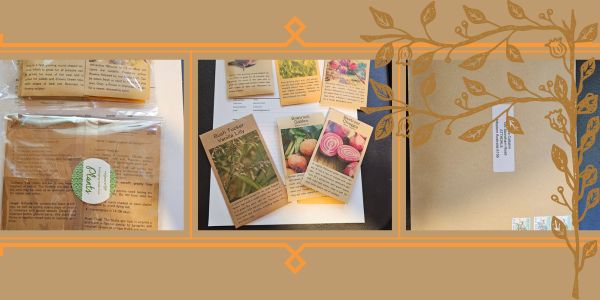
Not only are our seeds packed in recycled paper envelopes, we keep the theme going when we post out website orders. To protect your seeds from moisture and the letter box munchers (snails), we use a very special plastic free material made from plants. They are then put into recycled mailing envelopes. Green all the way ????????
Delivery Guarantee
We take great care to make sure your seeds arrive safely. If your order is lost or damaged in transit, we’ll happily send a replacement. Unfortunately, we can’t replace or refund orders that arrive later than the estimated delivery date, as delays can sometimes occur that are outside our control.
Please note that all dispatch and delivery times listed are estimates only. While we do our best to post promptly, delivery timeframes can vary due to postal service delays, weather events, or other unforeseen circumstances. We’re unable to take responsibility for any loss, damage, or cost that results from a late delivery.
An order is not considered missing until at least 20 business days have passed from the postage date. You’ll receive an email once your seeds have been posted, letting you know they’re on their way. If you don’t see it in your main inbox, please check your Spam or Promotions folders as sometimes our emails like to hide there.
Reviews
There are no reviews yet