




Dandelion
$4.95
Taraxacum Officinale
- Seed Count 350
- Culinary and medicinal herb
- Perennial
Out of stock
Email when stock available
Description
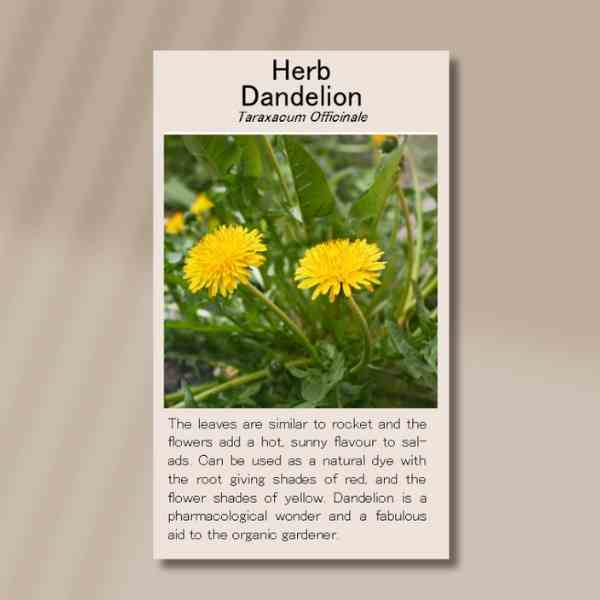
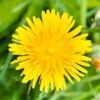
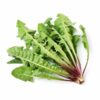
The stems of the dandelion flower are hollow and are crowned with a single yellow flower, which after a few days turns into a ghostly globe of delicate feathery seeds or, as they’re correctly called in the world of botany ‘achenes’. To the resourceful gardener, they’re a resilient, multi-functional ally thriving where others struggle.
Their deep taproots mine nutrients from subsoil and improving soil structure and aerating compacted earth. They cycle nutrients like potassium and calcium upward, enriching soil when chopped as green manure.
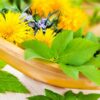
If you like the contrast of peppery greens like rocket in your salad, you will love the taste of dandelion leaves. Pick the leaves of plants that haven’t yet flowered as the older leaves will taste too bitter. The flowers will add a hot, sunny flavour to salads whilst the roots can be prepared into a coffee substitute.
Dandelion can also be used as a natural dye with the root giving various shades of red, while the flower will give shades of wheat and yellow. Dandelion is a virtual pharmacological wonder, with properties to treat the blood, skin and digestive tract.
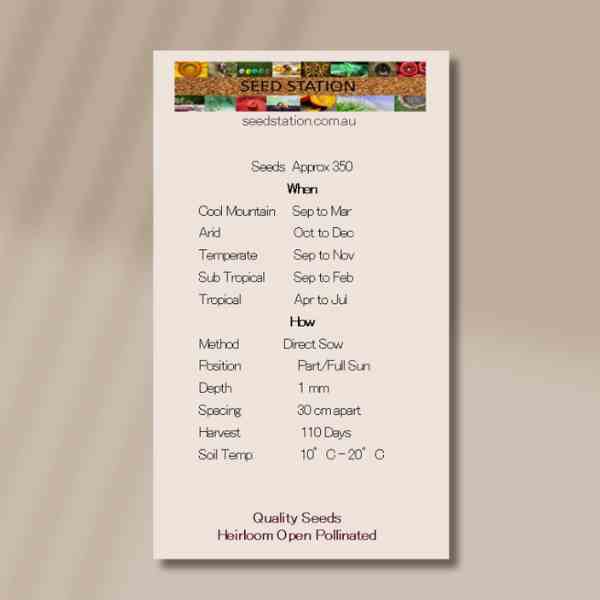
| Method: Sow direct or seedlings | Soil Temp: 10°C - 20°C |
| Cool Mountain: Sep - Mar | Position: Part/full shade |
| Arid: Oct - Dec | Row Spacing: 30cm apart |
| Temperate: Sep - Nov | Planting Depth: 1 mm |
| Sub Tropical: Sep - Feb | Harvest: 110 days |
| Tropical: Apr - Jul | Plant Height: 40cm |
🌼 Dandelion Grow Guide
🌱 Overview
Dandelion is a hardy edible perennial grown for its nutritious leaves, bright yellow flowers, deep taproot, and excellent value for bees and other pollinators. Although many people think of it as a lawn weed, it can be deliberately grown as a useful herb, salad green, root crop, pollinator plant, and seed-saving plant.
Every part of the plant is useful. The young leaves can be eaten fresh or cooked, the flowers can be used for teas, syrups, infused oils, and decorative edible use, and the roots can be dried and roasted as a caffeine-free coffee-style drink. The flavour is pleasantly bitter, especially in mature leaves, so dandelion is best used thoughtfully with lemon, olive oil, garlic, butter, vinegar, eggs, potatoes, or rich sauces.
Dandelion is extremely easy to grow, but it must be managed carefully. It self-seeds freely and develops a strong taproot, so grow it in a dedicated herb bed, contained patch, or deep pot if you do not want it spreading through lawns and garden beds.
🌾 Sowing in Trays Versus Direct Sowing
Dandelion can be grown in trays or sown directly, but direct sowing is usually the best method. The plant develops a taproot early, and direct sowing allows that root to grow straight down without transplant stress. Direct-sown plants often become stronger, deeper rooted, and more resilient.
To direct sow, prepare a weed-free patch of soil with a fine surface. Scatter the seed thinly and press it gently into the soil. Cover with only a very light dusting of fine soil or seed-raising mix, about 2 to 3 mm deep. Water gently with a soft spray so the seed is not washed away. Keep the surface evenly moist until seedlings appear.
Tray sowing can still work, especially if you want to control the number of plants or protect seedlings from slugs, snails, ants, birds, or heavy rain. Use deep cells or small tubes rather than shallow trays. Sow the seed shallowly, keep it moist, and transplant seedlings while they are still young, before the taproot becomes long and coiled.
Best method: direct sowing is recommended because dandelion forms a taproot and dislikes unnecessary root disturbance. Tray sowing is useful for controlled planting, but seedlings should be moved early and carefully.
💧 Seed Pretreatment
Dandelion seed does not require pretreatment. No soaking, chilling, scarifying, or smoke treatment is needed. Fresh seed, shallow sowing, light, and consistent moisture are usually enough for good germination.
Avoid burying seed deeply. Dandelion seed is naturally designed to land close to the soil surface, so deep sowing can reduce germination. The most common problems are old seed, dry soil surface, seed washing away, or seedlings being eaten soon after emergence.
🪴 Soil and Position
Dandelion is adaptable, but the best edible leaves and roots come from fertile, well-drained soil with steady moisture. It can survive in poor soil, compacted lawns, and neglected corners, but the leaves may be tougher and more bitter.
For tender leaf production, improve the soil with compost, aged manure, worm castings, or well-rotted organic matter. Loose, deep soil is especially useful if you plan to harvest roots, because it allows the taproot to grow long and straight.
Choose a position in full sun to part shade. Full sun gives strong growth and plenty of flowers, while part shade can produce softer, milder leaves. In very hot exposed spots, light afternoon shade can reduce leaf bitterness and prevent plants from drying out too quickly.
Dandelion grows very well in pots. Use a deep container with drainage holes, especially if you want to harvest roots. A deep pot also helps contain spreading and prevents unwanted seedlings appearing across the garden.
🌿 Care and Maintenance
Dandelion is low maintenance, but deliberate care gives better eating quality. Keep young plants evenly moist while they establish. Mature plants are drought tolerant because of their taproot, but dry conditions can make the leaves stronger, tougher, and more bitter.
Mulch around plants with straw, fine bark, composted leaves, or sugarcane mulch to hold moisture and reduce weeds. Keep mulch loose around the crown so the centre of the plant does not stay wet and rot.
Feed lightly if growing for leaves. A small amount of compost, worm liquid, or mild liquid fertiliser encourages fresh leafy growth. Avoid excessive feeding, as very soft growth can attract aphids.
For sweeter, paler leaves, you can blanch individual plants by covering the crown with an upturned pot for several days before harvest. This reduces bitterness, but do not leave plants covered too long or they may weaken.
Remove flowers before they set seed if you want to control spread. If you are growing dandelion in a mixed garden, this is the most important maintenance task. Once seed heads form, they can travel easily on the wind.
🌼 Companion Planting Guide
Dandelion is useful in a companion planting system because its flowers feed bees, hoverflies, and other beneficial insects. Its deep taproot can also draw minerals from lower soil layers, and old leaves can be added to compost or used as mulch around hungry plants.
Good companions include lettuce, spinach, kale, silverbeet, beetroot, carrot, parsley, chives, calendula, alyssum, chamomile, yarrow, borage, strawberries, tomatoes, beans, peas, and fruit trees.
In orchards and food forests, dandelion can be useful as a living ground-layer plant if it is managed before seed dispersal. In vegetable beds, it is best kept to edges or containers so it does not compete with smaller crops.
Avoid planting dandelion too close to slow-growing seedlings, shallow-rooted herbs, or delicate greens if you plan to let it mature. Its taproot and rosette can compete for space, moisture, and light. Also avoid letting it seed near lawns unless you are happy for it to spread.
✂️ How to Harvest
Dandelion can be harvested for leaves, flowers, roots, and seed.
For leaves, pick the youngest, freshest leaves from the outside of the rosette. Young leaves are usually milder and better for salads. Larger leaves are stronger and are often better cooked. Use scissors or pinch leaves cleanly from the base, leaving the centre of the plant intact so it can regrow.
For flowers, harvest fully open yellow blooms on a dry day. Use them fresh for teas, syrups, fritters, infused oils, edible decoration, or drying. Remove green parts if you want a milder flavour, as the green base can be bitter.
For roots, lift the whole plant with a garden fork, loosening the soil deeply before pulling. Wash roots well, trim off leaves, and use fresh or dry them for storage. Roots can be chopped and dried, then roasted for a rich, earthy drink.
Only harvest dandelions from clean areas that have not been sprayed, polluted, or exposed to pet waste, roadside runoff, or chemical lawn treatments.
⚠️ Common Issues and Fixes
| Issue | Likely Cause | Fix |
|---|---|---|
| Poor germination | Old seed, deep sowing, dry soil surface, or seed washing away | Use fresh seed, sow shallowly, press into soil, and water gently |
| Seedlings disappear | Slugs, snails, birds, ants, or dry conditions | Protect young plants, keep soil moist, and use trays if pests are severe |
| Leaves very bitter | Hot conditions, dry soil, old leaves, or full exposure | Harvest young leaves, water regularly, grow in part shade, or blanch before picking |
| Plants spread everywhere | Flowers allowed to form seed heads | Remove flowers before seed matures or grow in pots |
| Small leaves | Poor soil, crowding, or lack of moisture | Thin plants, add compost, and water consistently |
| Tough roots | Compacted soil or old woody plants | Grow in deep loose soil and harvest roots before they become overly woody |
| Aphids | Soft new growth or stressed plants | Hose off gently, encourage beneficial insects, and avoid overfeeding |
| Powdery mildew | Crowding, poor airflow, or moisture stress | Thin plants, improve airflow, and water at soil level |
| Crown rot | Soil too wet around the plant centre | Improve drainage, avoid burying the crown, and keep mulch loose |
| Leaf spots | Wet foliage, poor airflow, or stressed growth | Remove affected leaves, space plants well, and water at the base |
| Hard to remove plants | Deep taproot left behind | Dig deeply with a fork and remove as much root as possible |
| Unwanted seedlings | Windblown seed | Deadhead early and collect seed heads before they fluff |
🌰 Detailed Seed Saving Guide
Saving dandelion seed is very easy, but timing is important because the seed is designed to fly away on the wind. Choose healthy plants with strong growth, good leaf quality, and desirable flavour. Avoid saving seed from weak, diseased, or overly bitter plants if you are selecting for edible use.
Allow selected yellow flowers to remain on the plant. After flowering, the head will close for a short period while the seed develops. It will then reopen as a round white fluffy seed head. This is the stage when seed is mature but also easiest to lose.
To collect seed, check plants daily once flowers begin closing after bloom. When the seed head starts to expand and show white fluff, place a small paper bag or fine mesh bag over it. This prevents wind from carrying the seed away.
When the seed head is fully fluffy, snip it into a paper bag. Let it dry indoors in a shaded, airy place for several days. Once dry, gently rub the seed head between your fingers. The seeds are attached to fluffy parachutes. For easier storage, separate the heavier seed from the fluff by rubbing gently and blowing very lightly across a plate.
Spread the cleaned seed on a plate for another few days to ensure it is completely dry. Store it in a labelled paper envelope inside an airtight jar. Keep it in a cool, dark, dry place. Label with the plant name, collection date, leaf quality, and any notes such as “mild leaves”, “large roots”, or “strong flowering plant”.
Dandelion seed can remain useful for a while if stored well, but fresh seed usually gives the best results. Because dandelion can self-seed freely, save only as much as you need and remove unwanted seed heads promptly.
🌼 Final Thoughts
Dandelion is one of the easiest and most useful edible herbs to grow from seed. It offers leafy greens, flowers, roots, pollinator value, compost material, and excellent resilience with very little effort.
For the best results, direct sow shallowly, grow in deep fertile soil, keep moisture steady for tender leaves, harvest regularly, and remove flowers before seed disperses unless you are saving seed. Managed well, dandelion becomes a productive herb rather than a nuisance, giving the garden both food and ecological value.
1 review for Dandelion

Postage Charge
Orders under $40 attract a $5.50 shipping charge. Orders $35 and above have free shipping.
*** We cannot deliver to Parcel Lockers ***
Order Times
Seed orders are normally dispatched within three business days. You will receive an email when seeds are mailed out.
Postage Days
Seeds are mailed out Tuesday to Friday at 1pm. Except for the Friday of long weekends.
Postage Times
WA 2-3 Days: SA,NT 3-5 Days: NSW, ACT, QLD, VIC: 5-7 Days
Carrier
We use Australia Post Letter Postage for the majority of orders.
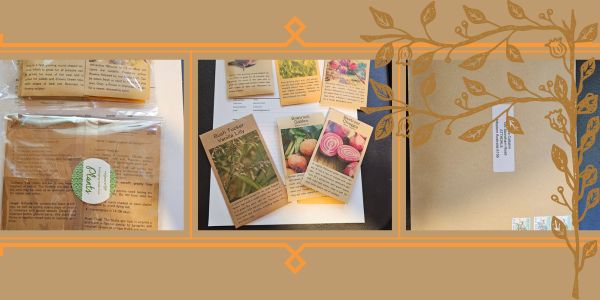
Not only are our seeds packed in recycled paper envelopes, we keep the theme going when we post out website orders. To protect your seeds from moisture and the letter box munchers (snails), we use a very special plastic free material made from plants. They are then put into recycled mailing envelopes. Green all the way ????????
Delivery Guarantee
We take great care to make sure your seeds arrive safely. If your order is lost or damaged in transit, we’ll happily send a replacement. Unfortunately, we can’t replace or refund orders that arrive later than the estimated delivery date, as delays can sometimes occur that are outside our control.
Please note that all dispatch and delivery times listed are estimates only. While we do our best to post promptly, delivery timeframes can vary due to postal service delays, weather events, or other unforeseen circumstances. We’re unable to take responsibility for any loss, damage, or cost that results from a late delivery.
An order is not considered missing until at least 20 business days have passed from the postage date. You’ll receive an email once your seeds have been posted, letting you know they’re on their way. If you don’t see it in your main inbox, please check your Spam or Promotions folders as sometimes our emails like to hide there.
See all our verified customer reviews on our official CusRev profile.