



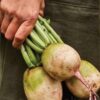
Radish Watermelon
$4.95
Raphanus Sativus
- Seed Count 50
- Highly Attractive In Salads
- Annual
Out of stock
Email when stock available
Description
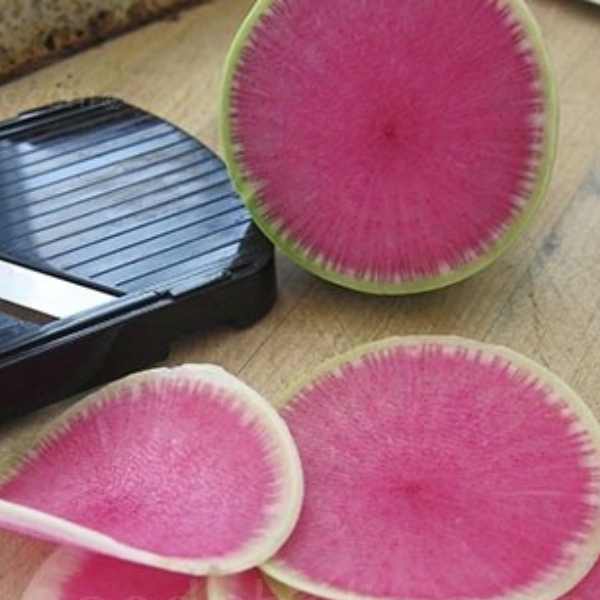
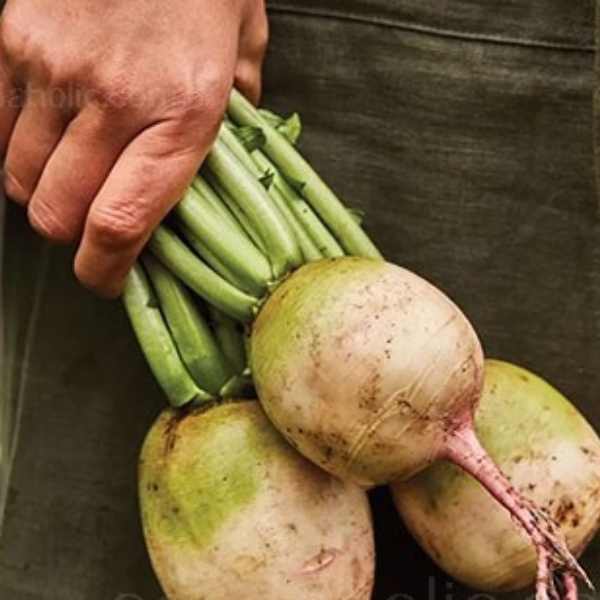
The colourful Radish Watermelon is related to the Daikon and has to be one of the prettiest varieties available. The pale skins look rather ordinary, but when you slice them, a wonderful starburst of pink hued flesh is exposed.
Sweeter than most radish varieties, they have a mild sweet taste and crisp texture and are great for eating fresh, salads, pickling, or as a beautiful garnish.
A member of the mustard family, the Watermelon radish produces 10cm round roots with white and green skin.
Radish Watermelon are not available on supermarket shelves, and are incredibly popular with chefs because of its gentle flavour and vibrant colour.
| Method: Sow direct or seedlings | Soil Temp: 8°C - 30°C |
| Cool Mountain: Jan - Dec | Position: Part sun |
| Arid: Jan - Dec | Row Spacing: 5 cm |
| Temperate: Jan - Dec | Planting Depth: 5 mm |
| Sub Tropical: Jan - Dec | Harvest: 50 Days |
| Tropical: Apr - Jul | Plant Height: 15 cm |
🌱 Radish Grow Guide
🌿 Overview
Radish is one of the quickest and easiest vegetables to grow from seed, making it ideal for beginners, children’s gardens, small spaces, raised beds, pots, and quick harvest vegetable patches. It is grown mainly for its crisp, peppery roots, but the young leaves, flowers, and seed pods are also edible when grown without sprays.
Radishes come in many shapes and colours, including round red types, long white types, pink, purple, black, and mixed varieties. Some are mild and juicy, while others are sharper and more pungent. Smaller salad radishes are usually the fastest and easiest, while larger types need steadier moisture and more space.
The secret to good radishes is fast, even growth. If they grow slowly, become crowded, dry out, or sit too long in the ground, the roots can become woody, hot, split, or pithy. With loose soil, regular watering, and early thinning, radishes can produce crisp roots in a short time.
🌾 Sowing in Trays Versus Direct Sowing
Radish is best grown by direct sowing. The seed is large enough to handle easily, germinates quickly, and the root begins forming early. Transplanting can disturb the developing root, which may cause misshapen radishes, forked roots, or poor swelling.
To direct sow, prepare a loose, weed-free bed with a fine surface. Sow seed about 1 cm deep, cover lightly, and water gently. Keep the soil evenly moist until seedlings emerge. Once seedlings are large enough to handle, thin them early so each plant has enough room to form a proper root. Crowding is one of the main reasons radishes stay skinny or fail to bulb.
Tray sowing is not usually recommended for root harvests. It can be useful only if you are growing radish microgreens, baby leaves, or seedlings for educational purposes. If transplanting is attempted, use individual cells and move seedlings very young, before the root starts to swell.
Best method: direct sowing is strongly recommended because radish roots form best when seed is planted where the crop will grow.
💧 Seed Pretreatment
Radish seed does not require pretreatment. No soaking, chilling, scarifying, or smoke treatment is needed. Fresh seed, shallow sowing, loose soil, and even moisture are enough.
A short soak is optional but unnecessary. If you do soak seed, keep it brief and sow immediately afterward. Over-soaking can make seed more prone to rotting, especially if the soil is already wet.
🪴 Soil and Position
Radish grows best in loose, fertile, well-drained soil. The soil should be fine enough for roots to swell evenly without hitting stones, compacted clods, or hard layers. If the soil is heavy or lumpy, radishes may become forked, rough, or misshapen.
Before sowing, improve the bed with compost or well-rotted organic matter, but avoid fresh manure. Fresh manure or very rich nitrogen feeding can encourage leafy tops instead of good roots.
Choose a position with full sun to light part shade. Strong light gives quick growth, while light shade can help keep roots tender in hot conditions. Good airflow is useful, especially if growing radish among other leafy crops.
Radish grows very well in pots, troughs, and raised planters. Use a quality vegetable potting mix and choose a container deep enough for the variety being grown. Small round radishes can grow in shallow containers, while long types need deeper soil.
🌿 Care and Maintenance
Radish needs simple but consistent care. The most important job is watering. Keep the soil evenly moist from germination through to harvest. Dry spells followed by heavy watering can cause roots to split, while repeated dryness can make them tough, hot, or woody.
Thin seedlings early. This step is essential. If seedlings are too close together, they will compete and produce thin roots instead of round, crisp radishes. Snip unwanted seedlings at soil level rather than pulling them if nearby roots might be disturbed.
Keep the bed weed-free. Radish grows quickly, but young plants dislike competition. Remove weeds gently by hand because hoeing too deeply can damage developing roots.
Feeding should be light. A compost-rich bed is usually enough. Avoid heavy nitrogen fertiliser, as it can produce large leafy tops with small roots. If growth is pale or weak, use a mild liquid vegetable feed, but do not overdo it.
Harvest promptly once roots reach usable size. Radish is not a crop to leave sitting in the ground for too long. Regular sowing in small batches gives better results than sowing a large patch all at once.
🌼 Companion Planting Guide
Radish is an excellent companion plant because it grows quickly, fits between slower crops, and can help mark rows of slower-germinating vegetables. It is also useful as a quick catch crop in empty spaces.
Good companions include lettuce, spinach, carrot, beetroot, peas, beans, cucumber, zucchini, tomato, spring onion, onion, garlic, chives, calendula, alyssum, dill, coriander, parsley, nasturtium, and marigold.
Radish is especially useful with carrots because radish germinates quickly and can mark the row while carrot seedlings are still slow to appear. It can also be grown between lettuce or spinach, then harvested before those crops need more room.
Avoid planting radish too close to very dense or sprawling crops that will shade it heavily. Pumpkin, melon, and vigorous sweet potato vines can smother young radishes. Also avoid overcrowding it with other root crops if soil space is limited.
✂️ How to Harvest
Radishes are ready when the roots are large enough to eat and the shoulders are visible at the soil surface. Harvest while they are still firm, crisp, and young. Small to medium radishes usually have the best texture and flavour.
To harvest, hold the leaves near the base and pull gently. If the soil is firm, loosen it first with a hand fork to avoid snapping the root. Wash roots well and trim the leaves if storing.
Radish leaves are edible, especially when young and tender. They can be used in salads, stir-fries, soups, pestos, and sautés. Older leaves may be rougher or stronger in flavour, so they are often better cooked.
Do not leave mature radishes too long in the soil. Overmature roots can become woody, hollow, cracked, or unpleasantly hot.
⚠️ Common Issues and Fixes
| Issue | Likely Cause | Fix |
|---|---|---|
| Poor germination | Old seed, dry soil, deep sowing, or crusted soil surface | Use fresh seed, sow shallowly, keep soil moist, and cover lightly |
| Lots of leaves but no roots | Too much nitrogen, overcrowding, or not enough light | Reduce feeding, thin early, and grow in brighter conditions |
| Skinny roots | Plants too crowded or soil too poor | Thin seedlings and improve soil before sowing |
| Woody roots | Left too long, slow growth, or dry soil | Harvest earlier and keep moisture steady |
| Hot or harsh flavour | Dry conditions, slow growth, or overmaturity | Water regularly and harvest young |
| Split roots | Irregular watering after dry periods | Keep soil evenly moist and mulch lightly |
| Forked or misshapen roots | Stones, compacted soil, fresh manure, or transplanting | Sow direct into loose soil and avoid fresh manure |
| Hollow roots | Overmaturity, stress, or uneven growth | Harvest promptly and maintain steady watering |
| Leaves full of holes | Flea beetles, caterpillars, or other chewing pests | Use fine insect netting and keep plants growing strongly |
| Seedlings disappear | Slugs, snails, birds, ants, or cutworms | Protect young seedlings with barriers, collars, or netting |
| Yellow leaves | Waterlogging, nutrient stress, or old leaves | Improve drainage, feed lightly if needed, and avoid overwatering |
| Plants bolt early | Stress, crowding, dry soil, or heat | Sow in small batches, water evenly, thin early, and harvest promptly |
🌰 Detailed Seed Saving Guide
Saving radish seed is easy, but it takes longer than growing radishes for roots. To save seed, choose the healthiest plants with the best root shape, flavour, colour, and growth habit. Do not save seed from plants that bolted too early, formed poor roots, became woody quickly, or showed disease.
Leave selected radishes in the ground instead of harvesting them. They will send up tall flowering stems with small flowers, followed by green seed pods. These pods are edible when young and tender, but for seed saving they must be left to mature fully.
Allow the pods to dry on the plant until they turn brown, tan, and crisp. This can take time, and the plant may look untidy while the seed matures. If wet weather threatens, cut the seed stalks when most pods are mature and finish drying them indoors.
Place cut stems upside down in a paper bag or lay them on a clean sheet in a dry, shaded, airy place. Once the pods are completely dry, break them open by hand. Radish pods can be tough, so crushing them gently with a rolling pin inside a bag can help release the seed.
Separate the round seeds from the pod pieces by hand, sieving, or gentle winnowing. Keep only firm, full, healthy seed. Discard seed that is shrivelled, mouldy, soft, or insect damaged.
Dry the cleaned seed for another week on a plate or tray before storage. Store in a labelled paper envelope inside an airtight jar. Keep the jar somewhere cool, dark, and dry. Add a silica gel sachet if humidity is an issue.
Label the packet with the plant name, root colour, root shape, collection date, and useful notes such as “mild flavour”, “round red roots”, “slow to split”, or “best salad type”.
Radishes can cross with other radish varieties flowering nearby at the same time. For predictable seed, save from one variety at a time or keep different flowering varieties well separated. For casual garden use, some variation can be interesting, but root colour, shape, and flavour may differ in the next generation.
🌱 Final Thoughts
Radish is one of the most satisfying vegetables to grow because it is fast, simple, and useful in many garden spaces. It is perfect for beginners, quick harvests, children’s gardens, containers, and succession sowing.
For the best results, direct sow into loose soil, thin early, water evenly, avoid heavy feeding, and harvest promptly. With steady moisture and good spacing, radish produces crisp roots, edible leaves, useful seed pods, and reliable seed for future crops.
2 reviews for Radish Watermelon

Postage Charge
Orders under $40 attract a $5.50 shipping charge. Orders $35 and above have free shipping.
*** We cannot deliver to Parcel Lockers ***
Order Times
Seed orders are normally dispatched within three business days. You will receive an email when seeds are mailed out.
Postage Days
Seeds are mailed out Tuesday to Friday at 1pm. Except for the Friday of long weekends.
Postage Times
WA 2-3 Days: SA,NT 3-5 Days: NSW, ACT, QLD, VIC: 5-7 Days
Carrier
We use Australia Post Letter Postage for the majority of orders.
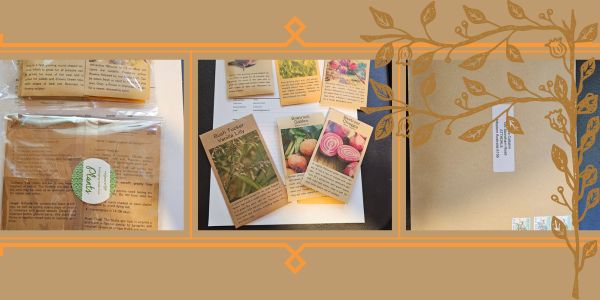
Not only are our seeds packed in recycled paper envelopes, we keep the theme going when we post out website orders. To protect your seeds from moisture and the letter box munchers (snails), we use a very special plastic free material made from plants. They are then put into recycled mailing envelopes. Green all the way ????????
Delivery Guarantee
We take great care to make sure your seeds arrive safely. If your order is lost or damaged in transit, we’ll happily send a replacement. Unfortunately, we can’t replace or refund orders that arrive later than the estimated delivery date, as delays can sometimes occur that are outside our control.
Please note that all dispatch and delivery times listed are estimates only. While we do our best to post promptly, delivery timeframes can vary due to postal service delays, weather events, or other unforeseen circumstances. We’re unable to take responsibility for any loss, damage, or cost that results from a late delivery.
An order is not considered missing until at least 20 business days have passed from the postage date. You’ll receive an email once your seeds have been posted, letting you know they’re on their way. If you don’t see it in your main inbox, please check your Spam or Promotions folders as sometimes our emails like to hide there.
See all our verified customer reviews on our official CusRev profile.
these are so yummy
See all our verified customer reviews on our official CusRev profile.