Top Ten Herbs
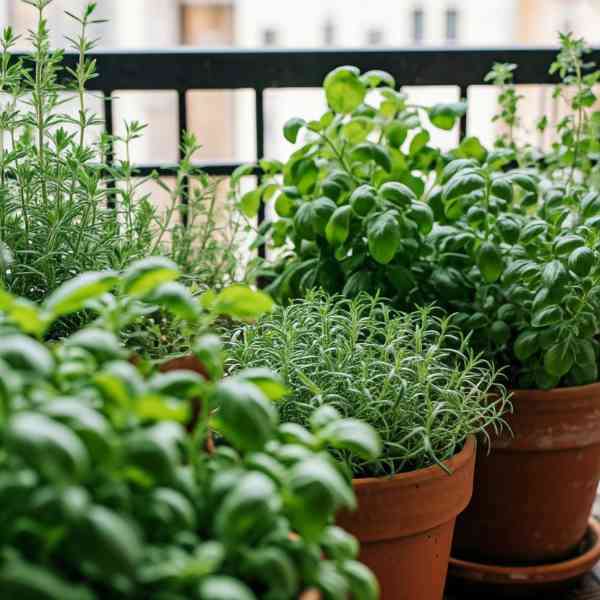
🌿 10 Easy Herbs to Grow Through the Seasons
As the seasons roll by, there is nearly always an opportunity to grow herbs. Spring might be the traditional starting point, but with a little planning, you can harvest fresh herbs through summer, autumn and even winter.
Herbs are generous plants. They grow happily in pots, raised beds and gaps around the veggie patch. Many need only light care to produce plenty of fragrant leaves for the kitchen.
If you are just getting started, the number of choices can feel a little overwhelming. Begin with a small group suited to your climate, the meals you cook and the time you have available. It also helps to understand which herbs are long-lived perennials and which need to be resown during the year.
This list includes hardy staples that can remain in the garden for several seasons, along with quick-growing annual herbs that can be rotated as conditions change. You will find planting times for each Australian climate zone and more detailed growing instructions on the individual product pages.
🌸 Chives
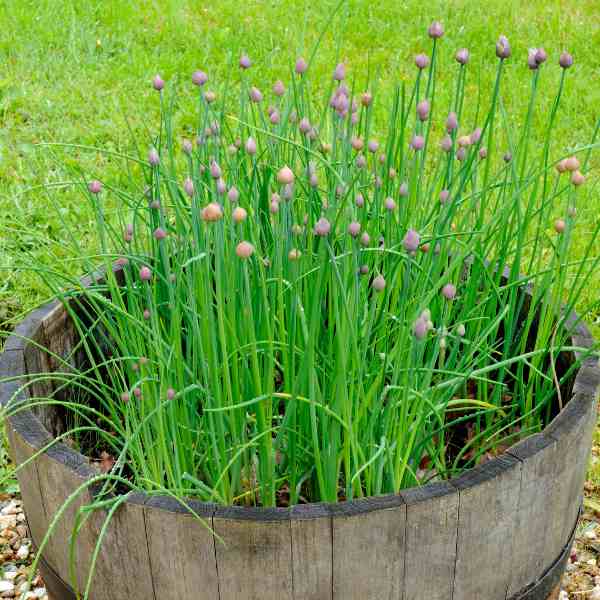
Chives are compact, easy to grow and useful in almost any garden. Their slender leaves have a mild onion flavour that works beautifully in scrambled eggs, salads, soups, potatoes and savoury spreads.
Chives grow well in pots or garden beds in full sun to part shade. Keep the soil moist but not waterlogged, and regularly cut the leaves near the base to encourage fresh growth. Their edible purple flowers attract bees and can also be separated into florets and scattered through salads.
Chives are perennial, which means established plants can continue growing for several years. They may die back during cold weather before producing fresh leaves again when conditions improve.

🍕 Oregano
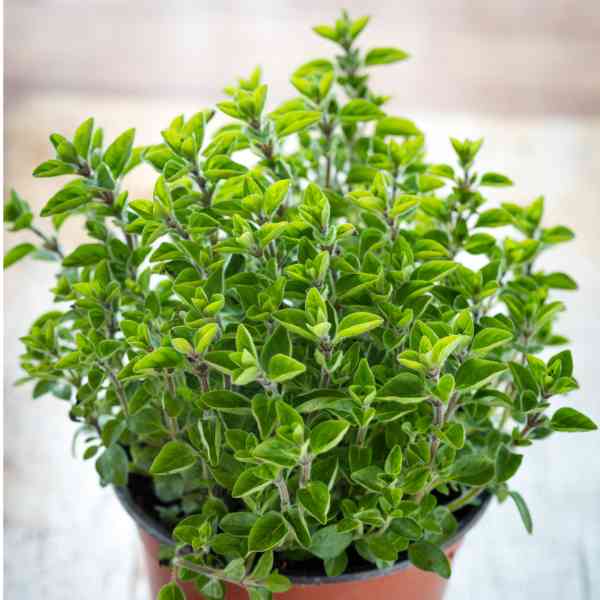
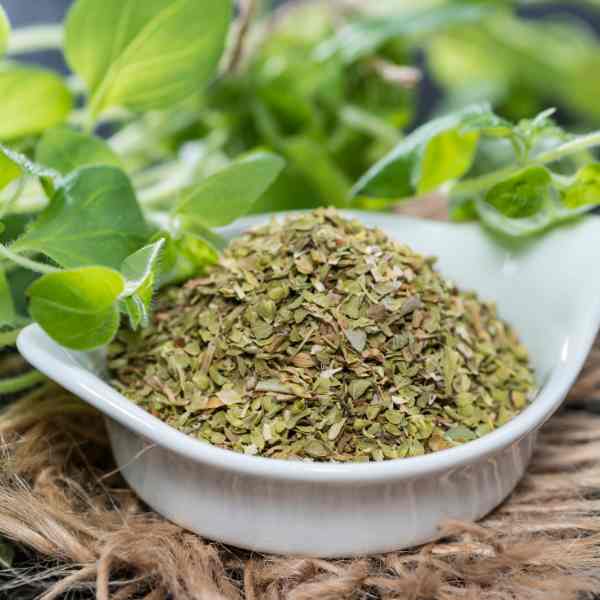
Oregano is one of the classic herbs of Mediterranean cooking. Its strongly flavoured leaves are used in tomato sauces, pasta, pizza, marinades and roasted vegetables.
Plant oregano in full sun and well-drained soil. Once established, it is reasonably drought tolerant and can cope with the occasional missed watering. Avoid keeping the roots constantly wet, as soggy soil can cause the plant to decline.
Regular harvesting encourages bushy growth and prevents the stems from becoming too woody. Oregano is a perennial herb in many climates, although its growth may slow during winter.
🌱 Parsley
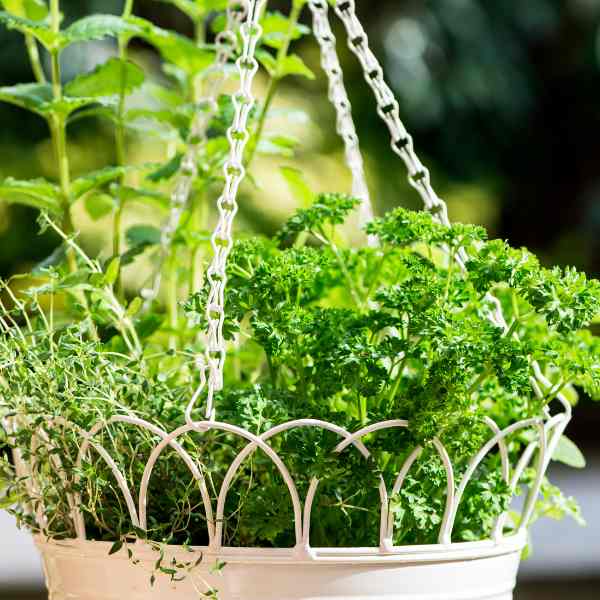
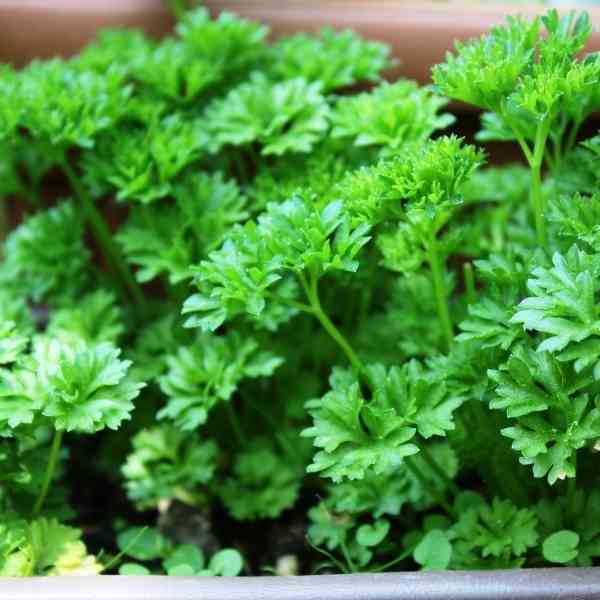
Parsley is one of the most versatile herbs you can grow. It can be added to salads, soups, sauces, pasta, marinades and vegetable dishes, or used as a fresh garnish.
Grow parsley in full sun to part shade in fertile, well-drained soil enriched with compost or other organic matter. Keep the soil evenly moist, particularly while seedlings are young. Harvest the outside stems first, cutting them close to the base so the centre can continue producing new leaves.
Parsley is a biennial, meaning it usually grows leaves during its first season and flowers during its second. Once it sends up a flower stalk, known as bolting, its leaf production and flavour begin to decline.
🌿 Coriander
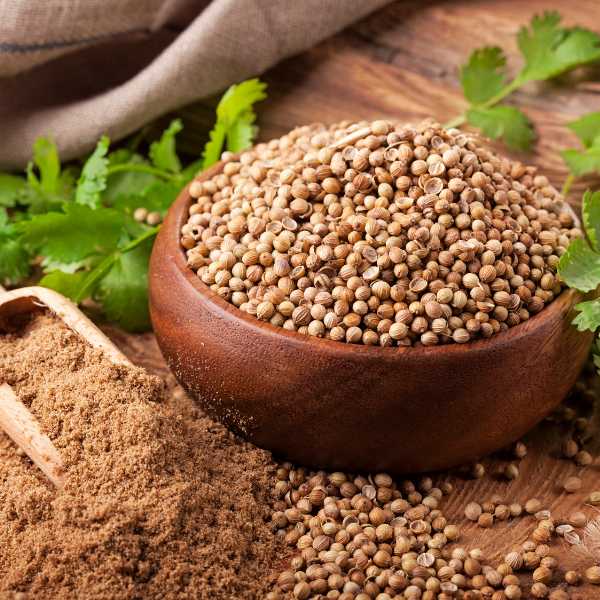
Coriander is famous for dividing opinion. Some people love its fresh, citrusy flavour, while others experience a soapy taste due to their genetics. Both the leaves and dried seeds are edible, making it an especially useful herb.
Coriander prefers cooler growing conditions and can bolt quickly in hot weather. Bolting is when a plant stops concentrating on leaf growth and begins producing flowers and seeds. Sow small amounts every two to three weeks to maintain a steady supply of fresh leaves.
Choose a slow-bolting variety when growing during warmer weather. Give plants some afternoon shade and keep the soil evenly moist. It is better to sow coriander directly where it is to grow.

🥒 Dill
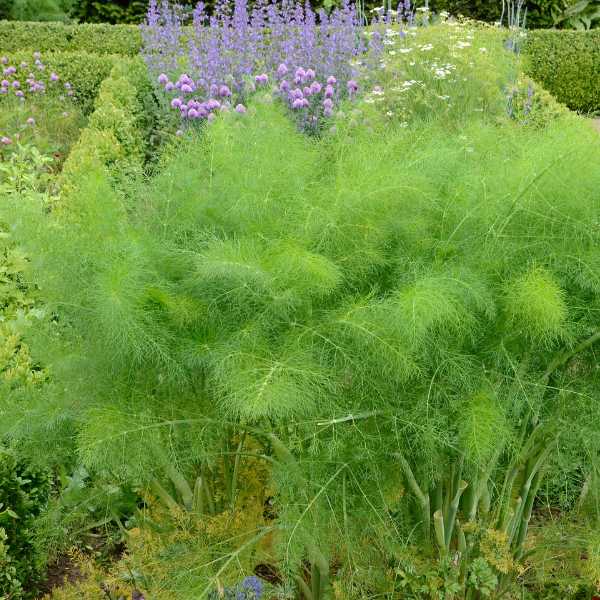
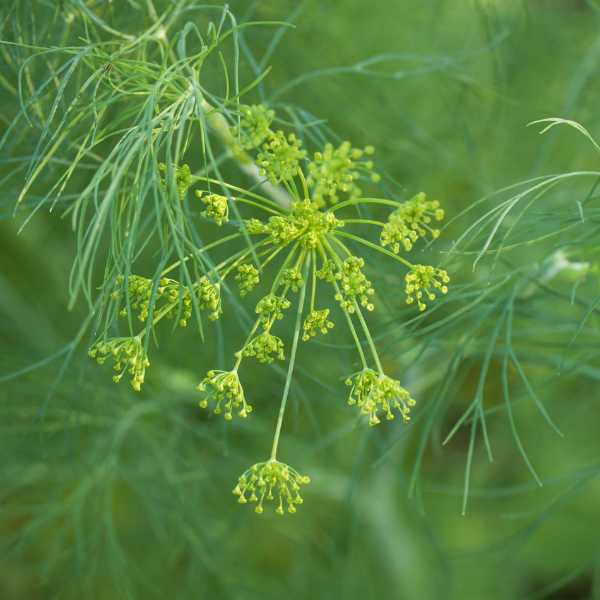
Dill has soft, feathery foliage with a distinctive flavour that works well with pickles, eggs, fish, potatoes, yoghurt sauces and salads. Its leaves, flowers and seeds can all be used in the kitchen.
Like coriander, dill prefers cooler conditions and is likely to bolt during hot weather. This is not necessarily a problem if you would like flowers for beneficial insects or seeds for cooking and future planting.
Dill develops a taproot and generally dislikes being transplanted, so sow it directly into its final position. Grow it in full sun with well-drained soil and regular moisture. Tall varieties may need some protection from strong winds.
🐝 Sage
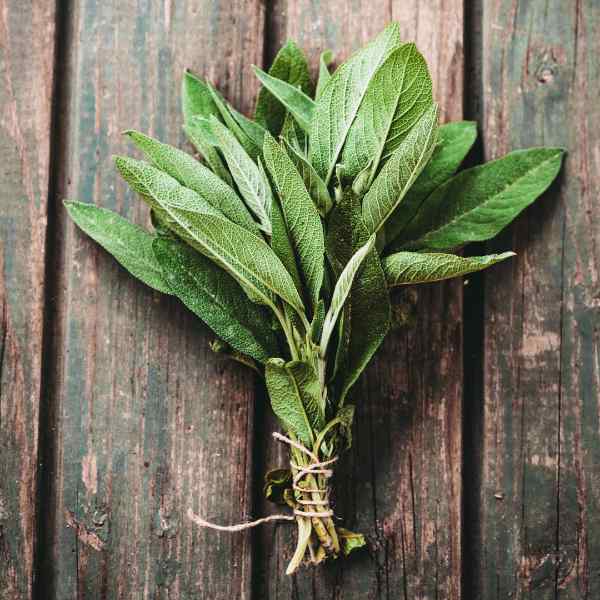
Sage is a hardy perennial herb with soft, aromatic leaves. Its earthy flavour pairs particularly well with pumpkin, poultry, potatoes, stuffing, pasta and browned butter dishes.
Plant sage in full sun and well-drained soil. It copes better with slightly dry conditions than wet feet, so allow the soil surface to begin drying between waterings. Regular light pruning encourages compact growth, but avoid cutting deeply into old, leafless wood.
Sage flowers are attractive to bees and other pollinators. Replace older plants when they become woody and produce fewer fresh leaves.

🪴 Mint
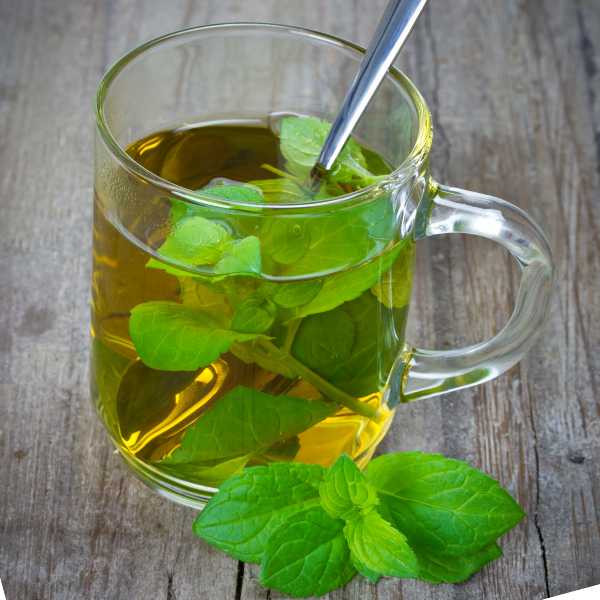
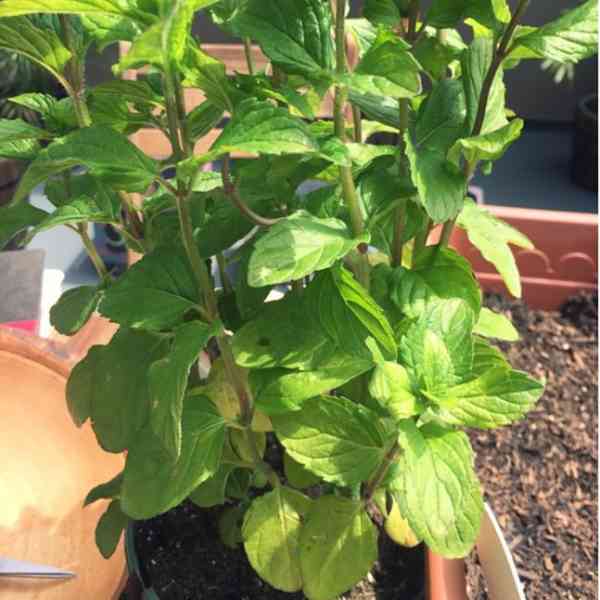
Mint is a vigorous perennial herb valued for its fresh flavour and fragrance. Spearmint is lovely in salads, sauces and cold drinks, while peppermint is particularly good in teas, desserts and chocolate dishes.
Mint prefers moist, fertile soil and grows in full sun to part shade. It spreads through underground stems called rhizomes and can quickly travel beyond its allocated space. Growing it in a pot is usually the easiest way to keep it under control.
Harvest mint regularly by cutting stems just above a pair of leaves. This encourages branching and produces a fuller, bushier plant. If growth becomes tired or untidy, cut it back and allow fresh shoots to emerge.
☀️ Thyme
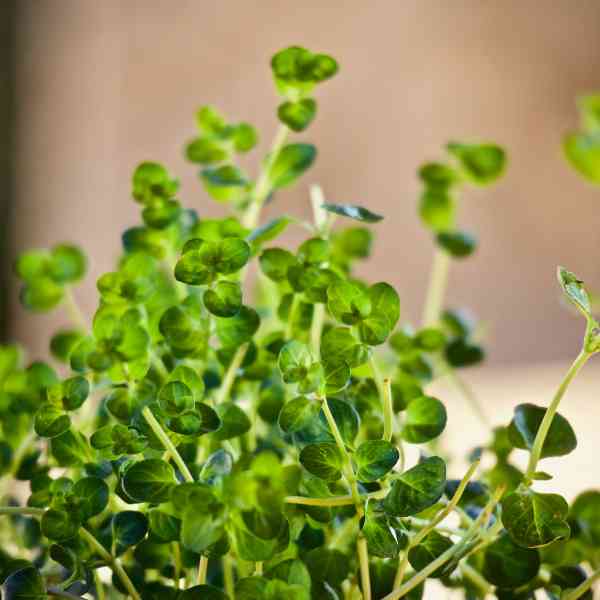
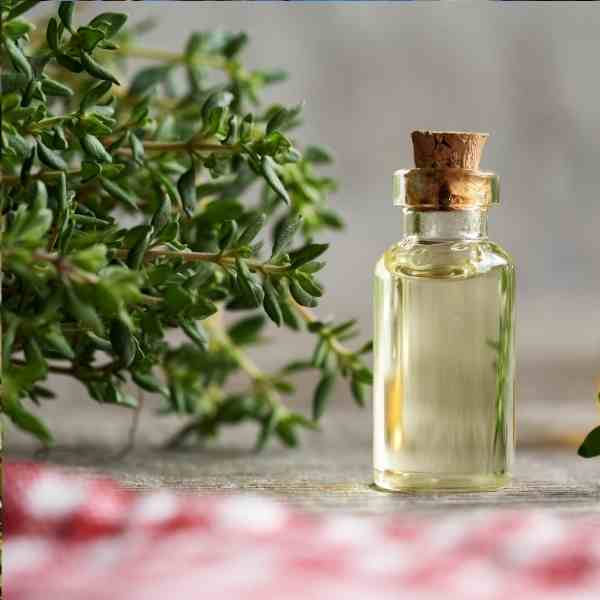
Thyme is a compact, low-growing perennial herb suited to pots, hanging baskets, garden edges and gaps between pavers. Its small aromatic leaves are delicious with roasted vegetables, meat, soups, sauces and marinades.
Give thyme plenty of sun and excellent drainage. It performs well in leaner soil and does not need heavy feeding. Too much water or rich fertiliser can produce soft growth with less concentrated flavour.
Harvest the tender stem tips regularly to keep the plant compact. After flowering, give it a light trim without cutting back into bare, woody stems.
🍅 Basil
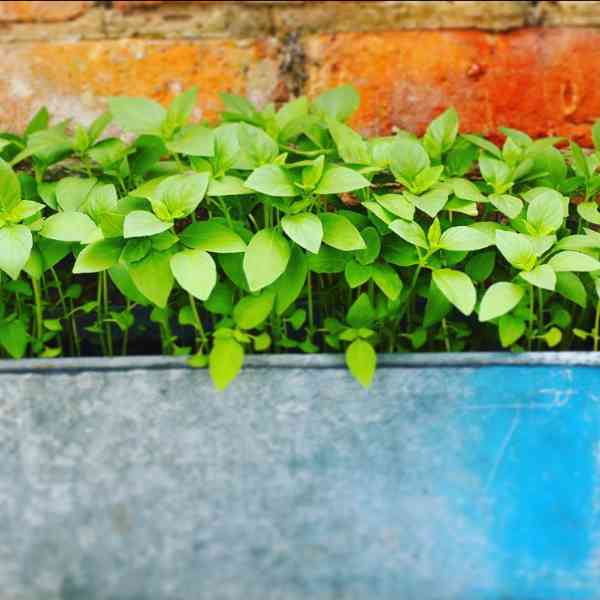
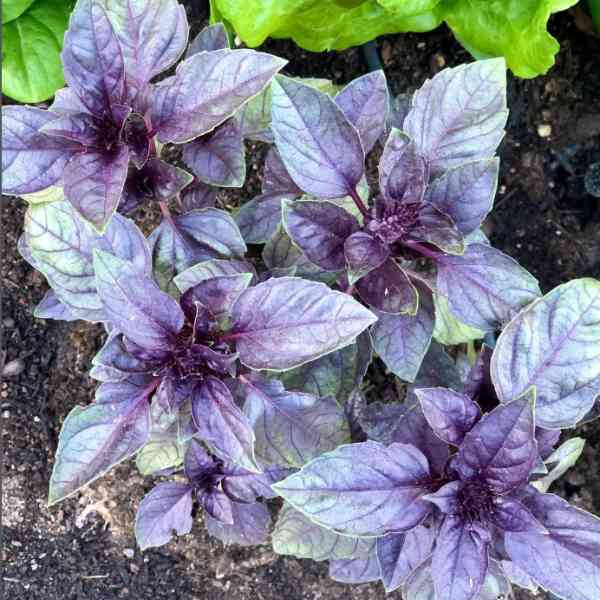
Basil is a warm-season annual and an essential herb for summer cooking. Its fragrant leaves are used in pasta, pesto, pizza, salads, curries and many Asian dishes. Genovese Sweet Basil is the traditional choice for pesto, bruschetta and tomato-based meals.
Sow basil once the weather and soil have warmed. It grows best in full sun, although some afternoon shade can be helpful in very hot climates. Keep the soil consistently moist and pinch out the growing tips to encourage a bushier plant.
Remove flower buds if you want the plant to keep producing tender leaves. Basil is also a popular companion for tomatoes because both enjoy similar warm growing conditions and regular watering.
🍋 Lemon Balm
Lemon Balm is a leafy perennial herb with a gentle lemon fragrance. Fresh leaves can be added to fruit salads, cold drinks, herbal teas, desserts, fish and chicken dishes. They can also be mixed through butter, dressings and herbal vinegars.
Grow lemon balm in full sun to part shade with reasonably moist, well-drained soil. It can spread readily by seed, so remove the flowers before they mature if you do not want seedlings appearing around the garden.
Regular harvesting keeps the plant leafy and compact. If it becomes untidy, cut it back firmly and water well to encourage a fresh flush of growth.
An afternoon spent potting up herbs can reward you for months or even years. Start with the flavours you use most, learn how each plant responds to the seasons, and add more as your confidence grows. Before long, stepping outside to snip a fresh handful will simply become part of the way you cook.


🌿 Fresh Herbs Are Only a Snip Away
An afternoon spent potting up herbs can reward you with fresh flavour for months or even years. You do not need a large garden or complicated setup. A few pots near the kitchen door, a sunny balcony or an open space in the veggie patch is enough to get started.
Begin with the herbs you already use most in your cooking. Learn how each plant responds to heat, cold, watering and regular harvesting, then add new varieties as your confidence grows. Before long, stepping outside to snip a handful of fresh leaves will become a natural part of preparing meals, while your herb garden continues to grow alongside your skills.