Reasons Why Your Garden Loves Mulch
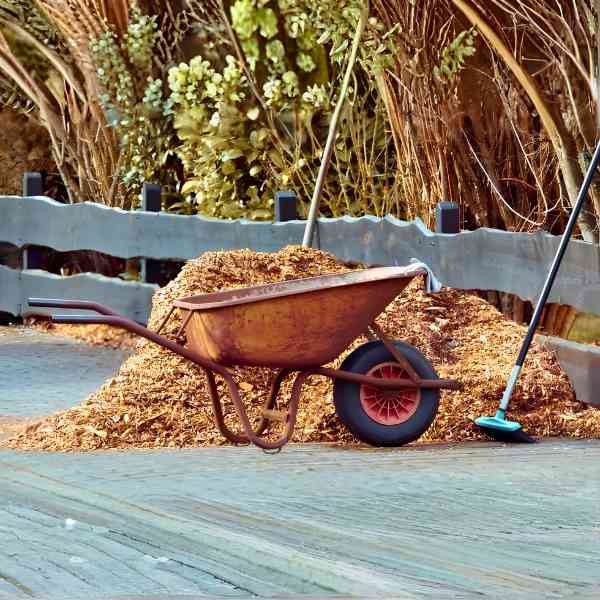
🌿 Why Mulch Matters in the Garden
Mulch may not be the most glamorous part of the garden, but it does some very important work. A layer spread over bare soil helps protect plant roots, improve growing conditions and reduce the amount of time you spend watering and weeding.
This is particularly valuable during our intense summers. Bare soil heats up quickly and loses moisture through evaporation. Mulch acts like a protective blanket, helping the soil stay cooler and moist for longer. That means healthier plants, less water wasted and a welcome reduction in your water bill.
💧 Mulch Helps Soil Hold Moisture
Mulch slows the evaporation of water from the soil surface. This gives moisture more time to soak down into the root zone, where plants can actually use it.
It also helps prevent the soil from forming a hard, dry crust. This is particularly useful around delicate seedlings and shallow-rooted crops, which can struggle when the top layer of soil dries out too quickly.
Mulch does not replace regular watering, but it can make each watering more effective. For the best results, water deeply so moisture reaches below the surface rather than giving plants frequent, shallow sprinkles.
☀️ Mulch Protects Roots From Heat
Plant roots generally prefer more stable temperatures than the leaves and stems growing above the ground. During hot weather, bare soil can become extremely warm and place plants under unnecessary stress.
Mulch shades the soil and creates a buffer between the sun and the root zone. This helps keep soil temperatures more even during the day and reduces rapid temperature changes overnight.
🌱 Mulch Suppresses Weeds
A good layer of mulch blocks sunlight from reaching many weed seeds, making it harder for them to germinate. Any weeds that do appear are usually fewer and easier to remove.
Reducing weeds also means your vegetables, herbs, flowers and fruit trees face less competition for water, light and nutrients. Mulching will not stop every weed, especially persistent runners and bulbs, so remove existing weeds before spreading it.
🪱 Mulch Supports Healthy Soil
Organic mulches gradually break down and add organic matter to the soil. This provides food and shelter for earthworms, beneficial bacteria, fungi and other organisms involved in maintaining healthy soil.
As these organisms work, they help improve soil structure, drainage and nutrient availability. Sandy soils become better at holding moisture, while heavy soils can gradually become more open and easier for roots to move through.
📏 How Thick Should Mulch Be?
As a general guide, spread mulch between 2 and 6 cm thick. Fine materials such as compost should be applied more thinly, while coarse materials such as bark or woodchips can be spread more deeply. Straw mulch is light and airy, so it can be applied in a much thicker layer.
A good mulch should allow rain and irrigation to pass through easily. If it becomes tightly packed or water begins running off the surface, loosen it gently with a garden fork.
The best times to mulch are early spring, before hot weather arrives, and again in the middle of summer if the original layer has broken down or become thin. Water dry soil thoroughly before applying mulch rather than trapping dryness underneath it.
🌳 Keep Mulch Away From Stems and Trunks
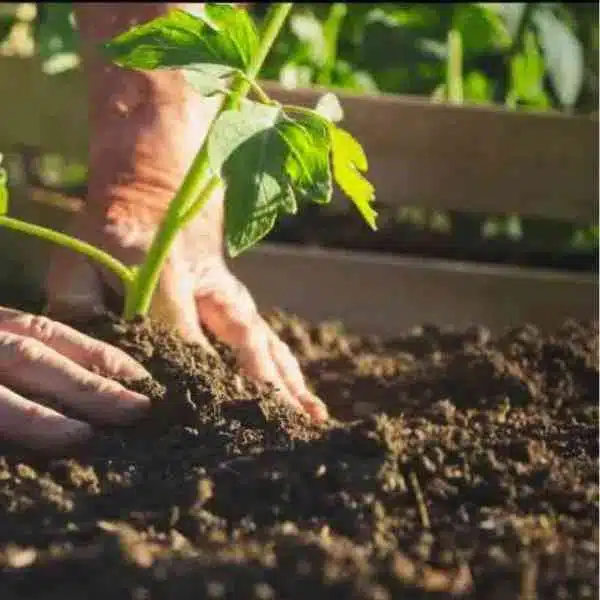
Leave a small gap around the stems of vegetables and flowers, and a wider gap around the trunks of shrubs and trees. Mulch piled directly against living stems holds moisture in the wrong place and can encourage rot, fungal problems and insect damage.
Think of the mulch as a doughnut around the plant rather than a mound pressed against its base.
♻️ Organic and Inorganic Mulches
Organic mulches are made from plant or animal materials. They break down over time and can improve the soil, but they need to be topped up regularly.
Inorganic mulches, including pebbles and gravel, do not feed the soil and are much slower to break down. They can be useful in dry gardens, around succulents and in areas where a long-lasting surface is preferred.
🍂 Four Types of Mulch Your Garden Will Love
🪱 Compost
Finished compost can be spread over garden beds as a nutritious mulch. Apply a layer up to approximately 40 mm thick, keeping it clear of plant stems.
Compost helps the soil hold moisture while adding organic matter and nutrients as it breaks down. It is particularly useful in vegetable and flower beds. If you make your own compost, it is also one of the most economical mulching options available.
Use mature compost with a dark, crumbly texture and earthy smell. Compost that is still hot or contains recognisable fresh material should be allowed to finish breaking down before it is placed around plants.
🌾 Pea Straw
Pea straw is well suited to vegetable gardens, fruit trees and roses. Its loose structure allows water to pass through easily while helping to shade the soil.
As it breaks down, it adds organic matter and a small amount of nitrogen to the garden. Pea straw decomposes relatively quickly, so it will need to be topped up more often than bark or woodchips.
Shake it apart before spreading so it does not form dense clumps. An occasional pea seed may germinate, but these seedlings are easy to remove or leave to grow as a temporary living groundcover.
🪵 Bark and Woodchips
Bark and woodchips are long-lasting options for established trees, shrubs, native gardens and perennial beds. Their coarse texture allows water to pass through while providing good protection against heat and moisture loss.
They are less suitable for garden beds that are regularly dug over or replanted. As woody mulch breaks down, microorganisms near the soil surface may temporarily use some available nitrogen. This usually affects only the uppermost layer, but yellowing leaves can indicate that plants need additional nitrogen. A suitable fertiliser or a light application of blood and bone may help, provided it is appropriate for the plants being grown.
🪨 Pebbles and Gravel
Pebbles and gravel are inorganic mulches that provide a neat, long-lasting finish. They are particularly suited to succulents, cacti and Mediterranean-style plants that prefer free-draining soil and drier conditions around their crowns.
Unlike organic mulch, stones do not improve the soil as they age. They can also absorb and radiate heat, so they may not be the best choice around tender vegetables or plants with shallow roots in very hot positions.
Place them over well-prepared, weed-free soil and avoid using plastic underneath, as this can interfere with water movement, soil life and future planting.