Green Winter
Cool-Season Superstar: A Guide to Growing Lettuce from Seed ????
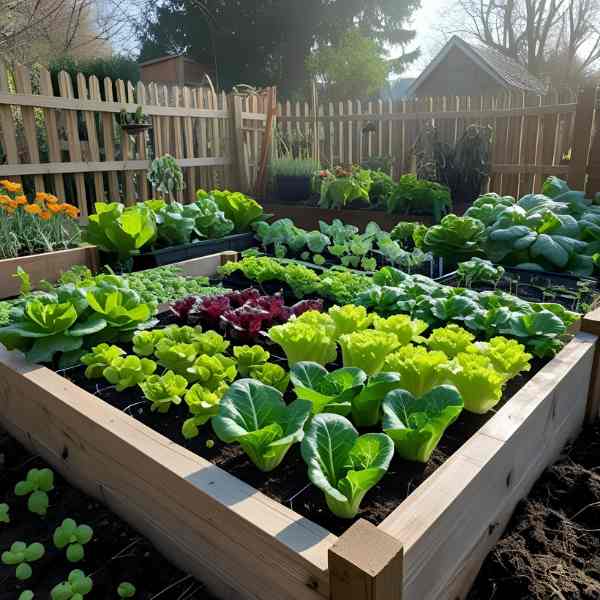
Lettuce is one of those garden gems that can turn a few square metres into a leafy wonderland. But here’s the thing, lettuce much prefers the cool weather. When grown in the heat of summer, it can get stressed, bolt (go to seed early), and turn bitter. That’s why autumn, winter, and early spring are the prime seasons for sowing this easy-going crop in most parts of Australia.
If you’re keen to keep your salad bowl colourful, crunchy, and homegrown, here’s a breakdown of lettuce types, how to grow them from seed, and how to keep them happy in your garden.
???? The Three Main Types of Lettuce
Not all lettuces are created equal—and that’s a good thing! The different types offer variety in flavour, texture, and how they grow. Whether you’re after crunchy leaves for burgers or tender greens for wraps, there’s a type to suit your patch.
???? Head Lettuce
These form compact rosettes that look a little like cabbage. They take up a bit more room and take slightly longer to mature, but are worth the wait.
???? Iceberg
Iceberg is probably the most well-known lettuce out there. It forms a tight, pale green head with a crunchy texture and mild taste and are great for sandwiches and coleslaw.

While it’s not as nutrient-packed as other types, it still offers a boost of Vitamin B and hydration. Plus, heirloom varieties often have a better flavour than the store-bought kind.
Butterhead Lettuce
???? Butterhead Lettuce
These beauties form softer, more open heads that resemble a blooming rose. The leaves are tender, slightly sweet, and perfect for wraps or tossing into a salad.
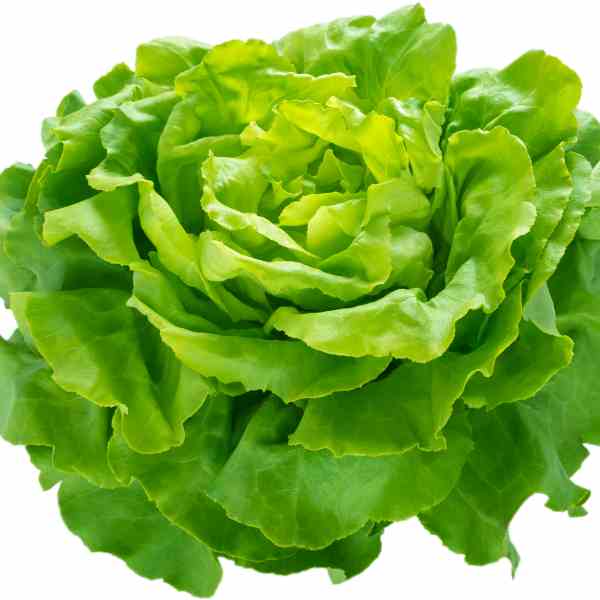
Butterhead types (like ‘Buttercrunch’) are a bit more delicate, and often sold with their roots still attached for freshness. If you grow them yourself, you’ll be amazed at how long they last in the fridge, especially when harvested gently and kept cool.
????️Cos (Or Romaine) Lettuce
???? Cos Lettuce
Cos grows upright, forming tall heads of thick, sturdy leaves with crisp midribs. It’s a salad staple, especially in Caesar salads, thanks to its nutty, slightly bitter taste and satisfying crunch

Heirloom romaine varieties are incredibly nutritious—just one serving can give you more than 100% of your daily Vitamin A needs, plus a healthy dose of Vitamin C, K, iron, and folate. Talk about leafy power!
???? Loose Leaf Lettuce
If you’re new to growing greens or want something quick and generous, loose-leaf lettuce is your friend.
???? Loose Leaf Lettuce
These lettuces don’t form a head, instead, they grow as open rosettes of tender leaves you can harvest one at a time.

This “cut-and-come-again” style means they keep producing over several weeks. Perfect for gardeners who like to nibble and harvest little and often!
Varieties like ‘Oakleaf’ and ‘Salad Bowl Green bring beautiful colour to your garden beds and salads alike.
???? A Cool-Season Bonus: Lamb’s Lettuce (Corn Salad)
If you’ve never grown Lamb’s Lettuce, now’s the time to give this lesser-known green a go. Also known as Corn Salad, this leafy favourite is a cold-hardy European green that thrives in cooler weather and even tolerates light frosts making it ideal for winter sowing.
???? Lambs Lettuce
It grows in small, low rosettes with soft, spoon-shaped leaves that have a mild, nutty flavour and melt-in-the-mouth texture. It’s a gentle green—less punchy than rocket, but full of charm—and it pairs beautifully with dressings, herbs, and other salad leaves
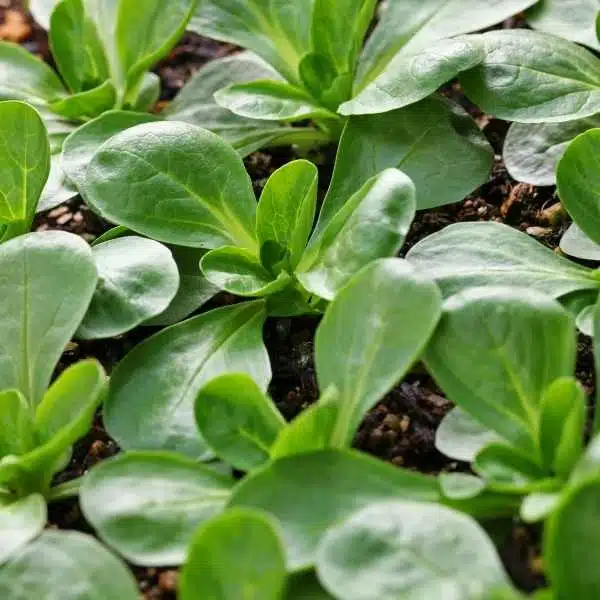
Lambs Lettuce is easy to grow from seed, and can be harvested whole or leaf by leaf. It’s compact enough for pots, window boxes, or to tuck between other cool-season crops. Find it in the loose leaf section.
Top Tip: Sow successively every 2–3 weeks for a continuous harvest through the season.
???? Growing Lettuce from Seed
Lettuce is a fast-growing crop that doesn’t ask for much—just good soil, regular water, and protection from pests. A little care upfront pays off with crunchy, garden-fresh salads for weeks.
????️ Best Soil Temperature for Germination: 8°C to 27°C
???? Spacing: 20–30cm apart
⏳ Harvest Time: 8–12 weeks (or earlier for baby leaves)
???? Companion Plants: Carrots, onions, strawberries, beets, radish, marigold, borage, brassicas, leeks, Florence fennel, and chervil. These friendly neighbours can help deter pests and boost your garden’s health.
???? Feeding Your Lettuce
Lettuce is a leafy crop, which means it needs lots of nitrogen. To keep those leaves lush and tender, enrich your soil with compost and well-rotted manure before planting.
Feed fortnightly with compost tea or liquid seaweed to keep the growth steady.
???? Common Pests: Keep an Eye Out for Snails
Snails love lettuce almost as much as we do! They can chomp through tender seedlings overnight, so keep your patch protected.
Gardener’s tricks to deter snails:
- Sprinkle coffee grounds around your seedlings
- Set up a simple beer trap (they crawl in, can’t get out)
- Use crushed eggshells, or plant lettuce up in containers if slugs are persistent
- Buy a torch headlight and check your seedling at night picking them off as you find them.
???? Final Thoughts
Lettuce is a brilliant crop for beginner and experienced gardeners alike. It’s quick, productive, and adaptable and with heirloom varieties, you get flavour, colour, and history all in one garden bed.
So if your patch has a few sunny spots left this cool season, pop in a row or two of lettuce. And if you’re short on space? Loose-leaf lettuces grow beautifully in pots and window boxes too.
???? Ready to plant?
Explore our full range of heirloom lettuce seeds—from classic Iceberg to frilly loose-leaves and grow your salad garden with confidence.