Spring Tidying With Nature in Mind
🌿Making Room for Growth While Leaving Space for Nature
There is a quiet rhythm to every garden, and the longer you spend gardening, the more you begin to recognise and appreciate it. 🌼
Spring is a particularly lovely time to be outdoors. The days are getting longer, fresh growth is appearing everywhere, flowers are opening, and the vegetable patch is beginning to fill with the promise of another productive growing season.
But amongst all that beautiful new growth, there are usually a few things that need our attention. Perhaps some winter vegetables have finished producing, a few plants are looking rather tired, or weeds have quietly taken advantage of the warmer weather.
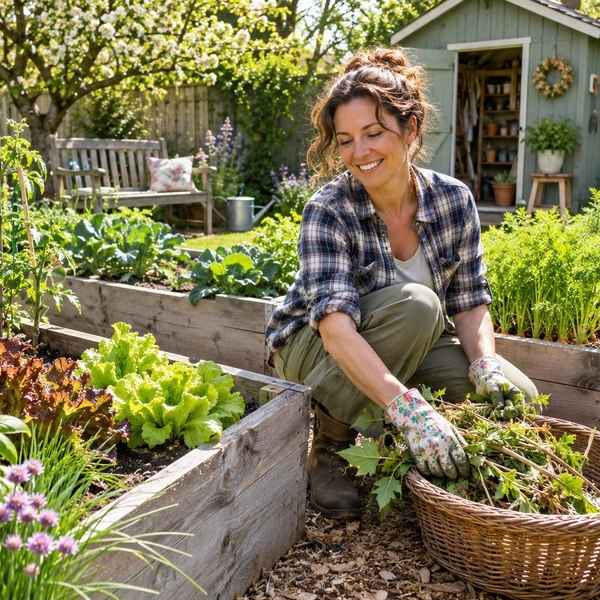
A little spring garden tidy-up can make an enormous difference, not just to the health of your plants, but to how much you enjoy spending time in your garden. 🌱
There’s something wonderfully satisfying about clearing a garden bed, refreshing the soil, trimming back a few overgrown plants and standing back to admire what you’ve achieved. It gives you a sense of accomplishment, and quite often, a fresh burst of enthusiasm for the growing season ahead.
But here’s something I’ve come to appreciate more and more over the years.
A healthy garden doesn’t need to be a perfectly tidy garden. 🐝
Those fallen leaves, dried flower stems, seed heads and little patches of garden debris that we sometimes feel compelled to remove can be incredibly valuable to the insects and other creatures that share our gardens.
The real pleasure comes from finding a balance between keeping our gardens productive and beautiful while allowing nature a little freedom to do its own thing.
🌼 Every Plant Has Its Season
One of the lovely things about gardening is watching a plant complete its natural life cycle, from that first tiny seedling through to flowering, fruiting and eventually producing its own seeds.
Many of our favourite vegetables and flowers are annuals, meaning they complete their life cycle within a single growing season.
As spring progresses, you’ll often notice some of your cool-season vegetables beginning to change. Lettuce may start sending up flower stalks, spinach can become bitter as it bolts, and crops such as broccoli, cauliflower and peas may be coming to the end of their productive period in warmer areas.
You’ll often see signs that a plant has finished its job:
- 🍂 Yellowing or dying leaves, particularly when there’s very little healthy new growth.
- 🌸 Reduced flowering, with fewer blooms appearing.
- 🥬 Bolting vegetables, where leafy crops begin flowering and producing seed.
- 🌿 Woody or brittle stems, sometimes accompanied by slow or weak growth.
- 🥕 Very little harvest remaining, even though the plant continues taking up valuable space.
Of course, not every yellow leaf means a plant needs removing. Sometimes it’s simply a sign that it needs more water, a little nutrition or protection from the changing weather.
And don’t forget that perennials, bulbs and deciduous plants have their own growing cycles, so what looks like a dead plant may simply be resting before its next flush of growth.
But when an annual plant has clearly reached the end of its life, there’s no need to feel guilty about removing it.
It’s given you what it can, and making room for something new is all part of gardening.
🌸 The Simple Satisfaction of a Garden Tidy-Up
I think there’s something quite special about spending a few hours pottering around the garden without feeling you have to achieve anything enormous.
You might start by pulling out a few weeds, then notice a plant that needs trimming, or a patch of soil that would benefit from some compost. Before you know it, you’ve spent a lovely morning outdoors and the garden is looking all the better for it.
Gardening doesn’t always have to be about big projects or major changes. Sometimes it’s the smallest jobs that give us the greatest satisfaction. 💚
A little regular attention can make a surprising difference:
- 🌱 Remove spent vegetable plants that have finished producing and are taking up valuable growing space.
- ✂️ Trim damaged or diseased foliage to encourage healthy growth and improve airflow.
- 🌼 Deadhead flowering plants where appropriate to encourage more blooms.
- 🌿 Thin overcrowded seedlings so the remaining plants have room to develop properly.
- 🍂 Clear pathways and working areas to make moving around the garden easier and more enjoyable.
- 🪴 Refresh tired containers with compost or fresh potting mix where needed.
There’s no need to tackle everything at once. In fact, I think gardening is far more enjoyable when you take your time, notice what’s happening around you and allow yourself to enjoy the process.
And one of the nicest rewards is being able to sit down afterwards with a cup of tea, look around and appreciate what you’ve accomplished. ☕🌷
🐛 Keeping Pests in Check Without Disturbing the Good Guys
Spring brings an explosion of new growth, but it also brings an increase in insect activity.
Aphids, whiteflies, thrips and other common garden pests are often quick to take advantage of tender new leaves and stressed plants.
When plants become weak or begin declining, they can be more vulnerable to pest problems, particularly if they’re already struggling with poor growing conditions.
Removing badly affected plants or damaged foliage can help reduce pest populations and protect neighbouring crops.
But before reaching for the secateurs or a spray bottle, take a closer look at what’s happening.
You might discover that nature is already helping you.
🐞 Ladybirds and their larvae are wonderful predators of aphids and other soft-bodied insects.
🌿 Lacewing larvae feed on aphids, mealybugs and several other small garden pests.
🌼 Hoverflies are valuable pollinators, while the larvae of many species feed on aphids.
🕷️ Spiders help keep insect numbers in balance by feeding on a wide range of garden visitors.
Not every insect nibbling a leaf is a problem, and not every insect that looks unusual is something we need to get rid of.
One of the most useful gardening habits you can develop is learning to observe before you act.
A few aphids on a healthy plant may not matter much at all, particularly when ladybirds or hoverfly larvae are already feeding on them.
Sometimes doing less is actually the better gardening decision.
🍄 Reducing Disease and Improving Airflow
While leaving some natural debris is beneficial, there are times when removing plant material really does help keep the garden healthy.
Old, crowded or damaged foliage can create damp conditions that encourage fungal diseases, particularly when air movement is restricted.
Common problems include powdery mildew, downy mildew, leaf spot, rust and grey mould.
If you’ve grown zucchini, cucumbers or pumpkins, you’ll probably be familiar with powdery mildew, that dusty white coating that appears across the leaves.
A little powdery mildew doesn’t necessarily mean the plant needs removing, especially if it’s still growing strongly and producing well.
But when disease has spread extensively and the plant is already struggling, removing badly affected material can help reduce the amount of disease present and improve conditions for nearby plants.
A few simple jobs can help:
- 🌬️ Thin overcrowded growth to allow fresh air to move between plants.
- 🍂 Remove seriously diseased leaves rather than allowing them to accumulate around productive crops.
- 💧 Water at soil level where practical, keeping foliage drier and reducing unnecessary splashing.
- ☀️ Allow enough sunlight to reach plants, while remembering that some shade can be valuable during Australia’s hotter weather.
The idea isn’t to strip everything back or leave bare garden beds everywhere.
It’s about giving your productive plants the conditions they need while keeping healthy, undisturbed areas available for wildlife.
🐝 Leave a Little Wildness for Nature
This is one of my favourite parts of creating a healthy garden, and something I think we sometimes overlook in our enthusiasm for tidying everything up.
A perfectly manicured garden might look lovely to us, but it doesn’t always provide the best home for the insects and other small creatures that help our gardens thrive.
Think about what happens in nature. Nobody comes along and rakes up every fallen leaf, cuts down every dried stem or removes every piece of decaying wood.
Instead, those materials gradually break down, provide shelter and become part of a wonderful living system.
We can encourage a little of that same natural balance in our own gardens.
🍂 Let Some Fallen Leaves Stay Where They Land
A layer of fallen leaves beneath shrubs, around trees or in a quiet corner of the garden can become a wonderful little habitat.
Ground beetles, spiders, millipedes, springtails and many other tiny creatures find shelter amongst the leaves, while decomposers gradually turn that organic material into nutrients that help feed the soil.
You don’t need to leave leaves piled against the stems of delicate plants or covering tiny seedlings, but there’s certainly no need to rake every last leaf out of the garden.
A few tucked-away patches of leaf litter can be incredibly valuable.
🌾 Leave Some Old Stems Standing
Those dry, hollow stems left behind by flowering plants can be more useful than they first appear.
Some native solitary bees use suitable hollow stems or soft plant material for nesting, while other insects shelter amongst old growth.
Rather than cutting every flower stem right down to the ground, try leaving a few standing in a quiet part of the garden.
You can always tidy the more visible areas while allowing a few less noticeable corners to remain undisturbed.
Sometimes what looks like an old, useless stem to us is actually somebody’s home! 🐝
🌻 Allow a Few Flowers to Go to Seed
I love discovering little surprise seedlings that have appeared all by themselves.
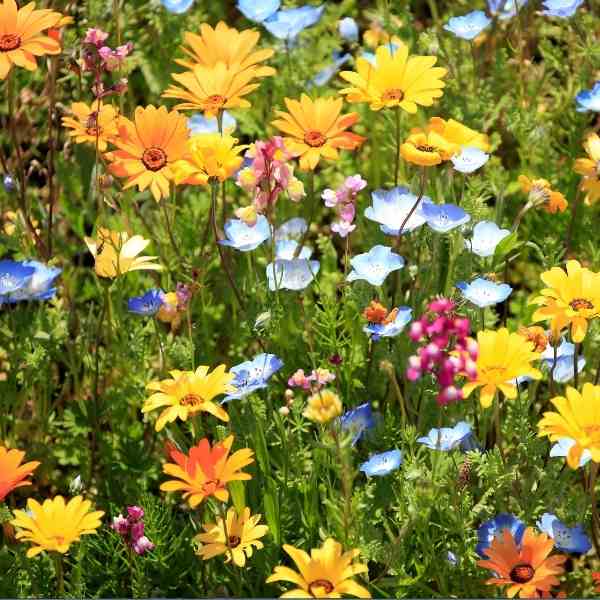
Calendula, alyssum, cosmos and other self-seeding flowers can bring unexpected colour into the garden, often appearing in places where you’d never have thought to plant them.
Allowing a few flowers to complete their life cycle also provides seed for birds, while the remaining blooms can continue supplying nectar and pollen for visiting insects.
Of course, there’s a balance to be found here too.
You probably don’t want every plant scattering seed across your vegetable beds, and it’s worth removing seed heads from invasive or particularly troublesome plants.
But a little self-seeding can bring wonderful surprises and a more natural feel to the garden. 🌸
🪵 Create a Quiet Corner for Garden Wildlife
You don’t need a large property or a specially designed wildlife garden to make a difference.
Even a small suburban garden can provide valuable habitat.
A few twigs, some untreated wood, a patch of leaf litter and a little healthy groundcover can create shelter for beetles, spiders and other garden creatures.
If you have room, choose a quiet corner that doesn’t need constant attention and allow it to become a little wild.
You’ll be surprised how much life can appear when an area is left undisturbed.
And if you grow Australian native plants nearby, you’re providing even more opportunities for local insects to find the food and shelter they need.
A little wildness isn’t neglect. It’s giving nature a place in your garden. 💚
🦋 Planting for Beneficial Insects
While you’re refreshing garden beds and planning your spring planting, it’s worth thinking about how you can make your garden more welcoming to beneficial insects.
Growing a variety of flowering plants alongside your vegetables is one of the simplest ways to encourage pollinators and natural pest predators.
Some lovely choices include:
- 🌼 Calendula, with cheerful flowers that attract visiting pollinators.
- 🌸 Alyssum, producing masses of tiny flowers that are particularly attractive to hoverflies and other beneficial insects.
- 🌺 Cosmos, providing nectar and pollen over a long flowering period.
- 🌿 Dill and coriander, which attract a wonderful variety of small beneficial insects when allowed to flower.
- 🌻 Sunflowers, bringing colour while providing pollen, nectar and eventually seeds for birds.
- 🐝 Australian native flowering plants, offering valuable food and habitat for local bees and other insects.
Try to include plants with different flower shapes and flowering times so there’s something available throughout the growing season.
And remember that providing habitat is just as important as providing flowers.
Insects need somewhere to shelter, breed and complete their life cycles, not just somewhere to stop for a meal.
A garden with flowers, healthy soil, natural mulch and a few undisturbed corners can become a wonderfully busy place, even if you only have a small growing area.
🥕 Making Room for New Spring Crops
One of the practical benefits of clearing finished plants is the opportunity to make better use of your growing space.
If you’re growing vegetables in a small suburban garden, every square metre can be valuable.
There’s little point leaving an exhausted winter crop taking up an entire garden bed when you could be using that space for something that will thrive as the weather warms.
Succession planting is a simple way to keep the garden productive. It means replacing finished crops with new ones that suit the season rather than leaving the soil sitting empty.
For example:
- 🥬 Finished lettuce or spinach? Try a warmer-weather leafy green such as silverbeet, perpetual spinach or amaranth.
- 🥦 Winter brassicas finished producing? Clear the space and prepare the soil for beans or other warm-season crops.
- 🫛 Peas coming to an end? Consider using the space for climbing beans once the soil is warm enough.
- 🌸 An empty patch in the flower garden? Sow zinnias, cosmos or sunflowers for a colourful summer display.
- 🌿 A few gaps between vegetables? Add basil, marigolds or other suitable companion flowers and herbs.
Planting times will naturally vary depending on where you live in Australia, so always consider your local conditions before sowing.
And there’s no need to fill every available space. A little room for airflow, garden access and beneficial insect habitat is just as important.
🪱 Give Your Soil Some Love
Whenever you remove a finished crop, it’s worth taking a few minutes to care for the soil before planting something new.
Healthy soil is the foundation of a productive garden, and all those worms, microbes and other tiny organisms working beneath the surface are doing an enormous amount of good.
Vegetables such as tomatoes, pumpkins and corn can draw heavily on available nutrients, so replenishing organic matter between crops is a worthwhile habit.
A few simple jobs will help prepare the bed for its next planting:
- 🌱 Add finished compost to improve soil structure and provide organic matter.
- 🐄 Use well-aged manure where appropriate, particularly before planting hungry vegetables.
- 🍂 Top up mulch to protect the soil and help conserve moisture as temperatures rise.
- 🪱 Avoid unnecessary digging, allowing soil organisms and beneficial fungi to continue their work.
- 🌿 Rotate crops where practical, especially when you’ve experienced pest or soil-borne disease problems.
You don’t always need to pull finished plants out by the roots, either.
If a healthy annual has completed its life cycle, you can often cut it off at soil level and leave the roots to break down naturally.
This is particularly useful with beans and peas, whose roots can contribute valuable organic matter as they decompose.
If you’re dealing with a serious root disease, however, it’s better to remove affected material rather than leaving it in the soil.
Looking after the soil isn’t just about feeding your plants. It’s about caring for the whole living system beneath your feet. 🌱
♻️ What to Compost and What to Leave Behind
Not everything you remove from the garden needs to go into the rubbish bin, and not everything needs to go into the compost heap either.
Healthy spent plants, soft stems, fallen leaves and other suitable garden trimmings can be added to your compost, where they’ll gradually break down and return organic matter to the soil.
But it’s worth being selective.
Seriously diseased plants are generally best kept out of ordinary home compost, unless you’re managing a hot compost system capable of reliably destroying plant pathogens.
The same applies to unwanted mature seed heads that could survive composting and spread throughout your garden.
Healthy leaves and stems, on the other hand, can often be left in place where they won’t interfere with growing plants.
You might choose to compost the material from your vegetable beds while leaving some natural debris beneath shrubs or around the edges of your garden.
That way, you’re still keeping the productive areas manageable without removing all the shelter that beneficial insects rely on.
It’s a lovely balance between recycling what the garden produces and allowing nature to handle some of the work for you.
✅ A Simple Spring Garden Tidy-Up Checklist
You don’t need to spend an entire weekend clearing the garden. A little regular attention is often all it takes to keep things looking lovely and growing well.
Here’s a quick checklist to help you decide what needs doing.
🌿 What to tidy
- Remove annual vegetables that have finished producing.
- Cut away badly diseased or damaged foliage.
- Thin overcrowded plants and seedlings.
- Clear weeds that are competing with your vegetables and flowers.
- Refresh tired garden beds with compost and mulch.
- Tidy pathways and areas you use regularly.
🐝 What to leave for nature
- A little healthy leaf litter beneath shrubs and trees.
- Some hollow or dried stems for insect habitat.
- Selected flower heads to provide seeds for birds and allow natural self-seeding.
- Small piles of twigs or untreated wood in quiet corners.
- Healthy groundcover and natural mulch to protect soil life.
- A few undisturbed spaces where insects can shelter and breed.
🌸 What to enjoy
- Take time to notice the fresh spring growth.
- Watch the bees, butterflies and other insects visiting your flowers.
- Pick a few flowers or harvest something fresh from the vegetable patch.
- Enjoy the satisfaction of finishing even one small gardening job.
- Sit back, have a cuppa and appreciate the garden you’ve created. ☕
And remember, you don’t have to finish everything in one day. Gardening should be something you enjoy, not another endless list of chores.
💚 The Joy of Gardening Is in the Little Things
I think one of the greatest pleasures of gardening is that it gives us something to look forward to, no matter how long we’ve been doing it.
There’s always a new seed to sow, a flower about to open, a vegetable nearly ready to harvest or something unexpected happening in a quiet corner.
Some days you might spend hours working in the garden, clearing beds, planting seedlings and making everything look lovely.
Other days, you might simply wander outside with your morning cuppa, pull out a couple of weeds, admire the flowers and watch a bee working its way through the blossoms.
Both are equally valuable parts of gardening. 🌼
And there’s a real sense of satisfaction in looking around at a garden you’ve cared for, knowing that the plants are growing, the soil is improving and the insects and wildlife are finding their place amongst it all.
Not every plant will thrive, not every seed will germinate, and sometimes things won’t go quite as planned. But that’s part of the experience, and there’s always something to learn along the way.
The garden doesn’t need to be perfect to bring us joy.
In fact, some of the most interesting things happen when we stop trying to control every little detail and allow nature to surprise us.
🌻 A Garden That’s Tidy Enough, Wild Enough and Full of Life
As spring brings fresh growth and another busy growing season, it’s a lovely time to give your garden a little attention and prepare for the warmer months ahead.
Clear away the plants that have finished, give your soil some care, make room for new vegetables and flowers, and enjoy the satisfaction of seeing everything come together.
But don’t feel you need to remove every fallen leaf, cut back every old stem or make every corner perfectly neat.
A few untidy patches can provide valuable homes for the insects and tiny creatures that help keep your garden healthy. 🐝🍂
There’s room for a productive vegetable patch, beautiful flowers, neatly mulched beds and a little wild corner where nature can simply get on with its work.
And perhaps that’s what makes gardening so rewarding.
We’re not just growing food or flowers. We’re spending time outdoors, learning from the seasons, enjoying the little changes that happen each day and creating a space that supports life in all its forms.
So next time you head outside with your secateurs and garden gloves, take your time. Tidy what needs tidying, leave a little for nature, and don’t forget to stop and enjoy what you’ve grown.
Because a garden doesn’t have to be perfect to be beautiful, productive or full of life. 🌿💚
And sometimes, the greatest reward is simply being there to enjoy it. 🌼