How to Grow Tomatoes from Seed: 7 Common Questions Answered
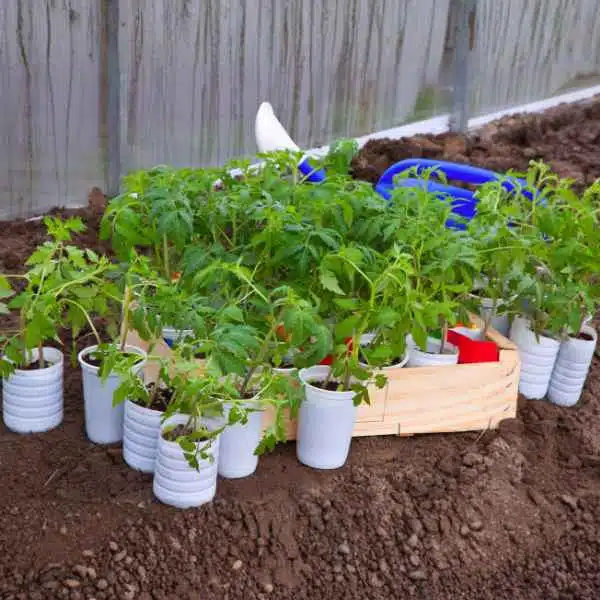
Growing tomatoes from seed is one of those gardening jobs that can seem much more complicated than it really is. There are questions about when to sow, whether the seeds need light, how deep they should be planted, what mix to use and whether you should start them indoors or simply sow them outside.
The good news is that tomato seeds are generally quite straightforward to grow. Give them warmth, moisture and a good seed-raising mix and they will usually do most of the hard work themselves. 🌱
Growing from seed also gives you a much wider choice of tomatoes than you will normally find as seedlings at the garden centre. Instead of choosing between a handful of familiar varieties, you can grow cherry tomatoes, salad tomatoes, large slicing tomatoes, paste tomatoes and all sorts of unusual heirloom varieties in different colours, shapes and flavours. 🍅💛🧡💜
For Australian gardeners, the biggest thing to understand is that there is no single tomato sowing date that suits everyone. Someone growing tomatoes in Tasmania is working with a very different climate from a gardener in Darwin, Perth or Brisbane.
Rather than watching the calendar alone, it helps to understand what tomato seeds and young seedlings actually need.
Here are seven of the most common questions gardeners ask me about starting tomatoes from seed with quick answers followed by more detailed responses if you want to delve more deeply.
🌱 Quick answers: growing tomatoes from seed
When should I sow tomato seeds?
Sow tomatoes early enough to give the seedlings time to grow before planting out, but not so early that they become large and difficult to manage while the weather is still cold.
Can I sow tomatoes too early or too late?
Yes. Sowing too early can leave you with leggy, pot-bound seedlings waiting for warm weather. Sowing late is usually less of a problem, although your harvest may begin later.
Should tomato seeds be started indoors?
In cooler areas, starting them somewhere warm and protected gives them a useful head start. In warm climates, tomatoes can often be sown outdoors once conditions are suitable.
How deep should tomato seeds be planted?
Tomato seeds only need a light covering of seed-raising mix, roughly 5 mm deep.
How many tomato seeds should I sow in each pot?
One or two seeds per cell or small pot is usually enough. If both germinate, you can keep the strongest seedling or carefully separate them.
What is the best soil for tomato seeds?
Use a fine, free-draining seed-raising mix rather than ordinary garden soil.
Do tomato seeds need light to germinate?
No. Tomato seeds do not need light to begin germinating, but the seedlings need plenty of good light as soon as they emerge. ☀️
🌱 1. When should I sow tomato seeds?
One of the most common questions about growing tomatoes from seed is simply, when should I plant them?
There is no single date that works across Australia.
Tomatoes are warm-season plants, so the best sowing time depends on where you live, how cold your winters are, whether you experience frost and whether you are starting the seedlings somewhere protected.
The aim is to have healthy young tomato plants ready to grow strongly when outdoor conditions become favourable.
In cooler climates, this usually means starting seeds inside or in a protected position before the outdoor tomato-growing season begins. In warm, frost-free parts of Australia, the tomato season can be very different and gardeners may actually avoid growing tomatoes during the hottest and most humid part of the year.
🌏 Tomato sowing times around Australia
As a general guide:
❄️ Cool climates
Gardeners in Tasmania, the Australian Alps and other cool regions often start tomato seeds indoors during late winter or early spring.
The seedlings can then grow in a protected position while the weather outside is still cold. They are planted into the garden once frost danger has passed and the soil and nights are becoming warmer.
Starting early is particularly useful in areas with a shorter growing season because tomatoes need time not only to grow, but also to flower, set fruit and ripen that fruit before cold autumn weather returns.
🌤️ Temperate climates
In temperate parts of southern Australia, tomato sowing often begins from late winter into spring.
Seeds can be started in a greenhouse, propagator, sunny enclosed veranda or another warm protected position.
Later sowings can be made as the weather warms.
☀️ Mediterranean climates
In areas with mild, wet winters and hot, dry summers, including much of south-western Western Australia, tomatoes can be started towards the end of winter and through spring.
Getting tomatoes established before the most intense summer heat arrives can be useful, although succession sowing can extend the season.
🌿 Subtropical climates
In subtropical areas, gardeners often have a longer window for growing tomatoes.
Very hot, humid weather can make tomatoes more difficult to manage, so the ideal planting season does not always follow the traditional southern Australian spring and summer pattern.
🌴 Tropical climates
In northern tropical Australia, tomatoes are often easier to grow during the cooler and drier part of the year rather than through the hot, humid wet season.
This is a good example of why a packet instruction simply saying “sow in spring” can be misleading in Australia.
🗓️ Work backwards from planting time
A better way to decide when to sow tomatoes is to work backwards from when you expect to plant them outside.
Tomato seedlings generally need several weeks to develop from a seed into a sturdy little plant ready for the garden.
You are not trying to produce the biggest possible seedling before planting out.
A compact, healthy young tomato plant will usually establish more easily than an oversized plant that has spent weeks sitting in a small pot waiting for suitable weather.
If outdoor planting is still a long way away, there is usually no advantage in sowing excessively early.
🌡️ Watch your local conditions
Your own garden is one of the best guides.
If cold nights regularly continue well into spring, wait a little longer before planting tomatoes outside.
If your garden is frost-free and warms quickly, you may be able to start sooner.
Gardeners often become very focused on daytime temperatures, but tomatoes also notice what happens overnight. A run of lovely sunny spring days can make it tempting to plant everything outside, only for cold nights to slow the plants considerably.
Tomatoes want the season to be genuinely moving towards warmth. ☀️
⏰ 2. Is it too early or too late to start tomatoes from seed?
This question usually appears in two forms.
In late winter it is:
“Am I starting my tomatoes too early?”
A few months later it becomes:
“Have I left it too late to grow tomatoes from seed?”
The answer to both is usually less dramatic than gardeners expect. 😊
🌱 Can you sow tomatoes too early?
Yes, and starting extremely early is not always an advantage.
It is easy to get excited about the coming tomato season. A few warm days arrive and suddenly seed trays start appearing on every windowsill.
The problem is that tomato seedlings grow surprisingly quickly once they get going.
If the weather outside is still unsuitable several weeks later, you can end up with large plants that need bigger pots, more space, more light and constant attention.
Seedlings kept indoors for too long may become:
- 🌱 tall and stretched
- 🪴 crowded
- 🌿 root-bound
- ☀️ difficult to keep adequately lit
- 🍽️ hungry for nutrients
- 🚪 awkward to move outside
- 💨 more vulnerable to damage when finally transplanted
This is particularly common when seeds are sown in the middle of winter without enough artificial light or warmth.
The seeds may germinate successfully, but germination is only the beginning.
The real challenge is keeping those young plants healthy until conditions outside are suitable.
🍅 Earlier does not always mean earlier tomatoes
It seems logical that sowing tomatoes a month earlier should give you tomatoes a month earlier.
Gardening rarely works quite that neatly.
A tomato seedling kept in poor light or a cramped pot may grow slowly and become stressed. Another tomato sown several weeks later under better conditions can grow rapidly and sometimes catch up.
This is why the goal is not simply to sow tomatoes as early as possible.
The goal is to sow them at a time when you can keep the seedlings actively growing.
🪴 What if I have already sown too early?
Don’t panic.
If your tomato seedlings are already growing and the weather is still too cold to plant them outside, you have a few options.
Give them as much light as possible and move them into larger pots as their roots fill the existing containers.
If they become slightly leggy, tomatoes are wonderfully forgiving plants because their stems can produce additional roots when buried.
When potting up, you can plant the seedling a little deeper, covering part of the stem with potting mix.
You will also need to make sure the seedlings are not sitting against a freezing window overnight or baking behind glass during a sunny day.
Protected does not necessarily mean temperature-controlled.
🌞 Can you sow tomatoes too late?
You can, but late sowing is often more forgiving than early sowing.
Tomatoes germinate and grow much faster once conditions are warm.
A seed sown later in spring may race ahead compared with one sown during cold weather.
The main limitation is how much growing season remains.
Tomatoes need enough time to grow, flower, set fruit and ripen their crop.
In a cool climate with an early autumn, very late sowing can mean the plants run out of warm weather before producing a worthwhile harvest.
In warmer regions, the window can be much longer.
🌼 Is it worth sowing tomatoes in late spring?
Absolutely.
Late spring sowings can produce excellent plants.
You may harvest later than gardeners who started seedlings earlier, but warmer conditions can result in very rapid early growth.
A later sowing is also useful if an earlier batch has failed, seedlings were lost to pests or you simply decided that you wanted another tomato variety.
🔥 What about summer sowing?
This depends heavily on climate.
In some regions, a summer sowing can provide tomatoes for late summer and autumn.
In very hot areas, establishing young seedlings during extreme summer heat can be difficult.
Again, the local climate matters more than a fixed date on a calendar.
One of the pleasures of growing tomatoes from seed is experimenting with timing. Keep a few notes each year and you will soon learn when tomatoes perform best in your own garden.
🏡 3. Should I start tomato seeds indoors or sow them directly into the garden?
Both methods can work.
However, starting tomato seeds in pots, trays or cells is usually the easiest and most reliable method for many gardeners.
Tomato seeds are small and young seedlings are quite vulnerable. Starting them in a protected environment gives you much more control over moisture, warmth and pests.
🪴 Advantages of starting tomatoes in pots or trays
Starting tomatoes in containers lets you give each seedling a gentle start.
You can:
- 💧 control watering more easily
- 🌡️ keep the seed-raising mix warm
- 🐌 protect seedlings from snails and slugs
- 🌧️ protect them from heavy rain
- ☀️ move them if conditions become too hot or cold
- 👀 monitor germination easily
- 🏷️ keep track of different varieties
- 🌱 start tomatoes before outdoor conditions are warm enough
This is particularly useful if you are growing heirloom tomatoes and only have a small number of seeds of each variety.
There is little point scattering valuable seed through the vegetable garden and hoping for the best when you can raise the seedlings somewhere protected first.
🏠 Do tomato seeds have to be started inside the house?
No.
When gardeners hear “start seeds indoors”, they often imagine seed trays taking over the kitchen.
Indoors really means protected conditions.
Depending on your climate and home, that might be:
- a greenhouse
- a propagation area
- an enclosed veranda
- a warm shed with good light
- a covered patio
- a sunny protected position
- indoors under suitable lighting
The best position is somewhere warm enough for germination followed by plenty of light once the seedlings appear.
A dark warm cupboard might encourage germination, but it is not somewhere you want to forget about the tray. Once seedlings emerge, they need light quickly. 🌞
🌿 Can tomato seeds be direct sown?
Yes.
Tomatoes are perfectly capable of germinating directly in the garden when the soil is warm and conditions are suitable.
Anyone who has had volunteer tomato plants suddenly appear in the vegetable patch or compost heap knows how easily this can happen. 😄
Direct sowing works particularly well where the growing season is long and warm.
The downside is that you have less control.
Seeds and tiny seedlings can be affected by:
- drying soil
- heavy rain
- snails and slugs
- insects
- birds scratching through the bed
- mulch covering the sowing spot
- weeds
- sudden temperature changes
You may also forget exactly where you planted them, particularly if you are growing several varieties.
🌱 Which method gives tomatoes a better start?
For most home gardeners, I prefer starting tomato seeds in cells or small pots.
It only takes a little extra effort and makes it much easier to see what is happening.
You can select the healthiest seedlings and plant them into the garden once they have developed a strong root system.
Direct sowing is still worth trying if your climate is warm enough, especially if you have plenty of seed and don’t need an early start.
There is no gardening rule saying tomatoes must be raised in a seed tray.
The best method is the one that suits your climate, space and the way you like to garden. 🌿
📏 4. How deep should I sow tomato seeds?
Tomato seeds do not need to be planted very deeply.
A good general depth is around 5 mm, with the seed lightly covered by seed-raising mix.
If you prefer not to measure, think of it as a thin covering rather than digging a proper planting hole.
This is one of the easiest places for new gardeners to go wrong.
We are used to planting large things. Bulbs go into holes. Seedlings have root balls. Potatoes are buried under soil.
A tomato seed is tiny and does not need anything like that depth. 🌱
⬇️ What happens if tomato seeds are planted too deeply?
A germinating tomato seed has a limited store of energy.
Once germination begins, the young shoot needs to reach the surface.
If the seed is buried unnecessarily deeply, the emerging seedling has further to travel before it reaches light.
Some may still emerge, but germination can be slower or less reliable.
Deep soil also tends to remain wet for longer, which can create less favourable conditions around the seed.
⬆️ What happens if tomato seeds are too shallow?
The opposite problem can occur when seeds are left sitting directly on the surface.
They can dry out quickly, move when watered or fail to maintain good contact with the moist seed-raising mix.
A light covering solves this.
You want the seed surrounded by moist mix without burying it deeply.
🌱 An easy way to sow tomato seeds
Fill your container with seed-raising mix and gently firm it down.
You do not need to squash it hard. You simply want to remove large air spaces and create a reasonably level surface.
Watering the mix before sowing can make things easier because dry seed-raising mix can sometimes float and move around when first watered.
Place the tomato seed on the surface.
Then sprinkle a small amount of seed-raising mix over it until the seed is just covered.
Gently mist or water the surface.
That is really all there is to it. 😊
💧 Be careful when watering freshly sown seeds
A heavy stream of water can move small seeds around or wash them deeper into the container.
A fine rose on a watering can, a gentle spray bottle or careful bottom watering can help.
Once the seedling is established, watering becomes much easier.
At the germination stage, you are simply trying to keep the mix evenly moist without turning it into mud.
👆 Should I press tomato seeds into the soil?
A gentle press is fine.
The important thing is good contact between the seed and the damp seed-raising mix.
There is no need to push the seed deeply with your finger.
Place it where you want it, lightly cover it and water gently.
Simple usually works best.
🌱🌱 5. How many tomato seeds should I sow in each pot or cell?
For most home gardeners, one or two tomato seeds per cell or small pot is enough.
Tomato seed usually does not need to be sown thickly.
If your seed is fresh and you are only growing a few plants, sowing one seed per cell avoids having to separate seedlings later.
If you want a little insurance against a seed failing to germinate, sow two.
🌿 What happens if both tomato seeds germinate?
Congratulations. You now have two tomato plants. 😄
You can either separate them carefully or keep the strongest seedling.
If you have plenty of plants already, simply choose the stronger of the two.
If it pains you to sacrifice a perfectly healthy seedling, which is something many gardeners understand very well, you can try separating them.
Do this while the seedlings are still relatively young and before their roots become badly tangled.
Handle seedlings by their leaves rather than squeezing the delicate stems.
Pot each one into its own container and water gently.
They may look slightly unhappy for a day or two after being moved, but tomatoes usually recover quickly.
🌱 Should I sow lots of tomato seeds together in a tray?
You can.
Traditional seed sowing often involves scattering several seeds in a tray and pricking the young seedlings out individually later.
There is nothing wrong with this method, particularly if you are growing a larger number of plants.
However, individual cells are convenient because they reduce root disturbance.
Each seedling develops its own little root ball and can be moved into a larger pot when necessary.
For a home gardener growing perhaps six or twelve tomato plants, individual cells make life very easy.
➕ Should I sow extra tomato seeds?
It is sensible to sow a few more plants than you ultimately need.
Not because tomato seed is particularly difficult to germinate, but because gardening has plenty of surprises.
A seedling may be damaged.
A snail may find one. 🐌
A tray might dry out.
A plant may be knocked over.
You might give a couple to a friend.
Or you may simply decide that you suddenly have space for one more tomato plant. 🍅
Having a few spare seedlings gives you options.
That does not mean sowing an entire packet because you want six plants.
A small amount of planning saves seed and saves you from finding homes for forty tomato seedlings several weeks later.
🏷️ Label your tomato seedlings
This sounds obvious until you have six varieties growing side by side and realise they all look remarkably similar.
Label the pots when you sow them, not later.
Write the variety name on a plant label and make sure the writing will survive watering and sunlight.
Heirloom tomatoes can have very different growth habits, fruit sizes and uses, but at the seedling stage one variety often looks very much like another.
Good labels save a lot of guessing later.
🪴 6. What is the best seed-raising mix for tomatoes?
A good quality seed-raising mix is the easiest option for starting tomato seeds.
Seed-raising mix is different from ordinary garden soil and usually finer than standard potting mix.
It is designed to provide the combination young seeds need: moisture, air and good drainage.
Tomato seeds may be tough little things, but young roots are delicate.
They grow best in a mix that allows them to move through easily.
🌿 Why not use soil from the garden?
It is tempting.
You already have soil in the garden, so why buy something else to fill a small seed tray?
Garden soil behaves very differently once it is put into a container.
It may become compacted, drain poorly or form a hard surface.
It can also contain weed seeds, fungal organisms and small pests.
None of these things necessarily matter in a healthy garden bed, where there is an enormous living soil ecosystem and much more room for water to move.
Inside a tiny seed cell, conditions are very different.
A fine seed-raising mix makes things much easier.
🌱 What should a tomato seed mix be like?
A good mix should be:
- 🌿 fine enough for small seeds
- 💧 free draining
- 💦 able to hold some moisture
- 🌱 loose enough for young roots to grow through
- 🪵 free from large chunks of bark and debris
- 🚿 easy to wet evenly
The aim is not to provide a rich feast of nutrients.
At first, the seed contains what it needs to begin germination.
Once the seedling is growing strongly, nutrition becomes more important and the plant can eventually be moved into a suitable potting mix or garden soil.
Seed raising is about creating a reliable environment for germination and early root growth.
💦 Should seed-raising mix be wet before sowing?
I prefer it slightly damp.
Very dry seed-raising mix can sometimes be difficult to wet evenly, particularly if water runs straight through parts of the tray while other areas remain dry.
Moistening the mix before filling or sowing can make the process much easier.
You want it damp, not dripping.
Think of the moisture level of a sponge that has been squeezed out.
After sowing, give the seeds a gentle watering to settle everything into place.
🚿 Should tomato seeds be kept constantly wet?
They should be kept consistently moist, which is not the same as constantly wet.
This distinction is important.
Seeds need moisture to germinate. If the seed-raising mix dries completely during the germination process, the seed may fail.
But tomato seeds do not need to sit in saturated compost.
Waterlogged conditions reduce the amount of air around the seed and roots and can encourage problems.
Check your trays rather than automatically watering them every day.
A small seed cell can dry quickly during warm weather, while the same cell may stay wet for days during cool conditions.
Learning to look and feel before watering is one of those simple gardening habits that makes seed raising much easier.
🧪 Can I make my own seed-raising mix?
Yes, experienced gardeners often do.
However, if you are new to growing tomatoes from seed, there is nothing wrong with keeping things simple and using a commercial seed-raising mix.
You can experiment later.
Seed raising does not need to become a chemistry experiment. 😄
Good seed, a clean container, suitable seed-raising mix, moisture, warmth and light for the emerging seedlings will get you a long way.
☀️ 7. Do tomato seeds need light to germinate?
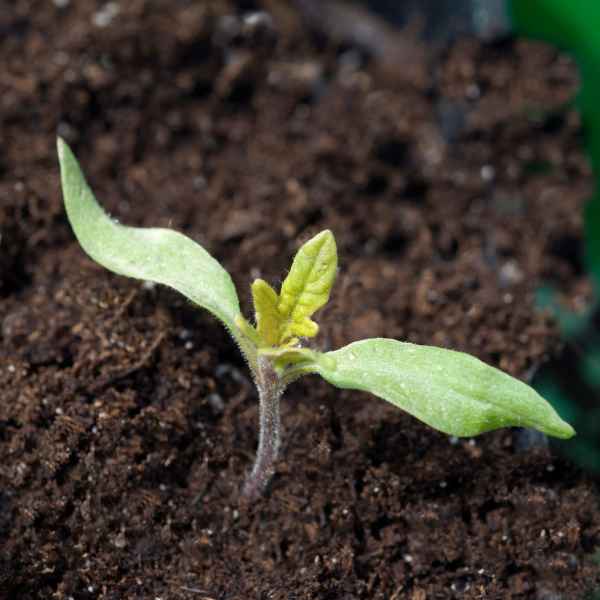
No. Tomato seeds do not need light in order to germinate.
They germinate beneath a light covering of seed-raising mix, where very little light reaches them.
What they do need is moisture and suitable warmth.
However, there is an important difference between what the seed needs and what the seedling needs.
As soon as that little green shoot emerges above the surface, light becomes very important. 🌱☀️
🌱 Tomato seeds don’t need light, but tomato seedlings do
This distinction causes a surprising amount of confusion.
A tomato seed can begin germinating in darkness.
The seed absorbs moisture, germination begins and the first root and shoot start developing.
The emerging shoot then moves towards the surface.
Once it reaches the light, the seedling begins relying on photosynthesis and needs a good bright position.
If the seedling does not receive enough light, it starts stretching in search of it.
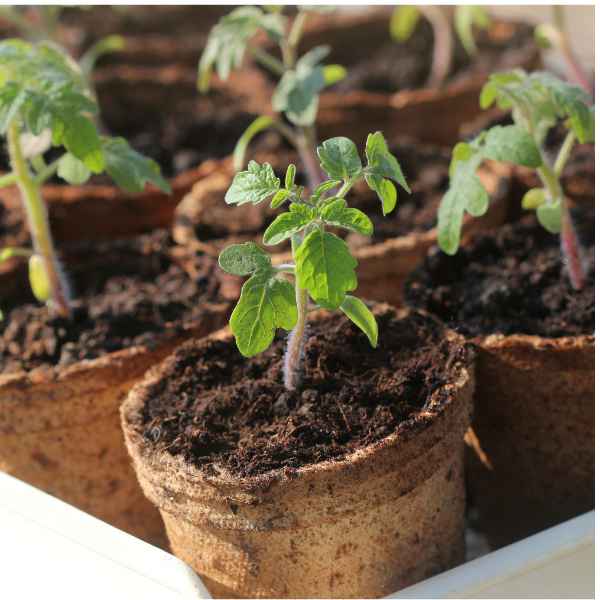
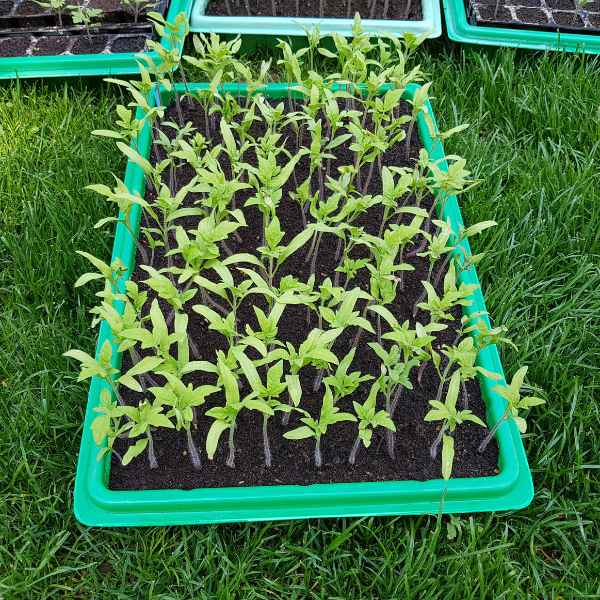
That is when you get the classic tall, thin tomato seedlings gardeners describe as leggy.
🪟 Where should I put tomato seeds while they germinate?
Choose somewhere protected where you can maintain reasonably consistent conditions.
It does not need direct sunlight while the seeds are still beneath the soil.
In fact, putting a covered seed tray in strong direct sun can cause problems because the temperature inside can rise surprisingly quickly.
A warm protected position is usually better.
The important part is remembering to check the tray regularly.
Once seedlings begin emerging, move them into good light if they are not already in a bright position.
☀️ Can tomato seedlings grow on a windowsill?
They can, provided the windowsill receives enough light.
The difficulty is that what looks bright to us is not always particularly bright to a plant.
Tomato seedlings grown beside a window sometimes lean strongly towards the glass.
That is a sign they are reaching for more light.
Rotating the tray can help keep growth more even, although rotation cannot compensate for very poor light.
Another issue is temperature.
A sunny window can become extremely hot during the day but surprisingly cold at night, particularly in winter.
Keep an eye on the seedlings rather than assuming a windowsill automatically provides ideal conditions.
🌿 Why does light matter so much after germination?
Tomatoes are naturally vigorous plants.
Given strong light, they tend to develop sturdier stems and more compact growth.
In weak light, the plant stretches.
The spaces between the leaves become longer and the stem may become thin and floppy.
That does not necessarily mean the seedling is ruined.
Tomatoes have a useful ability to form roots from buried sections of their stem, so a leggy seedling can often be planted deeper when it is potted up.
But preventing excessive stretching in the first place is easier.
Once you see green shoots appearing, give your seedlings the brightest suitable position you can.
🍅 Getting tomato seeds off to a good start
There is no need to make growing tomatoes from seed complicated.
Most problems come from one of a handful of things: sowing far too early, planting the seeds too deeply, allowing the seed-raising mix to dry out, keeping it waterlogged or leaving newly emerged seedlings without enough light.
Remember the basics:
🌱 Choose a sowing time that suits your climate.
Tomatoes are warm-season plants, but Australia’s climates vary enormously. Use your local conditions rather than following a date written for somewhere completely different.
⏰ Don’t rush simply because you want an early harvest.
A healthy tomato seedling sown at the right time can quickly catch up with one that was started too early and struggled through cold conditions.
🏡 Start seeds somewhere protected if outdoor conditions are unsuitable.
Pots and cells make it easy to control moisture, protect seedlings and keep track of your varieties.
📏 Plant tomato seeds shallowly.
Around 5 mm deep is plenty. A light covering of seed-raising mix is all they need.
🌱 One or two seeds per cell is usually enough.
There is rarely any need to sow tomatoes heavily unless you are raising a large number of plants.
🪴 Use a proper seed-raising mix.
Young roots appreciate a fine, light, free-draining growing medium.
☀️ Remember that seeds and seedlings have different needs.
Tomato seeds don’t require light to germinate, but once seedlings emerge they need plenty of it.
And perhaps most importantly, don’t worry if every seedling isn’t perfect.
One might germinate before the others. Another might grow crookedly. Some will be stronger than others. Occasionally a seed simply won’t germinate.
That’s all part of growing from seed. 🌱
Within a few weeks, those tiny seeds can become surprisingly substantial plants and, before too long, they will be producing flowers followed by the tomatoes you started them for in the first place. 🍅
There is something particularly satisfying about picking a ripe tomato from a plant you remember sowing as a tiny seed.
And once you have successfully raised your first few tomato plants, you will probably wonder why growing tomatoes from seed ever seemed difficult at all. 🌿🍅