


Shelling Pea Massey Gem
$4.95
Pisum Sativa
- Seed Count 40
- Extended Season
- Annual
Only 3 left in stock
Description
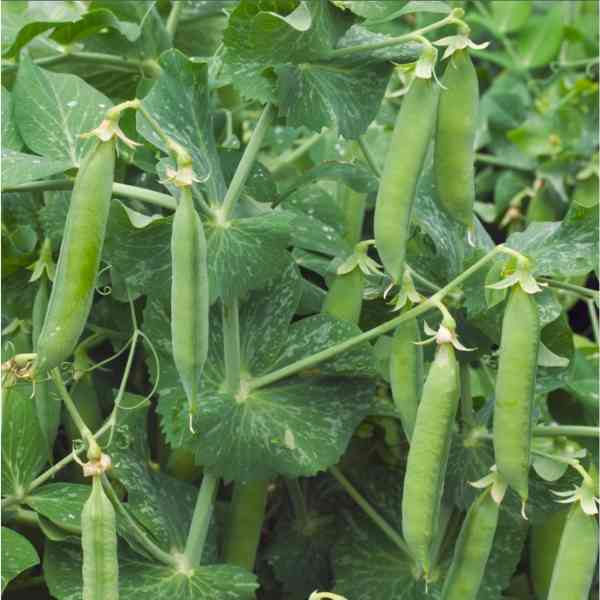
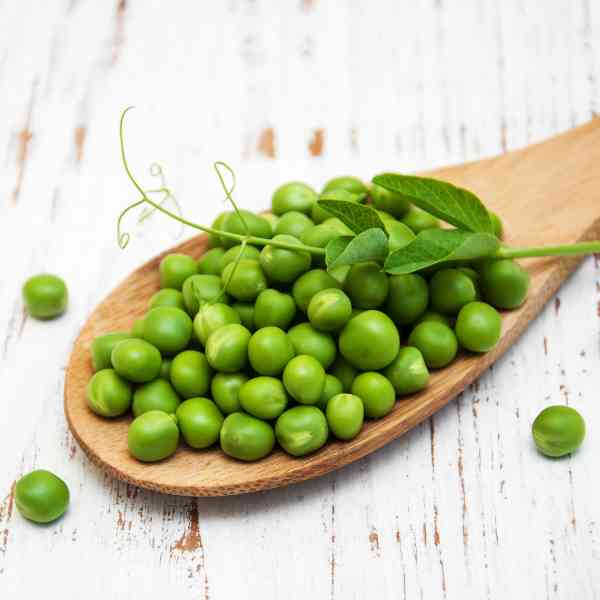
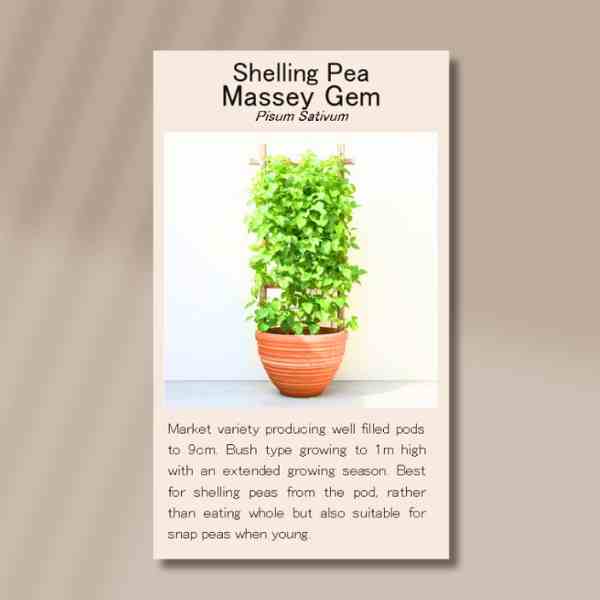
The Shelling Pea Massey Gem is a true classic, widely grown across the country for both commercial and home use. Its reputation comes from more than just tradition; Massey Gem consistently delivers quality pods filled with sweet, tender peas that gardeners and farmers alike appreciate for their flavour and reliability.
Massey Gem is particularly popular among professional growers because it adapts well to a variety of growing conditions. It is the most widely used commercial shelling pea variety for the fresh market in Australia, and for good reason. These peas offer a dependable yield with pods that consistently contain a generous number of peas, usually around eight per pod. The taste is sweet and fresh, making them highly sought after for both fresh consumption and freezing. Unlike some other varieties that may be more temperamental, Massey Gem is hardy and disease-resistant, which adds to its appeal. It stands up well in colder climates, making it a go-to choice for gardeners looking to extend the pea season in southern regions.
The plants themselves are quick maturing, an attribute that is especially valued in Australia where the growing season can be unpredictable. Massey Gem grows as a dwarf plant, typically reaching heights of 60 to 75 centimeters. This makes it manageable for home gardeners, allowing for easy harvesting without the need for extensive support structures. Despite their modest height, these bush-type plants are capable of producing an extended harvest, making them an efficient choice for anyone wanting a steady supply of peas over a longer period.
Massey Gem’s suitability for freezing adds another layer of practicality. Many gardeners like to preserve a portion of their harvest, and the hardy, sweet peas of this variety respond well to freezing. They retain their flavour and texture, making it easy to enjoy the taste of fresh peas long after the season has ended. It supports the home gardener’s aim of self-sufficiency and the professional grower’s need for a marketable, durable product.
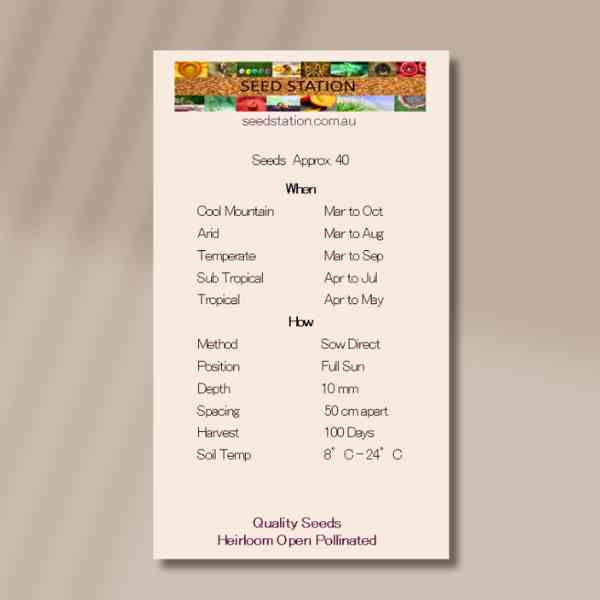
| Method: Sow direct | Soil Temp: 8°C - 24°C |
| Cool Mountain: Mar - Oct | Position: Full Sun |
| Arid: Mar - Aug | Row Spacing: 50cm apart |
| Temperate: Mar - Sep | Planting Depth: 10mm |
| Sub Tropical: Apr - Jul | Harvest: 100 days |
| Tropical: Apr - May | Plant Height: 1m |
🌱 Pea Grow Guide
Peas are one of the most rewarding edible crops to grow from seed. They are fast to establish, attractive in the garden, and useful in the kitchen at several stages. Depending on the type, peas may be grown for full pods, tender flat pods, crisp sugar snap pods, young shoots, or dried seed. They are also valuable because they belong to the legume family, which means they can work with soil bacteria to support nitrogen availability around their roots.
Peas are climbing or dwarf plants, depending on the variety. Climbing types need a trellis, mesh, teepee, fence, or netting, while dwarf types may only need short twiggy supports. Good support keeps plants upright, improves airflow, makes harvesting easier, and keeps pods cleaner.
🌿 Sowing in Trays Versus Direct Sowing
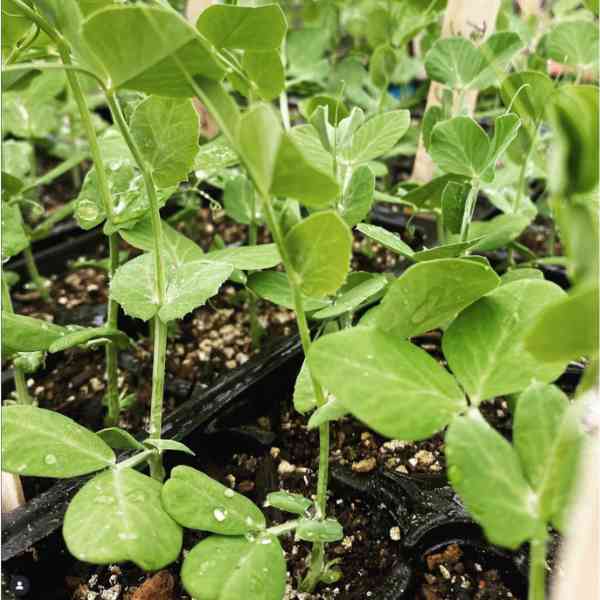
Peas can be sown in trays or directly into the garden, but direct sowing is usually the best method. Peas have sensitive roots and generally perform best when they germinate where they will grow. Direct sowing reduces transplant shock and allows the young roots to establish naturally.
To direct sow, prepare a weed-free bed with loose, crumbly soil. Sow seed about 2 to 4 cm deep, spacing seeds along the row with room for airflow and picking access. Water gently after sowing and keep the soil lightly moist, not soggy. Install supports at sowing time or very soon after, as young pea plants begin searching for something to climb quite early.
Tray sowing can still be useful where birds, mice, slugs, snails, or very wet soil cause problems. Use deep cells, root trainers, or biodegradable pots rather than shallow trays. Sow one or two seeds per cell and plant them out while seedlings are still young. Avoid letting them become root-bound, as cramped roots can reduce plant strength.
For most gardeners, direct sowing is preferred, especially when the garden bed is prepared and pest protection is in place.
🌾 Seed Pre-Treatment
Pea seed does not usually require special pre-treatment, but there are two optional steps that can improve results.
A short soak in clean water for a few hours can help speed up germination, especially if seed is very dry. Do not soak for too long, because over-soaked peas can split, rot, or become weak before sowing. After soaking, plant the seed straight away.
A legume inoculant can be helpful, especially in new garden beds or soil where peas have not been grown before. This introduces beneficial bacteria that help peas form nitrogen-fixing nodules on their roots. It is not always essential, but it can improve plant performance in some soils.
The most important thing is to avoid sowing into cold, waterlogged, compacted, or poorly drained soil. Pea seed is large and can rot if conditions stay too wet.
🌞 Soil and Position
Peas grow best in a position with full sun to light partial shade. Good light encourages strong growth and pod production, while a little protection from harsh afternoon heat can help keep plants from becoming stressed.
The soil should be free-draining, fertile, and moisture-retentive. Peas dislike waterlogged conditions, but they also need consistent moisture once flowering and pod formation begin. Before sowing, improve the soil with compost or well-rotted organic matter. Avoid fresh manure or heavy nitrogen fertiliser, as too much nitrogen can encourage leafy growth at the expense of pods.
Peas prefer a soil that is loose enough for roots to explore easily. If soil is heavy clay, improve it with compost and create a slightly raised planting area. If soil is sandy, compost helps hold moisture and nutrients. In containers, use a deep pot or trough with drainage holes and a quality potting mix. Climbing peas need a stable support and a container heavy enough not to tip over.
💧 Care and Maintenance
Peas are not difficult, but they need steady moisture, support, and regular picking. Keep the soil evenly moist during germination and early growth. Once plants begin flowering, avoid letting the soil dry out completely, as dry stress can reduce pod set and lead to tough or poorly filled pods.
Mulch around established plants to help conserve moisture and suppress weeds. Keep mulch slightly away from the stems to reduce the risk of rot. Weed carefully, especially while plants are young, because pea roots are shallow and can be disturbed easily.
Support is important even for many dwarf peas. Use mesh, netting, bamboo, string lines, or twiggy branches. Guide young tendrils toward the support if needed. Keeping plants upright improves airflow and reduces disease.
Feeding should be gentle. If the soil has been prepared with compost, peas often need little extra fertiliser. If plants look pale or weak, use a mild liquid feed or compost tea, but avoid high-nitrogen products.
Regular harvesting keeps plants productive. Once pods are ready, pick often. Leaving mature pods on the plant signals the plant to slow down new pod production.
🐝 Companion Planting Guide
Peas fit beautifully into mixed vegetable and flower gardens. They grow upright, add nitrogen-rich root residues to the soil after finishing, and their flowers attract pollinators.
Good companions include carrots, radish, lettuce, spinach, silverbeet, cucumber, corn, celery, turnip, beetroot, calendula, alyssum, nasturtium, marigold, dill, parsley, and coriander.
Leafy greens work well near peas because they enjoy similar soil moisture and can make use of space around the base of supports. Flowers such as calendula, alyssum, and marigold help attract beneficial insects. Nasturtiums can be useful as a pest distraction plant and also help cover bare soil nearby.
Avoid planting peas too close to onions, garlic, leeks, and chives if you follow traditional companion planting practices. Many gardeners keep legumes and alliums separated because alliums may interfere with legume growth. Also avoid placing peas where they will be shaded heavily by large, dense plants.
✂️ How to Harvest
Harvest depends on the type of pea you are growing.
For snow peas, pick when pods are flat, tender, and the peas inside are still tiny. Pods should snap cleanly and feel fresh, not tough.
For sugar snap peas, harvest when pods are plump, crisp, and sweet, but before they become hard or stringy.
For shelling peas, allow pods to swell until the peas inside are round and full. Pick before the pods become dull, dry, or overly tough.
For pea shoots, snip the tender growing tips once plants have enough growth to recover. Leave lower leaves behind so the plant can keep producing.
Use two hands when harvesting, holding the vine with one hand and picking with the other. This prevents the plant from being pulled off its support. Harvest regularly to encourage more pods.
⚠️ Common Issues and Fixes
| Issue | Likely Cause | Fix |
|---|---|---|
| Poor germination | Seed rotting, old seed, soil too wet, pests eating seed | Use fresh seed, improve drainage, protect seed with netting or covers |
| Seedlings disappear | Birds, mice, slugs, or snails | Cover rows with mesh, use barriers, check for pests at night |
| Plants yellow and weak | Poor drainage, nutrient stress, damaged roots | Improve soil structure, avoid waterlogging, add compost before sowing |
| Lots of leaves but few pods | Too much nitrogen, not enough light, poor pollination | Avoid high-nitrogen fertiliser, increase sun, encourage pollinators |
| Flowers drop | Heat stress, dry soil, irregular watering | Keep moisture consistent and mulch around plants |
| Pods are tough | Picked too late, dry conditions, plant stress | Harvest earlier and water more evenly |
| Pods poorly filled | Irregular moisture, poor pollination, plant stress | Water consistently and maintain healthy growth |
| Powdery mildew | Poor airflow, crowded plants, dry roots with humid air | Space plants well, water at soil level, remove affected foliage |
| Root rot | Waterlogged soil or poor drainage | Grow in raised soil, avoid overwatering, rotate planting areas |
| Aphids | Soft new growth attracting sap-sucking insects | Hose off gently, encourage ladybirds and hoverflies, use insecticidal soap if needed |
| Caterpillar damage | Chewed leaves, flowers, or pods | Inspect regularly and hand-pick pests |
| Plants collapse from support | Weak trellis, wind, heavy growth | Install sturdy support early and tie plants gently if needed |
🌰 Detailed Seed Saving Guide
Saving pea seed is straightforward because peas are mostly self-pollinating, which means saved seed often comes back close to the parent type. Choose healthy, productive plants with good flavour, strong growth, and pods that match the type you want to keep. Avoid saving seed from weak, diseased, or poorly producing plants.
Let selected pods remain on the plant well past the eating stage. The pods should become dry, papery, and brown. The peas inside should feel hard, not soft or dentable. If wet weather threatens, pull the plants or cut the drying vines and hang them in a dry, airy place to finish maturing.
Once pods are completely dry, shell the peas by hand. Spread the seed in a single layer on a tray or paper towel for several more days so any remaining moisture can escape. This extra drying step helps prevent mould in storage.
Inspect the seed carefully. Keep only firm, full, healthy-looking peas. Discard any that are shrivelled, mouldy, cracked, insect-damaged, or unusually small.
Store the seed in a labelled paper envelope or airtight jar. Include the plant name, pod type, flower colour if useful, and collection date. Keep the seed in a cool, dark, dry place. For best results, save seed from several strong plants rather than only one, as this helps maintain vigour.
If growing different pea types close together, there is still a small chance of crossing by insects. For very predictable saved seed, separate different types with distance or grow only one type for seed at a time.
🌿 Final Thoughts
Peas are a satisfying crop for both beginners and experienced gardeners. They are best sown directly into prepared soil, with support in place from the start and protection from pests while seedlings are small. They need free-draining soil, steady moisture, and regular harvesting to stay productive.
With simple care, peas provide sweet pods, tender shoots, attractive flowers, and useful seed for future sowings. Whether grown as snow peas, sugar snaps, shelling peas, or shoots, they are a generous and worthwhile addition to the edible garden.
Postage Charge
Orders under $40 attract a $5.50 shipping charge. Orders $35 and above have free shipping.
*** We cannot deliver to Parcel Lockers ***
Order Times
Seed orders are normally dispatched within three business days. You will receive an email when seeds are mailed out.
Postage Days
Seeds are mailed out Tuesday to Friday at 1pm. Except for the Friday of long weekends.
Postage Times
WA 2-3 Days: SA,NT 3-5 Days: NSW, ACT, QLD, VIC: 5-7 Days
Carrier
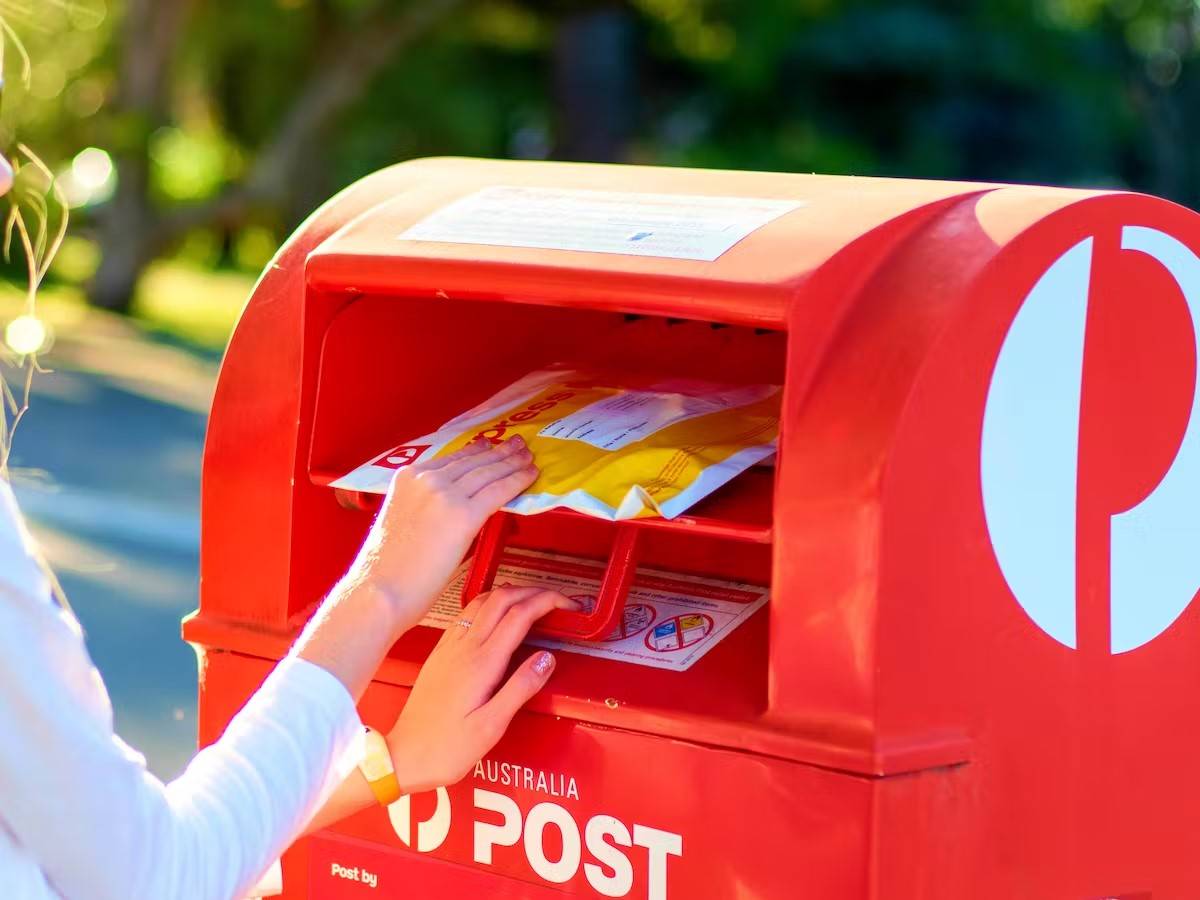
We use Australia Post Letter Postage for the majority of orders.
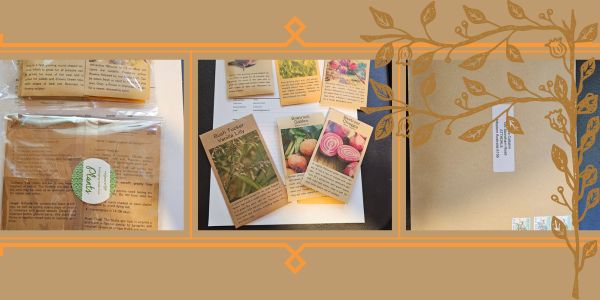
Not only are our seeds packed in recycled paper envelopes, we keep the theme going when we post out website orders. To protect your seeds from moisture and the letter box munchers (snails), we use a very special plastic free material made from plants. They are then put into recycled mailing envelopes. Green all the way ????????
Delivery Guarantee
We take great care to make sure your seeds arrive safely. If your order is lost or damaged in transit, we’ll happily send a replacement. Unfortunately, we can’t replace or refund orders that arrive later than the estimated delivery date, as delays can sometimes occur that are outside our control.
Please note that all dispatch and delivery times listed are estimates only. While we do our best to post promptly, delivery timeframes can vary due to postal service delays, weather events, or other unforeseen circumstances. We’re unable to take responsibility for any loss, damage, or cost that results from a late delivery.
An order is not considered missing until at least 20 business days have passed from the postage date. You’ll receive an email once your seeds have been posted, letting you know they’re on their way. If you don’t see it in your main inbox, please check your Spam or Promotions folders as sometimes our emails like to hide there.

Reviews
There are no reviews yet