





Orientale Poppy
$4.95
Papaver Orientale
- Seed Count 350
- Huge Billowing Flowers
- Perennial
- Height 90 cm
Only 10 left in stock
Description
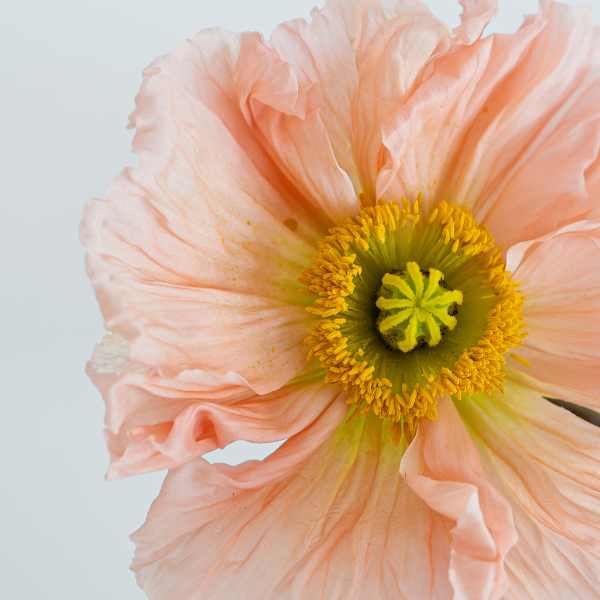
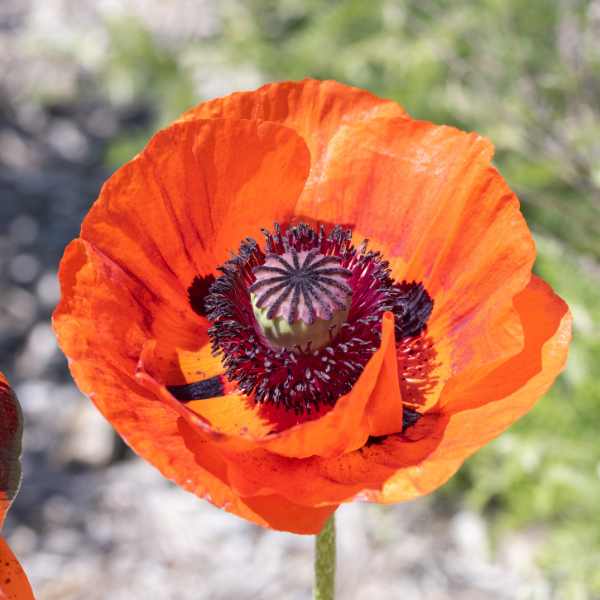
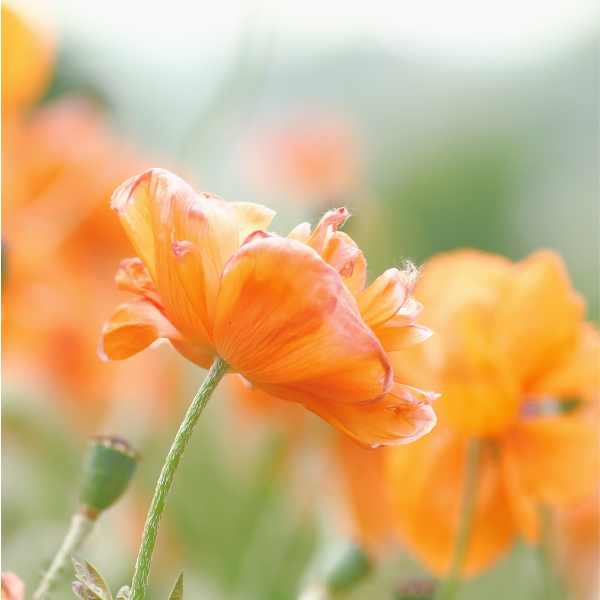
There’s something about the Orientale Poppies that feels almost theatrical. From the moment their buds appear, covered in a fine, soft down, they promise something wonderful. As the pods swell and begin to crack, the petals inside are folded tight like tissue paper, only to unfurl into silken waves once they open. Each plant sends up tall, sturdy stems crowned with immense 15 to 20 centimeter blooms in salmon, orange and scarlet red. The foliage of grows low and dense, forming a soft mound of grey-green leaves that anchor the taller stems above.
When in full bloom, these poppies can reach around 75 centimeters in height, giving borders a lovely sense of movement and rhythm. They work well with early summer perennials, and hold their own alongside soft grasses or silvery foliage, bringing balance and brightness to mixed plantings.
For all their showy appearance, Oriental Poppies are not the least bit demanding. They thrive in ordinary garden soil and are perfectly content in most sites across Australia. They’ll reward you best, though, in a sunny, well-drained position that lets their roots stay comfortable and dry. They are remarkably resilient and long-lived, returning faithfully year after year with very little fuss.
They are virtually care-free once established, happy through frost, and able to retreat gracefully during the high heat of summer. When the temperatures climb, they simply die back for a short rest, conserving their energy underground until the cooler days of autumn coax them to return.
Oriental Poppies make excellent cut flowers, with each stem offering days of enjoyment in a vase. Whether displayed on a kitchen table or in a rustic jug by the window, they carry the simple joy of the garden into the home. The seed pods are another treasure. Once the petals have fallen, the rounded pods dry to a pale straw colour and are often used in dried arrangements or wreaths.
| Method: Sow direct or seedlings | Soil Temp: 10°C - 25°C |
| Cool Mountain: Nov - Dec | Position: Full Sun |
| Arid: Aug - Jan | Row Spacing: 30 cm |
| Temperate: Sep-Nov, Mar-Jun | Planting Depth: 3 mm |
| Sub Tropical: May - Oct | Harvest: 140 Days |
| Tropical: Jun - Aug | Plant Height: 60cm |
🌺 Poppy Grow Guide
🌱 Overview
Poppies are elegant flowering plants grown for their delicate, papery blooms, ornamental seed pods, and ability to create soft cottage-style colour in garden beds, borders, wildflower patches, and containers. Depending on the type, flowers may be red, pink, white, orange, yellow, purple, apricot, or mixed shades, often with dark centres or silky petals.
Poppies are generally easy to grow from seed, but they have one important preference: they dislike root disturbance. Their seedlings form a fine root system and often struggle if moved too late or handled roughly. For that reason, direct sowing is usually the most reliable method.
Grow only seed that is legally sold for ornamental, garden, or culinary purposes, and do not use poppies for unsafe or unlawful purposes.
🌰 Seed Pre-Treatment
Seed pre-treatment is usually not required. Poppy seed is naturally small and generally germinates well without soaking, nicking, smoke treatment, or chilling.
The main requirement is shallow sowing. Poppy seed should be scattered on the soil surface or covered with only the finest dusting of soil, sand, or seed-raising mix. If buried too deeply, germination can be poor.
Because the seed is tiny, it can be mixed with a little dry sand before sowing. This makes it easier to spread thinly and evenly.
🪴 Sowing in Trays vs Direct Sowing
Poppies can be started in trays, but direct sowing is usually the best method. This is because poppies dislike being transplanted, and root disturbance can cause weak growth, stunting, or failed plants.
For direct sowing, prepare a fine, weed-free patch of soil. Scatter the seed thinly over the surface, press it gently into the soil, and cover with only a very light dusting if needed. Water gently with a fine spray so the seed is not washed away. Keep the surface lightly moist until seedlings appear.
Tray sowing can work if you need more control, but it should be done carefully. Use small individual cells, soil blocks, or biodegradable pots rather than a large shared tray. Sow only a few seeds per cell and thin to the strongest seedling. Transplant while seedlings are still small, before roots become crowded. Handle the root ball gently and avoid teasing the roots apart.
For most gardeners, direct sowing into the final position is best, especially for annual poppies and wildflower-style plantings.
☀️ Soil and Position
Poppies grow best in a sunny, open position with good airflow. Strong light encourages sturdy stems and better flowering. In too much shade, plants may become stretched, floppy, and less floriferous.
The soil should be free draining and moderately fertile. Poppies do not need overly rich soil. In fact, heavy feeding can lead to soft leafy growth and fewer flowers. A light, crumbly soil is ideal.
If the soil is heavy clay, improve drainage before sowing by loosening the surface and adding compost sparingly. Raised beds or mounded areas can help prevent wet roots. Avoid soggy positions, especially for young seedlings.
Poppies also grow well in pots, provided the container is deep enough and drains freely. Use a quality potting mix and avoid letting the pot sit in water.
💧 Care and Maintenance
Poppies are fairly low-maintenance once established. The most important early tasks are gentle watering, thinning, and weed control.
Keep the soil lightly moist while seeds germinate and seedlings are small. Once plants are established, water deeply when the soil dries, rather than giving frequent shallow watering. Avoid overwatering, as constantly wet soil can cause root problems.
Thin seedlings early so each plant has enough space. Crowded poppies may grow weak, spindly, and more prone to mildew. When thinning, snip unwanted seedlings at soil level rather than pulling them out, as pulling can disturb nearby roots.
Avoid heavy fertiliser. A small amount of compost or a gentle flower fertiliser is usually enough if soil is poor. Too much nitrogen can reduce flowering.
Deadheading spent blooms can extend flowering in many ornamental types. However, if you want decorative seed pods or saved seed, leave selected flowers on the plant to mature.
Tall poppies may need light support in windy gardens. Place twiggy sticks, low plant supports, or companion plants nearby before stems become heavy.
🌼 Companion Planting Guide
Poppies work beautifully with plants that enjoy sunny, open, free-draining conditions. Good companions include cornflowers, calendula, alyssum, marigolds, chamomile, lavender, rosemary, thyme, yarrow, snapdragons, larkspur, nigella, native grasses, and paper daisies.
Low-growing companions such as alyssum can help attract beneficial insects without overwhelming poppy seedlings. Upright flowers like cornflowers and snapdragons create height and colour contrast. Aromatic herbs such as lavender, rosemary, and thyme suit similar drainage and help bring pollinators into the garden.
Avoid planting poppies with dense, sprawling, or overly vigorous plants that may shade young seedlings. Poppies do not compete well when small, so keep them away from aggressive groundcovers or heavy-feeding vegetables that need rich, moist soil.
✂️ How to Harvest
Poppies can be harvested as cut flowers, decorative seed pods, or seed.
For fresh flowers, cut stems when the bud is just beginning to open and show colour. Use clean snips and cut in the cooler part of the day. Some poppy stems release sap after cutting, so the cut end can be briefly sealed in hot water before arranging. This can help improve vase life.
For decorative pods, allow the petals to fall naturally and let the seed pod swell and firm on the plant. Cut pods once they are mature and dry enough to hold their shape. Hang them upside down or stand them upright in a dry, airy place.
For seed, wait until the pods are fully dry and the seed rattles inside. Harvest before pods split too much or shed seed into the garden.
Only use seed for eating if it comes from a safe, clearly edible seed source and the plants have not been treated with unsafe sprays.
⚠️ Common Issues and Fixes
| Issue | Likely Cause | Fix |
|---|---|---|
| Poor germination | Seed buried too deeply, old seed, or dry soil surface | Surface sow, use fresh seed, and keep the surface lightly moist |
| Seed washes away | Watering too strongly | Use a fine mist or gentle watering rose |
| Seedlings disappear | Birds, ants, slugs, snails, or drying soil | Protect the seedbed, water gently, and monitor pests early |
| Seedlings collapse | Damping-off from excess moisture or poor airflow | Avoid overwatering, thin seedlings, and improve airflow |
| Plants stay small | Root disturbance, poor soil, or overcrowding | Direct sow where possible, thin early, and avoid transplant shock |
| Leggy growth | Too much shade or crowding | Grow in stronger light and thin seedlings properly |
| Few flowers | Too much nitrogen, not enough sun, or stress | Reduce feeding, increase sunlight, and water more evenly |
| Yellowing leaves | Waterlogging, nutrient stress, or natural ageing | Improve drainage, avoid soggy soil, and remove spent lower leaves |
| Powdery mildew | Crowding, humidity, or poor airflow | Space plants well, water at soil level, and remove badly affected leaves |
| Flowers drop quickly | Heat stress, dry soil, or natural short bloom life | Water deeply, mulch lightly, and harvest blooms earlier |
| Stems flop | Wind, weak light, or tall variety | Provide support and grow in open sun |
| Pods mould before drying | Wet weather or poor airflow | Harvest mature pods before prolonged damp conditions and dry indoors |
🌾 Seed Saving Guide
Poppies are excellent plants for seed saving because the seed pods are easy to recognise and usually produce plenty of seed. Choose the healthiest plants with strong stems, good flower colour, attractive form, and good garden performance.
Allow selected flowers to remain on the plant after the petals fall. The seed pod will swell, firm, and gradually dry. Do not collect too early. Immature seed may be pale, soft, or low in viability.
When the pod is dry and the seed rattles inside, cut the stem and place the pod upside down in a paper bag. You can also hold the pod over a clean bowl and gently shake it. Mature seed will fall out through the small openings near the top of the pod.
Spread the seed on paper or a shallow tray for several days to make sure it is fully dry. Remove bits of pod, dust, and chaff as best you can. Discard any seed that looks mouldy, damp, or clumped.
Store the dry seed in a labelled paper envelope inside an airtight jar. Keep it somewhere cool, dark, and dry. Label it with the plant name, flower colour, height, collection date, and any notes about the parent plant.
If you grow several different poppy types close together, saved seed may not produce exactly the same flower colours or forms as the parent plants. To keep a particular type more consistent, save seed from plants growing with similar flowers nearby and remove off-types before they shed seed.
Poppy seed is tiny, so take care when opening packets or envelopes. Work over a tray or sheet of paper so spilled seed can be collected easily.
🌟 Final Thoughts
Poppies are graceful, rewarding flowers that bring softness, movement, and colour to the garden. They are simple to grow once their main needs are understood: shallow sowing, minimal root disturbance, good sunlight, free-draining soil, and gentle early watering.
For most gardeners, direct sowing is the best method because it lets poppies grow naturally without transplant shock. Thin seedlings early, avoid overfeeding, leave some pods for seed, and these beautiful flowers can return year after year through saved seed or self-sown plants.
2 reviews for Orientale Poppy
Postage Charge
Orders under $40 attract a $5.50 shipping charge. Orders $35 and above have free shipping.
*** We cannot deliver to Parcel Lockers ***
Order Times
Seed orders are normally dispatched within three business days. You will receive an email when seeds are mailed out.
Postage Days
Seeds are mailed out Tuesday to Friday at 1pm. Except for the Friday of long weekends.
Postage Times
WA 2-3 Days: SA,NT 3-5 Days: NSW, ACT, QLD, VIC: 5-7 Days
Carrier
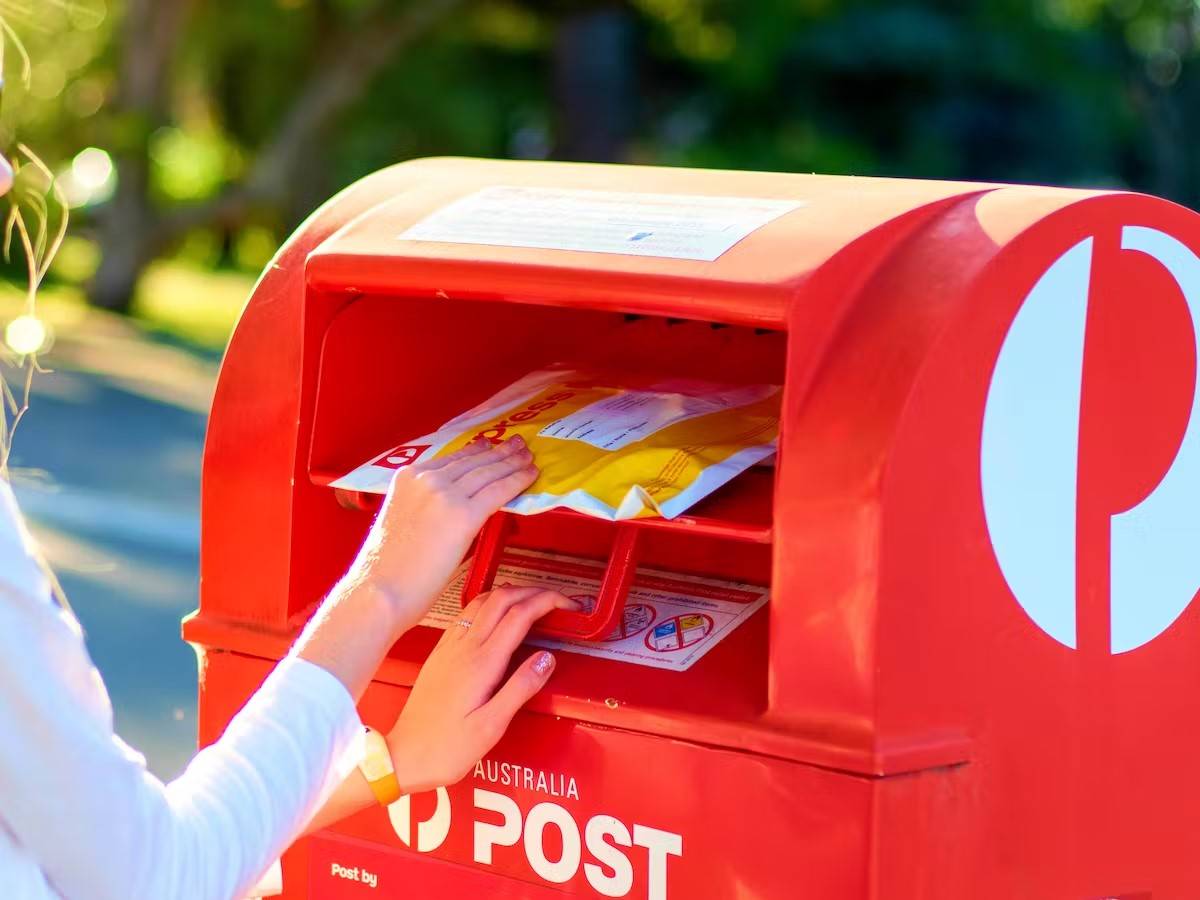
We use Australia Post Letter Postage for the majority of orders.
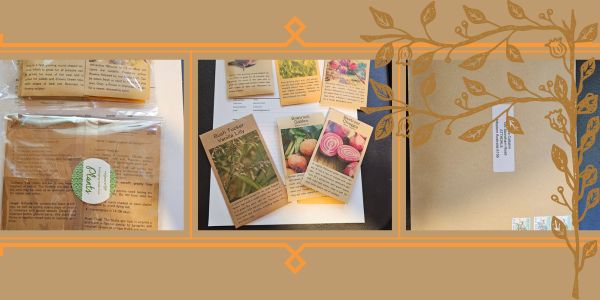
Not only are our seeds packed in recycled paper envelopes, we keep the theme going when we post out website orders. To protect your seeds from moisture and the letter box munchers (snails), we use a very special plastic free material made from plants. They are then put into recycled mailing envelopes. Green all the way ????????
Delivery Guarantee
We take great care to make sure your seeds arrive safely. If your order is lost or damaged in transit, we’ll happily send a replacement. Unfortunately, we can’t replace or refund orders that arrive later than the estimated delivery date, as delays can sometimes occur that are outside our control.
Please note that all dispatch and delivery times listed are estimates only. While we do our best to post promptly, delivery timeframes can vary due to postal service delays, weather events, or other unforeseen circumstances. We’re unable to take responsibility for any loss, damage, or cost that results from a late delivery.
An order is not considered missing until at least 20 business days have passed from the postage date. You’ll receive an email once your seeds have been posted, letting you know they’re on their way. If you don’t see it in your main inbox, please check your Spam or Promotions folders as sometimes our emails like to hide there.

I was pleased with the choice of seeds you have, thete is a good selection
See all our verified customer reviews on our official CusRev profile.
See all our verified customer reviews on our official CusRev profile.