




Oregano Greek
$4.95
Origanum Hirtum
- Seed Count 1000
- Classic Culinary Oregano
- Perennial
Only 5 left in stock
Description
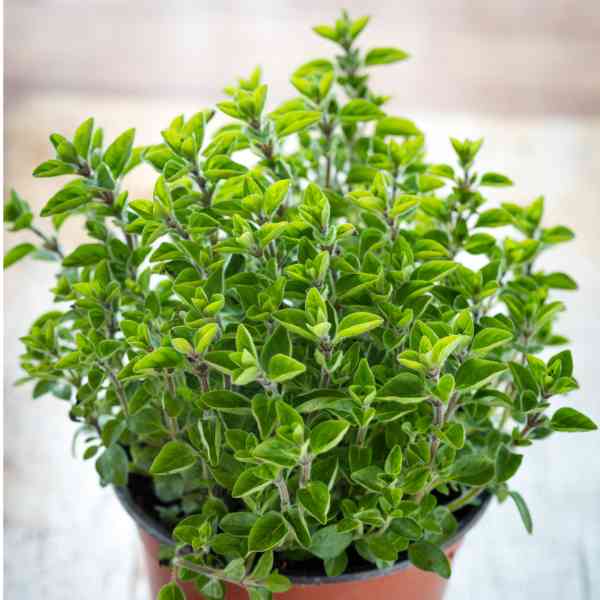
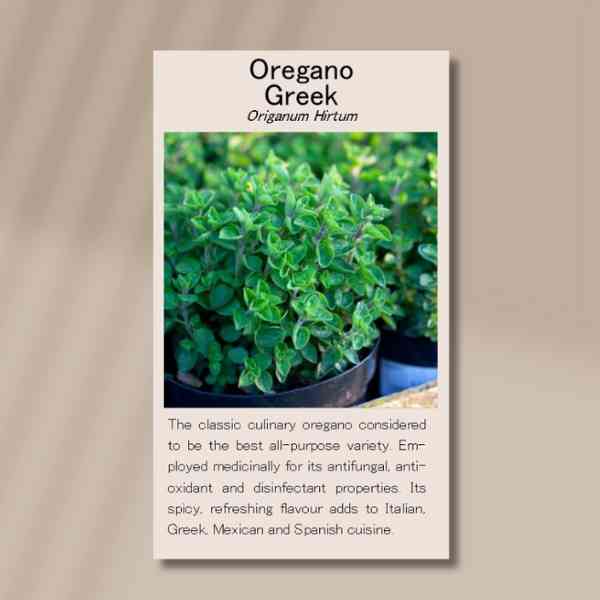
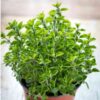
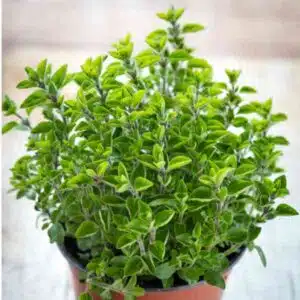
Greek Oregano is the classic, robust oregano you know from your favourite Mediterranean dishes. Whether you’re sprinkling it over pizza, adding it to tomato-based sauces, or steeping it into a comforting herbal tea, this variety delivers the bold, earthy depth that makes oregano such a kitchen staple. It’s widely considered the best all-purpose culinary oregano and once you grow it yourself, it’s easy to see (and smell, and taste) why.
Greek Oregano has been part of the culinary world for thousands of years. A Mediterranean native, it’s been carried across continents beloved by cooks and herbalists alike. This is the oregano that sings in Italian pasta sauces, deepens the flavour of Greek lamb dishes, and livens up rustic Spanish and Mexican meals. It offers a spicy, warming note with a slightly peppery edge and a surprisingly fresh finish that is sharp enough to cut through rich dishes, yet mellow enough to complement more delicate flavours like lemon, garlic, and tomato.
Greek Oregano isn’t just flavourful, it has long been valued for its antioxidant, antifungal, and antimicrobial properties. Herbalists have used it in everything from respiratory teas to oil infusions for topical use.
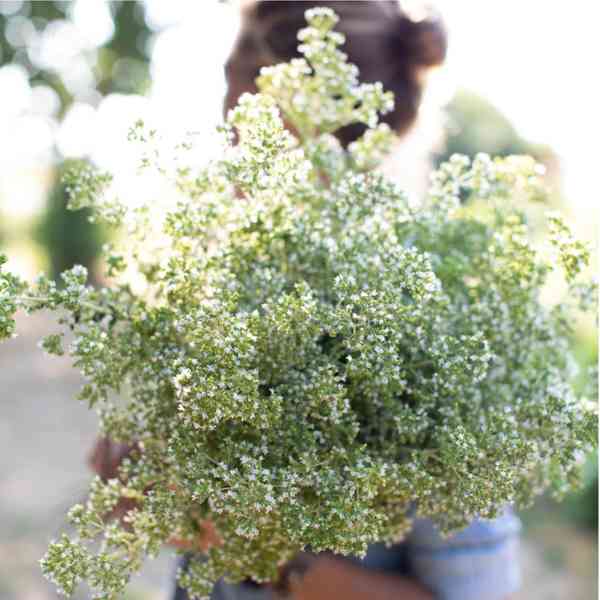
During the height of summer, Greek Oregano bursts into bloom, producing upright clusters of small white flowers that almost blanket the plant. These blooms are a magnet for pollinators and you will see bees, hoverflies, and native insects busily gathering nectar among the stems. It’s a wonderful way to bring more life and movement into your garden.
And if you’re into flower arranging or drying herbs for display, Greek Oregano’s flowering stems are beautiful as a cut flower and dry well too. Their soft colour and upright form make them an excellent addition to rustic bouquets or dried wreaths. Just snip them at their peak and hang upside-down in a dark, dry place—the results are well worth the wait.
???? A Note on Names & Varieties
There’s a lot of oregano out there, and it can get confusing. The name “oregano” is used for a wide variety of plants—some milder, some more ornamental, and some, like this one, perfect all-rounders. Greek Oregano (Origanum hirtum) is not the same as common oregano (Origanum vulgare), which tends to be more woody, less fragrant, and less flavourful. Look for hirtum if you’re after culinary strength, vigorous growth, and classic oregano punch.
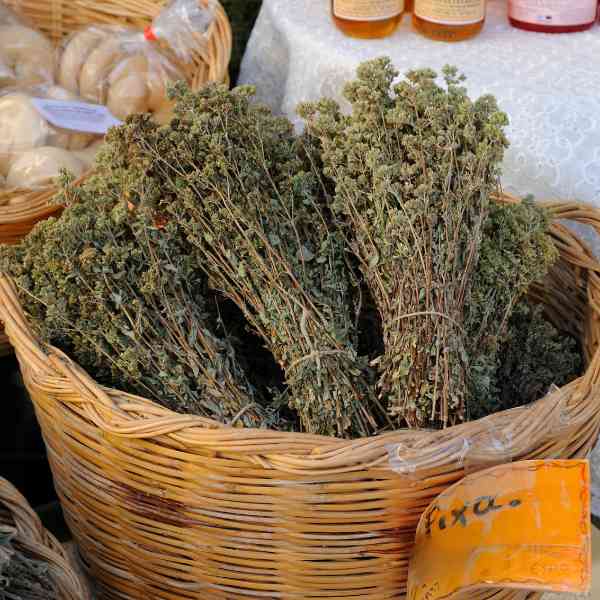
This is the variety you want if you’re drying herbs for pantry use. It keeps its flavour well after drying and even intensifies slightly. The leaves can be crumbled into spice mixes, herbal rubs, or stored whole to retain maximum aroma. You’ll be amazed at the difference between your home-dried oregano and the dusty stuff from the supermarket.
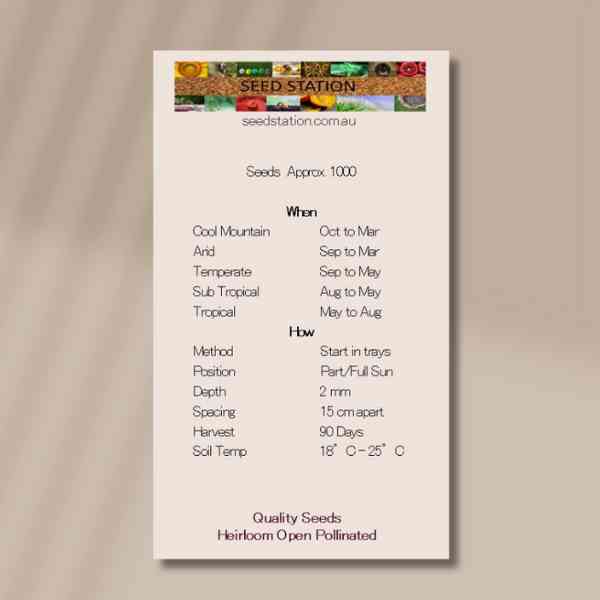
| Method: Start in trays | Soil Temp: 18°C - 25°C |
| Cool Mountain: Oct - Mar | Position: Full Sun/ Part Shade |
| Arid: Sep - Mar | Row Spacing: 15cm apart |
| Temperate: Sep - May | Planting Depth: 2mm |
| Sub Tropical: Aug - May | Harvest: 90 Days |
| Tropical: May - Aug | Plant Height: 60cm |
🌿 Oregano Grow Guide
Oregano is a hardy, aromatic herb grown for its strongly flavoured leaves, spreading growth, and excellent use in cooking. It is a favourite in herb gardens, pots, edging, rockeries, vegetable beds, and dry-style garden plantings. Once established, oregano is tough, productive, and fairly low maintenance, especially when grown in a sunny position with free-draining soil.
The flavour is usually strongest when the plant is grown a little lean rather than overfed. Rich, wet soil can produce soft growth with less aroma, while bright sun, moderate feeding, and careful watering help create stronger oils in the leaves. Oregano is also useful for attracting bees and beneficial insects when allowed to flower.
🌱 Sowing in Trays Versus Direct Sowing
Oregano can be direct sown, but sowing in trays is usually the best method. The seed is very small, and seedlings are delicate at first, so trays give better control over moisture, light, spacing, and protection from pests.
To sow in trays, use a fine seed-raising mix and scatter the seed thinly over the surface. Press it gently into the mix and cover only with the lightest dusting of fine mix or vermiculite. Do not bury the seed deeply. Keep the mix evenly moist but never soggy, and place the tray somewhere bright with good airflow.
Once seedlings are large enough to handle, move them into small pots or cells. Grow them on until they are sturdy and well-rooted before planting out. Handle seedlings gently by the leaves rather than the stem.
Direct sowing can work in a finely prepared, weed-free bed, but it is less reliable because the tiny seedlings can dry out, be washed away, or be overtaken by weeds. For most home gardens, pots, and herb beds, tray sowing is the more reliable choice.
💧 Seed Pre-Treatment
Oregano seed does not need special pre-treatment. There is no need for soaking, chilling, scarifying, smoke treatment, or heat treatment.
Fresh seed, shallow sowing, bright light, and steady moisture are the most important factors. Because the seed is tiny, it should be sown close to the surface. If buried too deeply, germination may be poor.
Water gently with a mist spray or fine rose watering can so the seed is not displaced. Keep the surface lightly moist until seedlings appear, then gradually reduce excess moisture to prevent fungal problems.
🌏 Soil and Position
Oregano grows best in full sun. Strong light encourages compact growth, better flavour, and more aromatic leaves. In too much shade, the plant may become stretched, soft, and less flavoursome.
The soil should be well-drained, light, and moderately fertile. Oregano dislikes heavy, wet soil. If your soil is clay-based or compacted, improve drainage with compost and grow the plant in a raised bed, mound, or pot. Avoid fresh manure and heavy feeding, as overly rich soil can reduce flavour and create weak growth.
Oregano is excellent in containers. Use a quality potting mix with good drainage, and choose a pot with drainage holes. Terracotta pots are useful because they allow the mix to dry more evenly. Avoid leaving pots sitting in saucers of water.
A slightly dry, open position suits oregano better than a damp, crowded one. Good airflow helps keep foliage healthy and reduces disease.
🪴 Care and Maintenance
Oregano is easy to care for once established. Water young plants regularly while they settle in, but avoid keeping the soil constantly wet. Mature plants prefer a deep watering followed by a slight drying period.
Mulch lightly if needed, but do not pack mulch against the crown of the plant. In damp conditions, too much mulch can hold moisture around the stems and encourage rot.
Feed sparingly. A small amount of compost, worm castings, seaweed solution, or gentle organic fertiliser is usually enough. Too much fertiliser can produce lush, soft leaves with weaker flavour.
Trim oregano regularly to keep it bushy. Pinching or cutting the tips encourages side shoots and prevents the plant from becoming woody and leggy. After flowering, cut the plant back lightly to refresh growth and keep it tidy.
If oregano becomes old, woody, and sparse in the centre, trim it back gradually or replace it with a younger plant. Potted oregano may need repotting when roots fill the container or growth slows.
🌼 Companion Planting Guide
Oregano is a strong companion plant because its flowers attract bees, hoverflies, lacewings, and other beneficial insects. It is especially useful around vegetable beds, herb gardens, and pollinator-friendly borders.
Good companions include tomato, capsicum, eggplant, cucumber, zucchini, beans, carrot, beetroot, cabbage, broccoli, cauliflower, rosemary, thyme, sage, basil, parsley, chives, marigold, calendula, alyssum, lavender, and salvia.
Oregano pairs especially well with other sun-loving herbs such as thyme, rosemary, sage, and lavender, as they enjoy similar drainage and light conditions. It can also be planted near vegetables to attract pollinators and helpful insects when flowering.
Avoid planting oregano beside moisture-loving plants that need rich, constantly damp soil. It is not ideal beside mint, watercress, or lush leafy greens if those plants are kept very wet. Also avoid letting oregano crowd small seedlings, as established plants can spread and compete for space.
✂️ How to Harvest
Oregano leaves can be harvested once the plant has enough growth to recover well. Pick small amounts from young plants, then harvest more heavily once the plant is established.
For fresh use, snip sprigs with clean scissors, cutting just above a leaf joint. This encourages the plant to branch and produce more stems. The young, tender tips have the best texture and are excellent in sauces, pizzas, roasted vegetables, marinades, soups, and herb oils.
For drying, harvest longer stems just before or as flower buds begin to form, when flavour is usually strongest. Tie small bunches and hang them upside down in a dry, airy, shaded place. Once fully dry, strip the leaves from the stems and store them in an airtight jar away from light and heat.
Avoid removing all the growth at once. Always leave enough leafy stems so the plant can keep feeding itself and regrow strongly.
⚠️ Common Issues and Fixes
| Issue | Likely Cause | Fix |
|---|---|---|
| Poor germination | Seed buried too deeply, old seed, or dry surface mix | Sow shallowly, use fresh seed, and keep the surface lightly moist |
| Seedlings collapsing | Overwatering, poor airflow, or fungal disease | Use free-draining mix, water gently, and improve airflow |
| Tall, weak seedlings | Not enough light or overcrowding | Move to brighter light and thin or pot on early |
| Pale, soft growth | Too much shade or too much fertiliser | Grow in stronger light and reduce feeding |
| Weak flavour | Overwatering, rich soil, or low light | Provide full sun, improve drainage, and feed lightly |
| Yellowing leaves | Waterlogged soil, nutrient stress, or old leaves | Check drainage, reduce watering, and trim old growth |
| Brown or rotting stems | Wet soil, poor airflow, or mulch against the crown | Improve drainage, space plants well, and keep mulch away from stems |
| Woody, sparse plant | Ageing growth or lack of trimming | Prune regularly and refresh with younger growth |
| Leaves drying and crisping | Pot drying out too severely or heat stress | Water deeply, check pots often, and provide light protection during harsh exposure |
| Aphids on soft tips | Tender new growth attracting pests | Spray off with water, trim affected tips, and encourage beneficial insects |
| Chewed leaves | Caterpillars, beetles, slugs, or snails | Inspect regularly, remove pests by hand, and protect young plants |
| Poor growth in pots | Exhausted mix, root crowding, or poor drainage | Repot into fresh free-draining mix and trim lightly |
🌾 Seed Saving Guide
Oregano can be saved from seed by allowing selected plants to flower and mature fully. Choose the healthiest plants with strong aroma, compact growth, good leaf production, and strong overall vigour. Avoid saving seed from weak, diseased, poorly flavoured, or badly pest-damaged plants.
Let some flower stems remain on the plant instead of trimming them off. The small flowers will fade and form tiny seed heads along the stems. Allow these seed heads to dry on the plant as much as possible. They are ready when the stems and flower heads become dry, brown, and papery.
If wind or wet weather threatens, cut the nearly dry flower stems and place them upside down in a paper bag. Keep the bag in a dry, airy, shaded place so the seed can finish drying. The paper bag will catch any seed that drops.
Once fully dry, rub the flower heads gently between your fingers to release the tiny seeds. Separate out larger pieces of stem and chaff. Oregano seed is very small, so work over a tray or sheet of paper to avoid losing it.
Spread the seed for a few extra days in a dry, airy place before storage. Once completely dry, store it in a labelled paper envelope or small jar in a cool, dry, dark place. Label it with the plant name, flavour notes if useful, and collection year.
If several oregano types or related herbs are flowering nearby, seedlings may show natural variation. For the most consistent results, save seed from the best plant and continue selecting the strongest, most aromatic seedlings in future generations.
🌿 Final Thoughts
Oregano is one of the most useful herbs for a home garden because it is hardy, flavourful, attractive to beneficial insects, and easy to harvest fresh or dried. It thrives with full sun, excellent drainage, light feeding, moderate watering, and regular trimming.
Tray sowing is the best method because the seed is tiny and the seedlings benefit from early protection. No special seed treatment is needed, making oregano simple to raise from seed.
Once established, oregano becomes a dependable kitchen herb that rewards simple care with fragrant leaves, pollinator-friendly flowers, and plenty of material for drying and seed saving.
2 reviews for Oregano Greek

Postage Charge
Orders under $40 attract a $5.50 shipping charge. Orders $35 and above have free shipping.
*** We cannot deliver to Parcel Lockers ***
Order Times
Seed orders are normally dispatched within three business days. You will receive an email when seeds are mailed out.
Postage Days
Seeds are mailed out Tuesday to Friday at 1pm. Except for the Friday of long weekends.
Postage Times
WA 2-3 Days: SA,NT 3-5 Days: NSW, ACT, QLD, VIC: 5-7 Days
Carrier
We use Australia Post Letter Postage for the majority of orders.
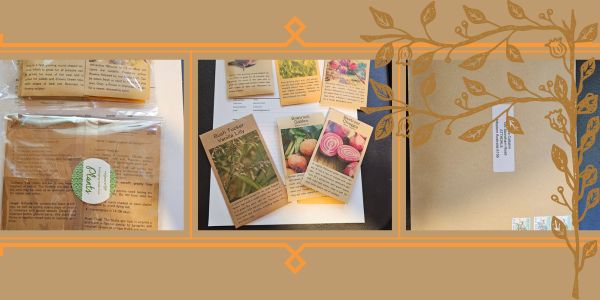
Not only are our seeds packed in recycled paper envelopes, we keep the theme going when we post out website orders. To protect your seeds from moisture and the letter box munchers (snails), we use a very special plastic free material made from plants. They are then put into recycled mailing envelopes. Green all the way ????????
Delivery Guarantee
We take great care to make sure your seeds arrive safely. If your order is lost or damaged in transit, we’ll happily send a replacement. Unfortunately, we can’t replace or refund orders that arrive later than the estimated delivery date, as delays can sometimes occur that are outside our control.
Please note that all dispatch and delivery times listed are estimates only. While we do our best to post promptly, delivery timeframes can vary due to postal service delays, weather events, or other unforeseen circumstances. We’re unable to take responsibility for any loss, damage, or cost that results from a late delivery.
An order is not considered missing until at least 20 business days have passed from the postage date. You’ll receive an email once your seeds have been posted, letting you know they’re on their way. If you don’t see it in your main inbox, please check your Spam or Promotions folders as sometimes our emails like to hide there.
See all our verified customer reviews on our official CusRev profile.
A lovely herb for any garden
See all our verified customer reviews on our official CusRev profile.