


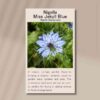

Nigella Miss Jekyll Blue
$4.95
Nigella Damascena
- Seed Count 750
- Easy To Grow
- Height 45 cm
- Annual
In stock
Description
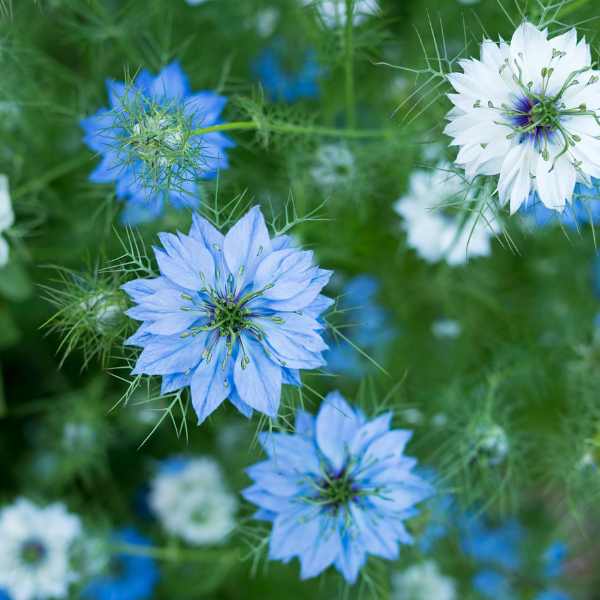
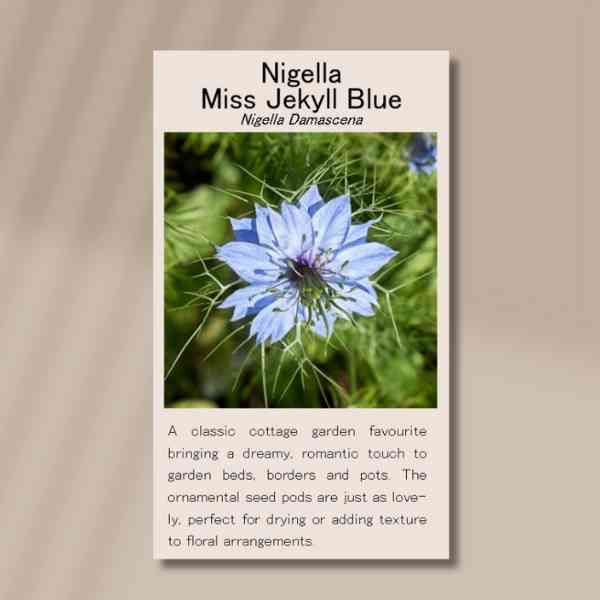
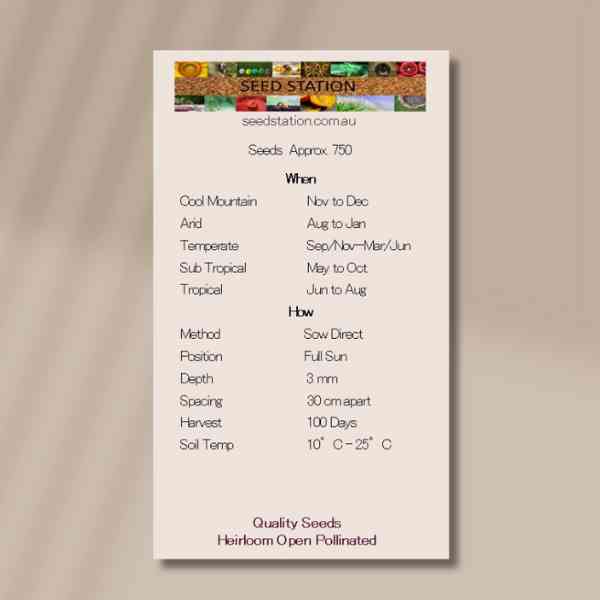
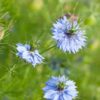
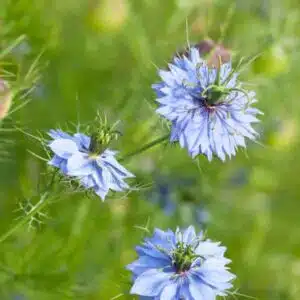
Nigella Miss Jekyll Blue often known by its romantic common name Love in a Mist, this old fashioned annual has been grown in gardens for centuries and it is easy to see why it has endured. There is something gently captivating about its appearance. The soft blue flowers seem to hover above a cloud of fine, feathery foliage, giving the whole plant a light and airy presence.
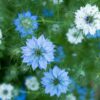
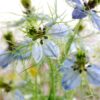
The flowers themselves are a clear, light blue that sits beautifully in the garden and in floral arrangements. Each bloom has a delicate, star like form surrounded by finely cut leaves that look almost like green lace. This contrast between flower and foliage is what gives Love in a Mist its name. The blooms appear to float, as though suspended in a soft green haze. It is one of the most interestingly shaped flowers you will ever come across, not because it is bold or oversized, but because every part of the plant contributes to its charm.
Nigella Miss Jekyll Blue flowers through the warmer months, offering a long and reliable display of colour during summer. In the garden, the effect is gentle and natural rather than formal. The blue tones mix easily with whites, soft pinks, mauves and silvers, making it an easy companion for many other flowers. It looks just as at home weaving through a cottage garden bed as it does scattered through a meadow style planting where it can mingle freely with grasses and other annuals.
it is equally valued as a cut flower. Freshly picked blooms have a delicate beauty that suits both simple bunches and more detailed arrangements. The stems are fine but strong enough to hold their place in a vase, and the flowers add a light, airy quality that lifts heavier blooms around them.
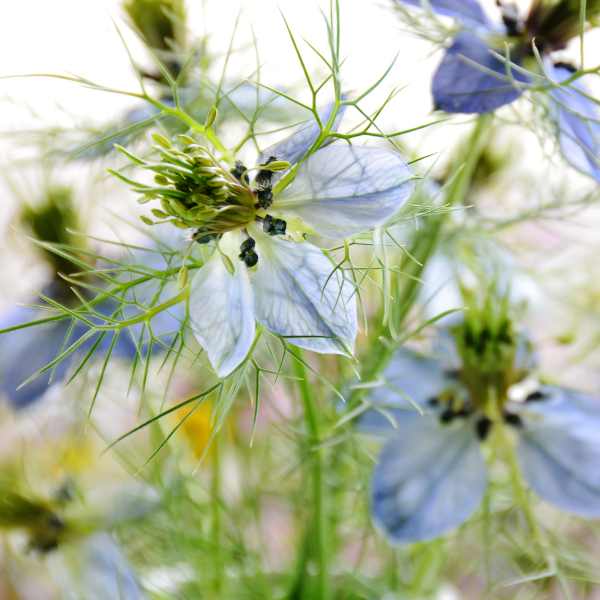
As the flowers fade, Nigella offers another surprise. The seed pods that follow are just as decorative as the blooms themselves. Inflated and intricately shaped, they dry beautifully and are widely used for winter decoration indoors. These pods have a sculptural quality that works well in dried arrangements, wreaths and simple vases. Even on their own, a handful of dried Nigella pods can make a striking display that lasts well beyond the growing season.
Despite its delicate appearance, Love in a Mist is not a fussy flower. It is widely regarded as easy to grow and quick to flower, which has helped secure its place in gardens both large and small. For new gardeners, it offers a satisfying sense of success, while experienced growers appreciate its reliability and timeless appeal. It is one of those plants that tends to quietly take care of itself, leaving you free to enjoy the results.
| Method: Sow direct or seedlings | Soil Temp: 10°C - 25°C |
| Cool Mountain: Nov - Dec | Germination: 7 - 14 Days |
| Arid: Aug - Jan | Position: Part sun |
| Temperate: Sep-Nov, Mar-Jun | Row Spacing: 30 cm |
| Sub Tropical: May - Oct | Planting Depth: 3 mm |
| Tropical: Jun - Aug | Harvest: 100 Days |
🌸 Nigella Grow Guide
Nigella is a charming, easy-going annual grown for its finely cut, feathery foliage, delicate flowers, and decorative seed pods. It is often grown in cottage gardens, borders, wildflower patches, pollinator areas, and informal cut-flower beds. Once established, it is usually low maintenance and can gently self-sow if seed heads are left on the plant.
This guide assumes you are growing ornamental nigella, commonly known as love-in-a-mist.
🌱 Sowing in Trays Versus Direct Sowing
Nigella can be started in trays, but direct sowing is usually the best method. The plant develops a fine root system and does not always enjoy being moved once young growth has begun. Direct sowing allows the seedlings to establish naturally where they will flower, which generally results in stronger plants, better root development, and less transplant shock.
To direct sow, prepare a fine, crumbly seedbed and scatter the seed thinly over the surface. Cover very lightly with soil, about 3 mm deep, then water gently so the seed is not washed away. Keep the area lightly moist until seedlings appear. Once they are large enough to handle, thin them so each plant has enough space for airflow and branching.
Tray sowing can still work well if you need more control over germination or want to protect young seedlings from pests. Use small cells or biodegradable pots to reduce root disturbance. Sow shallowly, keep the mix evenly moist but not soggy, and transplant carefully while seedlings are still young. Avoid letting them become root-bound, as this can reduce vigour later.
For most home gardeners, direct sowing is the preferred method.
🌾 Seed Pre-Treatment
Nigella seed does not usually require pre-treatment. No soaking, chilling, scarifying, or special preparation is normally needed.
Fresh seed generally germinates well when sown shallowly into a well-prepared soil or seed-raising mix. The most important factors are good seed-to-soil contact, gentle moisture, and avoiding deep burial. Old seed may germinate unevenly, so using fresh seed gives the most reliable results.
🌞 Soil and Position
Nigella grows best in a position with full sun to light partial shade. More sun usually produces stronger flowering, while very hot or exposed sites may benefit from a little afternoon protection.
The soil should be free-draining, moderately fertile, and not overly rich. Too much fertiliser, especially high-nitrogen fertiliser, can produce lush leafy growth at the expense of flowers. Before sowing, loosen the soil and remove large clods, weeds, and debris. If your soil is heavy clay, improve drainage with compost and consider creating a slightly raised bed. If your soil is sandy, compost will help it hold moisture without becoming waterlogged.
Nigella suits garden beds, meadow-style plantings, cottage borders, and large containers. In pots, choose a container with good drainage holes and use a quality potting mix. Avoid cramped pots, as restricted roots can lead to smaller plants and fewer flowers.
💧 Care and Maintenance
Nigella is not demanding once established. Keep the soil evenly moist during germination and early growth, then water as needed when the top layer of soil begins to dry. Mature plants tolerate short dry spells, but consistent moisture encourages better flowering.
Thin seedlings early so plants are not crowded. Good spacing improves airflow and reduces disease pressure. Crowded plants may grow weak, stretch toward light, or produce fewer blooms.
Feeding should be minimal. If the soil has been prepared with compost, extra fertiliser is often unnecessary. In poor soil, a light application of balanced organic fertiliser can help, but avoid heavy feeding.
Deadheading encourages a tidier display and can extend flowering, but leaving some flower heads to mature will allow decorative seed pods to form. These pods are one of nigella’s best features and are excellent for dried arrangements.
Weed around young plants carefully because seedlings can be delicate. Once established, their feathery foliage helps cover the soil, but they still benefit from reduced competition.
🐝 Companion Planting Guide
Nigella works beautifully in mixed plantings because it is light, airy, and not overly competitive. It is especially useful in cottage gardens, pollinator borders, and informal flower beds.
Good companions include calendula, alyssum, cornflower, cosmos, poppies, chamomile, marigold, lavender, snapdragon, and flowering herbs. These plants create a diverse garden that attracts bees, hoverflies, and other beneficial insects.
Nigella can be used to fill gaps between taller flowers because its fine foliage softens the planting without smothering neighbouring plants. It also looks lovely near vegetables and herbs where pollinator activity is welcome.
Avoid planting nigella where it will be shaded out by dense, vigorous plants. It does not compete well with heavy feeders or sprawling groundcovers. Keep it away from plants that need very wet soil, as nigella prefers drainage and dislikes sitting in soggy conditions.
✂️ How to Harvest
For fresh flowers, harvest when blooms are newly open. Cut stems in the cooler part of the day and place them straight into clean water. Remove any foliage that would sit below the waterline.
For decorative seed pods, allow the flowers to fade and the pods to swell. Harvest the pods while they are fully formed but before they split open and drop seed. Cut long stems, bunch them loosely, and hang them upside down in a dry, airy place. Once dry, the pods can be used in arrangements or opened for seed collection.
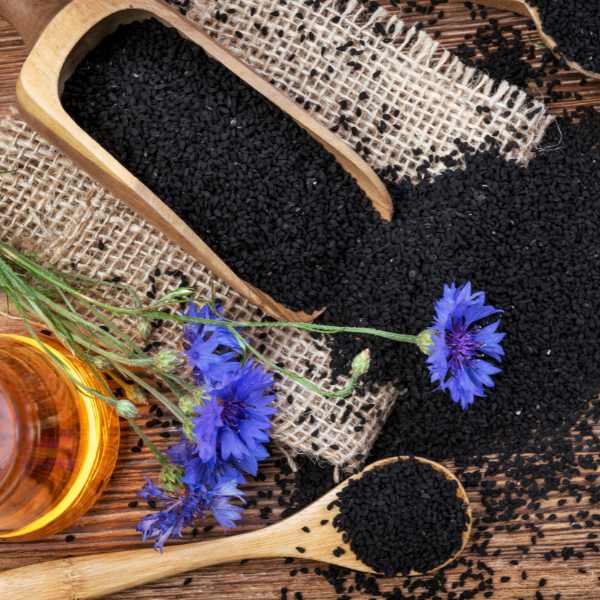
If growing culinary nigella, only harvest seed from plants clearly sold for edible seed use. Ornamental seed should not be assumed suitable for eating unless the packet specifically says so.
⚠️ Common Issues and Fixes
| Issue | Likely Cause | Fix |
|---|---|---|
| Poor germination | Seed buried too deeply, old seed, dry soil | Sow shallowly, use fresh seed, keep soil lightly moist |
| Seedlings collapse | Overwatering, poor airflow, fungal disease | Water less often, improve drainage, thin crowded seedlings |
| Weak, leggy growth | Too much shade or overcrowding | Move to a brighter position next time and thin seedlings early |
| Lots of leaves but few flowers | Soil too rich or too much nitrogen | Avoid heavy fertiliser and grow in moderately fertile soil |
| Plants wilt quickly | Dry soil, root disturbance, heat stress | Water deeply, mulch lightly, direct sow where possible |
| Yellowing leaves | Waterlogged soil or nutrient imbalance | Improve drainage and avoid constantly wet soil |
| Aphids | Soft new growth attracting sap-sucking insects | Hose off gently, encourage beneficial insects, use insecticidal soap if needed |
| Powdery mildew | Poor airflow, overcrowding, stressed plants | Thin plants, water at soil level, remove badly affected foliage |
| Seed pods dropping seed too early | Pods left too long on plant | Harvest pods once dry-looking and swollen but before splitting |
🌰 Detailed Seed Saving Guide
Saving nigella seed is simple and worthwhile. Choose the healthiest, strongest plants with the flower colour, height, and form you like best. Allow several flowers to remain on the plant after blooming so they can form seed pods.
As the pods mature, they become swollen and papery. Watch them closely because once fully dry, they can split and scatter seed. Harvest when the pods are dry or nearly dry but still intact. Cut the stems and place them upside down in a paper bag, or lay them on a tray in a dry, shaded, well-ventilated place.
Once fully dry, gently crush or shake the pods to release the seeds. Separate the seed from the chaff by hand or by lightly blowing away the dry plant material. Work slowly, as the seeds are small and easy to spill.
Store the cleaned seed in a labelled paper envelope or small jar. Include the plant name, flower colour if known, and the collection date. Keep the seed in a cool, dark, dry place. Moisture is the main enemy of stored seed, so make sure the seed is completely dry before sealing it in an airtight container.
For the best results, save seed from multiple healthy plants rather than just one. This helps maintain stronger growth and more natural variation in future plantings.
🌼 Final Thoughts
Nigella is a graceful, rewarding flower that asks for very little but gives plenty in return. Its soft foliage, delicate blooms, and ornamental seed pods make it useful from the first flush of growth through to dried arrangements. For best results, sow it directly into well-drained soil, avoid overfeeding, thin seedlings early, and let a few pods mature for seed saving.
With a light touch and a little patience, nigella can become one of those easy garden favourites that returns year after year through saved seed and gentle self-sowing.
Postage Charge
Orders under $40 attract a $5.50 shipping charge. Orders $35 and above have free shipping.
*** We cannot deliver to Parcel Lockers ***
Order Times
Seed orders are normally dispatched within three business days. You will receive an email when seeds are mailed out.
Postage Days
Seeds are mailed out Tuesday to Friday at 1pm. Except for the Friday of long weekends.
Postage Times
WA 2-3 Days: SA,NT 3-5 Days: NSW, ACT, QLD, VIC: 5-7 Days
Carrier
We use Australia Post Letter Postage for the majority of orders.
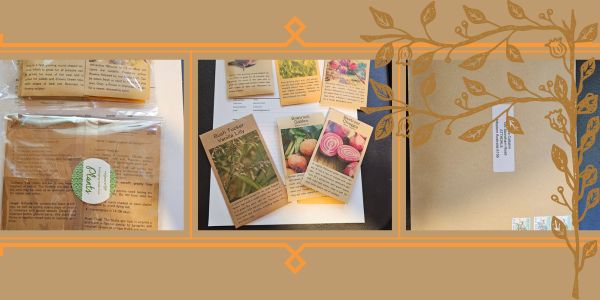
Not only are our seeds packed in recycled paper envelopes, we keep the theme going when we post out website orders. To protect your seeds from moisture and the letter box munchers (snails), we use a very special plastic free material made from plants. They are then put into recycled mailing envelopes. Green all the way ????????
Delivery Guarantee
We take great care to make sure your seeds arrive safely. If your order is lost or damaged in transit, we’ll happily send a replacement. Unfortunately, we can’t replace or refund orders that arrive later than the estimated delivery date, as delays can sometimes occur that are outside our control.
Please note that all dispatch and delivery times listed are estimates only. While we do our best to post promptly, delivery timeframes can vary due to postal service delays, weather events, or other unforeseen circumstances. We’re unable to take responsibility for any loss, damage, or cost that results from a late delivery.
An order is not considered missing until at least 20 business days have passed from the postage date. You’ll receive an email once your seeds have been posted, letting you know they’re on their way. If you don’t see it in your main inbox, please check your Spam or Promotions folders as sometimes our emails like to hide there.
Reviews
There are no reviews yet