Luffa or Loofah: A Natural Sponge From the Garden
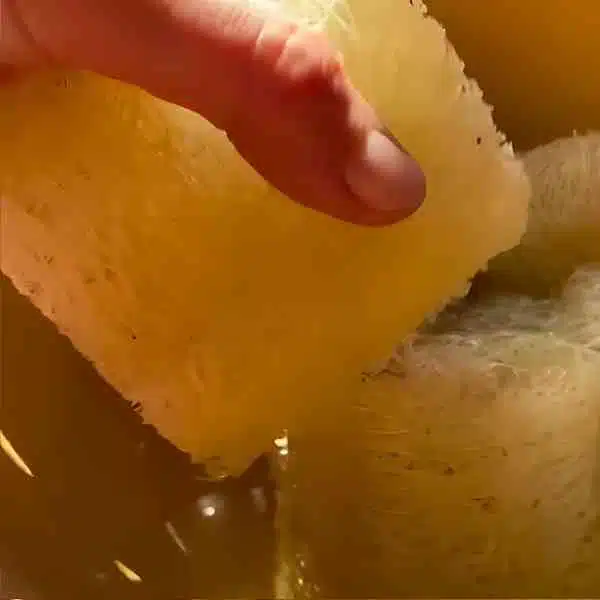
Luffa, also known as loofah, is one of those plants that makes you look at the garden a little differently. At first glance, it is simply a vigorous climbing vine producing long green gourds. Leave those gourds on the vine to fully mature, though, and something quite remarkable happens. Inside, they develop the strong network of natural fibres we know as a loofah sponge.
Most of us are familiar with loofah as a bath or shower sponge, but its uses go well beyond the bathroom. A homegrown luffa can become a dish scrubber, household cleaning sponge, vegetable scrubber or garden cleaning tool, and when it finally wears out, it can simply go into the compost.
Luffa has been cultivated for generations across tropical and subtropical parts of Asia and Africa, both as a food crop and as a useful household plant. Young fruits can be eaten much like zucchini, but gardeners growing luffa specifically for sponges allow the fruit to stay on the vine until it is fully mature.
Botanically, luffa belongs to the Cucurbitaceae family, alongside cucumbers, pumpkins, squash and melons. It grows in much the same way, producing vigorous vines, large leaves, tendrils and bright yellow flowers.
The real difference comes at the end of the growing season.
Instead of harvesting the fruit while it is young and tender, you leave it to mature. As the fruit dries, the flesh disappears and the internal support structure becomes stronger and more fibrous. Peel away the outer skin and you are left with a completely natural sponge.
For gardeners interested in reducing plastic around the home, it is hard to think of many crops that are quite as practical.
For complete sowing and growing instructions, have a look at the Luffa Grow Guide in the product description.
🌿 How Does a Luffa Gourd Turn Into a Sponge?
One of the most interesting things about growing luffa is watching the fruit change as it matures.
Young luffa fruits are green, fleshy and full of moisture. At this stage they look more like an unusual cucumber or zucchini than something you would take into the shower.
As the fruit matures, the soft internal tissue begins to dry. At the same time, a dense network of plant fibres develops inside the gourd. These fibres form the framework that eventually becomes the sponge.
A mature luffa usually changes from green to yellow, tan or brown and becomes noticeably lighter. Give it a gentle shake and you may even hear the dry seeds rattling inside.
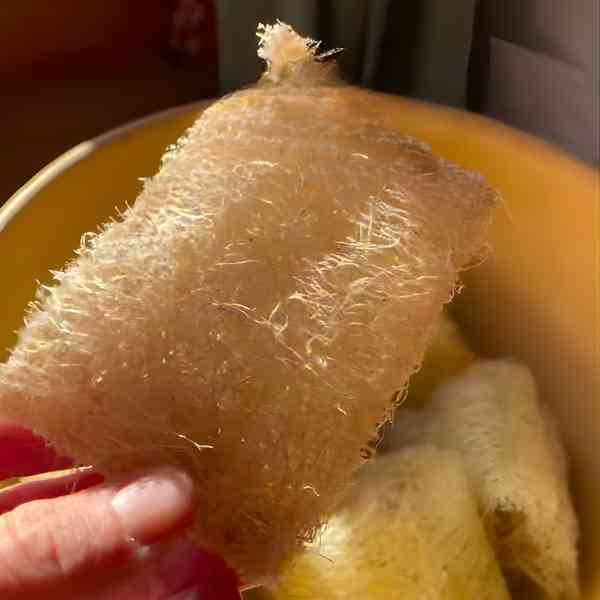
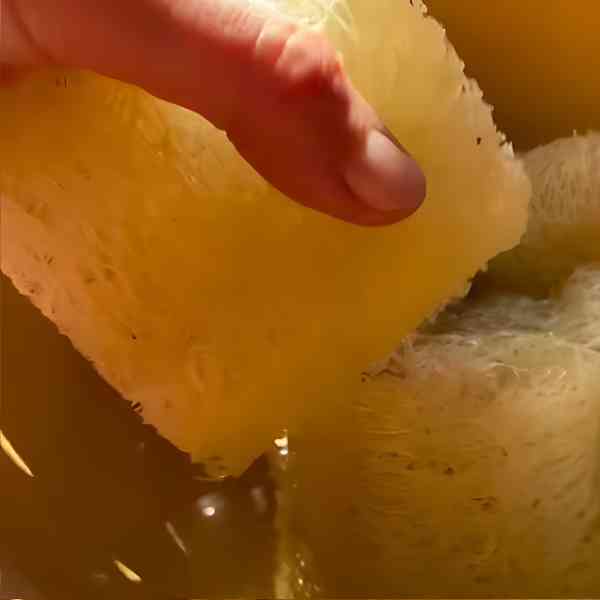
Once opened, there is very little resemblance to the original fleshy fruit. What remains is a firm but flexible mesh of fibres with plenty of open spaces between them.
That structure is exactly what makes luffa so useful. The fibres are strong enough for scrubbing, flexible enough to bend and squeeze, and porous enough to rinse easily.
It really is one of the cleverest transformations you can grow in the backyard.
✂️ When to Harvest Luffa for Sponges
If you are growing luffa specifically to make sponges, harvest timing matters.
Ideally, leave the fruit on the vine for as long as possible so the fibres inside have time to fully develop.
A luffa that is ready for sponge making will generally:
- change from green towards yellow, tan or brown
- feel much lighter than it did when immature
- begin to develop dry or loose skin
- sound somewhat hollow when tapped
- sometimes rattle when shaken as the seeds dry inside
In a warm, dry climate, you may be able to leave the fruit on the vine until the skin is completely dry.
In areas with humid weather, regular rain or an early cool change, you may need to harvest a little earlier and finish drying the gourds somewhere warm and well ventilated. Leaving mature fruit sitting wet on the vine for too long can encourage mould.
Try not to harvest very immature green fruits for sponge making. The internal fibres may not yet be strong enough and can be soft or difficult to separate from the remaining flesh.
Once you have grown a few, judging when they are ready becomes much easier.
🧽 How to Peel and Prepare a Luffa Sponge
This is the satisfying part.
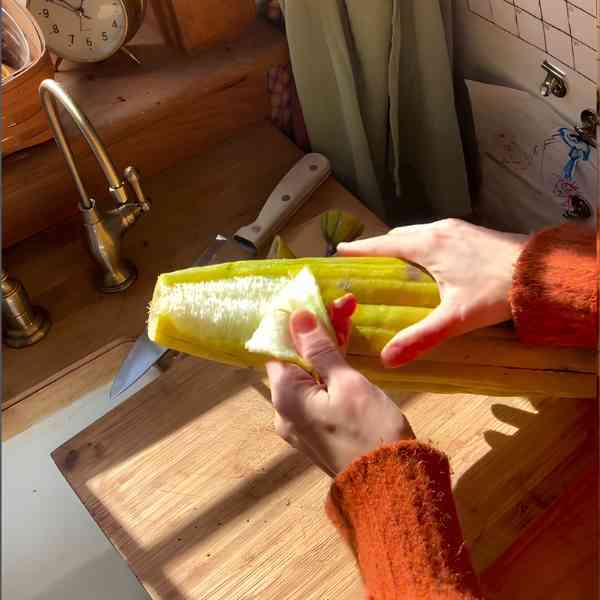
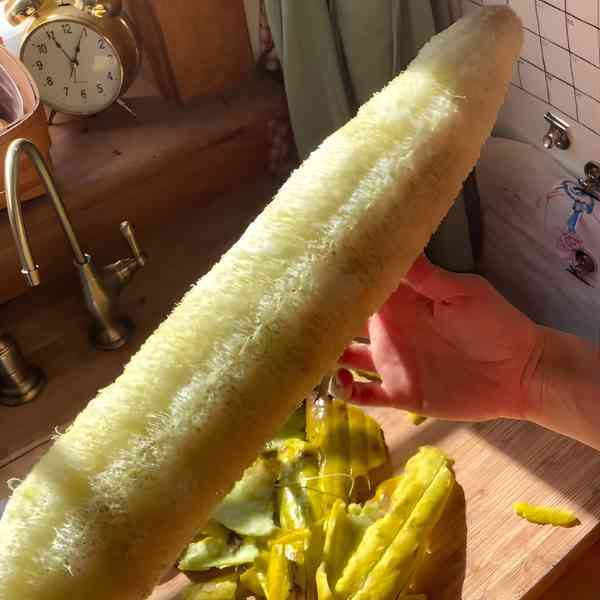
Once the luffa has dried sufficiently, the outer skin needs to come off. If it is completely dry, you may find the skin cracks and peels away quite easily.
You can gently squeeze or roll the gourd between your hands to loosen the skin before peeling it away in sections.
Underneath you will find the pale fibrous sponge.
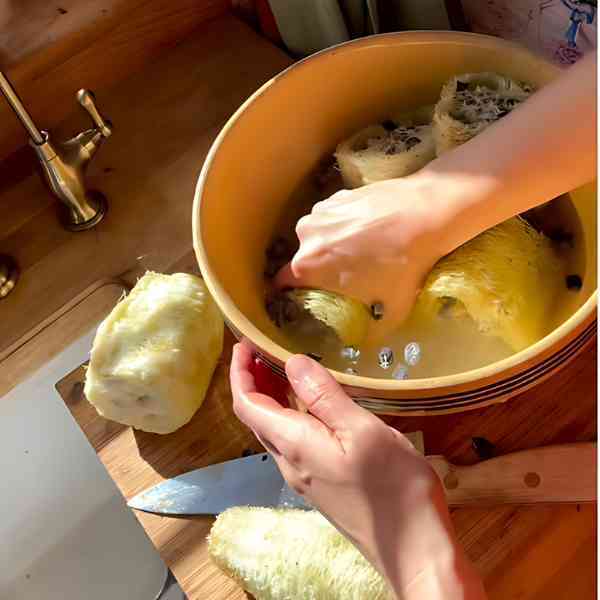
There will usually still be seeds and bits of dried plant material inside, so give the sponge a good shake and squeeze to remove as much as possible. It can be surprising just how many seeds come out of one fruit.
Hold onto some of the best mature seeds if you would like to grow luffa again next season.
Rinse the sponge thoroughly under clean running water, squeezing it several times to flush out remaining debris.
If there are patches of dried flesh still trapped inside, soaking the sponge briefly in warm water can help loosen them.
For staining or discolouration, you can also soak the luffa for around five minutes in warm water with a splash of vinegar, then rinse it thoroughly.
There is no need for a homegrown luffa to be perfectly white. In fact, naturally processed luffa is often cream, beige or slightly uneven in colour.
☀️ Drying Your Luffa Sponge
Once washed, your luffa needs to be completely dried before it is stored or used.
Good airflow is the important part.
On a warm, dry day, simply hang the sponge somewhere airy and allow it to dry naturally. Sunshine can help, but good ventilation is even more important.
If the weather is damp, the luffa can be dried indoors in a warm, well ventilated position.
You can also use a very low oven, around 65°C or 150°F, for a short period if necessary. Check it frequently and never leave it unattended, as the dry plant fibres can scorch.
Once properly dried, the sponge should feel light, firm and completely dry throughout.
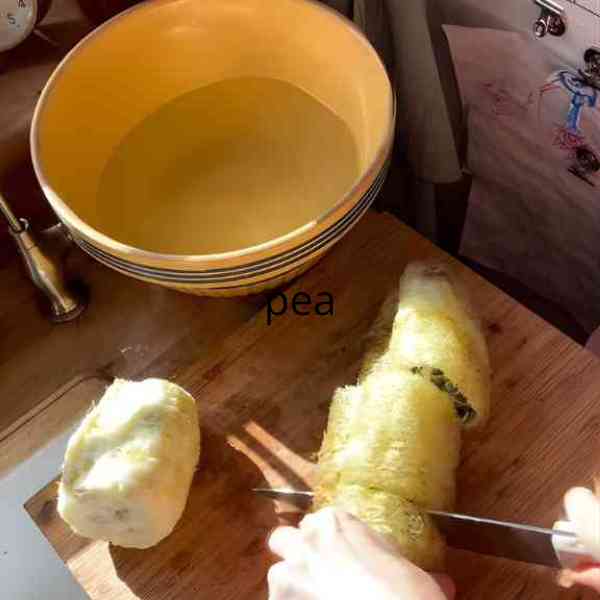
You can leave your luffa whole, cut it into shorter cylinders or slice it lengthways depending on how you want to use it.
I particularly like the smaller sections because they are easy to hold and dry quickly between uses.
A piece of cotton, jute or hemp cord can also be threaded through one end to make a hanging loop.
🚿 Using Luffa as a Bath or Shower Sponge
Probably the best known use for luffa is as a natural body scrubber.
A completely dry luffa can feel surprisingly rough, but once it is soaked in warm water the fibres soften considerably.
Add a little soap or body wash and it works well for gently exfoliating the skin.
It is particularly useful on areas that tend to become rough, such as:
- elbows
- knees
- heels
- feet
You do not need to scrub hard. The fibrous texture does the work for you.
The important thing with a bathroom luffa is allowing it to dry properly between uses. Rinse out soap and skin residue thoroughly, squeeze out excess water and hang it somewhere with plenty of airflow rather than leaving it sitting wet in the shower.
Like any reusable bath sponge, luffa should also be cleaned regularly and replaced when it becomes worn, develops an unpleasant smell or no longer dries properly.
🍽️ Using Luffa as a Kitchen Sponge
This is probably my favourite use because it replaces something most households buy again and again.
Cut a luffa into manageable sections and you have a surprisingly effective plant based dish scrubber.
Once dampened, the fibres soften enough to become flexible while still providing plenty of scrubbing power for plates, bowls, cutlery, sinks and many pots and pans.
Always test it first on delicate or easily scratched finishes.
Another handy option is to cut through one side of a cylindrical section and open it out flat. This creates a flatter scrubber that sits nicely in the hand and works particularly well at the kitchen sink.
Luffa can also be used for:
- scrubbing vegetables
- cleaning sinks
- wiping benchtops
- washing chopping boards
- cleaning garden produce
- scrubbing pots and containers
After using it, rinse it well and leave it somewhere it can dry thoroughly.
One of the big advantages over many synthetic kitchen sponges is that luffa is made entirely from plant fibre. It does not shed synthetic microplastic fibres as it wears down, and once it has reached the end of its useful life it can be composted.
🧹 Other Household Uses for Luffa
Once you have a few luffas growing, you quickly start finding jobs for them everywhere.
They make useful general purpose cleaning scrubbers for tiles, basins, buckets, outdoor furniture and garden equipment.
Smaller pieces are particularly handy because you can keep different ones for different jobs.
A rougher older section that you would no longer use in the shower may still have plenty of life left for cleaning plant pots or garden tools.
They can also be used for gently working at stains on sturdy fabrics before washing, although it is sensible to test delicate materials first.
Eventually a luffa will become softer, thinner or start breaking apart. That does not mean it has been wasted. It has simply reached the end of its working life.
Pop it into the compost and start using another one.
🫧 How to Clean and Care for a Luffa Sponge
The secret to keeping natural luffa in good condition is very simple: keep it clean and let it dry.
After each use, rinse it thoroughly to remove soap, food particles or dirt. Squeeze out as much water as possible and hang or stand it somewhere with good airflow.
Do not leave a wet luffa sitting permanently in the bottom of the shower or kitchen sink. Like any damp natural material, it can become a breeding ground for microorganisms if it never gets a chance to dry.
For an occasional refresh, soak it briefly in warm water with a splash of vinegar, rinse well and allow it to dry completely.
How long a luffa lasts depends very much on how you use it. A heavy duty kitchen scrubber will generally wear out faster than one used occasionally for household cleaning.
Rather than worrying about a fixed replacement date, keep an eye on its condition. If it smells, becomes slimy, starts breaking down or stays damp for long periods, it is time for the compost.
♻️ A Simple Plastic Free Alternative
For me, one of the nicest things about growing luffa is just how straightforward the whole cycle is.
You sow a seed.
The plant grows.
It produces a fruit.
The fruit becomes a sponge.
You use the sponge.
Eventually, it goes back into the compost.
That is a wonderfully simple system.
Many conventional household sponges contain synthetic materials that eventually wear down and contribute tiny plastic fibres to wastewater and rubbish.
A natural luffa sponge is biodegradable and compostable.
It will not solve the world’s plastic problem on its own, of course, but I am a big believer in small changes that are easy enough to keep doing. Replacing something you regularly throw away with something you can grow in the backyard is a pretty good place to start.
And unlike some environmentally friendly swaps, this one actually works very well.
🎁 Homegrown Luffa Makes a Great Gift
A healthy luffa vine can be extremely productive, and it is quite possible to finish the season wondering what on earth you are going to do with all those sponges.
That is not a bad problem to have.
Homegrown luffa makes a lovely practical gift, particularly when paired with a handmade soap or included in a low waste gardening or bathroom gift pack.
You can leave the sponge whole for something a little different or cut it into neat sections and add a cotton or jute hanging loop.
There is also something special about being able to say, “I grew this.”
People are often fascinated when they discover that the familiar loofah sponge is not manufactured at all. It is quite literally the dried inside of a fruit.
For gardeners, that story is half the fun.
🌱 Why Luffa Is Worth Growing
There are plenty of plants we grow because they are beautiful and plenty we grow because they taste good.
Luffa is a little different.
It gives you something genuinely useful.
A few seeds can eventually provide a supply of natural sponges for the kitchen, bathroom, laundry and garden. You can save seed from mature fruits, grow another crop the following season and compost the sponges when they are finally worn out.
I also think there is something very satisfying about discovering that an everyday household object can actually be grown.
It is easy to assume that a sponge is simply something we buy in a packet from the supermarket. Grow luffa once and you start to see it completely differently.
Luffa turns sunshine, soil and a little patience into something you can use around the home every day.
And once you have stood in the garden holding a dried gourd, peeled away the skin and discovered a perfectly formed sponge underneath, you may find yourself wondering why you ever bought a plastic one in the first place.