Cold Stratification
🌱 Cold Stratification: Giving Seeds a Taste of Winter
Have you ever sown seeds, waited patiently for them to germinate, and found that absolutely nothing happens? The seeds may be perfectly healthy, but they could be waiting for a little winter weather before they’re ready to grow!
Some seeds have a built-in survival mechanism called dormancy, which prevents them from germinating until the conditions are just right. For these seeds, a period of cold temperatures is often the secret to successful germination.
This process is known as cold stratification, and it’s nature’s clever way of making sure young seedlings don’t emerge at the wrong time of year.
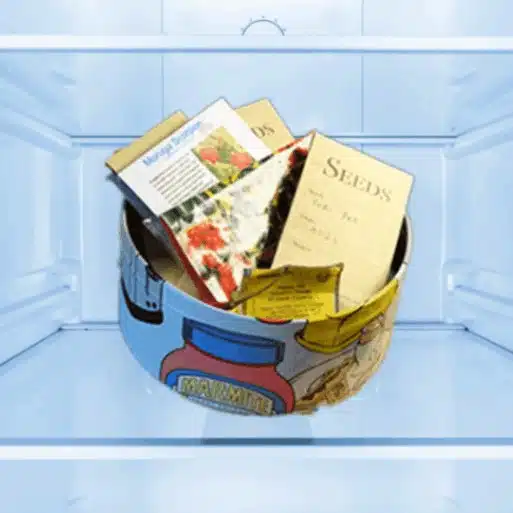
The good news is that you don’t need a freezing winter or any fancy equipment to recreate these conditions. Your refrigerator can do the job beautifully! ❄️
❄️ What Is Cold Stratification?
Cold stratification is the process of exposing certain seeds to a period of cold temperatures to help break dormancy and encourage germination.
In nature, seeds often fall to the ground in autumn, where they spend the winter resting in cool, moist soil. As temperatures rise in spring, the seeds recognise that conditions are becoming favourable for growth and begin to germinate.
This natural process helps prevent seeds from sprouting during a brief spell of warm weather in autumn, only to be damaged by winter conditions.
🌱 Cold stratification simply recreates this natural winter resting period.
For many species, temperatures between 1°C and 5°C are suitable, making an ordinary household refrigerator an excellent place to carry out the process.
The length of time required varies depending on the plant. Some seeds need only a couple of weeks, while others may require several months.
🌼 Why Do Some Seeds Need Cold Stratification?
Seeds have developed different methods of protecting themselves until conditions are suitable for growth.
For some species, dormancy is controlled by natural chemicals and physiological processes within the seed. Exposure to cold, moist conditions gradually changes these processes, allowing germination to begin when temperatures become favourable.
Without the correct treatment, seeds may:
- 🌱 Take much longer to germinate.
- 🌱 Germinate unevenly, with seedlings appearing over several weeks or months.
- 🌱 Have a lower germination percentage.
- 🌱 Remain dormant until they experience the environmental conditions they need.
Not every seed requires cold stratification, and some will germinate without it. However, for species with a genuine cold dormancy requirement, the difference can be quite remarkable.
It’s important to remember that cold stratification doesn’t apply to all seeds. Most common vegetable seeds germinate readily in suitable temperatures without any cold treatment.
🧊 Two Ways to Cold Stratify Seeds
There are two commonly discussed methods of cold treatment: dry chilling and moist cold stratification.
Although both involve exposing seeds to low temperatures, they aren’t interchangeable. Most seeds that genuinely require cold stratification need moisture as well as cold to break dormancy.
🌱 Method 1: Dry Chilling
Dry chilling is the simplest method and involves placing dry seeds in the refrigerator for a period before sowing.
This may benefit certain species, but it is important to understand that dry chilling is not the same as moist cold stratification and won’t reliably break dormancy in many seeds that require a winter treatment.
How to dry chill seeds:
- 📦 Leave the seeds in their original packets or place them in a labelled, airtight container.
- ❄️ Store them in the refrigerator at approximately 1–5°C.
- 📅 Leave them for the period recommended for that particular species.
- 🌡️ When ready to sow, allow the sealed container to reach room temperature before opening it to prevent condensation forming on the seeds.
- 🌱 Sow according to the seed packet instructions.
A little tip: If you’re buying seeds well ahead of the growing season, cool, dry storage can also help maintain their viability. However, storing dry seeds in the fridge doesn’t automatically mean they’ve received the stratification treatment they need.
💧 Method 2: Moist Cold Stratification
This is the method most gardeners will need for seeds that require a genuine cold winter period before germination.
It combines moisture and low temperatures, recreating the conditions seeds would experience naturally in the soil throughout winter.
There are two easy ways to do it.
🌿 Option A: The Damp Paper Towel Method
This method is particularly handy when working with small quantities of seed.
- Lightly moisten a paper towel with clean water. It should feel damp, not dripping wet.
- Spread the seeds across the towel, leaving a little space between them.
- Fold the towel over the seeds and place it inside a labelled, sealable plastic bag or container.
- Place it in the refrigerator at approximately 1–5°C.
- Check regularly to make sure the towel stays moist and that mould isn’t developing.
- After the recommended chilling period, sow the seeds as directed.
🌱 Keep an eye on your seeds! Some varieties may begin germinating while still in the refrigerator. If roots appear, carefully transfer the germinating seeds into seed-raising mix rather than waiting until the chilling period has finished.
🌿 Option B: The Damp Sand or Seed-Raising Mix Method
This is a useful alternative, especially when working with larger seeds or greater quantities.
- Fill a small container with clean, slightly damp sand, vermiculite or suitable seed-raising mix.
- Mix the seeds gently into the medium.
- Place the mixture in a labelled container or sealable bag.
- Refrigerate for the recommended number of weeks.
- Check occasionally to ensure the mixture remains moist but never waterlogged.
- Once the chilling period is complete, carefully sow the seeds into their growing containers.
Avoid excess moisture. Seeds need moisture to begin their internal germination processes, but too much water can encourage fungal growth and cause them to rot.
⏰ How Long Should Seeds Be Stratified?
There isn’t one set period that works for every plant.
As a general guide, some seeds benefit from 2–4 weeks, while others require 4–8 weeks or longer. Certain temperate perennials may need several months or even more complex treatments.
The correct duration depends on the species, its natural habitat and sometimes how the seeds have been collected and stored.
For example:
- 🌸 Lavender: Some varieties benefit from approximately 2–4 weeks of moist chilling, although others germinate readily without it.
- 🌼 Echinacea: Certain species and seed lots benefit from several weeks of moist cold treatment.
- 🌿 Catnip: A short period of moist chilling can improve germination in some seed lots, but it isn’t always necessary.
- 🌸 Black-eyed Susan (Rudbeckia): Some species benefit from approximately 3–4 weeks of moist chilling.
- 🌺 Some perennial poppies: Certain species benefit from cold treatment, although requirements vary considerably.
Always check the requirements for the particular species you’re growing, rather than assuming all seeds in the same plant family behave alike.
🥕 Do Vegetable Seeds Need Cold Stratification?
Here’s where there is sometimes a little confusion.
You may come across lists suggesting that vegetables such as broccoli, cabbage, carrots, peas, lettuce and spinach all need cold stratification.
In fact, most common garden vegetables do not require cold stratification to germinate.
These crops simply need the appropriate soil temperature, moisture and growing conditions.
For example:
- 🥦 Broccoli, cabbage, kale and cauliflower germinate readily in suitable conditions without a cold treatment.
- 🥕 Carrots and parsnips can be slow to germinate, but don’t normally need stratification.
- 🥬 Lettuce and spinach prefer cooler germination conditions, but this isn’t the same as requiring cold stratification.
- 🧅 Onions and leeks generally germinate without chilling.
- 🌱 Peas and radishes are naturally quick germinators when conditions are suitable.
- 🌿 Artichokes may benefit from particular temperature treatments for flowering, but cold stratification isn’t generally necessary for seed germination.
It’s worth remembering that cool-season growing and cold stratification are two very different things.
A vegetable that grows happily through winter doesn’t necessarily need a cold treatment before its seeds will sprout.
🌿 Herbs That May Benefit From Cold Stratification
Some perennial herbs are more likely to benefit from a period of cold treatment than familiar annual herbs.
Examples worth considering include:
- 🌸 Lavender: Cold, moist treatment may improve germination for some species and seed lots.
- 🌿 Catnip: Some seed lots benefit from a short cold treatment.
- 🌼 Echinacea: Several species respond well to cold, moist stratification.
- 🌱 Valerian: Germination can benefit from cool conditions or stratification, depending on the species and seed lot.
- 🌿 Lovage: Fresh seed is often recommended, and cold treatment may help with irregular germination in some circumstances.
What about common culinary herbs?
Basil, coriander, dill, fennel, oregano, marjoram, parsley, rosemary, sage and thyme generally do not require cold stratification.
Some can be slow or irregular to germinate, but that doesn’t necessarily mean they need a winter treatment.
For example, parsley is well known for taking its time to emerge. Fresh seed, consistent moisture and suitable temperatures are usually more important than refrigeration.
🌸 Flowers That May Benefit From Cold Stratification
Flower seeds are where cold stratification becomes particularly interesting.
Many temperate wildflowers and perennials have adapted to spending winter in the ground before germinating in spring.
Some examples include:
- 🌼 Black-eyed Susan (Rudbeckia): Certain species benefit from moist cold stratification.
- 🌸 Perennial poppies: Some species respond well to a period of cold treatment.
- 🌺 Lavender: Often grown for its flowers as well as its fragrance, with some varieties benefiting from chilling.
- 🌼 Echinacea: Certain species and varieties may have improved or more uniform germination after stratification.
And what about sweet peas, pansies, violas, larkspurs, wallflowers and marigolds?
These familiar garden flowers generally don’t require a formal cold stratification treatment to germinate.
Some prefer cooler temperatures, particularly sweet peas and pansies, while marigolds germinate readily in warmth.
Again, preferring cool growing conditions isn’t the same as needing cold stratification.
⚠️ Common Cold Stratification Mistakes
Even though stratifying seeds is straightforward, a few simple mistakes can affect the results.
❄️ Freezing seeds instead of chilling them
Most seeds requiring moist cold stratification need temperatures just above freezing. An ordinary refrigerator is usually suitable, while freezing moist seeds can damage some species.
💧 Allowing seeds to become too wet
The growing medium should be consistently damp, never saturated. Excess moisture can encourage mould and seed rot.
🌱 Letting seeds dry out during treatment
Seeds undergoing moist stratification need moisture throughout the chilling period. Check them regularly.
📅 Not allowing enough time
Some species need longer periods of cold than others. Removing seeds too early may mean they remain dormant.
🌡️ Leaving germinating seeds in the refrigerator too long
Check your seeds occasionally. If you notice tiny roots emerging, carefully sow them into seed-raising mix.
🌿 Stratifying seeds that don’t need it
Not every slow-germinating seed requires cold treatment. Unnecessary chilling can delay sowing and may even reduce germination in species that prefer warmth.
🌼 A Little Planning Goes a Long Way
One of the easiest ways to manage cold stratification is to plan ahead.
If you’re hoping to grow flowers or herbs that need a winter resting period, check their requirements well before your intended sowing date.
For example, if your seeds need six weeks of moist chilling, you can start the process in your refrigerator while preparing the garden beds and organising your spring sowing.
By the time the weather is suitable, your seeds will have completed their winter treatment and be ready for planting.
Of course, you can also let nature do the work! In regions with reliably cold winters, some species can be sown outdoors in autumn and allowed to experience natural winter conditions. Just remember that winter temperatures in many parts of Australia may not be cold enough for species that require prolonged chilling.
🌱 The Secret Is Understanding Your Seeds
Cold stratification may sound technical, but it’s really just a way of working with nature rather than against it.
Seeds have evolved some remarkable ways of protecting themselves, and dormancy is one of the cleverest. By understanding what triggers germination, we can give even the trickier varieties a better chance of growing successfully.
The most important thing to remember is that every seed is different. Some need warmth, some need light, and others need a little taste of winter.
So, if you’ve been struggling to germinate a particular flower or herb, it’s worth checking whether cold stratification might be the missing ingredient.
Sometimes, all a seed needs before springing into life is a short winter holiday in the fridge! ❄️🌱🌱 Quick Decision Guide: Do My Seeds Need Cold Stratification?
Not sure whether your seeds need a little winter holiday in the fridge? ❄️ Here’s a simple guide to help you decide.
🥕 Growing common vegetables?
Broccoli, carrots, cabbage, lettuce, peas, spinach and most other vegetables do not need cold stratification. Simply sow at the recommended temperature.
🌿 Growing culinary herbs?
Basil, coriander, parsley, dill, thyme, sage and oregano generally do not need cold stratification. Some may take longer to germinate, so be patient!
🌸 Growing perennial flowers or less common herbs?
Lavender, echinacea, catnip, valerian and some perennial poppies may benefit from cold stratification. Check the requirements for your particular species.
💧 Dry or moist stratification?
Most seeds that genuinely require cold stratification need moisture and cold together. Simply placing dry seed packets in the refrigerator is not an effective substitute for most species.
🌱Still not sure if your seeds need special treatment?
Every flower, herb and vegetable listed on the Seed Station website has a comprehensive growing guide on its individual product page. These guides include information on seed treatments, germination requirements, sowing and growing conditions, helping you give your seeds the best possible start.
Before sowing, it’s always worth taking a few minutes to read the growing guide for your chosen variety. A little preparation can make all the difference to successful germination! 🌼