Companion Plants
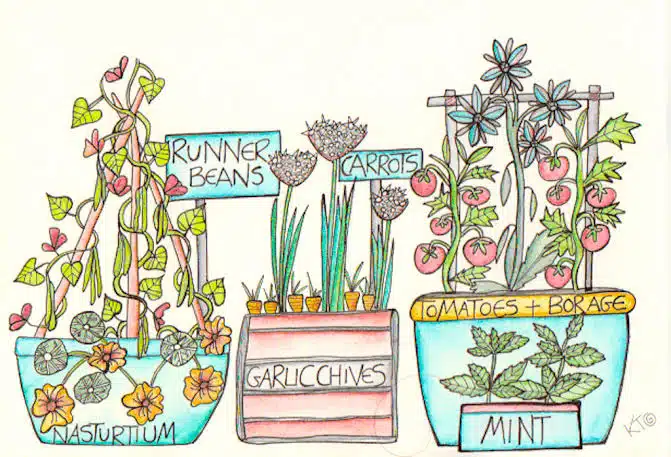
🌱 Companion Planting: Good Neighbours in the Garden
Some plants are simply better together! 🌼
Just like good neighbours, certain plants can lend each other a helping hand in the garden. Some attract beneficial insects, others provide welcome shade, and a few may even help keep troublesome pests at bay.
This is the idea behind companion planting, a traditional gardening technique that brings different plants together to create a healthier, more diverse and productive growing space.
Whether you’re growing vegetables, herbs, flowers or fruit trees, a little thoughtful planting can help you make the most of your garden.
🌿 So, What Is Companion Planting?
Companion planting involves growing different plants close to one another in the hope that they will benefit each other.
Rather than filling an entire garden bed with just one crop, you mix vegetables, herbs and flowers to encourage a more balanced growing environment.
The benefits can include:
- 🐝 Attracting pollinators: Flowers such as borage, alyssum and zinnias encourage bees and other pollinating insects into the garden.
- 🐞 Welcoming beneficial insects: Many flowering herbs provide nectar and pollen for hoverflies, lacewings and tiny parasitic wasps that help control garden pests.
- 🌿 Making better use of space: Low-growing crops can fill gaps beneath taller plants, making productive use of smaller garden beds.
- ☀️ Providing shade and shelter: Taller plants can offer some protection to smaller, more delicate crops during warm weather.
- 🌱 Supporting soil health: Legumes such as beans and peas work with soil bacteria to fix nitrogen, which can benefit future crops when their residues are returned to the soil.
- 🌼 Encouraging biodiversity: A mixture of plants creates more habitats and food sources for useful garden visitors.
💡 A little gardening wisdom: Companion planting isn’t an exact science. Some combinations are supported by research, while others come from generations of gardening experience. Results can vary depending on your soil, climate, spacing and the insects visiting your garden.
Think of companion planting as another useful tool in your gardening toolbox, rather than a guarantee that every plant will grow better beside a particular neighbour.
🥕 A Few Favourite Companion Planting Combinations
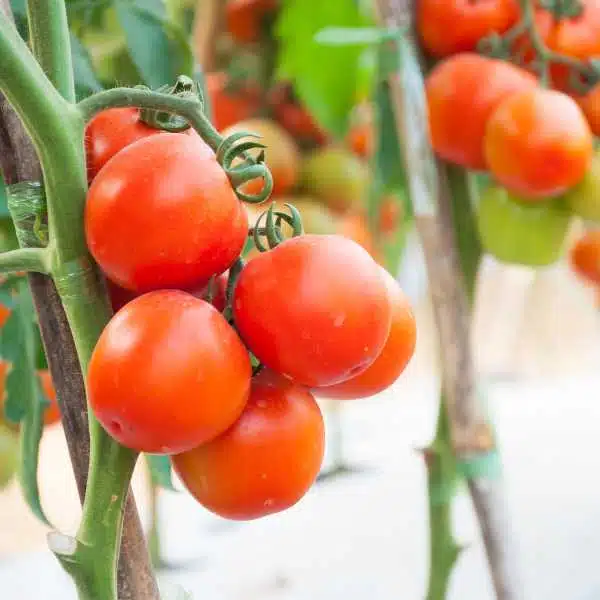
🍅 Tomatoes + Basil + Marigolds
<bold>A classic combination for the summer vegetable patch!</bold>
Basil grows happily in the same sunny conditions as tomatoes, while flowering French marigolds can attract useful insects. There is also evidence that particular marigold planting methods can help manage certain soil nematodes.
🌽 Sweet Corn + Climbing Beans + Pumpkin
Three crops making clever use of one growing space.
Inspired by the traditional Three Sisters planting method, corn provides height, climbing beans use the stalks for support, and pumpkin spreads across the soil, helping to shade the ground and reduce weed growth.
Choose sturdy corn and avoid planting vigorous beans so densely that they overwhelm the stalks.
🥬 Lettuce + Radish + Carrots
A lovely combination for smaller garden beds.
Radishes are quick to mature, lettuce makes use of the space above ground, and carrots develop their roots below. With sensible spacing, these crops can help you get more from one growing area.
🥒 Zucchini + Nasturtiums + Borage
A colourful combination that welcomes pollinators.
Zucchini relies on insects to carry pollen between its male and female flowers. Nasturtiums and borage bring extra flowers into the patch, providing more opportunities to attract bees.
📋 Your A–Z Companion Planting Guide
Wondering what to plant beside your tomatoes, where to tuck in a few herbs, or which flowers might be useful around the vegetable patch?
Use this handy guide when planning your next garden bed.
The plants listed below are traditional or commonly suggested gardening companions, rather than scientifically proven partnerships. They are a useful starting point for experimenting in your own garden.
🍎 A–C: Apples to Cucumbers
| 🌱 Plant | 🌼 Suggested Good Neighbours |
|---|---|
| Apple | Nasturtium, Chives |
| Apricot | Basil, Tansy, Asparagus |
| Asparagus | Apricot, Basil, Chives, Comfrey, Lovage, Marjoram, Parsley, Tomato |
| Basil | Tomato |
| Beans (Climbing) | Broccoli, Brussels Sprouts, Cabbage, Carrot, Cauliflower, Sweet Corn, Lettuce, Lovage, Marjoram, Parsley |
| Beetroot | Bush Beans, Broccoli, Brussels Sprouts, Cabbage, Cauliflower, Kohlrabi, Lettuce, Lovage, Marjoram, Onion, Peas, Potato, Spinach, Silverbeet |
| Borage | Squash, Strawberry, Tomato |
| Brassicas | Beans, Beetroot, Carrots, Chamomile, Coriander, Cucumber, Dill, Lettuce, Lovage, Marjoram, French Marigold, Mint, Nasturtium, Peas, Potato, Rosemary, Sage, Tansy, Thyme, Zinnia, Land Cress |
| Capsicum & Chilli | Carrot, Onion, Tomato |
| Carrot | Beans, Chives, Coriander, Cucumber, Leek, Lettuce, Lovage, Marjoram, Onion, Peas, Radish, Rosemary, Sage, Tomato |
| Celery | Cabbage, Chives, Dill, Dwarf Beans, Leek, Lovage, Marjoram, Onion, Peas, Sage, Spinach, Tomato |
| Chamomile | Cabbage, Onion |
| Chives | Apple, Cucumber, Lettuce, Peas |
| Cucumber | Basil, Beans, Borage, Broccoli, Brussels Sprouts, Cabbage, Carrot, Cauliflower, Corn, Dill, Kohlrabi, Lettuce, Lovage, Marjoram, Nasturtium, Parsnip, Peas, Radish, Sunflower, Tansy |
🌿 D–L: Dill to Lovage
| 🌱 Plant | 🌼 Suggested Good Neighbours |
|---|---|
| Dill | Brassicas |
| Eggplant | Beans, Spinach |
| Garlic | Apricot, Cherry, Mulberry, Parsnip, Peach, Pear, Raspberry, Rosemary, Rose |
| Kohlrabi | Beetroot, Onion |
| Leek | Carrot, Celery, Lovage, Marjoram, Onion, Parsnip, Strawberry |
| Lemon Balm | Tomato |
| Lettuce | Achillea (Yarrow), Beans, Beetroot, Cabbage, Carrot, Chervil, Coreopsis, Cucumber, Lovage, Marjoram, Marigold, Onion, Parsnip, Peas, Radish, Strawberry, Zinnia |
🌼 M–R: Melons to Rosemary
| 🌱 Plant | 🌼 Suggested Good Neighbours |
|---|---|
| Melon | Radish, Sweet Corn |
| Mint | Cabbage, Tomato |
| Nasturtium | Cabbage, Fruit Trees, Radish, Zucchini |
| Onion | Beetroot, Broccoli, Cabbage, Carrot, Chamomile, Leek, Lettuce, Lovage, Marjoram, Parsley, Parsnip, Silverbeet, Strawberry, Summer Savory, Tomato |
| Parsley | Asparagus, Sweet Corn, Tomato |
| Peas | Beans, Beetroot, Brussels Sprouts, Cabbage, Carrot, Cauliflower, Celery, Cucumber, Lettuce, Lovage, Marjoram, Parsnip, Potato, Radish, Sage, Squash, Sweet Corn |
| Potato | Beans, Broccoli, Brussels Sprouts, Cabbage, Cauliflower, Corn, Eggplant, Horseradish, Lovage, Marjoram, Marigold, Nasturtium, Parsnip, Peas, Sweet Alyssum, Watermelon |
| Pumpkin | Beans, Cabbage, Eggplant, Peas, Radish, Sweet Corn |
| Radish | Beans, Carrot, Chervil, Cucumber, Sweet Corn, Lettuce, Lovage, Marjoram, Nasturtium, Parsnip, Peas, Spinach |
| Rosemary | Beans, Cabbage, Carrot, Sage |
🌻 S–Z: Sage to Zucchini
| 🌱 Plant | 🌼 Suggested Good Neighbours |
|---|---|
| Sage | Broccoli, Cabbage, Cauliflower, Carrot, Rosemary |
| Silverbeet | Beetroot, Cherry, Lavender, Lovage, Marjoram, Onion |
| Spinach | Celery, Eggplant, Strawberry |
| Squash | Borage, Lovage, Marjoram, Nasturtium, Peas, Sunflower, Sweet Corn, Tansy |
| Strawberry | Beans, Borage, Chives, Leek, Lettuce, French Marigold, Onion, Pyrethrum, Sage, Spinach |
| Sunflower | Apricot, Cucumber, Squash |
| Sweet Corn | Beans, Cucumber, Lovage, Marjoram, Melon, Parsnip, Peas, Potato, Pumpkin, Radish, Squash, Zucchini |
| Tomato | Asparagus, Basil, Celery, Borage, Broccoli, Brussels Sprouts, Cabbage, Carrot, Cauliflower, Chives, Dill, Gooseberry, Grape, Hyssop, Lovage, French Marigold, Marjoram, Mint, Nasturtium, Onion, Parsley, Parsnip, Turnip |
| Turnip | Cucumber, Lettuce, Nasturtium, Peas, Tomato |
| Watermelon | Potato |
| Yarrow (Achillea) | Most aromatic herbs |
| Zucchini | Lovage, Marjoram, Nasturtium, Sweet Corn |
🐝 Flowers and Herbs: The Unsung Heroes of Companion Planting
When planning a vegetable garden, it’s easy to concentrate entirely on what you’re going to harvest. But leaving a little room for flowers and herbs can make your garden a much more welcoming place for beneficial insects.
Some of my favourite additions include:
- 🌼 French Marigolds: Bright, cheerful flowers that attract visiting insects. Certain varieties and planting methods may also help manage root-knot nematodes.
- 💙 Borage: Beautiful blue, star-shaped flowers that bees absolutely love.
- 🌸 Nasturtiums: Colourful edible flowers that can attract pollinators and sometimes act as a trap crop for aphids.
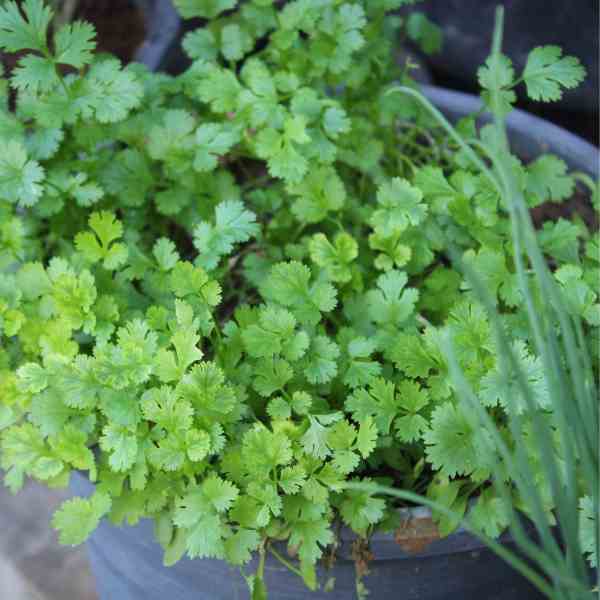
- 🌿 Dill and Coriander: When allowed to flower, their tiny blooms are valuable food sources for hoverflies and other beneficial insects.
- 🤍 Sweet Alyssum: Its masses of tiny flowers attract hoverflies and other helpful insects.
🌱 Gardening tip: Don’t be too quick to pull out every herb when it begins flowering! Letting a few coriander, dill or parsley plants go to seed can provide a wonderful little feeding station for beneficial insects.
🪴 6 Tips for Successful Companion Planting
1. ☀️ Match plants with similar growing needs.
Plants sharing a garden bed should enjoy similar sunlight, watering and soil conditions. A thirsty lettuce and a drought-loving rosemary won’t necessarily make the happiest neighbours.
2. 🌱 Give everyone enough room.
Companion planting doesn’t mean cramming as many plants as possible into one bed. Good airflow and sensible spacing help prevent fungal problems, particularly around tomatoes, cucumbers and zucchini.
3. 🐝 Keep something flowering.
Try to include flowers that bloom at different times throughout the growing season. This provides a more reliable food source for pollinators and beneficial insects.
4. 🥕 Mix quick growers with slower crops.
Radishes, lettuce and other fast-growing vegetables can often be harvested before neighbouring crops need the extra room.
5. 🌿 Remember that some herbs spread!
Mint and lemon balm can become quite enthusiastic growers. Keeping them in containers beside your vegetable beds is often easier than trying to control them once they’ve spread.
6. 📝 Experiment and keep notes.
Every garden is different. What works beautifully in one garden may not produce the same results in another. Make a note of the combinations you try, the pests you encounter and the crops that perform particularly well.
🌏 A Note for Australian Gardeners
Companion planting works best when you also consider your local growing season and climate.
In warmer parts of Australia, a combination that looks wonderful on paper may not work if one plant prefers cool winter weather while another thrives in summer heat.
For example, tomatoes and basil generally enjoy the warmer months, while peas and many brassicas prefer cooler growing conditions.
Choose plants that naturally grow well at the same time of year, rather than forcing together companions that have completely different seasonal needs.
💚 A Happier, More Diverse Garden
One of the loveliest things about companion planting is that it encourages us to think of the vegetable patch as more than just rows of individual crops.
A few flowering herbs amongst the tomatoes, nasturtiums tumbling along the edge of a raised bed, or a patch of borage buzzing with bees can bring life, colour and diversity into the garden.
And while not every traditional companion planting combination will deliver a noticeable benefit, growing a wider variety of plants is a wonderful way to encourage biodiversity and make your garden a more interesting place to spend time.
🌱 Start with one or two combinations, see how they perform, and build on what works in your own garden.
Happy planting! 🌼