



Lemon Balm
$4.95
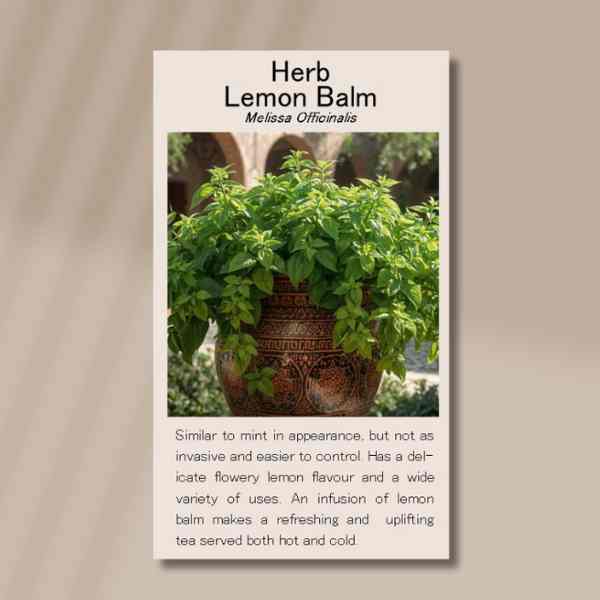
Melissa Officinalis
- Seed Count 200
- Culinary & Tea Herb
- Perennial
Out of stock
Email when stock available
Description
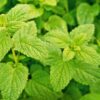
Lemon balm, a close cousin of mint, it shares that same easy-growing habit, but with a softer, more uplifting scent that smells like freshly grated lemon peel. Just brushing your hand through its leaves releases a cloud of sweet citrus aroma that instantly brightens the air. For centuries, gardeners and herbalists have treasured lemon balm for its calming qualities, cheerful scent, and versatility in the kitchen.
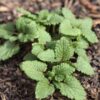
This lovely herb is a perennial in most Australian gardens, coming back reliably year after year. It forms a neat clump of bright green, crinkled leaves that shimmer in sunlight and look especially fresh after rain. In summer, it produces delicate white or pale yellow flowers that bees absolutely adore. In fact, the name Melissa comes from the Greek word for “honey bee,” and it’s easy to see why. Few herbs attract bees quite like lemon balm does, which makes it a wonderful choice for anyone hoping to create a pollinator-friendly garden.
It has long been valued for both its flavour and its gentle, soothing effects. In the kitchen, its lemony taste pairs beautifully with fruit, fish, and chicken dishes. Fresh leaves can be torn and scattered through salads, steeped in hot water for a calming tea, or muddled into cold drinks for a refreshing twist. It brings brightness to fruit salads, desserts, and herbal vinegars, and it’s delightful chopped finely into butter or sprinkled over roasted vegetables. A few leaves added to a jug of iced water or lemonade give it a clean, fragrant lift on a hot day.
In older herbal traditions, lemon balm was thought to cheer the heart and calm the mind. It was often brewed as a tea to ease tension or help with restful sleep. Herbalists called it a “balm for the spirit,” believing that its scent alone could lift low moods and bring a sense of peace. Even today, many people grow it simply for that reason. It’s a joy to have nearby, whether planted by a kitchen door, a garden path, or in a pot on the verandah where you can crush a leaf between your fingers and take a slow, deep breath.
Its scent is what truly sets it apart. The aroma of lemon balm is unlike anything else in the herb garden. It’s lemony, yes, but not sharp. There’s a soft, honeyed undertone that makes it comforting rather than zesty. This balance of freshness and warmth is what makes it such a favourite for teas, tonics, and tinctures. A handful of leaves steeped in hot water releases an aroma that fills the room with calm. Some cooks like to mix it with other herbs like chamomile, mint, or lavender for a custom tea blend, but on its own, it’s more than enough to soothe a busy mind.
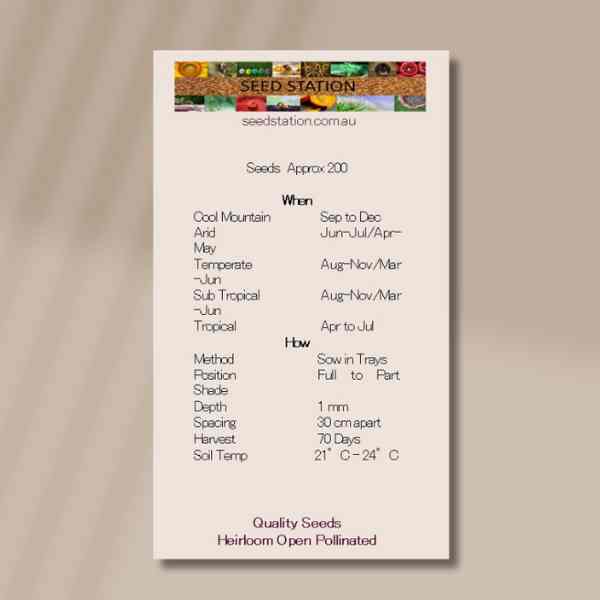
| Method: Raise seedlings | Soil Temp: 21°C - 24°C |
| Cool Mountain: Sep - Dec | Position: Part shade |
| Arid: Jun-Jul, Apr-May | Row Spacing: 30cm apart |
| Temperate: Aug-Nov, Mar-Jun | Planting Depth: 1mm |
| Sub Tropical: Aug-Nov, Mar-Jun | Harvest: 70 days |
| Tropical: Apr - Jul | Plant Height: 50 cm |
🍋 Lemon Balm Grow Guide
🌱 Overview
Lemon balm is a fragrant perennial herb grown for its soft green leaves, fresh lemon scent, pollinator-friendly flowers, and usefulness in teas, salads, desserts, sauces, herbal blends, and garden borders. It belongs in herb gardens, cottage gardens, edible landscapes, pots, and bee-friendly plantings.
This is a generous, easy-growing herb once established. It forms a leafy clump and can spread by seed if flowers are left to mature, so it is best managed with regular harvesting and trimming. Lemon balm is a very forgiving plant, making it a good choice for beginner gardeners, but it performs best when given fertile soil, steady moisture, and good light.
🌱 Sowing in Trays Versus Direct Sowing
Lemon balm can be grown either in trays or by direct sowing, but sowing in trays is usually the best method. The seed is small, and seedlings are easier to manage when started in a controlled seed raising mix. Tray sowing also helps protect young plants from slugs, snails, weeds, heavy rain, and drying soil.
To sow in trays, fill punnets, cells, or small pots with a fine, free-draining seed raising mix. Scatter the seed thinly over the surface and press it gently into the mix. Cover very lightly with fine mix or vermiculite, as deep sowing can reduce germination. Water gently with a mist or fine spray and keep the mix evenly moist but not soggy.
Place the tray in bright light. Once seedlings have several true leaves and are large enough to handle, transplant them into individual pots or into their final position. Handle seedlings carefully by the leaves rather than the stem.
Direct sowing can also work in a prepared garden bed. The soil should be weed-free, fine, and lightly moist. Scatter seed thinly, cover barely, and keep the surface moist until seedlings establish. The main challenge with direct sowing is that small seedlings can be outcompeted by weeds or damaged by pests.
For most home gardeners, tray sowing gives the most reliable start, while direct sowing suits larger herb beds or informal plantings where a few losses are not a problem.
🌾 Seed Pre-Treatment
Lemon balm seed does not usually require special pre-treatment. There is no need for soaking, scarifying, chilling, or smoke treatment. Fresh seed should germinate well when sown shallowly and kept evenly moist.
The most important detail is sowing depth. Lemon balm seed should be barely covered. If buried too deeply, germination may be poor or slow. Use fresh seed where possible, as older herb seed can sometimes lose vigour.
🌞 Soil and Position
Lemon balm grows best in a sunny to partly shaded position. It will grow in full sun when moisture is steady, but light afternoon shade can help keep the leaves soft and fresh in hot conditions. In too much shade, the plant may become loose, stretched, and less aromatic.
The soil should be fertile, moisture-retentive, and well-draining. Lemon balm likes more moisture than woody herbs such as rosemary, thyme, and lavender, but it should not sit in waterlogged soil. A compost-rich loam is ideal.
Before planting, work compost or well-rotted organic matter through the soil. This improves fertility, soil structure, and moisture holding capacity. In sandy soil, extra compost helps reduce drying. In heavy soil, compost improves drainage and prevents compaction.
Lemon balm grows very well in containers. A pot is often a smart choice if you want to prevent unwanted spreading. Use a quality potting mix, choose a container with drainage holes, and water regularly because potted herbs dry out faster than garden-grown plants.
💧 Care and Maintenance
Water lemon balm regularly while it establishes. Once mature, it is fairly resilient, but the best leaf quality comes from steady moisture. If the plant dries out for too long, leaves may become smaller, tougher, and less lush.
Mulch around garden plants to conserve moisture and suppress weeds. Keep mulch slightly away from the crown to reduce the risk of rot.
Feed lightly during active growth. A compost top-dressing or mild liquid feed is usually enough. Avoid heavy feeding, as overly lush growth can be softer and less aromatic. Plants grown in pots may need more regular light feeding than those in garden beds.
Regular cutting is the key to keeping lemon balm productive and tidy. Harvesting the tips encourages bushy growth and delays flowering. Once the plant flowers, leaves can become coarser and less fragrant, so trim flower stems off if your main goal is leaf production.
If the plant becomes tired, woody, or untidy, cut it back firmly to encourage fresh new growth. Established clumps can also be divided to refresh plants and create new ones.
Lemon balm can self-seed if flowers are allowed to mature. To prevent spreading, remove flower heads before seed forms, grow it in a pot, or cut the plant back after flowering.
🌼 Companion Planting Guide
Lemon balm is excellent in pollinator-friendly gardens because its small flowers attract bees and beneficial insects. Good companions include chives, parsley, coriander, dill, borage, calendula, nasturtium, chamomile, marigold, lettuce, and brassica greens.
Chives, parsley, coriander, and dill fit well in mixed herb beds and enjoy reasonably fertile soil. Calendula, borage, chamomile, nasturtium, and marigold help create a diverse insect-friendly planting. Lettuce and leafy greens can benefit from the light shade and insect activity around a healthy herb patch.
Avoid planting lemon balm too close to small, slow-growing herbs that prefer dry, lean soil, such as thyme, oregano, lavender, and rosemary. Lemon balm grows faster and prefers more moisture, so it can crowd or shade these plants if not trimmed regularly.
Because lemon balm can spread, it is often best grown near the edge of a bed, in a large pot, or in a dedicated herb area where it can be harvested often.
✂️ How to Harvest
Harvest lemon balm by snipping young leafy stems with clean scissors or pinching off the growing tips. The best flavour usually comes from fresh, soft leaves before flowering. Harvest in the cooler part of the day after dew has dried.
For regular use, take small amounts often. This encourages branching and keeps the plant compact. For a larger harvest, cut stems back by about one-third to one-half, leaving enough growth for the plant to recover.
Use fresh leaves in herbal tea, iced drinks, fruit salads, desserts, sauces, vinegars, marinades, and salads. The flavour is gentle and can fade with long cooking, so add it near the end of cooking or use it fresh.
To dry lemon balm, cut healthy stems, tie them in small bunches, and hang them in a shaded, dry, airy place. You can also strip the leaves and dry them on a rack. Once fully dry, store leaves in an airtight container away from heat and light. Dried lemon balm loses fragrance faster than some herbs, so use it while it still smells fresh.
⚠️ Common Issues and Fixes
| Issue | Likely Cause | Fix |
|---|---|---|
| Poor germination | Seed buried too deeply, old seed, dry seed raising mix | Sow shallowly, use fresh seed, keep evenly moist |
| Seedlings collapse | Overwatering, poor airflow, contaminated mix | Use clean seed raising mix, avoid soggy conditions, improve ventilation |
| Weak, stretched growth | Too much shade or overcrowding | Move to brighter light and thin or transplant seedlings |
| Leaves lose fragrance | Old growth, flowering, too much shade, excess water | Harvest young leaves, trim before flowering, provide brighter light |
| Yellowing leaves | Overwatering, poor drainage, nutrient stress | Improve drainage, water less often, feed lightly if needed |
| Brown leaf edges | Dry soil, hot wind, irregular watering | Water consistently, mulch, provide light shade in harsh exposure |
| Plant becomes woody | Ageing clump or lack of regular cutting | Cut back firmly, divide old clumps, harvest more often |
| Powdery mildew | Poor airflow, crowded growth, stressed plant | Space plants well, trim regularly, water at soil level |
| Aphids | Soft new growth attracting sap-sucking insects | Spray off with water, encourage ladybirds and lacewings |
| Slug or snail damage | Damp sheltered conditions around young plants | Protect seedlings, reduce hiding places, use barriers or traps |
| Spreading too much | Flowers allowed to set seed or stems rooting | Remove flowers before seed forms, grow in pots, trim regularly |
🌰 Detailed Seed Saving Guide
To save lemon balm seed, choose healthy plants with strong fragrance, good leaf production, and no major disease issues. Let a few flower stems remain on the plant instead of trimming them off.
The flowers are small and form along the stems. After flowering, tiny seeds develop in the dried flower structures. Allow the seed heads to mature on the plant until they turn dry and brown. Watch them closely, as the seed can drop once fully mature.
Cut the dry flower stems on a dry day and place them upside down in a paper bag. Keep the bag in a dry, airy, shaded place for several days so the seed heads finish drying. As they dry, some seed may fall into the bag.
Once fully dry, rub the seed heads gently over a clean tray or sheet of paper. The seed is small, so work slowly. Remove larger pieces of chaff by hand or with a fine sieve. Lightly blowing across the tray can help remove fine dry debris, but do this carefully so the seed is not lost.
Spread the cleaned seed on paper for several more days to ensure it is fully dry. Store it in a labelled paper envelope or airtight container. Include the plant name and collection date.
Keep seed in a cool, dark, dry place. Moisture and heat reduce seed life, so avoid storing seed in humid cupboards, hot sheds, or sunny windowsills. Fresh seed usually gives the best germination.
For best results, save seed from plants with the strongest lemon scent and healthiest growth. Seedlings may vary slightly in fragrance and vigour, so keep the best young plants when growing future batches.
🌻 Final Thoughts
Lemon balm is a generous, fragrant, and easy herb that earns its place in both edible and ornamental gardens. It is best started in trays because the small seed and young seedlings are easier to manage under controlled conditions.
Give lemon balm fertile, well-drained soil, steady moisture, and sun to part shade. Harvest regularly to keep it bushy, aromatic, and productive. Grow it in a pot or trim off flowers if you want to limit self-seeding. With simple care, lemon balm will provide fresh lemon-scented leaves for teas, cooking, pollinators, and everyday garden enjoyment.
4 reviews for Lemon Balm
Postage Charge
Orders under $35 attract a $4.95 shipping charge. Orders $35 and above have free shipping.
Order Times
Seed orders are normally dispatched within three business days. You will receive an email when seeds are mailed out.
Postage Days
Seeds are mailed out Tuesday to Friday at 1pm. Except for the Friday of long weekends.
Postage Times
WA 2-3 Days: SA,NT 3-5 Days: NSW, ACT, QLD, VIC: 5-7 Days
Carrier
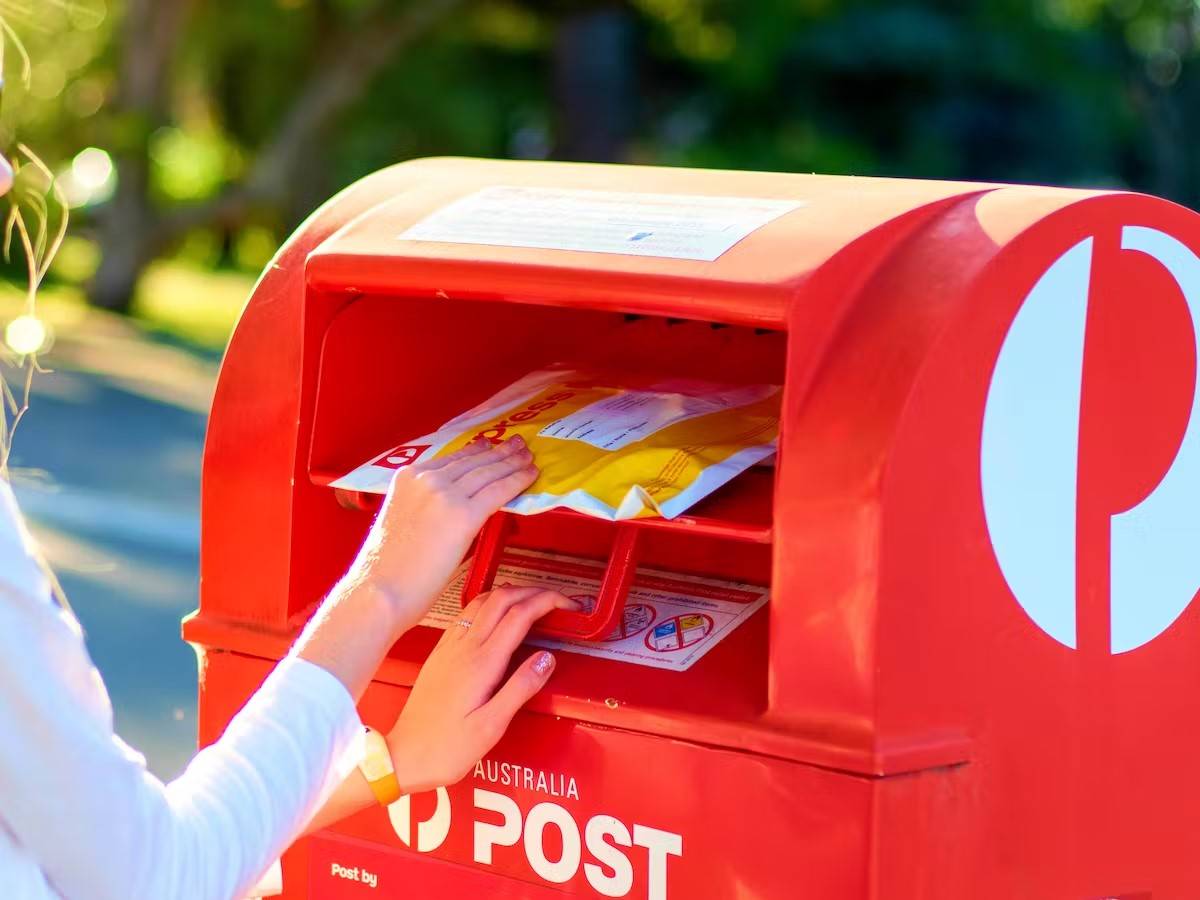
We use Australia Post Letter Postage for the majority of orders
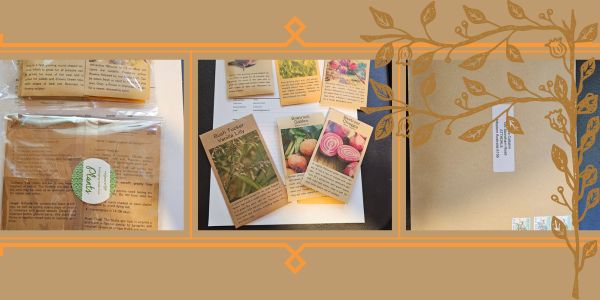
Not only are our seeds packed in recycled paper envelopes, we keep the theme going when we post out website orders. To protect your seeds from moisture and the letter box munchers (snails), we use a very special plastic free material made from plants. They are then put into recycled mailing envelopes. Green all the way ????????
Delivery Guarantee
We take great care to make sure your seeds arrive safely. If your order is lost or damaged in transit, we’ll happily send a replacement. Unfortunately, we can’t replace or refund orders that arrive later than the estimated delivery date, as delays can sometimes occur that are outside our control.
Please note that all dispatch and delivery times listed are estimates only. While we do our best to post promptly, delivery timeframes can vary due to postal service delays, weather events, or other unforeseen circumstances. We’re unable to take responsibility for any loss, damage, or cost that results from a late delivery.
An order is not considered missing until at least 20 business days have passed from the postage date. You’ll receive an email once your seeds have been posted, letting you know they’re on their way. If you don’t see it in your main inbox, please check your Spam or Promotions folders as sometimes our emails like to hide there.
See all our verified customer reviews on our official CusRev profile.
See all our verified customer reviews on our official CusRev profile.
Haven’t planted as I’m moving house.
See all our verified customer reviews on our official CusRev profile.
Flowered beautifully
See all our verified customer reviews on our official CusRev profile.