


Mibuna
$4.95
Brassica Rapa Japonica
- Seed Count 250
- Mild Mustard Flavour
- Annual
In stock
Description
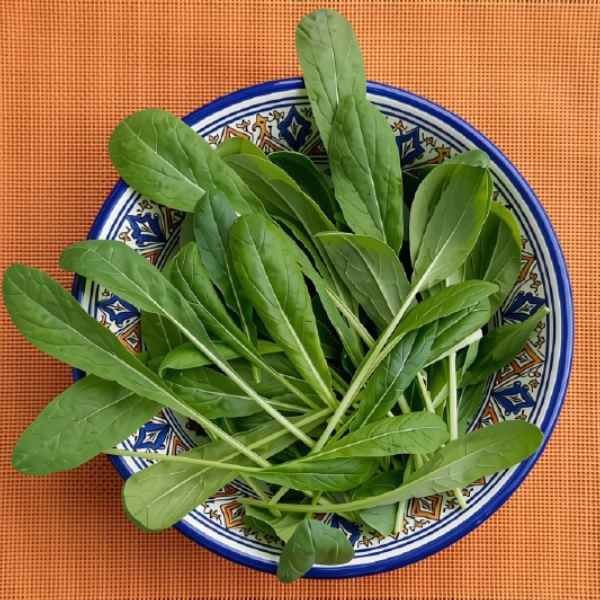
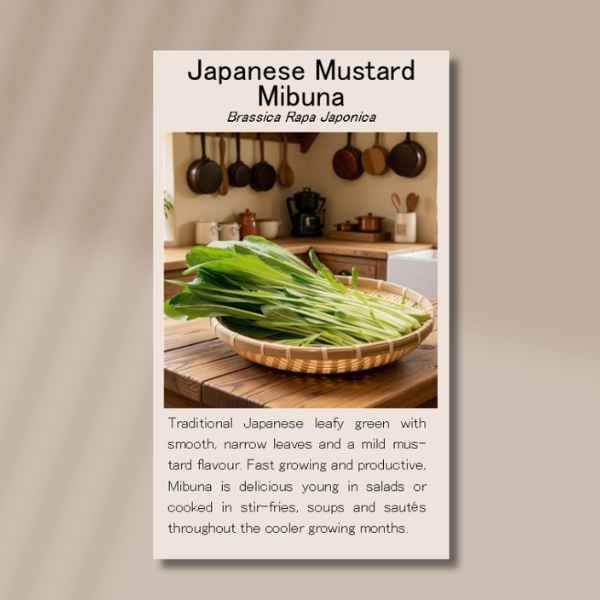
Mibuna is a traditional Japanese leafy vegetable that sits somewhere between a mild mustard green and mizuna. It belongs to the brassica family and is closely related to mizuna, but its smooth, narrow leaves and slightly stronger flavour give it a character of its own.
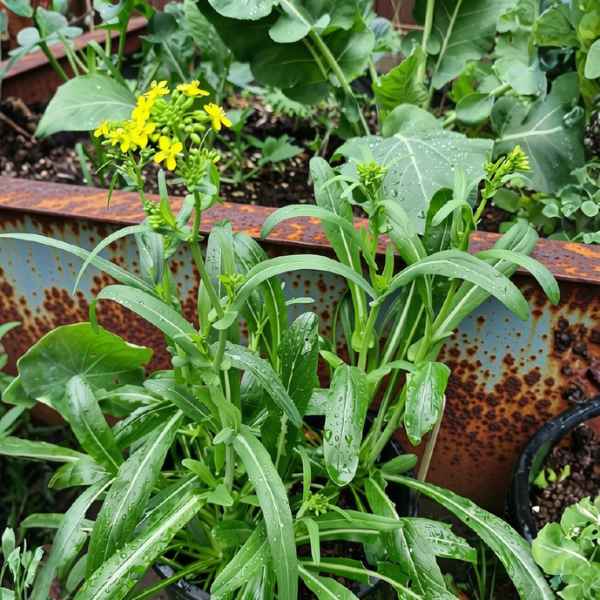
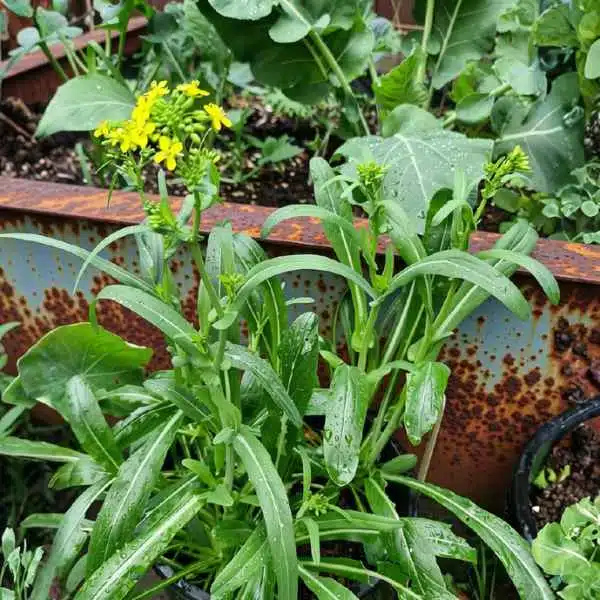
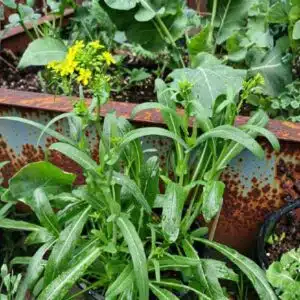
Mibuna has a compact, upright growth habit, forming a dense rosette rather than a loose, spreading plant. The foliage rises in a neat clump, usually around 30 to 40 cm tall, with plenty of fresh growth produced from the centre. As it matures, the plant becomes quite full and substantial. The long, slender green leaves have smooth edges and gently rounded tips, often with a slightly spoon-shaped appearance.
The flavour is one of its best qualities. Young leaves are mild and fresh with a gentle mustard warmth, while more mature leaves develop a little more pepperiness and a faint, pleasant bitterness. It has more character than many mild salad greens without becoming as sharp or hot as stronger mustard varieties. The flavour remains distinctly fresh and green, with enough spice to make it interesting when eaten raw.
Texture is equally important. Mibuna has a pleasant crispness, particularly through the leaf stems, while the leaves themselves remain tender. In the kitchen, it is remarkably versatile. Young leaves can be used fresh in salads, where their narrow shape and mild mustard flavour add interest without overwhelming other ingredients. They pair particularly well with lettuce, rocket, cucumber, radish and other crisp vegetables, while their light pepperiness works nicely with sesame, soy, citrus and ginger flavours.
Mibuna is also very good lightly cooked. The leaves soften quickly while retaining some texture, making them useful in stir-fries, noodle dishes, soups and broths. They can be added towards the end of cooking in much the same way as other Asian greens. A quick wilt softens the leaves while helping them retain their fresh green colour and gentle mustard flavour.
Pickling has long been one of Mibuna’s traditional uses in Japan. Mibuna pickles are valued for retaining both the vegetable’s colour and its characteristic crisp texture.
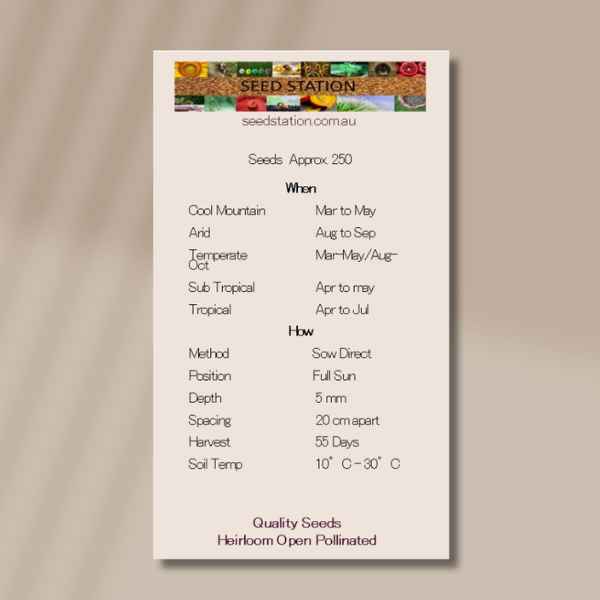
| Method: Sow direct | Soil Temp: 10°C - 30°C |
| Cool Mountain: Mar - May | Position: Full sun - Part Shade |
| Arid: Aug - Sep | Row Spacing: 20 cm |
| Temperate: Mar - May , Aug - Oct | Planting Depth: 3 mm |
| Sub Tropical: Apr - May | Harvest: 55 Days |
| Tropical: Apr - Jun | Plant Height: 30 cm |
🌿 Mibuna Grow Guide
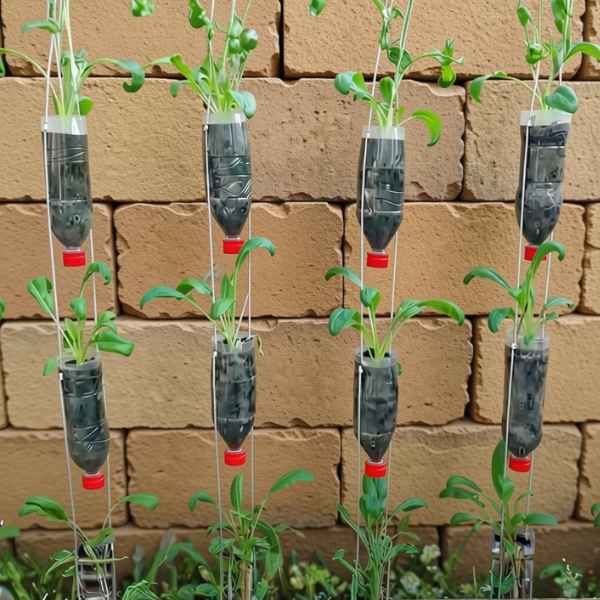
Mibuna is a fast, leafy mustard green grown for its long, narrow, tender leaves and mild peppery flavour. It is one of the easiest Asian greens to grow from seed, especially for gardeners who want quick salad leaves, stir-fry greens, or cut-and-come-again harvests. It grows well in garden beds, raised beds, large pots, and troughs, provided the soil stays fertile, moist, and free draining.
🌱 Sowing in Trays Versus Direct Sowing
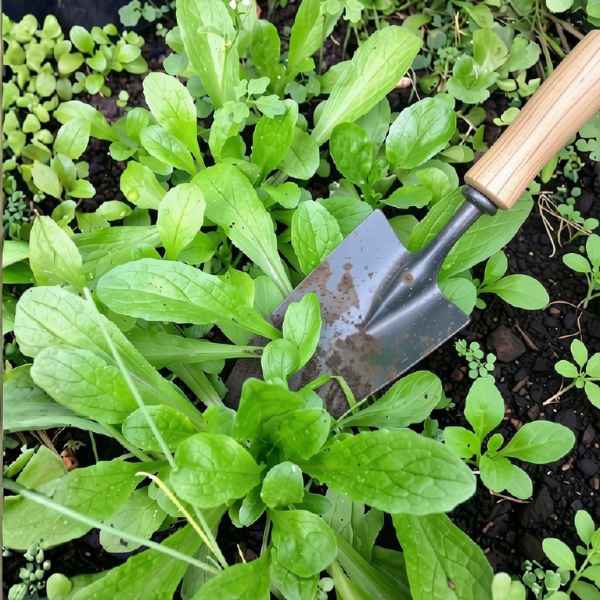
Mibuna can be grown either by sowing seed into trays or by sowing directly where it is to grow. Direct sowing is usually the best method because mibuna germinates readily, grows quickly, and develops best when it is not disturbed. Sow seed shallowly, around 5 to 6 mm deep, then keep the soil evenly moist until germination. Thin seedlings so each plant has enough room to form a healthy clump of leaves.
Tray sowing is still useful when you want more control over germination, protection from slugs and snails, or a neat planting layout. Use a seed-raising mix, sow lightly, and transplant seedlings once they are sturdy and have several true leaves. Handle them gently, water them in well, and avoid letting seedlings become root-bound before planting out.
For baby leaf production, direct sowing in short rows or a loose scatter pattern works very well. For larger plants, give each seedling more space so the leaves can lengthen and remain tender.
💧 Seed Pre-Treatment
No seed pre-treatment is required. Mibuna seed does not need soaking, chilling, scarifying, or any special preparation before sowing. Fresh seed, fine soil contact, shallow coverage, and consistent moisture are the most important factors for strong germination.
🌾 Soil and Position
Mibuna prefers fertile, loose, well-drained soil enriched with compost or aged manure before sowing. The ideal soil should hold moisture without becoming waterlogged. A slightly crumbly texture helps young roots establish quickly, while steady fertility supports soft leafy growth.
Choose a position with good light and protection from harsh stress. Full sun is suitable in mild conditions, while light afternoon shade can help keep leaves tender and reduce stress in warmer areas. In pots, use a quality vegetable potting mix and choose a container with reliable drainage.
Before sowing, remove weeds, break up clods, and rake the surface fine. Because mibuna is grown mainly for leaves, avoid poor, dry soil, which can make growth tough, small, and more likely to flower early.
🪴 Care and Maintenance
Mibuna grows best with regular watering. Keep the soil evenly moist, especially while seedlings are small and while leaves are being harvested. Drying out can cause stress, bitter leaves, and early flowering.
Feed with a gentle liquid fertiliser or compost tea once plants are established, especially if harvesting repeatedly. Avoid overfeeding with very strong nitrogen, as overly soft growth can attract aphids and other sap-sucking pests.
Mulching around plants helps conserve moisture, keeps soil cooler, and reduces weed competition. Use fine straw, sugarcane mulch, chopped leaves, or another light organic mulch, keeping it slightly away from seedling stems.
Mibuna is naturally quick-growing, so the best care is steady rather than heavy-handed: consistent water, moderate feeding, good airflow, and regular picking.
🌼 Companion Planting Guide
Mibuna grows well near plants that attract beneficial insects or make good use of garden space. Dill, coriander, alyssum, calendula, nasturtium, and marigold can help draw pollinators and pest predators into the garden. Leafy herbs and flowers nearby can support hoverflies, lacewings, and ladybirds, which may help reduce aphid pressure.
Good companions include lettuce, spring onions, beetroot, carrots, peas, beans, coriander, dill, calendula, alyssum, and nasturtium. These plants generally sit comfortably beside mibuna without crowding it too heavily.
Avoid planting mibuna repeatedly in the same bed as closely related leafy greens and cabbages. Rotating beds helps reduce pest and disease build-up. Also avoid placing it beside large, aggressive plants that will shade it too heavily or compete strongly for moisture.
✂️ How to Harvest
Mibuna can be harvested as baby leaf or as larger mature leaves. For baby greens, snip leaves once they are large enough to use, cutting carefully so the growing point remains intact. For ongoing harvests, pick the outer leaves first and allow the centre to keep producing. This cut-and-come-again method gives several smaller harvests from the same plant.
Harvest in the cooler part of the day for the crispest leaves. Wash gently, drain well, and use fresh in salads, sandwiches, soups, stir-fries, dumpling fillings, or noodle dishes. Younger leaves are mild and tender, while older leaves develop a stronger mustard flavour.
If flower stems begin to form, harvest promptly. Removing the flower stem can sometimes extend leaf production, but once a plant is determined to flower, leaf quality often declines.
🐛 Common Issues and Fixes
| Issue | What It Looks Like | Likely Cause | Fix |
|---|---|---|---|
| Flea beetle damage | Tiny shot holes in leaves | Small jumping beetles feeding on young leaves | Use fine insect mesh, keep plants growing strongly, and remove nearby weeds |
| Aphids | Clusters of small insects on new growth | Soft leafy growth and mild, crowded conditions | Spray off with water, encourage ladybirds and lacewings, remove badly affected tips |
| Slugs and snails | Ragged holes, missing seedlings, slime trails | Damp shelter and tender young plants | Use barriers, traps, night checks, and keep mulch away from tiny seedlings |
| Yellow leaves | Pale or yellowing lower leaves | Low nitrogen, poor drainage, or uneven watering | Feed lightly, improve drainage, and water consistently |
| Wilting | Limp leaves despite recent growth | Dry soil, root stress, or pest damage | Deep water, mulch, check roots and stems for damage |
| Early flowering | Tall flower stem forms before much leaf harvest | Heat, dryness, crowding, or plant stress | Keep soil moist, harvest regularly, provide light shade, and sow fresh plants |
| Tough or bitter leaves | Leaves become strong, coarse, or unpleasant | Plant stress or leaves left too long | Harvest younger leaves and maintain steady moisture |
| Damping off | Seedlings collapse at soil level | Overly wet seed mix and poor airflow | Use clean seed mix, avoid overwatering, and improve ventilation |
🌾 Detailed Seed Saving Guide
To save mibuna seed, choose the healthiest, strongest plants and allow them to complete their life cycle. Select plants with the traits you want to keep, such as vigorous growth, tender leaves, good flavour, slower flowering, and strong resistance to pest damage. Do not save seed from weak, diseased, or unusually early-flowering plants unless that trait is desired.
Mibuna is insect-pollinated and can cross with closely related leafy greens and turnip-type crops. For pure seed, grow only one compatible seed crop at a time, or separate flowering plants by a generous distance and use insect exclusion methods where practical. For home gardeners, the simplest approach is to save seed from mibuna only and avoid letting related crops flower nearby at the same time.
Allow selected plants to send up flower stems. The leaves will become less useful as the plant shifts energy into flowering and seed production. Small flowers will be followed by slender seed pods. Let the pods mature on the plant until they turn dry and papery. Watch them closely, because fully dry pods can split and drop seed.
When most pods are dry, cut the seed stems and place them upside down in a paper bag or on a clean tray in a dry, airy place. Let them finish drying completely. Once crisp, rub the pods gently between your hands to release the seeds. Separate seed from chaff by hand, with a sieve, or by carefully winnowing in a light breeze.
Store fully dry seed in a labelled paper envelope or airtight jar. Write the variety name and collection date on the label. Keep seed in a cool, dark, dry place. Moisture is the main enemy of stored seed, so make sure seed is completely dry before sealing it away.
🌟 Final Thoughts
Mibuna is a rewarding leafy green for gardeners who want quick growth, flexible harvesting, and a mild mustard flavour. Direct sowing is the best overall method, although trays are useful for extra protection and controlled starts. It needs no special seed treatment, grows happily in rich moist soil, and responds well to regular picking. With steady water, light feeding, and protection from common chewing pests, mibuna can provide generous harvests of tender leaves from a small space.
3 reviews for Mibuna

Postage Charge
Orders under $35 attract a $4.95 shipping charge. Orders $35 and above have free shipping.
Order Times
Seed orders are normally dispatched within three business days. You will receive an email when seeds are mailed out.
Postage Days
Seeds are mailed out Tuesday to Friday at 1pm. Except for the Friday of long weekends.
Postage Times
WA 2-3 Days: SA,NT 3-5 Days: NSW, ACT, QLD, VIC: 5-7 Days
Carrier
We use Australia Post Letter Postage for the majority of orders
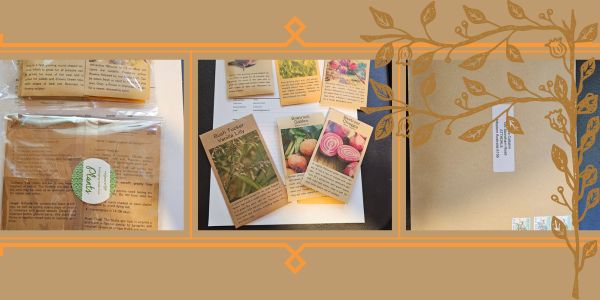
Not only are our seeds packed in recycled paper envelopes, we keep the theme going when we post out website orders. To protect your seeds from moisture and the letter box munchers (snails), we use a very special plastic free material made from plants. They are then put into recycled mailing envelopes. Green all the way ????????
Delivery Guarantee
We take great care to make sure your seeds arrive safely. If your order is lost or damaged in transit, we’ll happily send a replacement. Unfortunately, we can’t replace or refund orders that arrive later than the estimated delivery date, as delays can sometimes occur that are outside our control.
Please note that all dispatch and delivery times listed are estimates only. While we do our best to post promptly, delivery timeframes can vary due to postal service delays, weather events, or other unforeseen circumstances. We’re unable to take responsibility for any loss, damage, or cost that results from a late delivery.
An order is not considered missing until at least 20 business days have passed from the postage date. You’ll receive an email once your seeds have been posted, letting you know they’re on their way. If you don’t see it in your main inbox, please check your Spam or Promotions folders as sometimes our emails like to hide there.
See all our verified customer reviews on our official CusRev profile.
See all our verified customer reviews on our official CusRev profile.
See all our verified customer reviews on our official CusRev profile.