
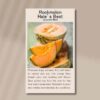

Rockmelon Hale’s Best
$4.95
Cucumis Melo
- Seed Count 15
- Tolerates Dry Conditions
- Annual
In stock
Description
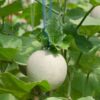
The Rockmelon Hale’s Best is the kind of old-fashioned melon that has been around for generations, adopted in gardens far and wide for its exceptional performance and full-flavoured fruit. They typically grow to around one kilogram in weight, although with the right growing conditions, they can push well beyond that to two or even three kilos.
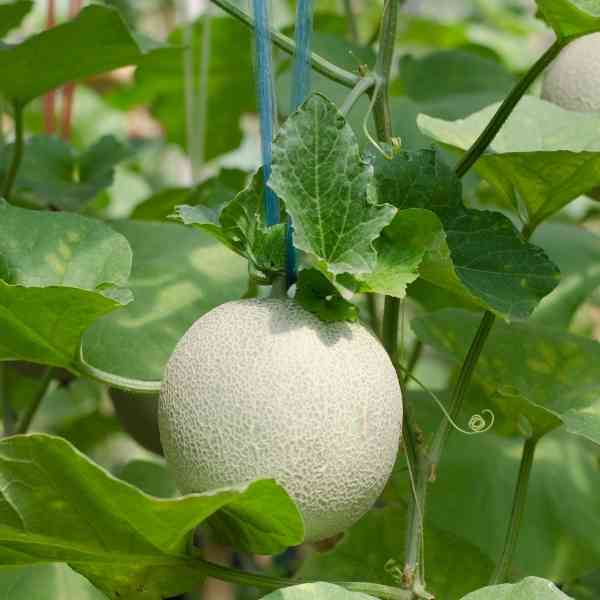
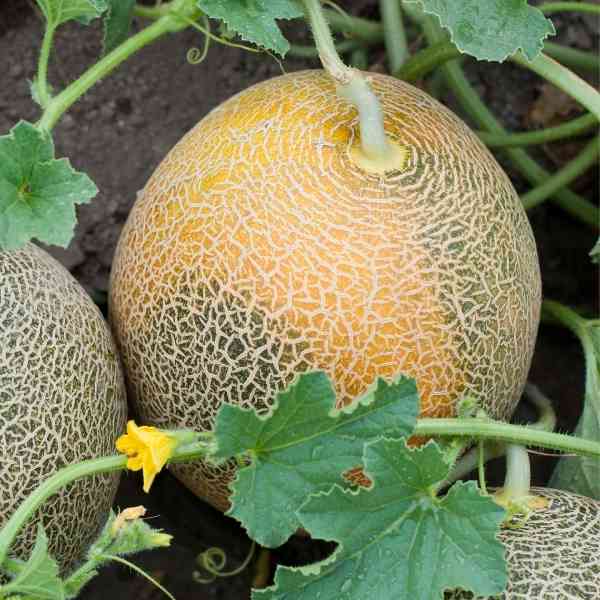
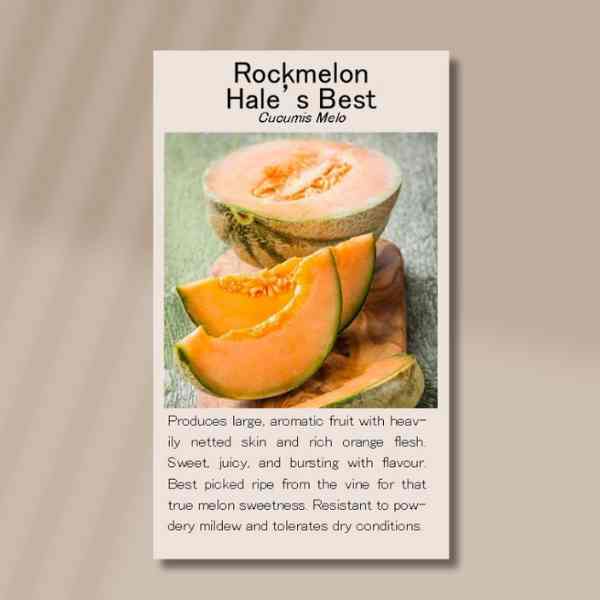
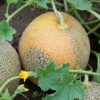
The fruit is generally round or slightly oval and sports a tough, netted skin. The rind is coarse and heavily textured, coloured in shades of tan to pale green, often with a mottled greyish cast that gives the fruit its classic rock melon look. It’s that rough outer skin that protects the melon as it grows, helping to prevent sunburn and resist pest damage.
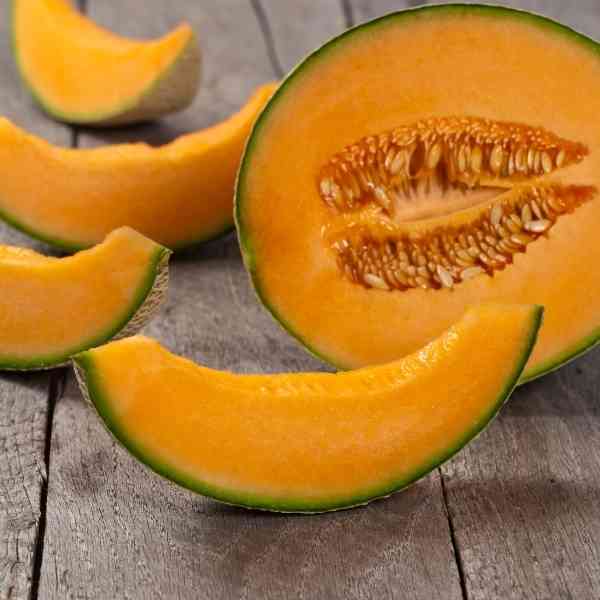
Inside, Hale’s Best reveals a vibrant, bright orange flesh that’s juicy, sweet, and intensely aromatic. The flavour is everything you want in a rock melon being rich, musky, and honey-sweet, with a texture that’s firm enough to hold its shape in a salad but soft enough to melt on the tongue when eaten fresh. It’s one of those fruits that genuinely tastes better grown at home, especially when picked at peak ripeness straight from the vine.
In the kitchen, the dense orange flesh is ideal for fruit salads, pairing beautifully with berries, citrus, and even a hint of mint. It blends effortlessly into smoothies, especially when teamed with yoghurt, banana or a touch of honey. For savoury snacks, it’s right at home wrapped in prosciutto or paired with soft cheeses.
This is a vine that doesn’t mind a bit of heat. In fact, it loves it. Once established, it tolerates dry conditions with surprising ease, thanks to its deep root system and sturdy growth habit. That means it’s a good option for gardeners in regions where the summer sun can be relentless and water can sometimes be a bit scarce. While consistent watering will always give the best results, it’s reassuring to know that this melon won’t wilt at the first sign of a hot day.
Its resistance to powdery mildew also makes it a stand-out among melons. Powdery mildew is a common problem for cucurbits in the late part of the season, often arriving just as your fruit is ripening. But Hale’s Best has a natural toughness to it, and it tends to stay clean and healthy even when other varieties start showing signs of stress. That makes it an excellent choice for both beginner gardeners and those looking to avoid chemical treatments in the garden.
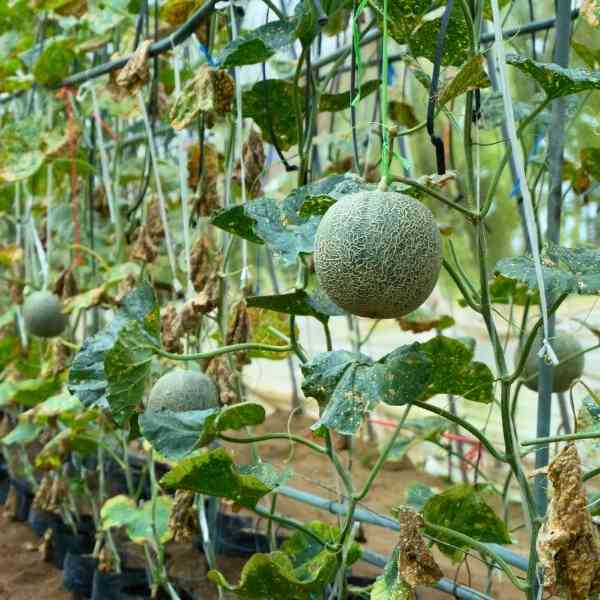
The vines themselves are fast-growing and productive. They’ll ramble out across the garden bed with enthusiasm, forming a dense cover of large leaves and setting flowers steadily as the season warms up. With enough space and sunlight, they’ll quickly get to work forming their fruit. From sowing to harvest, you can expect a crop in about 75 to 88 days or roughly 12 to 14 weeks. It’s a rewarding wait, and one that brings with it the pleasure of watching fruit swell and ripen beneath a canopy of green.
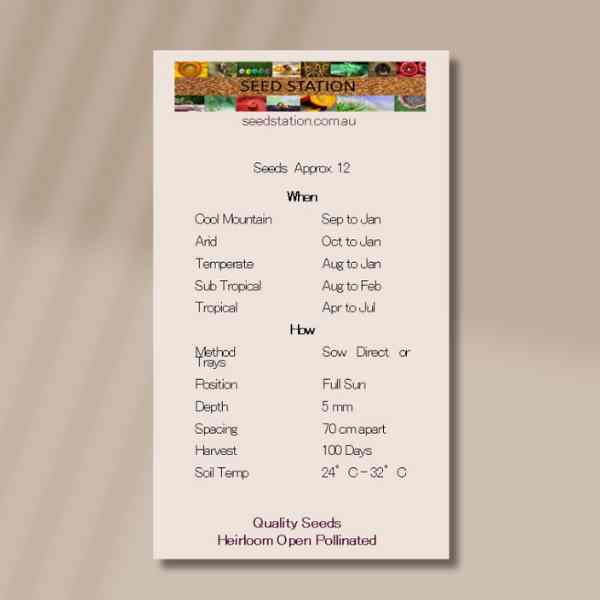
| Method: Set seedlings | Soil Temp: 20°C - 32°C |
| Cool Mountain: Oct - Dec | Position: Full Sun to Part Shade |
| Arid: Sep - Mar | Row Spacing: 50 cm |
| Temperate: Sep - Dec | Planting Depth: 5 mm |
| Sub Tropical: Aug - Jan | Harvest: 100 Days |
| Tropical: Apr - Jul | Plant Height: 30 cm |
🍈 Rockmelon Grow Guide
🌿 Overview
Rockmelon is a sweet, aromatic, warm-loving vine grown for its juicy orange flesh and fragrant netted fruit. It is a rewarding crop for gardeners who can give it full sun, rich soil, steady moisture, good airflow, and plenty of room to sprawl or climb. The plants grow as trailing vines with broad leaves, yellow flowers, and round to oval fruit that develop their familiar textured skin as they mature.
Rockmelon is best grown where it can spread across a mound, garden bed, or sturdy trellis. It is a hungry and thirsty crop while actively growing, but it does not like sitting in wet soil. The best results come from balancing rich soil with excellent drainage, consistent watering, and strong pollinator activity.
A healthy rockmelon vine can be very productive, but fruit quality depends heavily on good care. Sweetness is improved by healthy leaves, strong sunlight, steady growth, and allowing fruit to ripen properly on the vine.
🌱 Sowing in Trays vs Direct Sowing
Rockmelon can be grown by direct sowing or started in trays or pots. Both methods can work well, but sowing in individual pots is usually the best method for most home gardeners. This gives the seed warmth and protection while avoiding the root disturbance that can happen when seedlings are raised in shared trays.
For pot sowing, use small individual pots or deep cells filled with a free-draining seed-raising mix. Sow one or two seeds per pot, cover lightly, and keep the mix evenly moist but not soggy. Once seedlings emerge, keep the strongest plant and remove the weaker one by snipping it off rather than pulling it out. Transplant seedlings carefully once they are strong, young, and actively growing. Avoid letting them become root-bound, as stressed seedlings may struggle after planting out.
Direct sowing can work very well where soil is warm, loose, and protected from pests. Sow several seeds into a small mound or prepared planting station, then thin to the strongest seedlings. Mounds are helpful because they improve drainage and warm faster, while also keeping the crown slightly above surrounding soil.
For rockmelon, individual pot sowing is recommended because it gives better early control, protects young seedlings, and still allows gentle transplanting with minimal root disturbance. Direct sowing is also excellent where conditions are already ideal and pest pressure is low.
💧 Seed Pre-Treatment
Rockmelon seed does not require pre-treatment. There is no need to soak, chill, scarify, or prepare the seed before sowing. Fresh seed usually germinates readily when given warmth, moisture, and a free-draining mix or soil.
A short soak in room-temperature water for a few hours can help older seed hydrate more evenly, but it is optional. Do not soak seed for too long, as overly wet seed can rot before germination.
The most important points are to use good-quality seed, avoid cold wet soil, and keep the sowing mix moist rather than saturated.
🌞 Soil and Position
Rockmelon needs a full sun position with good airflow and plenty of growing space. Strong sunlight is essential for vigorous vines, good flowering, fruit development, and sweetness. Avoid shaded positions, as vines may grow leafy but produce fewer fruit with poorer flavour.
The soil should be rich, deep, fertile, moisture-retentive, and well-drained. Before planting, improve the bed with compost, aged manure, worm castings, or well-rotted organic matter. Rockmelon has a strong demand for nutrients, but the roots still need oxygen, so heavy wet soil should be improved or planted into raised mounds.
A slightly raised mound or ridge is ideal. This improves drainage around the crown and encourages strong root growth. In sandy soil, add plenty of compost to improve water and nutrient retention. In clay soil, loosen the area deeply and improve structure so water does not sit around the roots.
Rockmelon can be grown along the ground or trained up a strong trellis. Ground-grown vines need mulch or a clean dry surface under the fruit. Trellised vines save space and improve airflow, but developing fruit may need slings for support.
🌿 Care and Maintenance
Rockmelon needs consistent care through its main growth stages. Water deeply and regularly, especially while vines are flowering and fruit is swelling. Avoid frequent shallow watering, as this encourages shallow roots and uneven growth. The soil should remain evenly moist, but not waterlogged.
Try to water at the base of the plant rather than over the leaves. Wet foliage, poor airflow, and crowded vines can encourage fungal problems. Mulch around the plants once they are established to conserve moisture, reduce weeds, and keep fruit cleaner. Keep mulch slightly away from the main stem to prevent crown rot.
Feed regularly but sensibly. Rockmelon benefits from compost and balanced vegetable fertiliser during vine growth. Once flowering and fruiting begin, avoid overusing high-nitrogen fertiliser, as this can produce lush leaves at the expense of flowers and fruit. A balanced feed that supports flowering and fruit development is best.
Rockmelon produces male and female flowers. Female flowers have a tiny swelling behind the bloom, which becomes the fruit if pollinated. Bees and other pollinators are very important. Encourage pollination by planting flowers nearby and avoiding unnecessary sprays. If fruit is not setting, hand pollination can help. Pick a male flower, remove the petals, and gently brush the pollen onto the centre of a female flower.
If vines become too crowded, guide them gently to improve airflow. Avoid excessive pruning because the leaves feed the developing fruit and protect it from sun damage. For larger, sweeter fruit, some gardeners limit the number of fruit per vine, allowing the plant to focus its energy.
Place developing fruit on straw, mulch, a tile, or a small board if growing on the ground. This helps prevent rot, keeps fruit cleaner, and reduces pest damage.
🌼 Companion Planting Guide
Rockmelon grows well with companions that attract pollinators, improve garden diversity, or occupy nearby space without overwhelming the vines. Good companions include basil, dill, coriander, parsley, marigold, calendula, alyssum, nasturtium, borage, beans, lettuce, radish, spring onion, and corn.
Flowering plants are especially useful because rockmelon needs good pollination. Borage, calendula, alyssum, marigold, and nasturtium help attract bees, hoverflies, and other beneficial insects. Herbs such as dill, coriander, and parsley are helpful when allowed to flower nearby.
Lettuce, radish, and spring onion can be grown near young rockmelon plants while the vines are still small, but they may become shaded as the vines spread. Corn can be grown nearby if there is enough fertility and water, but avoid crowding because both crops are hungry.
Avoid planting rockmelon too close to other vigorous sprawling crops such as pumpkins, squash, cucumbers, and watermelons unless there is plenty of room. These crops compete heavily for water, nutrients, sunlight, and airflow.
🧺 How to Harvest
Rockmelon is ready to harvest when the fruit shows strong signs of ripeness. The skin develops a pronounced netted texture, the background colour changes from greenish to golden or creamy, and the fruit gives off a sweet fragrance. The stem end is one of the best clues. A ripe rockmelon often slips from the vine with gentle pressure, leaving a clean shallow scar.
Do not harvest too early. Rockmelon picked immature may soften but will not develop the same sweetness and aroma as fruit ripened properly on the vine. Check fruit daily as it nears maturity, because ripening can happen quickly.
To harvest, gently lift the fruit and twist slightly. If it is ready, it should separate easily. If it resists strongly, give it more time. For fruit that needs to be removed before full slip, cut the stem with clean secateurs.
After harvest, handle fruit gently to avoid bruising. Store ripe rockmelon in a cool place and refrigerate once cut. The best flavour is usually enjoyed soon after harvest.
⚠️ Common Issues and Fixes
| Issue | Likely Cause | Fix |
|---|---|---|
| Poor germination | Cold wet soil, old seed, seed planted too deeply | Use fresh seed, sow shallowly, keep warm and moist but not soggy |
| Seed rotting | Overwatering, poor drainage, cold mix | Use free-draining mix, avoid soggy conditions, sow into warm soil |
| Seedlings collapsing | Damping off from excess moisture or poor airflow | Use clean seed mix, water gently, improve airflow |
| Slow vine growth | Poor soil, low warmth, root disturbance, lack of feeding | Improve soil with compost, transplant gently, feed once established |
| Lots of leaves but few flowers | Too much nitrogen, not enough sun | Reduce high-nitrogen fertiliser, grow in full sun, use balanced feeding |
| Flowers dropping | Poor pollination, water stress, heat stress | Encourage pollinators, water consistently, hand pollinate if needed |
| Fruit starts then shrivels | Poor pollination or plant stress | Hand pollinate female flowers, keep watering even, avoid overfeeding nitrogen |
| Small fruit | Low nutrients, dry soil, too many fruit on vine | Feed regularly, water deeply, reduce fruit load if needed |
| Fruit splitting | Irregular watering, sudden heavy watering after dryness | Keep soil moisture steady, mulch well, avoid drought stress |
| Fruit rotting underneath | Fruit sitting on damp soil | Place fruit on straw, tile, board, or dry mulch |
| Powdery white leaves | Powdery mildew from poor airflow or plant stress | Improve spacing, water soil not leaves, remove badly affected leaves |
| Yellowing leaves | Nutrient shortage, overwatering, poor drainage, natural ageing | Check soil moisture, feed with compost or balanced fertiliser, improve drainage |
| Chewed leaves | Caterpillars, beetles, grasshoppers, slugs or snails | Inspect regularly, hand-remove pests, protect young plants |
| Aphids on soft growth | Lush growth, crowded vines, low beneficial insect activity | Spray off with water, improve airflow, attract beneficial insects |
| Bland fruit | Picked too early, not enough sun, overwatering near ripening | Allow full ripening, grow in full sun, keep watering steady but avoid excess |
🌾 Detailed Seed Saving Guide
Saving rockmelon seed is easy, especially from fully ripe fruit with excellent flavour. Begin by selecting fruit from the healthiest and most productive plants. Choose plants with strong vines, good disease resistance, well-shaped fruit, rich aroma, sweetness, and the type of flesh and skin you want to grow again.
Allow the fruit chosen for seed to ripen fully on the vine. It should be at least eating-ripe, and ideally slightly more mature than fruit picked for the table. A fully mature fruit gives better-quality seed than one harvested early.
Cut the fruit open and scoop the seeds and surrounding pulp into a bowl or jar. Add a little water and stir. Good mature seed is usually plump and heavy. Let the mixture sit briefly so the pulp softens, but do not leave it fermenting for too long. One day is often enough. Extended fermentation can damage seed quality.
Add more water, stir well, and allow the seed to settle. Pour off floating pulp and poor-quality seed. Repeat rinsing until the water is mostly clear and the seed is clean. Rub gently between your fingers if pulp clings to the seed.
Spread the cleaned seed in a single layer on a ceramic plate, baking paper, fine mesh, or a glass dish. Keep it in a shaded, dry, airy place. Stir or separate the seeds each day so they do not clump together. Avoid drying seed on paper towel, as it may stick.
Once completely dry, store the seed in a labelled envelope or airtight jar. Write the crop name, variety if known, fruit notes, and year saved. Keep the seed somewhere cool, dark, and dry. A small moisture absorber can be added to the storage jar in humid conditions.
For reliable results, save seed only from plants grown away from other compatible melon varieties if you want the next generation to remain predictable. Insects can move pollen between compatible varieties. Saving from several good fruit on healthy plants helps maintain strength and diversity in future seedlings.
🌟 Final Thoughts
Rockmelon is a generous and satisfying crop for gardeners who can provide warmth, sunlight, rich soil, steady water, and pollinator-friendly planting. It does need more space and care than many leafy vegetables, but the reward is sweet, fragrant fruit that is far better when ripened properly on the vine.
The keys to success are individual pot sowing, gentle transplanting, full sun, fertile well-drained soil, consistent moisture, balanced feeding, strong pollination, and careful harvest timing. With good care, rockmelon can become one of the most rewarding fruiting vines in the garden, offering delicious fresh harvests and easy seed saving for future crops.
1 review for Rockmelon Hale’s Best

Postage Charge
Orders under $40 attract a $5.50 shipping charge. Orders $35 and above have free shipping.
*** We cannot deliver to Parcel Lockers ***
Order Times
Seed orders are normally dispatched within three business days. You will receive an email when seeds are mailed out.
Postage Days
Seeds are mailed out Tuesday to Friday at 1pm. Except for the Friday of long weekends.
Postage Times
WA 2-3 Days: SA,NT 3-5 Days: NSW, ACT, QLD, VIC: 5-7 Days
Carrier
We use Australia Post Letter Postage for the majority of orders.
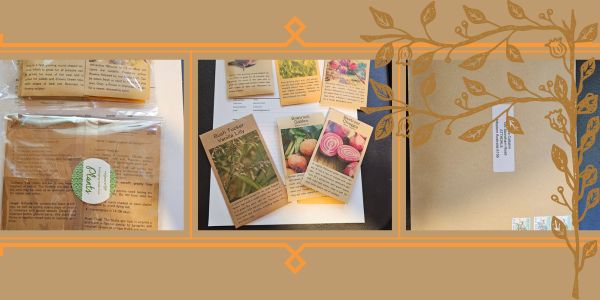
Not only are our seeds packed in recycled paper envelopes, we keep the theme going when we post out website orders. To protect your seeds from moisture and the letter box munchers (snails), we use a very special plastic free material made from plants. They are then put into recycled mailing envelopes. Green all the way ????????
Delivery Guarantee
We take great care to make sure your seeds arrive safely. If your order is lost or damaged in transit, we’ll happily send a replacement. Unfortunately, we can’t replace or refund orders that arrive later than the estimated delivery date, as delays can sometimes occur that are outside our control.
Please note that all dispatch and delivery times listed are estimates only. While we do our best to post promptly, delivery timeframes can vary due to postal service delays, weather events, or other unforeseen circumstances. We’re unable to take responsibility for any loss, damage, or cost that results from a late delivery.
An order is not considered missing until at least 20 business days have passed from the postage date. You’ll receive an email once your seeds have been posted, letting you know they’re on their way. If you don’t see it in your main inbox, please check your Spam or Promotions folders as sometimes our emails like to hide there.

See all our verified customer reviews on our official CusRev profile.