





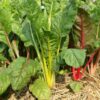


Silverbeet Rainbow Chard
$4.95
Beta Vulgaris
- Seed Count 50
- Mix of yellow, white, pink and red
- Hardy Biennial
Only 1 left in stock
Description
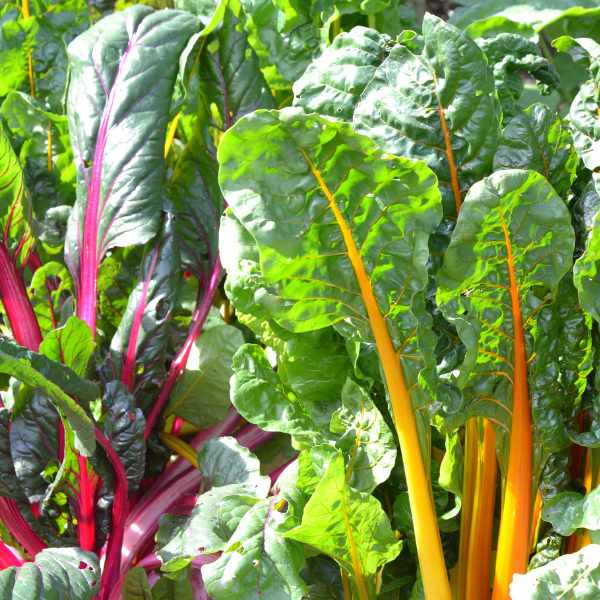
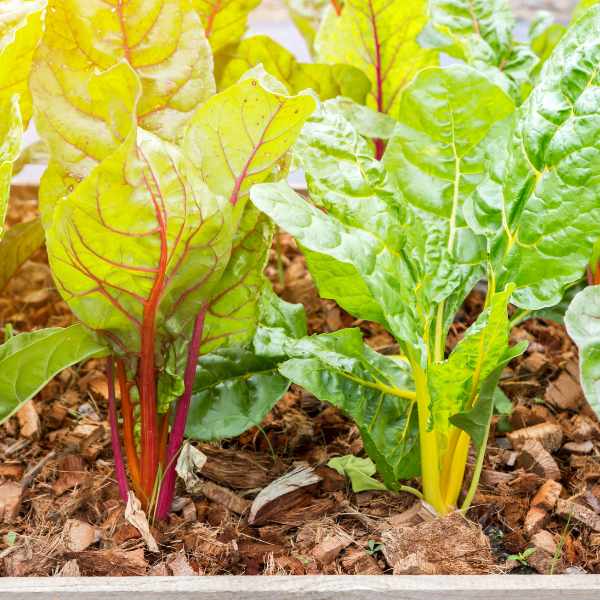
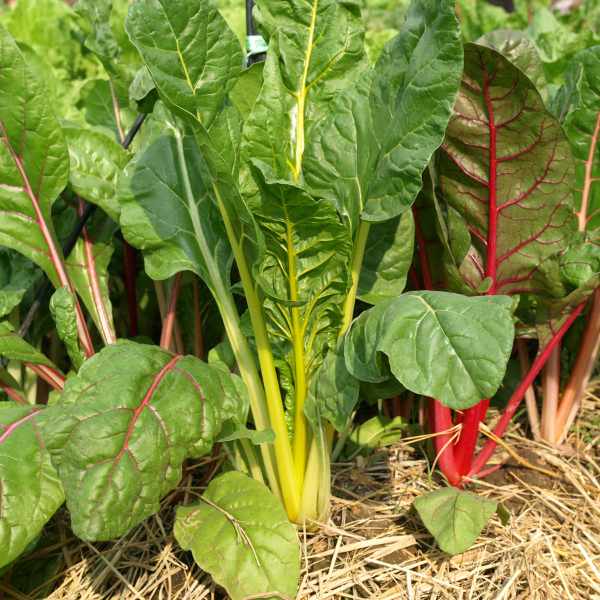
Silverbeet Rainbow Chard with stems that blaze in hues of red, pink, golden orange, and yellow, is as much a feast for the eyes as it is for the plate. But don’t let its looks fool you; beneath that showy exterior lies a hardy, versatile green that’s as practical as it is pretty.
The young leaves, harvested early, make a mild addition to salads, their texture delicate and their flavour fresh. Left to mature, they develop a deeper, more robust taste, ideal for wilting into stir-fries, soups, or sautés. The stems, often overlooked in other greens, are a standout here: sliced thinly, they add a bright, juicy crunch to raw dishes, or when cooked, a subtle sweetness.
While it thrives in temperate conditions, it’s remarkably forgiving across Australia’s varied climates. From the cooler south to the subtropical north, this plant persists, though it appreciates a little respite during the fiercest summer heat. A bit of shade during midday sun, or strategic planting to avoid the harshest months, keeps it producing lush growth even when temperatures climb. It’s the kind of crop that suits both the meticulous gardener and the casual grower – low fuss, high reward.
Nutritionally, it’s a powerhouse. Packed with vitamins A, C, and K, along with minerals like magnesium and iron, it’s a leafy green that delivers more than just flavour. The colourful stems aren’t just for show, either; those pigments signal the presence of antioxidants and phytonutrients, compounds that support overall health. Whether you’re tossing it raw into a lunchtime bowl or simmering it into a hearty dinner, this is a vegetable that nourishes as it satisfies.
| Method: Sow direct | Soil Temp: 10°C - 30°C |
| Cool Mountain: Sep - Mar | Position: Part sun |
| Arid: Jan - Dec | Row Spacing: 30cm apart |
| Temperate: Sep - May | Planting Depth: 10mm |
| Sub Tropical: Jan - Dec | Harvest: 60 days |
| Tropical: Apr - Jul | Plant Height: 40cm |
🥬 Silverbeet Grow Guide
Silverbeet is a reliable leafy green grown for its broad leaves, crisp stems, and long harvest period. It is one of the most useful vegetables in the home garden because it can be picked leaf by leaf rather than harvested all at once. The leaves are cooked like spinach, while the stems can be chopped, sautéed, steamed, added to soups, baked dishes, stir-fries, and pies.
Silverbeet is forgiving, productive, and well suited to garden beds, raised beds, and large containers. It does best with steady moisture, fertile soil, and regular harvesting. With good care, a few healthy plants can provide a generous supply of greens for the kitchen.
🌱 Sowing in Trays Versus Direct Sowing
Silverbeet can be grown by direct sowing or by starting seed in trays, and both methods work well. However, sowing in trays is usually the best method for most gardeners because it gives better control over spacing, moisture, and early seedling protection.
To sow in trays, use a quality seed-raising mix and sow seed about 1 to 2 cm deep. Water gently and keep the mix evenly moist but not soggy. Silverbeet seed is quite large and easy to handle. Once seedlings are sturdy and have several true leaves, transplant them into their final position. Handle seedlings gently and water them in well after planting.
Direct sowing can also be successful in a well-prepared, weed-free bed. Sow seed shallowly, cover with fine soil, and water gently. Once seedlings appear, thin them so the strongest plants have enough room to grow broad leaves and thick stems. Crowded plants can become weak, small, and more prone to disease.
For neat spacing and strong early growth, tray sowing is preferred, especially if pests are likely to damage young seedlings.
🌾 Seed Pre-Treatment
Silverbeet seed does not require special pre-treatment. There is usually no need for soaking, chilling, or scarifying.
The seed is naturally enclosed in a corky cluster that may produce more than one seedling. This means a single “seed” can sometimes send up several shoots. If this happens, thin the weaker seedlings and keep the strongest one, or carefully separate them when small.
Soaking seed for a few hours before sowing is optional and may help speed germination, but it is not necessary. If soaking, sow the seed promptly and avoid leaving it in water for too long, as overly wet seed can rot.
🌞 Soil and Position
Silverbeet grows best in full sun to light partial shade. Good light encourages strong leaf growth, while light shade can help reduce stress in hot or exposed gardens.
The soil should be fertile, well-drained, and moisture-retentive. Silverbeet is a leafy crop, so it appreciates soil enriched with compost, aged manure, worm castings, or well-rotted organic matter before planting. The ideal soil holds steady moisture but does not become waterlogged.
Avoid shallow, dry, compacted, or very poor soil. Dry stress can make leaves smaller and stems tougher. Waterlogged soil can cause yellowing, root problems, and weak growth.
Silverbeet also grows well in containers. Choose a deep pot with drainage holes and use a premium potting mix. A larger container is better than a small one because silverbeet has a strong root system and needs consistent moisture to produce large leaves.
💧 Care and Maintenance
Silverbeet is easy to care for, but it performs best with regular watering and feeding. Keep the soil evenly moist, especially while plants are establishing and during active leaf production. Avoid letting the soil dry out completely, as this can slow growth and reduce leaf quality.
Mulch around plants to conserve moisture, suppress weeds, and keep the root zone stable. Keep mulch slightly away from the crown to reduce the risk of rot.
Feed regularly with compost, worm tea, liquid seaweed, fish emulsion, or a balanced vegetable fertiliser. Silverbeet is grown mainly for leaves, so steady nutrition encourages fresh, tender growth. Avoid excessive feeding, as very soft growth may attract aphids and other pests.
Harvest often by removing outer leaves. This encourages the plant to keep producing new growth from the centre. Remove old, damaged, yellowing, or diseased leaves to improve airflow and keep the plant tidy.
Good spacing is important. Crowded plants are more likely to develop fungal problems and produce smaller leaves. Keep weeds under control, especially while plants are young.
🐝 Companion Planting Guide
Silverbeet is a flexible companion plant because it grows upright and fits well into mixed vegetable beds. Its broad leaves can provide light shelter to smaller crops, while flowering companions nearby help attract beneficial insects.
Good companions include carrots, beetroot, lettuce, onions, chives, spring onions, peas, beans, cabbage, broccoli, kale, celery, parsley, coriander, dill, calendula, alyssum, marigold, nasturtium, chamomile, and yarrow.
Calendula, alyssum, dill, coriander, and yarrow are especially useful because their flowers attract hoverflies, bees, and other beneficial insects. Lettuce and other leafy greens grow well nearby because they enjoy similar moisture and fertility.
Avoid planting silverbeet where it will be shaded heavily by large sprawling crops. Also avoid crowding it with vigorous groundcovers that reduce airflow or compete heavily for water.
✂️ How to Harvest
Harvest silverbeet by cutting or twisting off the outer leaves first, leaving the central growing point intact. This allows the plant to keep producing new leaves over time.
Use clean scissors or a sharp knife and cut leaves close to the base without damaging the crown. Pick leaves when they are young and tender for the best texture, or allow them to grow larger for cooking. Older leaves are still useful but may need longer cooking.
The stems are edible and should not be wasted. Separate thick stems from the leafy blade if needed, as stems often take longer to cook. Young leaves can be cooked whole, while larger leaves are best chopped.
Harvest regularly. If too many old leaves are left on the plant, growth can slow and the plant may become untidy.
⚠️ Common Issues and Fixes
| Issue | Likely Cause | Fix |
|---|---|---|
| Poor germination | Old seed, dry soil, seed buried too deeply | Use fresh seed, sow at the correct depth, keep evenly moist |
| Several seedlings from one seed | Natural seed cluster | Thin to the strongest seedling or separate carefully when small |
| Seedlings collapse | Overwatering, poor airflow, fungal disease | Use clean seed mix, avoid soggy conditions, improve ventilation |
| Leggy seedlings | Not enough light or overcrowding | Move to brighter light and thin seedlings early |
| Small leaves | Poor soil, dry conditions, overcrowding | Add compost, water consistently, space plants properly |
| Yellowing leaves | Waterlogging, nutrient shortage, old leaves | Improve drainage, feed lightly, remove tired leaves |
| Tough stems | Dry stress, slow growth, old leaves | Water steadily and harvest younger leaves |
| Leaf spots | Damp foliage, poor airflow, fungal disease | Space plants well, water at soil level, remove affected leaves |
| Holes in leaves | Slugs, snails, caterpillars, or beetles | Inspect regularly, hand-pick pests, protect young plants |
| Aphids | Soft new growth attracting sap-sucking insects | Hose off gently, encourage beneficial insects, avoid overfeeding |
| Leaf miner trails | Larvae feeding inside leaves | Remove affected leaves promptly and use fine insect netting if needed |
| Plants wilting | Dry soil, root damage, heat stress | Water deeply, mulch well, check roots and drainage |
| Plants flowering early | Stress, dryness, old plants, root disturbance | Keep moisture steady, harvest regularly, replace tired plants |
🌰 Detailed Seed Saving Guide
Saving silverbeet seed takes patience because the plant must be allowed to mature, flower, and set seed. Choose the healthiest, strongest plants with large leaves, good stem colour, strong flavour, and steady growth. Avoid saving seed from weak plants, diseased plants, or plants that flower unusually early.
Leave selected plants in the garden instead of harvesting them heavily. They will eventually send up tall flower stalks. These stalks can become large and may need staking if they lean or are exposed to wind.
Silverbeet can cross with closely related leafy and root crops, including beetroot and other chard types, if they are flowering nearby. For more predictable seed, allow only one compatible type to flower for seed in the area, or separate flowering plants by a generous distance.
Allow the flower stalks to mature until the seed clusters turn dry, brown, and firm. Do not harvest too early, as immature seed may not store or germinate well. If wet weather threatens once seed is nearly dry, cut the stalks and hang them upside down in a dry, shaded, airy place to finish drying.
Once fully dry, strip the seed clusters from the stems by hand. Wear gloves if the stalks are rough. Spread the seed on a tray or sheet of paper for several more days to make sure it is completely dry.
Store the seed in a labelled paper envelope or small airtight jar. Include the plant name, stem colour if useful, and collection date. Keep seed in a cool, dark, dry place. Make sure the seed is fully dry before sealing it in a jar, as trapped moisture can cause mould.
For stronger future plants, save seed from several healthy plants rather than only one. This helps maintain vigour and gives you a better selection of seedlings.
🌿 Final Thoughts
Silverbeet is one of the most dependable leafy greens to grow from seed. It is best started in trays for strong early growth and easy spacing, though direct sowing also works well in a clean, prepared bed. No special seed pre-treatment is required.
Give silverbeet fertile soil, steady moisture, good light, and regular harvesting. Pick the outer leaves often, keep the centre growing, feed lightly but consistently, and remove old foliage to maintain healthy plants. With simple care, silverbeet can provide generous harvests of leaves and stems for many meals.

Postage Charge
Orders under $40 attract a $5.50 shipping charge. Orders $35 and above have free shipping.
*** We cannot deliver to Parcel Lockers ***
Order Times
Seed orders are normally dispatched within three business days. You will receive an email when seeds are mailed out.
Postage Days
Seeds are mailed out Tuesday to Friday at 1pm. Except for the Friday of long weekends.
Postage Times
WA 2-3 Days: SA,NT 3-5 Days: NSW, ACT, QLD, VIC: 5-7 Days
Carrier
We use Australia Post Letter Postage for the majority of orders.

Not only are our seeds packed in recycled paper envelopes, we keep the theme going when we post out website orders. To protect your seeds from moisture and the letter box munchers (snails), we use a very special plastic free material made from plants. They are then put into recycled mailing envelopes. Green all the way ????????
Delivery Guarantee
We take great care to make sure your seeds arrive safely. If your order is lost or damaged in transit, we’ll happily send a replacement. Unfortunately, we can’t replace or refund orders that arrive later than the estimated delivery date, as delays can sometimes occur that are outside our control.
Please note that all dispatch and delivery times listed are estimates only. While we do our best to post promptly, delivery timeframes can vary due to postal service delays, weather events, or other unforeseen circumstances. We’re unable to take responsibility for any loss, damage, or cost that results from a late delivery.
An order is not considered missing until at least 20 business days have passed from the postage date. You’ll receive an email once your seeds have been posted, letting you know they’re on their way. If you don’t see it in your main inbox, please check your Spam or Promotions folders as sometimes our emails like to hide there.

Reviews
There are no reviews yet