




Coriander Slow Bolt
$4.95
Coriandrum Sativum
- Seed Count 100
- Cool Season
- Annual
Out of stock
Email when stock available
Description
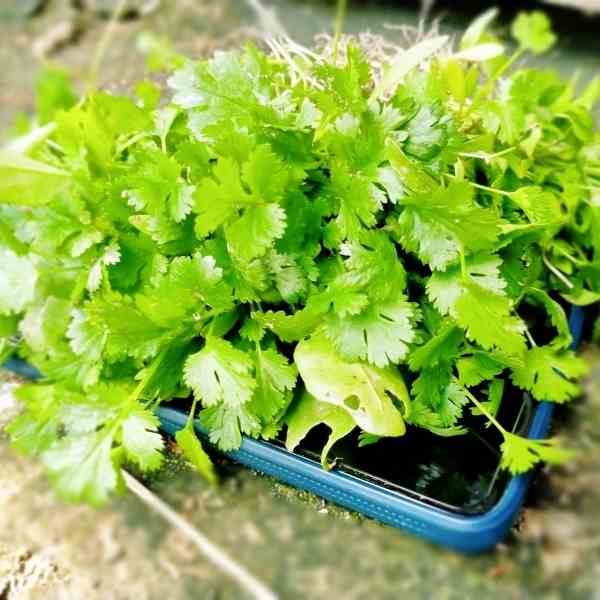
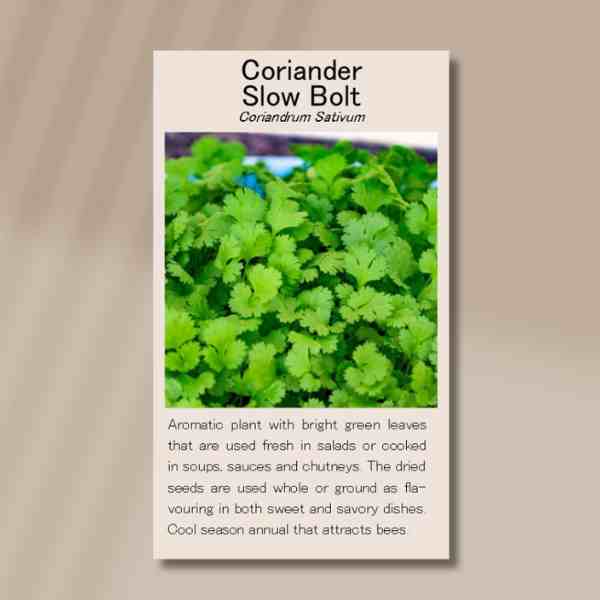
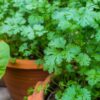
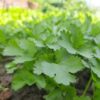
Coriander Slow Bolt is a variety that is loved for its resilience as it’s slow to run to seed (or “bolt”), giving you a longer harvest window and a better chance at bushy, productive plants full of those unmistakable aromatic leaves.
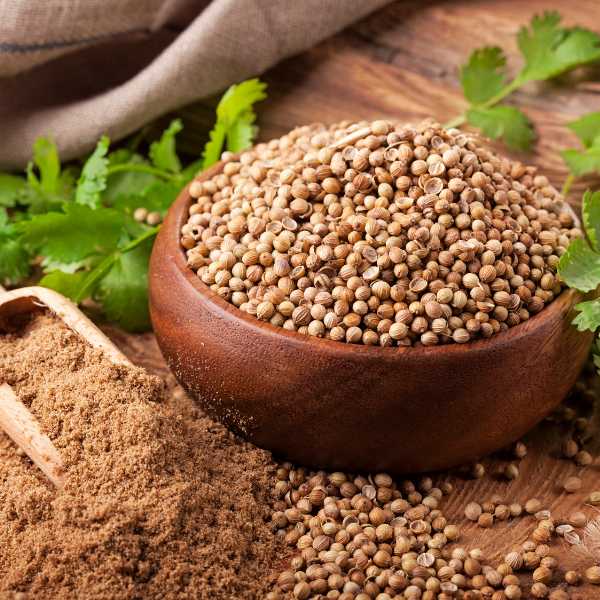
One of the things that makes coriander so special is that it gives you two distinct harvests from a single plant. The fresh green leaves which are are pungent, peppery, and citrusy all at once and then there are the seeds, which once dried, offer a completely different flavour, warm, nutty, and just a little citrusy, without the sharpness of the leaves. These little globes are what we grind down to make ground coriander, a pantry staple in Indian, Middle Eastern, African and even European cooking.
Herbs like coriander are one of the quickest ways to elevate your cooking — but they can really add up if you’re buying fresh bunches each week. And dried herbs, their flavour tends to fade fast, especially if they’ve been sitting on a shelf. That’s where home growing changes everything. Even a small pot on a sunny balcony or back step can give you handfuls of fresh leaves just when you need them. No more last-minute trips to the shops. No more wastage. Just a lush, fresh herb on demand, full of flavour and picked the moment you need it.
Coriander Slow Bolt isn’t a hard plant to grow. In fact, it’s one of those herbs that quietly does its thing with minimal fuss. Once it’s up and going, it tends to look after itself. With a little water, a bit of sun, and a pinch here and there, you’ll be well on your way to more flavourful meals and a good deal of satisfaction.
It’s a great variety for all levels of experience, including new gardeners dipping their toes into herbs for the first time. It’s forgiving, generous, and well-suited to both garden beds and containers. Its compact habit means you can tuck it in between other plants, or give it a pot of its own on the balcony.
And thanks to its bolt-resistance, you’re more likely to get a solid harvest of fresh leaves before the plant shifts into seed-making mode. This is especially important in Australian gardens, where warmer temperatures can often make regular coriander varieties jump straight to flowering before you’ve had a chance to harvest much.
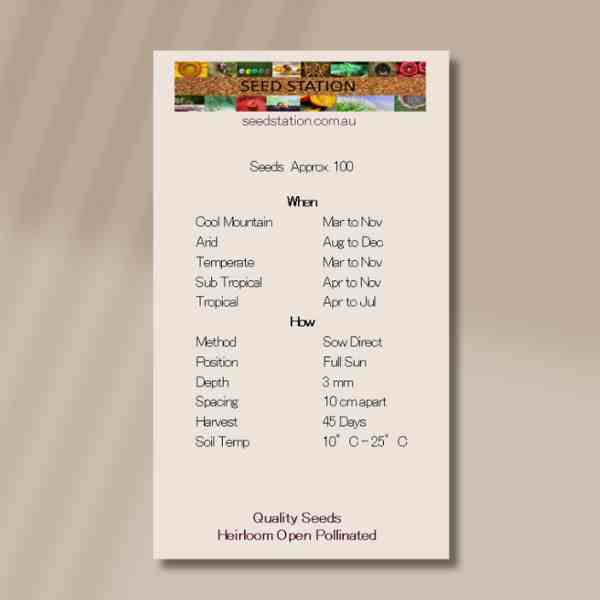
| Method: Sow direct | Soil Temp: 10°C - 25°C |
| Cool Mountain: Mar - Nov | Position: Full Sun |
| Arid: Aug - Dec | Row Spacing: 10 cm |
| Temperate: Mar - Nov | Harvest: 45 Days |
| Sub Tropical: Apr - Nov | Planting Depth: 3 mm |
| Tropical: Apr - Jul | Plant Height: 30 cm |
🌿 Coriander Grow Guide
Coriander is a fast-growing, fragrant herb grown for its fresh leafy tops, tender stems, flowers, green seed, and dried seed. It is a useful kitchen garden plant because almost every stage can be harvested. The leaves have a bright citrusy flavour, the stems are full of aroma, the flowers attract beneficial insects, and the mature seed can be dried for cooking or saving.
Coriander is rewarding, but it can be quick to flower if stressed. The secret to good leafy growth is to give it loose soil, steady moisture, gentle feeding, and enough space. It grows best when allowed to establish where it is sown, because it has a delicate taproot and does not enjoy being disturbed.
🌱 Sowing in Trays Versus Direct Sowing
Coriander can be grown in trays or sown directly into the garden, but direct sowing is usually the best method. Coriander forms a taproot early, and transplanting can disturb the root system. Root disturbance often causes stress, and stressed plants are more likely to flower early instead of producing lots of soft leaves.
To direct sow, prepare a fine, weed-free bed with loose soil. Sow seeds about 5 to 10 mm deep, cover lightly, and water gently. Keep the soil evenly moist while the seeds germinate. Once seedlings are large enough to handle, thin them so each plant has enough room to grow leafy and strong.
Tray sowing can still work if you use deep cells, root trainers, or biodegradable pots. Avoid shallow trays, as the roots can become cramped quickly. Sow a few seeds per cell and plant out while seedlings are still young, disturbing the roots as little as possible. Do not let coriander become root-bound before planting out.
For most gardeners, direct sowing is preferred because it reduces transplant shock and gives stronger, longer-lasting plants.
🌾 Seed Pre-Treatment
Coriander seed does not require special pre-treatment, but germination can be improved by gently preparing the seed before sowing.
The “seed” is actually a dry round fruit that often contains two seed halves inside. Lightly crushing or splitting the round seed between your fingers can help moisture reach the seed inside. Do not grind it into powder, just crack it gently.
Soaking seed for a few hours before sowing can also help speed germination, especially if the seed is very dry. After soaking, sow straight away into moist soil or seed mix. Do not leave seed soaking for too long, as overly wet seed may rot.
Fresh seed gives the best results. Old seed may germinate slowly or unevenly.
🌞 Soil and Position
Coriander grows best in full sun to light partial shade. A bright position encourages healthy growth, but in hot or exposed gardens, light afternoon shade can help reduce stress and slow early flowering.
The soil should be loose, fertile, moisture-retentive, and free-draining. Coriander dislikes heavy, compacted soil because the taproot needs to grow down easily. Before sowing, loosen the soil well and mix in compost or well-rotted organic matter.
Avoid very rich, heavily fertilised soil. Too much nitrogen can create soft, weak growth and may reduce flavour. The best soil is gently fertile, not overly lush.
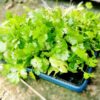
In containers, choose a deep pot with good drainage holes. A shallow pot is not ideal because coriander roots need depth. Use a quality potting mix and keep moisture steady, as pots dry out faster than garden beds.
💧 Care and Maintenance
Coriander needs steady moisture to produce soft, leafy growth. Water regularly so the soil stays lightly moist but not waterlogged. Dry soil is one of the main reasons coriander becomes stressed and flowers early.
Mulch lightly around established plants to conserve moisture and reduce weed competition. Keep mulch away from the stem base to prevent rot.
Feed gently. If the soil has been prepared with compost, coriander usually needs little extra fertiliser. In poor soil, use a weak liquid feed or light organic fertiliser. Avoid strong high-nitrogen feeding.
Thin seedlings early. Crowded coriander becomes weak, stretched, and more likely to flower. Good spacing improves airflow and makes harvesting easier.
To encourage leafy growth, harvest regularly by cutting outer leaves and stems. Do not strip the whole plant bare unless you are harvesting it completely. If flower stems begin to appear, you can pinch them out for a short time, but once coriander is determined to flower, it is often best to let it bloom for beneficial insects or seed.
🐝 Companion Planting Guide
Coriander is an excellent companion plant because its flowers attract bees, hoverflies, lacewings, ladybirds, and tiny beneficial wasps. These insects help create a more balanced garden and may assist with pest control.
Good companions include lettuce, spinach, silverbeet, tomatoes, capsicum, eggplant, carrots, beetroot, peas, beans, cucumber, cabbage, broccoli, kale, chives, parsley, basil, calendula, alyssum, marigold, nasturtium, chamomile, and dill.
Coriander is especially useful near vegetable beds because its small flowers are easy for beneficial insects to access. It also works well between taller plants that provide light filtered shade, as long as it still receives enough brightness.
Avoid planting coriander where it will be smothered by large sprawling plants. It also dislikes competing with aggressive herbs or dense groundcovers. Give it airflow, root space, and consistent moisture.
✂️ How to Harvest
Coriander leaves can be harvested once plants are large enough to recover from cutting. Pick the outer leaves first, or snip leafy stems just above a growing point. Regular light harvesting encourages fresh growth.
For a larger harvest, cut the plant about a few centimetres above the soil, leaving some growing points if you want regrowth. Coriander may regrow after cutting, but it is naturally short-lived, so repeated sowings are often used for a steady supply.
The stems are edible and full of flavour, so do not waste them. They can be chopped into sauces, curries, soups, marinades, and dressings.
Flowers can be harvested fresh for salads or garnishes. Green seed can be picked while soft and aromatic. Mature seed should be harvested when it turns dry and brown. Once fully dry, it can be stored as a spice or kept for sowing.
⚠️ Common Issues and Fixes
| Issue | Likely Cause | Fix |
|---|---|---|
| Poor germination | Old seed, dry soil, seed sown too deeply | Use fresh seed, sow shallowly, keep evenly moist |
| Patchy germination | Whole seed not cracked, uneven moisture | Gently crack seed before sowing and water consistently |
| Seed rotting | Soil too wet or poorly drained | Improve drainage and avoid waterlogged conditions |
| Leggy seedlings | Not enough light or overcrowding | Grow in brighter light and thin seedlings early |
| Early flowering | Dry soil, root disturbance, heat stress, overcrowding | Direct sow, water steadily, thin plants, provide light shade in harsh spots |
| Yellowing leaves | Waterlogging, nutrient shortage, old leaves | Improve drainage, feed lightly, remove tired leaves |
| Weak leafy growth | Poor soil, lack of moisture, cramped roots | Add compost, water evenly, use deeper containers |
| Leaves turning tough | Plant is stressed or beginning to flower | Harvest earlier and keep soil moisture steady |
| Aphids | Soft new growth attracting sap-sucking insects | Hose off gently, encourage beneficial insects, use insecticidal soap if needed |
| Leaf spots | Poor airflow, wet foliage, crowded plants | Thin plants, water at soil level, remove affected leaves |
| Slug or snail damage | Tender seedlings exposed | Protect young plants, check at night, use barriers |
| Plants collapse | Overwatering, fungal disease, weak stems | Avoid soggy soil, improve airflow, thin crowded seedlings |
| Poor flavour | Old leaves, stressed growth, excess feeding | Harvest younger leaves, water evenly, avoid overfeeding |
🌰 Detailed Seed Saving Guide
Saving coriander seed is easy and very worthwhile. Choose healthy plants with strong growth, good flavour, and slow flowering compared with the rest of the crop. Avoid saving seed from weak plants, diseased plants, or plants that flowered unusually early.
Allow selected plants to flower fully. The flowers will be followed by small green seed clusters. Leave these on the plant until the seed turns dry, round, and brown. Do not harvest too early, as immature seed may not store well or germinate reliably.
When most seed heads are dry, cut the stems and place them upside down in a paper bag. Label the bag immediately. Keep it in a dry, shaded, airy place so the seeds can finish drying and drop into the bag.
Once fully dry, rub the seed heads gently between your hands to release the seed. Remove stems, leaves, and loose chaff. Spread the seed on paper for several extra days to make sure it is completely dry before storage.
Store the seed in a labelled paper envelope or small airtight jar. Include the plant name and collection date. Keep seed in a cool, dark, dry place. For best results, save seed from several strong plants rather than only one, as this helps maintain vigour and gives a better chance of reliable future crops.
Coriander can self-sow if seed is left to fall, so remove mature seed heads promptly if you do not want new seedlings appearing nearby.
🌿 Final Thoughts
Coriander is a generous herb when grown with the right approach. It is best sown directly because the taproot dislikes disturbance, and steady moisture is the key to good leafy growth. No special pre-treatment is required, but gently cracking or briefly soaking the seed can improve germination.
Give coriander loose soil, gentle fertility, good light, and regular harvesting. Let a few plants flower for beneficial insects and seed saving, and you will gain leaves, stems, flowers, spice, and future seed from one simple crop.
4 reviews for Coriander Slow Bolt

Postage Charge
Orders under $40 attract a $5.50 shipping charge. Orders $35 and above have free shipping.
*** We cannot deliver to Parcel Lockers ***
Order Times
Seed orders are normally dispatched within three business days. You will receive an email when seeds are mailed out.
Postage Days
Seeds are mailed out Tuesday to Friday at 1pm. Except for the Friday of long weekends.
Postage Times
WA 2-3 Days: SA,NT 3-5 Days: NSW, ACT, QLD, VIC: 5-7 Days
Carrier
We use Australia Post Letter Postage for the majority of orders.
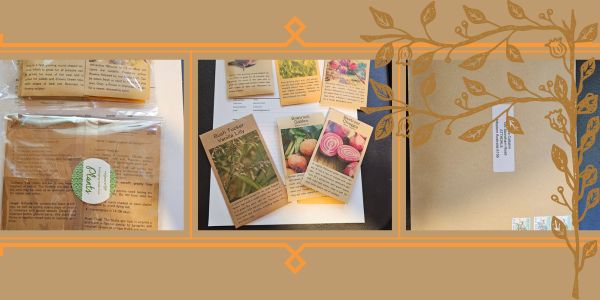
Not only are our seeds packed in recycled paper envelopes, we keep the theme going when we post out website orders. To protect your seeds from moisture and the letter box munchers (snails), we use a very special plastic free material made from plants. They are then put into recycled mailing envelopes. Green all the way ????????
Delivery Guarantee
We take great care to make sure your seeds arrive safely. If your order is lost or damaged in transit, we’ll happily send a replacement. Unfortunately, we can’t replace or refund orders that arrive later than the estimated delivery date, as delays can sometimes occur that are outside our control.
Please note that all dispatch and delivery times listed are estimates only. While we do our best to post promptly, delivery timeframes can vary due to postal service delays, weather events, or other unforeseen circumstances. We’re unable to take responsibility for any loss, damage, or cost that results from a late delivery.
An order is not considered missing until at least 20 business days have passed from the postage date. You’ll receive an email once your seeds have been posted, letting you know they’re on their way. If you don’t see it in your main inbox, please check your Spam or Promotions folders as sometimes our emails like to hide there.
See all our verified customer reviews on our official CusRev profile.
See all our verified customer reviews on our official CusRev profile.
See all our verified customer reviews on our official CusRev profile.
Hi I sent another email but I never received my seeds?
See all our verified customer reviews on our official CusRev profile.
Hi Denae, I have jut spotted your review. Many apologies for the lateness of my response, I did not receive a second email about your order and so I thought that your seeds had arrived. Could you advise? Thanks Jacqueline
See all our verified customer reviews on our official CusRev profile.
Hi Denae, I responded to your email yesterday to say that Australia Post were advising of longer than normal postage times and that I would of course replace your order if the seeds never arrived. My reply may have gone to your junk email folder. Could you check and get back to me. Many thanks Jacqueline
See all our verified customer reviews on our official CusRev profile.