Nigella The Ethereal Beauty Every Aussie Garden Needs
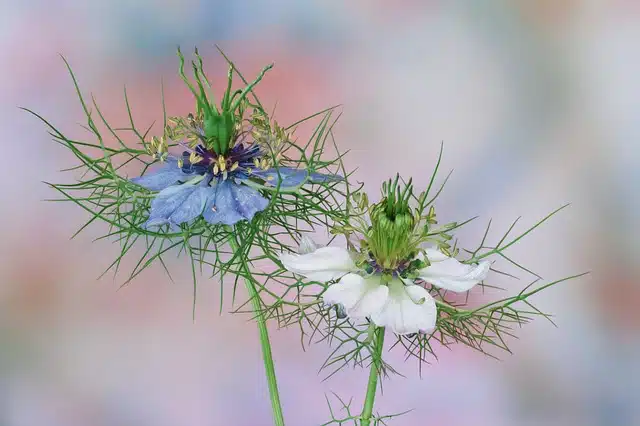
Imagine a plant that looks like it’s been plucked straight from a fairy tale—wispy, delicate, and crowned with starry blooms that dance above feathery foliage. Meet Nigella (often called Love-in-a-Mist), a fast-growing annual that’s as enchanting as it is easy to grow. Perfect for cottage gardens, pots, or even rockeries, this buttercup-family gem is a must-have for gardeners looking to add texture, charm, and a touch of magic to their outdoor spaces. Let’s dive into why Nigella deserves a spot in your garden—and how to grow it successfully!
Why Grow Nigella?
Nigella is a botanical showstopper with dual appeal: its intricate, lace-like foliage and striking 4cm flowers in shades of blue, white, or pink. Growing up to 50cm tall with a 25cm spread, it’s ideal for filling gaps in borders, softening rock gardens, or spilling gracefully from containers. But its charm isn’t just skin-deep—Nigella is a hardy, low-fuss plant that is also a pollinator magnet, drawing bees to its nectar-rich blooms.
For those who adore cottage-style gardens or crave a romantic, whimsical vibe, Nigella’s self-seeding habit means it’ll return year after year, weaving itself into your garden’s story with minimal effort.
Growing Guide: How to Sow & Care for Nigella
When to Plant
Sow Nigella seeds in spring (September–November) or early autumn (March–April). Avoid the intense heat of summer, as young plants may struggle.
Planting Tips
- Direct sowing is key! Nigella develops a long taproot and hates being transplanted. Scatter seeds by hand, then lightly rake them into well-draining soil.
- Succession planting = more blooms! Sow batches 1–2 weeks apart for a continuous floral display from late spring through autumn.
- Don’t overcrowd. Space seeds 15–20cm apart to prevent spindly stems as they stretch for sunlight.
Ideal Conditions
- Sun: Full sun to light shade. In hotter regions (looking at you, QLD and WA!), opt for a spot with afternoon shade.
- Soil: Average to well-drained soil is fine—Nigella isn’t picky! Avoid waterlogged areas.
- Water: Keep soil moderately moist but not soggy. Drought-tolerant once established.
Gardening Tips for Aussie Climates
- Support in Windy Areas: If your garden battles strong winds (hello, coastal gardeners!), use twiggy sticks to prop up delicate stems.
- Beat the Heat: In scorching summers, mulch around plants to retain moisture and cool the roots.
- Pest Watch: While largely pest-resistant, keep an eye out for aphids. Blast them off with water or use an organic insecticidal soap.
- Let It Self-Seed: After blooming, allow flowers to form papery seed pods. These will drop seeds naturally, ensuring a fresh crop next season!
Creative Uses for Nigella
- Cut Flowers & Dried Arrangements: Nigella’s blooms and seed pods add texture to bouquets.
- Rock Gardens: Its airy foliage contrasts beautifully with succulents and stones.
- Pots & Balconies: Compact enough for urban gardens—pair with alyssum or pansies.
Why Aussie Gardeners Love Nigella
- Low Maintenance: Perfect for busy gardeners! No fertiliser needed, just occasional watering.
- Self-Sowing Superstar: Once established, it’s a gift that keeps on giving.
- Pollinator-Friendly: Supports local bee populations—eco-warriors, rejoice!
Ready to Grow Your Own Nigella?
Whether you’re crafting a cottage garden oasis or adding flair to a patio pot, Nigella’s dreamy blooms and fuss-free nature make it a winner. At Seed Station, we’re proud to offer premium Nigella seeds, specially selected for Australian conditions.
Shop our Nigella seeds today and let this enchanting plant weave its magic into your garden! ????