

Rose Mallow Silver Cup
$4.95
Lavatera Trimestris
- Seed Count 100
- Show Stopper
- Biennial
- Height 60 cm
Out of stock
Email when stock available
Description
Winner of the Royal Horticultural Society’s prestigious Award Of Garden Merit, Rose Mallow Silver Cup has large hibiscus-like flowers, that are pink with a silver sheen.
It is a fast-growing plant that is well-regarded for its large, showy blooms.
A strong compact plant growing some 60cm tall by 40cm across that is suitable for containers or to plant on mass in garden beds.
Grows in pretty much any soil so long as it gets sunshine and shelter from winds. Plus It makes a great cut flower.
| Method: Sow direct or seedlings | Soil Temp: 10°C - 25°C |
| Cool Mountain: Nov - Dec | Position: Part sun |
| Arid: Aug - Jan | Row Spacing: 30 cm |
| Temperate: Sep-Nov, Mar-Jun | Planting Depth: 3 mm |
| Sub Tropical: May - Oct | Harvest: 140 Days |
| Tropical: Jun - Aug | Plant Height: 60 cm |
🌸 Lavatera Grow Guide
🌱 Overview
Lavatera is a fast-growing flowering plant loved for its soft, open, hibiscus-like blooms and relaxed cottage-garden appearance. Flowers are commonly pink, rose, white, or blush-toned, often carried above fresh green foliage on upright, branching stems. It is an excellent choice for flower borders, pollinator gardens, informal hedges, cutting gardens, wildflower-style beds, and large containers.
Lavatera is generous, quick to flower, and usually easy from seed. It brings height, softness, and movement to the garden without needing complicated care. Bees and other beneficial insects are strongly attracted to the flowers, making it useful as both an ornamental feature and a companion plant near productive beds.
Although related mallow-type plants may have edible parts, Lavatera is best treated as an ornamental flower unless your seed packet specifically confirms culinary use.
🌾 Sowing in Trays Versus Direct Sowing
Lavatera can be grown by direct sowing or by starting seed in trays, but direct sowing is usually the best method where the garden bed is ready and pest pressure is manageable. The seedlings grow quickly and do not always appreciate unnecessary root disturbance, so sowing where they are to grow often produces stronger, more settled plants.
To direct sow, prepare a loose, weed-free bed with fine soil. Sow the seed about 5 to 10 mm deep, cover lightly, and water gently. Keep the soil evenly moist until seedlings appear. Once they are large enough to handle, thin them so each plant has enough room to branch naturally.
Tray sowing is still useful if you need to protect seedlings from slugs, snails, birds, ants, heavy rain, or competition from weeds. Use individual cells or small pots rather than a crowded punnet. Sow one or two seeds per cell, then keep the strongest seedling. Transplant while young, before roots circle the pot, and handle gently to avoid root stress.
Best method: direct sowing is recommended for Lavatera because it allows the plant to establish without transplant shock. Tray sowing is a good backup method when seedlings need extra protection.
💧 Seed Pretreatment
Lavatera seed usually does not require pretreatment. Fresh seed normally germinates well with shallow sowing, steady moisture, and warmth.
For older seed or seed with a noticeably hard coat, an optional overnight soak in room-temperature water can help. Soak for around 12 hours, then sow promptly. If seed still seems very hard, gently rubbing one side with fine sandpaper before soaking may improve water uptake, but this is not usually necessary.
Avoid long soaking, as seed left wet for too long can rot.
🪴 Soil and Position
Lavatera grows best in full sun with good airflow. A bright position encourages strong stems, heavier flowering, and compact growth. In too much shade, plants may become tall, soft, and less floriferous.
The soil should be well drained and moderately fertile. Lavatera does not need overly rich soil. In fact, too much fertility, especially too much nitrogen, can create lush leafy growth with fewer flowers and weaker stems. Light loam, sandy loam, improved garden soil, and raised beds are all suitable.
If the soil is heavy clay, improve drainage before sowing or planting. Compost can be added, but avoid making the bed too rich. For pots, use a quality potting mix with good drainage and choose a container large enough to support a broad, flowering plant.
🌿 Care and Maintenance
Lavatera is low maintenance once established, but early care makes a big difference. Keep young seedlings evenly moist while they settle in. Once plants are growing strongly, water deeply rather than constantly sprinkling the surface. Mature plants can handle short dry spells, but regular deep watering encourages better flowering.
Mulch around plants once seedlings are established. Use straw, sugarcane mulch, composted bark, or leaf mulch, keeping it slightly away from the stem. Mulch helps reduce weeds, conserve moisture, and protect the root zone.
Feeding should be light. A small amount of compost or a mild flower fertiliser is usually enough. Avoid heavy feeding, as this can produce soft, leafy growth that flops over and flowers poorly.
Pinching the growing tips when plants are young can encourage bushier growth and more flowering stems. Taller plants may need light support in windy positions. Use stakes, twiggy branches, or a loose plant ring before stems become heavy.
Deadhead spent flowers regularly to keep the plant tidy and encourage further blooming. Leave some flowers to mature if you want to save seed.
🌼 Companion Planting Guide
Lavatera works beautifully with plants that enjoy sun, airflow, and moderate fertility. It is especially useful in pollinator-friendly gardens because its open flowers attract bees and beneficial insects.
Good companions include calendula, cornflower, cosmos, alyssum, borage, yarrow, marigold, salvia, echinacea, lavender, thyme, oregano, parsley, dill, coriander, lettuce, kale, tomatoes, capsicum, beans, and strawberries.
In flower beds, Lavatera combines well with airy plants such as cosmos and cornflower, while lower companions like alyssum and calendula help fill gaps and attract beneficial insects. In vegetable gardens, it can be placed near fruiting crops to help draw pollinators into the area.
Avoid planting Lavatera too close to very small or slow-growing plants, as it can shade them once it reaches full size. Also avoid pairing it with moisture-loving plants that need constantly wet soil, as Lavatera prefers drainage and airflow.
✂️ How to Harvest
Lavatera is mainly harvested for fresh flowers, decorative stems, and seed. For cut flowers, pick stems when several buds are showing colour and the first flowers are opening. Harvest early in the day once the foliage is dry.
Use clean snips and cut just above a leaf node to encourage new branching. Remove lower leaves before placing stems in water. Flowers may not last as long as some traditional cut flowers, but they bring a soft, romantic look to arrangements.
For garden display, deadhead faded blooms regularly. This keeps plants looking fresh and encourages more flowers. For seed saving, allow selected flowers to remain on the plant until seed pods form and dry.
⚠️ Common Issues and Fixes
| Issue | Likely Cause | Fix |
|---|---|---|
| Poor germination | Old seed, dry soil, or seed buried too deeply | Use fresh seed, sow shallowly, and keep soil evenly moist |
| Seedlings disappear | Slugs, snails, birds, ants, or cutworms | Protect young seedlings with collars, trays, barriers, or netting |
| Leggy seedlings | Not enough light or overcrowding | Provide stronger light and thin seedlings early |
| Plants flop over | Too much shade, rich soil, wind, or lack of support | Grow in full sun, avoid overfeeding, and stake tall plants early |
| Lots of leaves but few flowers | Excess nitrogen or too much shade | Reduce feeding and move future plantings to a brighter position |
| Yellow leaves | Waterlogging, nutrient stress, or old lower foliage | Improve drainage, feed lightly if needed, and remove tired leaves |
| Bud drop | Dry soil, heat stress, or sudden changes in moisture | Water deeply and mulch to keep soil conditions steady |
| Aphids | Soft new growth | Hose off gently, encourage ladybirds, or use insecticidal soap |
| Caterpillar damage | Chewing larvae feeding on leaves or buds | Inspect plants regularly and remove caterpillars by hand |
| Rust or leaf spotting | Humidity, crowding, or wet foliage | Improve spacing, water at soil level, and remove affected leaves |
| Powdery mildew | Poor airflow and dry roots with humid air | Space plants well, mulch, water deeply, and remove affected growth |
| Short flowering period | Lack of deadheading or plant stress | Deadhead often, water consistently, and avoid heavy feeding |
🌰 Detailed Seed Saving Guide
Saving Lavatera seed is simple and worthwhile. Choose the healthiest plants with the best flower colour, strongest stems, longest flowering period, and overall vigour. Avoid saving seed from weak, diseased, badly flopping, or poorly flowering plants.
Allow selected flowers to remain on the plant after blooming. Once the petals drop, rounded seed pods will form. Leave the pods to mature until they turn dry and brown. Check them regularly, as fully mature seed may loosen and fall.
If wind, rain, or birds are a problem, place a small paper bag or fine mesh bag over the drying seed heads. This catches seed while still allowing airflow.
When the pods are dry, cut them from the plant and place them in a paper bag. Leave the bag in a dry, shaded, airy place for several days so the pods finish drying completely. Once crisp, gently break the pods apart with your fingers to release the seed.
Tip the seed and chaff onto a white plate or sheet of paper. Remove larger pieces of dry pod by hand, then gently blow away lighter debris. Keep only firm, full, undamaged seed. Discard any seed that is shrivelled, soft, mouldy, or insect damaged.
Dry the cleaned seed for another week before storage. Place it in a labelled paper envelope inside an airtight jar. Store it somewhere cool, dark, and dry. Label with the plant name, flower colour, plant height, collection date, and any useful notes such as “strongest stems” or “best pink flowers”.
If different colours are grown close together, seedlings may show variation. This can be attractive in informal gardens, but for more consistent colour, save seed from the plants that best match your preferred form and remove unwanted types before they set seed.
🌸 Final Thoughts
Lavatera is a generous, fast-growing flower that gives a soft and abundant display with very little fuss. It is ideal for gardeners who want height, colour, pollinator value, and a relaxed cottage-garden feel.
For best results, direct sow into well-drained soil, grow in full sun, avoid overfeeding, water deeply, pinch young plants for bushiness, and deadhead regularly. With simple care, Lavatera becomes a beautiful and productive flowering feature in borders, pots, pollinator beds, and cut flower gardens.

Postage Charge
Orders under $40 attract a $5.50 shipping charge. Orders $35 and above have free shipping.
*** We cannot deliver to Parcel Lockers ***
Order Times
Seed orders are normally dispatched within three business days. You will receive an email when seeds are mailed out.
Postage Days
Seeds are mailed out Tuesday to Friday at 1pm. Except for the Friday of long weekends.
Postage Times
WA 2-3 Days: SA,NT 3-5 Days: NSW, ACT, QLD, VIC: 5-7 Days
Carrier
We use Australia Post Letter Postage for the majority of orders.
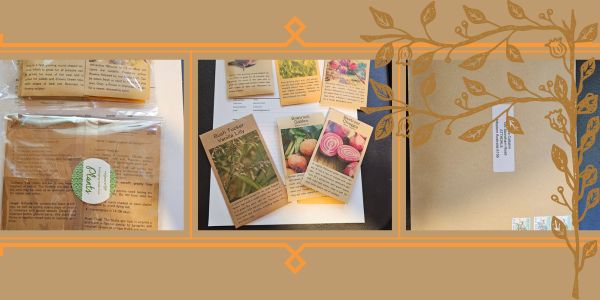
Not only are our seeds packed in recycled paper envelopes, we keep the theme going when we post out website orders. To protect your seeds from moisture and the letter box munchers (snails), we use a very special plastic free material made from plants. They are then put into recycled mailing envelopes. Green all the way ????????
Delivery Guarantee
We take great care to make sure your seeds arrive safely. If your order is lost or damaged in transit, we’ll happily send a replacement. Unfortunately, we can’t replace or refund orders that arrive later than the estimated delivery date, as delays can sometimes occur that are outside our control.
Please note that all dispatch and delivery times listed are estimates only. While we do our best to post promptly, delivery timeframes can vary due to postal service delays, weather events, or other unforeseen circumstances. We’re unable to take responsibility for any loss, damage, or cost that results from a late delivery.
An order is not considered missing until at least 20 business days have passed from the postage date. You’ll receive an email once your seeds have been posted, letting you know they’re on their way. If you don’t see it in your main inbox, please check your Spam or Promotions folders as sometimes our emails like to hide there.
Reviews
There are no reviews yet