



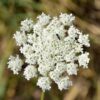




Queen Anne’s Lace
$4.95
Ammi Majus
- Seed count 2500
- Great Cut Flower
- Annual
- Height 80 cm
Out of stock
Email when stock available
Description
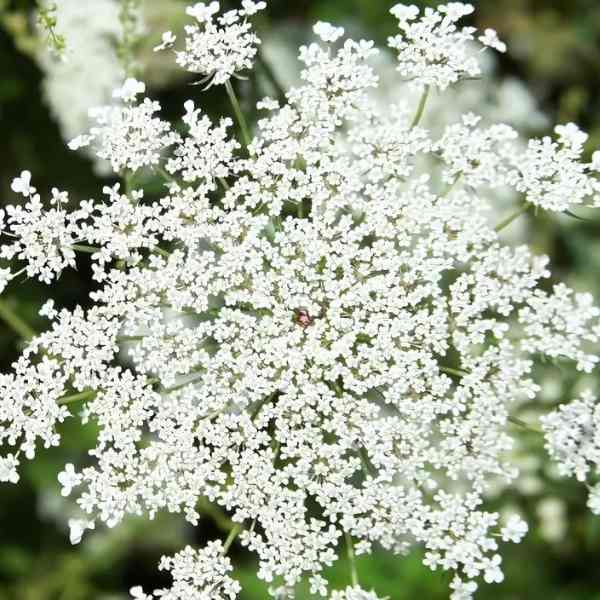
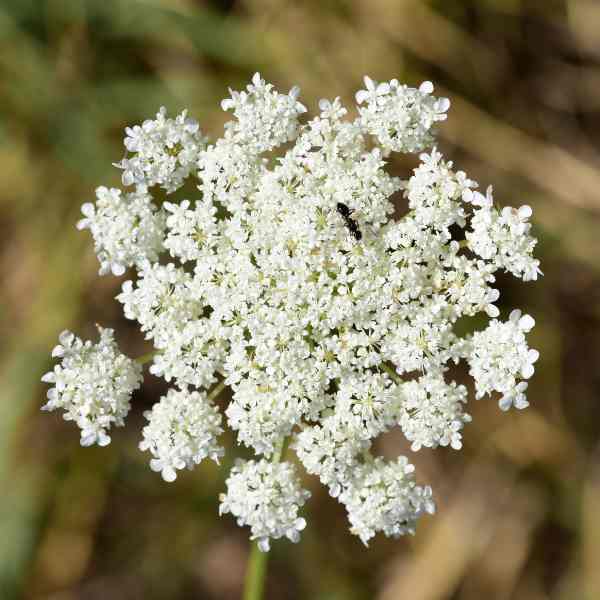
Queen Anne’s Lace is a tall, branching annual with feather-light foliage and clouds of delicate white blooms. Perfect any gardener looking to add a little romance, a little movement, and a lot of usefulness to their patch, whether you’re growing for beauty, bees, or bouquets.
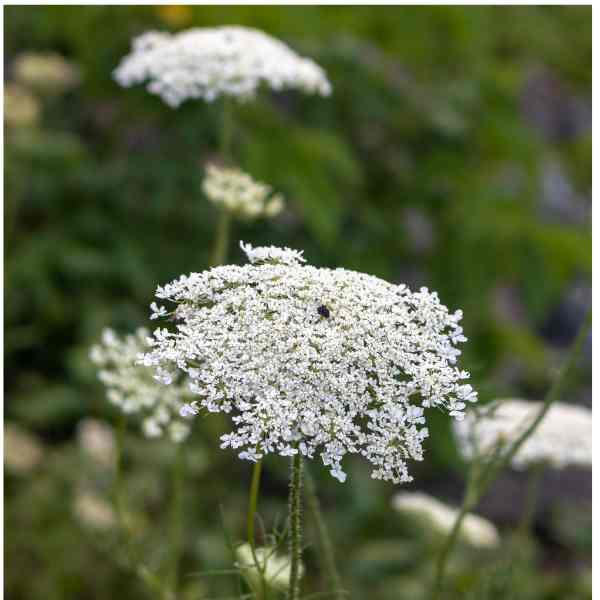
It’s charm lies in its intricate flower heads, where each bloom made up of hundreds of tiny white florets gathered into broad, flat umbels that hover like floating snowflakes atop long, willowy stems. From a distance, they appear as gentle white clouds wafting through the greenery.
It’s this softening effect that has made Queen Anne’s Lace such a favourite in cottage gardens, naturalistic plantings, and meadowscaping. Whether it’s winding through a row of bold zinnias or standing tall alongside cosmos and snapdragons, it adds lightness and cohesion, giving your garden a more thoughtful, intentional look, without the hard work of precise design.
Queen Anne’s Lace is incredibly well-suited to Australian gardens, particularly in areas with a good stretch of warm days and cool nights. It’s one of those plants that seems to thrive in a range of conditions, from more temperate climates to slightly arid zones, making it a reliable choice for flower growers across the country. Once it’s in the ground and settled, it gets on with the job quietly, producing bloom after bloom with minimal fuss.
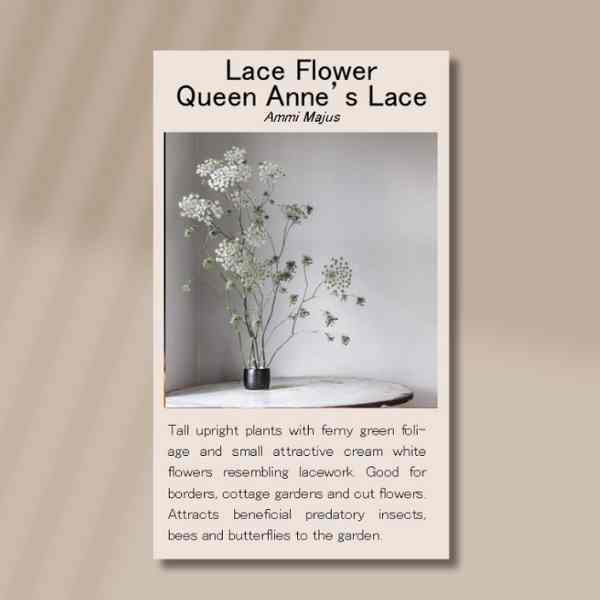
he flowers last beautifully in the vase, often up to 10 days with a fresh cut. They are ideal for everything from wedding florals to everyday kitchen table bunches. They also dry wonderfully, holding their shape and lacy structure, and can be easily dyed for use in dried floral crafts, wreaths, or rustic arrangements.
Queen Anne’s Lace does a brilliant job of attracting all the right kinds of insects. Bees and butterflies adore the open structure of the blooms, which makes nectar easy to access. The plant is also well known to draw in beneficial predatory insects like lacewings, hoverflies, and parasitic wasps, all of which help control pests naturally.
| Method: Sow direct or seedlings | Soil Temp: 10°C - 25°C |
| Cool Mountain: Nov - Dec | Position: Part sun |
| Arid: Aug - Jan | Row Spacing: 30cm apart |
| Temperate: Sep-Nov, Mar-Jun | Planting Depth: 3 mm |
| Sub Tropical: May - Oct | Harvest: 90 days |
| Tropical: Jun - Aug | Plant Height: 1 m |
🌸 Lace Flower Grow Guide
🌱 Overview
Lace flower is an elegant annual flower grown for its delicate, lacy white or chocolate blooms, fine fern-like foliage, and soft cottage-garden appearance. The flowers form airy umbels that look beautiful in borders, pollinator beds, meadow-style plantings, cut flower gardens, pots, and informal herb or vegetable garden edges.
It is especially valued as a cut flower because the blooms add lightness and texture to arrangements. In the garden, lace flower has a natural, graceful look and pairs beautifully with bolder flowers such as zinnia, cosmos, cornflower, calendula, and poppy. Bees, hoverflies, lacewings, and other beneficial insects are also attracted to the open flower heads.
Lace flower is generally easy to grow from seed, but it dislikes being overhandled once established. The best results come from shallow sowing, full sun, well-drained soil, steady moisture while young, and careful thinning or transplanting.
🌾 Sowing in Trays Versus Direct Sowing
Lace flower can be grown by direct sowing or by sowing in trays, and both methods can work. However, direct sowing is usually the best method because lace flower develops a sensitive root system and often performs best when it grows where it is sown.
To direct sow, prepare a fine, weed-free garden bed. Scatter or place the seed thinly, then cover with about 3 to 5 mm of fine soil or seed-raising mix. Water gently with a soft spray so the seed is not washed away. Keep the soil evenly moist until seedlings emerge. Once seedlings are large enough to handle, thin them early so each plant has room to branch and flower.
Tray sowing is useful if you need to protect seedlings from slugs, snails, ants, birds, heavy rain, or weed competition. Use individual cells or small pots rather than a crowded punnet. Sow one or two seeds per cell, cover lightly, and transplant while seedlings are still young and compact. Avoid disturbing the roots when planting out.
Best method: direct sowing is recommended for lace flower because it reduces root disturbance and usually produces stronger, more natural plants. Tray sowing is useful when seed is limited or young seedlings need extra protection.
💧 Seed Pretreatment
Lace flower seed does not usually require pretreatment. No soaking, scarifying, smoke treatment, or special preparation is normally needed.
Fresh seed, shallow sowing, gentle watering, and steady moisture are the most important factors. Avoid soaking the seed for long periods, as it can make seed harder to handle and may increase the risk of rot in wet soil.
Poor germination is usually caused by old seed, seed buried too deeply, dry soil surface, or rough watering that shifts seed into clumps.
🪴 Soil and Position
Lace flower grows best in full sun with good airflow. A sunny position encourages strong stems, more flowers, and better plant shape. In too much shade, plants may stretch, lean, and produce fewer blooms.
The soil should be well drained and moderately fertile. Lace flower does not need overly rich soil. A light loam, sandy loam, raised bed, or improved garden soil is ideal. Too much nitrogen can create soft leafy growth with fewer flowers and weaker stems.
If the soil is heavy clay, improve drainage before sowing or grow plants in raised beds or large containers. For pots, use a quality potting mix with good drainage. Avoid leaving pots sitting in water, as lace flower dislikes soggy roots.
🌿 Care and Maintenance
Lace flower needs steady moisture while seedlings are young. Keep the soil lightly moist during germination and early growth, then water more deeply as plants mature. Avoid frequent shallow watering, which encourages weak roots.
Once established, plants are fairly easy to manage. Water at the base rather than over the foliage where possible. Good airflow helps prevent mildew and keeps the fine foliage healthy.
Thin seedlings early if direct sown. Crowded plants will compete for light and moisture, often producing weak stems and smaller flowers. If growing for cut flowers, generous spacing helps produce longer, stronger stems.
Feed lightly. A small amount of compost before sowing is usually enough. If plants are in pots or flowering heavily, use a mild liquid flower fertiliser occasionally. Avoid heavy feeding, especially high-nitrogen fertiliser.
Tall plants may need support in windy positions. Use twiggy branches, light stakes, or flower netting before stems become heavy with blooms.
Deadhead spent flowers to extend flowering, or leave selected flower heads to mature if you want to save seed.
🌼 Companion Planting Guide
Lace flower is an excellent companion plant because its open blooms attract beneficial insects. It fits beautifully into vegetable gardens, herb beds, cottage borders, and pollinator patches.
Good companions include cornflower, cosmos, zinnia, calendula, alyssum, marigold, nasturtium, snapdragon, poppy, salvia, yarrow, lavender, thyme, oregano, parsley, dill, coriander, lettuce, kale, tomato, capsicum, eggplant, beans, peas, strawberries, and carrots.
It looks especially beautiful with colourful flowers because its white blooms soften stronger colours. In edible gardens, place it near crops that benefit from pollinator and beneficial insect activity.
Avoid planting lace flower where it will be shaded or smothered by vigorous crops such as pumpkins, melons, sweet potato vines, or dense shrubs. Also avoid very wet garden beds, as lace flower prefers drainage and airflow.
✂️ How to Harvest
Lace flower is excellent for fresh cut flowers, small posies, airy bouquet filler, pressed flowers, and seed saving.
For fresh flowers, harvest when the flower head is mostly open but still fresh and firm. Pick in the morning once the foliage is dry. Use clean snips and cut stems low enough to encourage more side shoots.
Remove lower leaves before placing stems in water. Lace flower works beautifully with roses, zinnias, cosmos, cornflowers, carnations, snapdragons, and soft grasses.
For dried or pressed use, choose clean, newly opened flowers. Press individual flower heads between absorbent paper or hang small bunches upside down in a dry, shaded, airy place. The flowers are delicate, so handle them gently after drying.
Lace flower is best treated as an ornamental flower, not an edible flower, unless your seed supplier clearly states otherwise.
⚠️ Common Issues and Fixes
| Issue | Likely Cause | Fix |
|---|---|---|
| Poor germination | Old seed, deep sowing, dry soil, or rough watering | Use fresh seed, sow shallowly, water gently, and keep soil evenly moist |
| Seedlings disappear | Slugs, snails, ants, birds, or cutworms | Protect seedlings with barriers, collars, netting, or start in cells |
| Leggy seedlings | Not enough light or overcrowding | Provide stronger light and thin seedlings early |
| Plants fail after transplanting | Root disturbance or transplant shock | Direct sow where possible or transplant young seedlings very gently |
| Weak stems | Too much shade, rich soil, or overcrowding | Grow in full sun, avoid overfeeding, and space plants well |
| Few flowers | Excess nitrogen, too much shade, or plant stress | Reduce feeding, increase sunlight, and water consistently |
| Plants falling over | Wind, tall growth, or lack of support | Stake early or use light flower support |
| Yellow leaves | Waterlogging, nutrient stress, or old lower foliage | Improve drainage, feed lightly if needed, and remove tired leaves |
| Powdery mildew | Crowding, poor airflow, or moisture stress | Space plants well, water at soil level, and remove affected leaves |
| Aphids | Soft new growth or stressed plants | Hose off gently, encourage ladybirds, and avoid excess nitrogen |
| Leaf spots | Wet foliage, poor airflow, or splashing soil | Water at the base, mulch lightly, and remove marked leaves |
| Short stems for cutting | Crowding, dry soil, or poor light | Thin plants, water steadily, and grow in full sun |
| Flowers fading quickly | Harvested too late or exposed to heat | Pick fresh blooms early and place stems into water promptly |
| Unwanted self-sowing | Seed heads left to dry and drop | Deadhead regularly or collect seed before it scatters |
🌰 Detailed Seed Saving Guide
Saving lace flower seed is straightforward. Choose the healthiest plants with strong stems, good flower size, long flowering performance, and no serious pest or disease issues. Avoid saving seed from weak, floppy, diseased, or poorly flowering plants.
Leave selected flower heads on the plant after blooming. The white flowers will fade, and the seed heads will begin to dry. Allow them to mature until they turn brown, dry, and papery. Watch closely, because mature seed can drop if left too long.
When seed heads are mostly dry, cut them carefully and place them upside down in a paper bag. Keep the bag in a dry, shaded, airy place for several days so the seed heads finish drying fully.
Once dry, gently rub the seed heads between your fingers over a white plate or clean sheet of paper. The seed will separate from the dry flower material. Remove larger pieces of stem and chaff by hand, then gently blow away lighter debris or use a fine sieve.
Spread the cleaned seed on a plate for another week to make sure it is completely dry. Store it in a labelled paper envelope inside an airtight jar. Keep it somewhere cool, dark, and dry. Add a silica gel sachet if humidity is an issue.
Label the packet with the plant name, flower colour, plant height, collection date, and notes such as “strong stems”, “best cut flower plant”, “large flower heads”, or “long flowering”.
If different lace flower types or colours are grown nearby, saved seed may show some variation. For the most consistent results, save seed from the plants that best match the traits you want.
🌸 Final Thoughts
Lace flower is a graceful and rewarding flower for gardeners who want softness, texture, pollinator value, and beautiful cut stems. It is not difficult, but it performs best when roots are left undisturbed and plants are given enough sun, space, and drainage.
For the best results, direct sow where possible, cover seed lightly, keep moisture steady while young, grow in full sun, avoid rich wet soil, support tall stems if needed, and save seed from the strongest plants. With simple care, lace flower brings elegance and airy movement to borders, cutting gardens, pots, and pollinator-friendly plantings.
5 reviews for Queen Anne’s Lace

Postage Charge
Orders under $40 attract a $5.50 shipping charge. Orders $35 and above have free shipping.
*** We cannot deliver to Parcel Lockers ***
Order Times
Seed orders are normally dispatched within three business days. You will receive an email when seeds are mailed out.
Postage Days
Seeds are mailed out Tuesday to Friday at 1pm. Except for the Friday of long weekends.
Postage Times
WA 2-3 Days: SA,NT 3-5 Days: NSW, ACT, QLD, VIC: 5-7 Days
Carrier
We use Australia Post Letter Postage for the majority of orders.
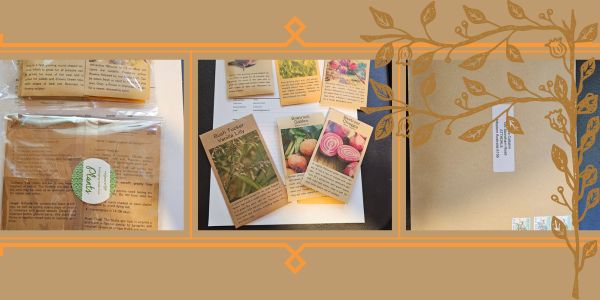
Not only are our seeds packed in recycled paper envelopes, we keep the theme going when we post out website orders. To protect your seeds from moisture and the letter box munchers (snails), we use a very special plastic free material made from plants. They are then put into recycled mailing envelopes. Green all the way ????????
Delivery Guarantee
We take great care to make sure your seeds arrive safely. If your order is lost or damaged in transit, we’ll happily send a replacement. Unfortunately, we can’t replace or refund orders that arrive later than the estimated delivery date, as delays can sometimes occur that are outside our control.
Please note that all dispatch and delivery times listed are estimates only. While we do our best to post promptly, delivery timeframes can vary due to postal service delays, weather events, or other unforeseen circumstances. We’re unable to take responsibility for any loss, damage, or cost that results from a late delivery.
An order is not considered missing until at least 20 business days have passed from the postage date. You’ll receive an email once your seeds have been posted, letting you know they’re on their way. If you don’t see it in your main inbox, please check your Spam or Promotions folders as sometimes our emails like to hide there.
See all our verified customer reviews on our official CusRev profile.
Flowered beautifully
See all our verified customer reviews on our official CusRev profile.
Seeds look good. Planted but haven’t come up yet. Early days
See all our verified customer reviews on our official CusRev profile.
See all our verified customer reviews on our official CusRev profile.
I won’t know until they germinate.
See all our verified customer reviews on our official CusRev profile.