

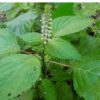

Perilla Shiso Green
$4.95
Perilla Frutescens
- Seed Count 200
- Culinary Herb
- Annual
Only 1 left in stock
Description
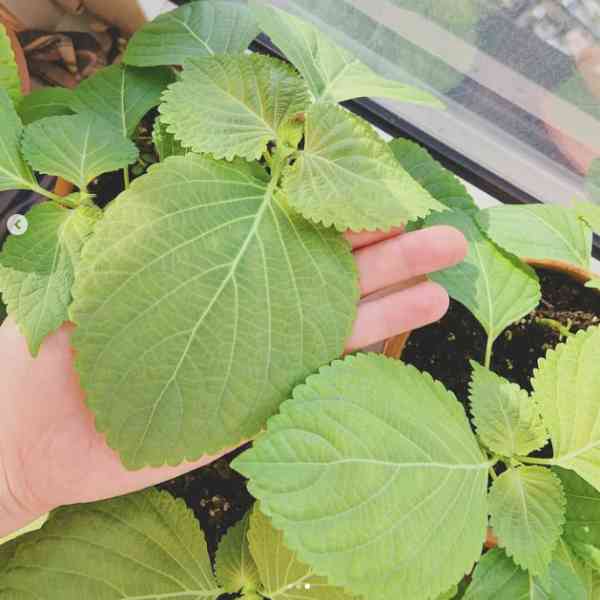
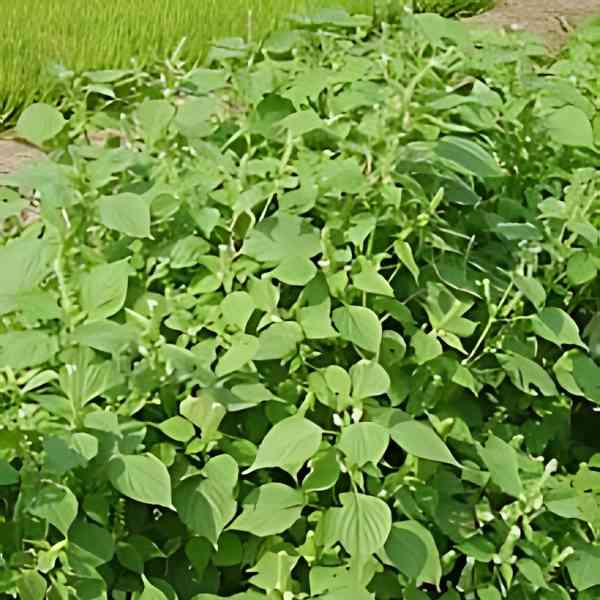
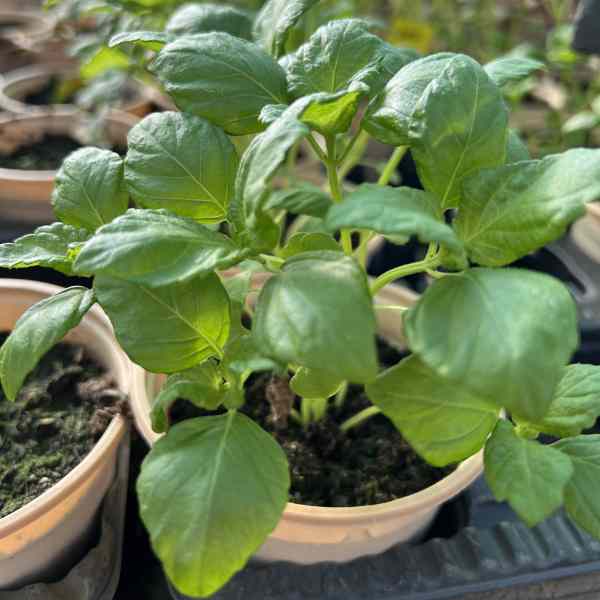
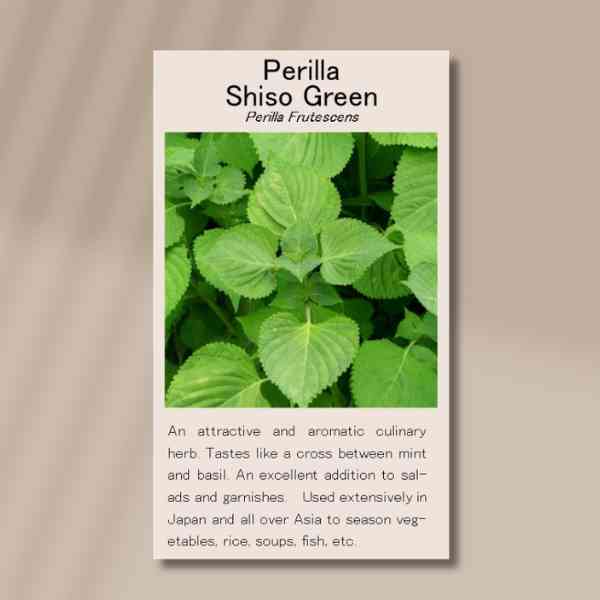
Perilla Shiso Green is the typical green leaf variety of Perilla used extensively in Japan and all over Asia to season vegetables, rice, soups, fish, etc. The leaves make for exquisite decoration. It is finely sliced with ginger and added to salads, sautéed vegetables, sashimi, tempura and sushi. An attractive and aromatic culinary herb which tastes like a cross between mint and basil and is an excellent addition to salads and garnishes.
Perilla can be grown just to baby leaf stage or left to grow to maturity: the taste is best appreciated raw in salads and sandwiches. This savory herb can be used in place of basil, even as a pizza topping. Wrap around rice balls, cheese or salmon. Chop and mix with ginger root in stir-fries or sprinkle over a hot steak. It is great for sauces and can be used dried to flavour rice.
It is worth noting that Perilla is a very attractive plant often grown simply for its ornamental value. Both green and red varieties resemble a coleus plant. This attractive herb is an excellent addition to an herb garden or can be used as an ornamental in containers or in the border. It has a pleasant odour and is easy to grow. The flowers are attractive to bees and butterflies and the foliage will last all through summer and into autumn.
For best growing results, mix the seeds with an equal quantity of moist sand and refrigerate for a week.
| Method: Sow direct | Soil Temp: 18°C - 30°C |
| Cool Mountain: Sep - Nov | Position: Full sun |
| Arid: Sep - Nov | Row Spacing: 50cm apart |
| Temperate: Sep - Mar | Planting Depth: 3 mm |
| Sub Tropical: Aug - Apr | Harvest: 85 days |
| Tropical: Apr - Aug | Plant Height: 60cm |
🌿 Perilla Grow Guide
Perilla, often called shiso, is a fragrant leafy herb grown for its colourful foliage, fresh flavour, and ornamental value. It can be used in herb gardens, vegetable beds, Asian-inspired kitchen gardens, edible borders, and containers. Depending on the type, leaves may be green, red, purple, frilled, flat, or deeply serrated, with flavours that can be minty, basil-like, aniseed-like, citrusy, or lightly spicy.
Perilla is a rewarding plant for gardeners who enjoy herbs with both kitchen and ornamental use. It grows quickly once conditions are warm and settled, and it can produce a generous supply of leaves with regular harvesting. It may self-sow readily if seed heads are left to mature, so it is worth managing carefully if you do not want extra seedlings appearing later.
🌱 Sowing in Trays Versus Direct Sowing
Perilla can be grown by direct sowing or by starting seed in trays, but sowing in trays is usually the best method. The seeds can be slow or uneven to germinate, and young seedlings are small, so trays give you better control over moisture, temperature, light, and protection from pests.
To sow in trays, use a fine seed-raising mix and scatter the seed thinly over the surface. Press the seed gently into the mix and cover only very lightly, as perilla seed should not be buried deeply. Mist gently with water and keep the mix evenly moist but never soggy. A clear cover or humidity dome can help maintain moisture, but remove it once seedlings appear to improve airflow.
Once seedlings have developed several true leaves and are large enough to handle, transplant them carefully into small pots or plant them into their final position. Handle the seedlings by the leaves rather than the stem, as the stems are delicate when young.
Direct sowing can work well in a finely prepared, weed-free bed. Scatter the seed thinly, press it gently into the soil, cover very lightly, and water with a fine spray. The main challenge with direct sowing is that tiny seedlings can be confused with weeds or damaged by drying soil, heavy rain, slugs, or snails.
For most gardeners, tray sowing is the preferred method because it gives more reliable results and makes young plants easier to protect.
🌾 Seed Pre-Treatment
Perilla seed often benefits from cold, moist pre-treatment before sowing. This can improve germination, especially if the seed is older or has been stored dry for a long time.
To do this, place the seeds on a lightly damp paper towel, fold it over, and place it inside a labelled zip-lock bag or small container. Keep it in the fridge for about 1 to 2 weeks, checking occasionally to make sure it stays lightly moist but not wet. After chilling, sow the seed promptly.
Some fresh seed may germinate without pre-treatment, but germination can be uneven. For the best results, cold, moist pre-treatment is recommended, especially when you want a strong and consistent batch of seedlings.
Do not soak perilla seed for too long, as overly wet seed can rot. The goal is gentle moisture, not saturation.
🌞 Soil and Position
Perilla grows best in full sun to light partial shade. In very hot or exposed positions, light afternoon shade can help keep the leaves tender and reduce stress. Green-leaf types often tolerate a little shade well, while red and purple types usually colour best with stronger light.
The soil should be fertile, well-drained, and moisture-retentive. Perilla enjoys steady moisture, but it dislikes waterlogged conditions. Before planting, improve the soil with compost or well-rotted organic matter. This supports leafy growth while helping the soil hold moisture without becoming heavy and wet.
In sandy soil, compost helps retain water and nutrients. In clay soil, compost improves structure and drainage. For containers, choose a pot with good drainage holes and use a quality potting mix. A medium to large pot is best, as perilla can grow into a bushy plant when well cared for.
Avoid very dry, poor, compacted soil, as this can lead to tough leaves, slow growth, and early flowering.
💧 Care and Maintenance
Perilla is fairly easy to care for once established. Keep the soil evenly moist, especially while seedlings are young and during active leaf growth. Dry soil can cause the plant to become stressed, which may lead to tougher leaves or earlier flowering.
Pinch out the growing tips when plants are young and have several sets of leaves. This encourages branching and creates a fuller, bushier plant. Regular harvesting works in the same way, helping the plant produce more side shoots and fresh leaves.
Feed lightly with compost, liquid seaweed, or a balanced organic fertiliser during active growth. Avoid overfeeding with high-nitrogen fertiliser, as this can produce soft, weak growth that is more attractive to pests.
Mulch around established plants to help hold moisture and suppress weeds, but keep mulch slightly away from the stem base to reduce the risk of rot. Remove flower spikes if you want to keep the plant focused on leaf production. Once the plant begins flowering heavily, leaf quality may decline.
Perilla can self-sow freely if seed heads are allowed to mature. To prevent unwanted seedlings, remove flower heads before they dry and release seed.
🐝 Companion Planting Guide
Perilla works well in mixed herb, vegetable, and flower plantings. Its aromatic foliage can help add diversity to the garden, while its flowers can attract small beneficial insects if allowed to bloom.
Good companions include basil, coriander, parsley, chives, spring onions, lettuce, Asian greens, cucumber, capsicum, eggplant, tomatoes, marigold, calendula, alyssum, nasturtium, and chamomile.
It is especially useful near leafy greens because it enjoys similar soil moisture and fertility. It also grows well near taller crops that provide light filtered shade in hotter positions.
Avoid planting perilla where it will be crowded by vigorous sprawling plants. It does not perform well if shaded too heavily or forced to compete for water. Also avoid placing it beside plants that need very dry conditions, such as drought-loving Mediterranean herbs, unless each plant has its own suitable watering zone.
✂️ How to Harvest
Harvest perilla leaves once the plant is well established and has enough growth to recover. Pick individual leaves as needed, or cut soft stem tips to encourage branching. Regular light harvesting produces the best leaf quality.
For fresh use, choose young to medium-sized leaves that are tender, aromatic, and undamaged. Older leaves can still be used, but they may become stronger in flavour and slightly tougher. Harvest in the cooler part of the day for the freshest leaves.
Use clean scissors or snips rather than tearing stems by hand. Cut just above a leaf joint so new side shoots can grow from below the cut. Avoid removing more than one-third of the plant at once unless it is large and vigorous.
Leaves are best used fresh, but they can also be dried, salted, pickled, or frozen depending on how you plan to use them. Red types are often used for colouring pickles and preserved foods, while green types are commonly used fresh.
⚠️ Common Issues and Fixes
| Issue | Likely Cause | Fix |
|---|---|---|
| Poor germination | Seed not chilled, old seed, buried too deeply, uneven moisture | Use fresh seed, cold moist pre-treat, sow shallowly, keep evenly moist |
| Seedlings collapse | Overwatering, poor airflow, fungal disease | Use clean seed mix, avoid soggy conditions, remove covers after germination |
| Leggy seedlings | Not enough light or overcrowding | Move to brighter light, thin seedlings, pot on early |
| Slow growth | Cool soil, poor fertility, root restriction | Improve soil with compost, grow in a larger pot, keep plants evenly moist |
| Leaves become tough | Dry soil, heat stress, plant ageing | Water consistently, mulch, harvest younger leaves |
| Early flowering | Stress, dry soil, crowded roots, plant maturity | Keep soil moist, feed lightly, pinch tips, remove flower spikes |
| Yellowing leaves | Waterlogging, nutrient shortage, old lower leaves | Improve drainage, feed lightly, remove tired leaves |
| Holes in leaves | Caterpillars, beetles, slugs, or snails | Inspect leaves regularly, hand-pick pests, protect young plants |
| Aphids | Soft new growth attracting sap-sucking insects | Hose off gently, encourage beneficial insects, use insecticidal soap if needed |
| Leaf scorch | Harsh sun, dry roots, wind stress | Provide light afternoon shade, water deeply, mulch |
| Unwanted seedlings | Seed heads left to mature and drop | Remove flowers before seed forms, harvest seed heads early |
🌰 Detailed Seed Saving Guide
Saving perilla seed is simple, but timing is important because mature seed can drop from the plant. Choose healthy, vigorous plants with the leaf colour, flavour, shape, and growth habit you want to continue. Avoid saving seed from weak, diseased, or poor-flavoured plants.
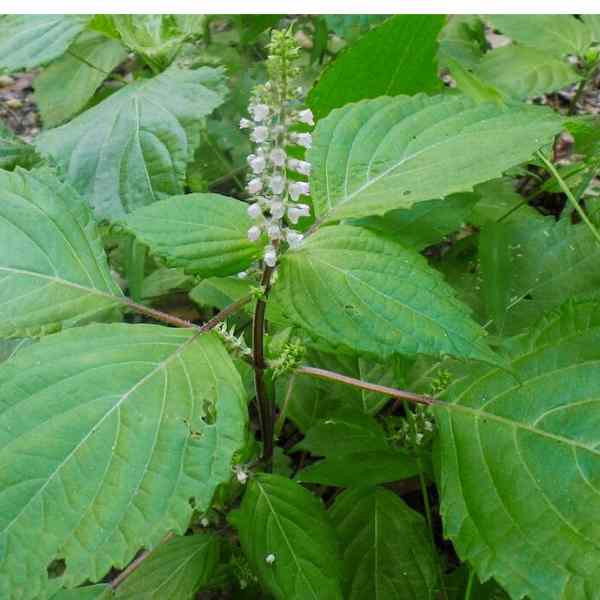
Allow selected plants to flower and form seed heads. The flowers are small and appear along upright spikes. After flowering, the seed heads will begin to dry and turn brown. Watch them closely as they mature, because the seed can shed once fully dry.
When the seed heads are mostly dry but before they shatter, cut the stems and place them upside down in a paper bag. Label the bag straight away, especially if you are growing more than one type. Hang or place the bag in a dry, airy, shaded location so the seed heads can finish drying.
Once fully dry, gently rub or shake the seed heads inside the bag to release the seed. Pour the contents onto a clean tray or sheet of paper and separate the seed from the dry plant material. Work slowly, as the seed is small and easy to spill.
Spread the cleaned seed out for several extra days to make sure it is completely dry. Store it in a labelled paper envelope or small airtight jar. Include the plant name, leaf colour or type, and collection date. Keep seed in a cool, dark, dry place.
For best results, save seed from several strong plants rather than only one. This helps maintain vigour in future generations. If growing different types close together, saved seed may not produce plants exactly like the parent, so separate types if you want more predictable results.
🌿 Final Thoughts
Perilla is a beautiful and useful herb that offers flavour, colour, and texture in the garden. It is best started in trays because the seed can be slow or uneven, and young seedlings benefit from careful protection. A short cold, moist pre-treatment is recommended for stronger germination.
With fertile soil, steady moisture, good light, and regular pinching, perilla grows into a lush, productive plant. Harvest leaves often for the best flavour, remove flowers to extend leaf production, or allow a few seed heads to mature if you want to save seed for future plantings.
2 reviews for Perilla Shiso Green

Postage Charge
Orders under $40 attract a $5.50 shipping charge. Orders $35 and above have free shipping.
*** We cannot deliver to Parcel Lockers ***
Order Times
Seed orders are normally dispatched within three business days. You will receive an email when seeds are mailed out.
Postage Days
Seeds are mailed out Tuesday to Friday at 1pm. Except for the Friday of long weekends.
Postage Times
WA 2-3 Days: SA,NT 3-5 Days: NSW, ACT, QLD, VIC: 5-7 Days
Carrier
We use Australia Post Letter Postage for the majority of orders.
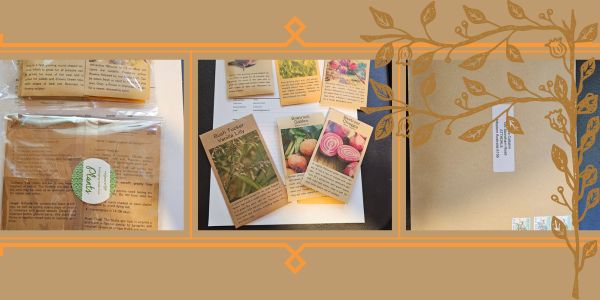
Not only are our seeds packed in recycled paper envelopes, we keep the theme going when we post out website orders. To protect your seeds from moisture and the letter box munchers (snails), we use a very special plastic free material made from plants. They are then put into recycled mailing envelopes. Green all the way ????????
Delivery Guarantee
We take great care to make sure your seeds arrive safely. If your order is lost or damaged in transit, we’ll happily send a replacement. Unfortunately, we can’t replace or refund orders that arrive later than the estimated delivery date, as delays can sometimes occur that are outside our control.
Please note that all dispatch and delivery times listed are estimates only. While we do our best to post promptly, delivery timeframes can vary due to postal service delays, weather events, or other unforeseen circumstances. We’re unable to take responsibility for any loss, damage, or cost that results from a late delivery.
An order is not considered missing until at least 20 business days have passed from the postage date. You’ll receive an email once your seeds have been posted, letting you know they’re on their way. If you don’t see it in your main inbox, please check your Spam or Promotions folders as sometimes our emails like to hide there.

haven’t planted = need Spring
See all our verified customer reviews on our official CusRev profile.
See all our verified customer reviews on our official CusRev profile.