







Carrot Berlicum
$4.95
Daucus Carota
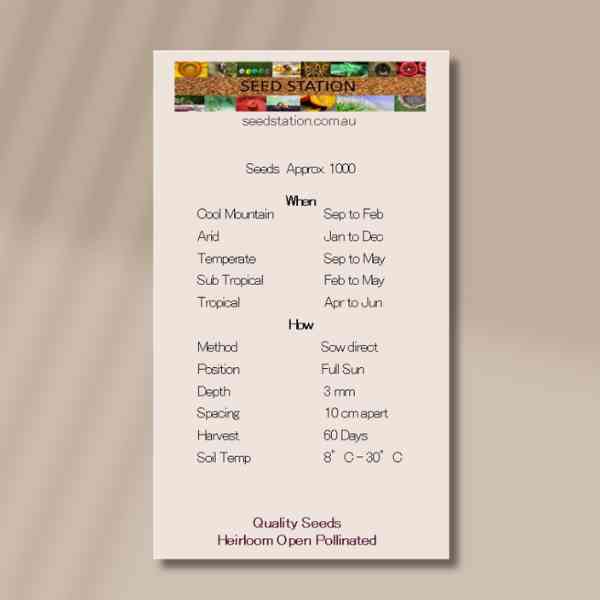
- Seed Count 1000
- A Good Keeper After Harvest
- Biennial Grown As An Annual
In stock
Description
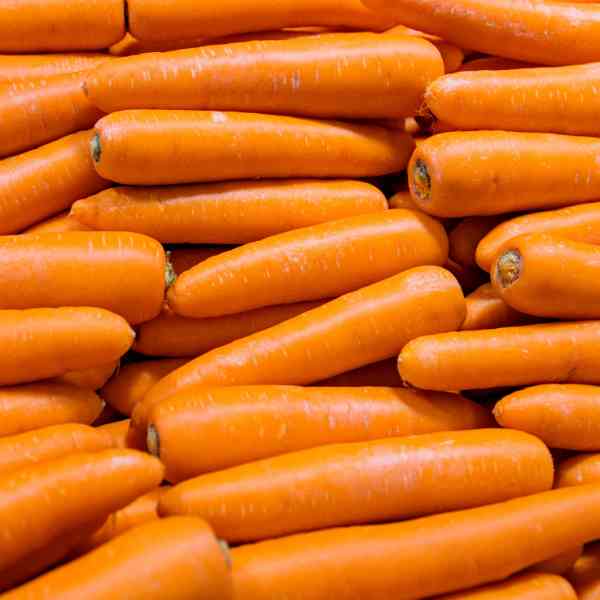
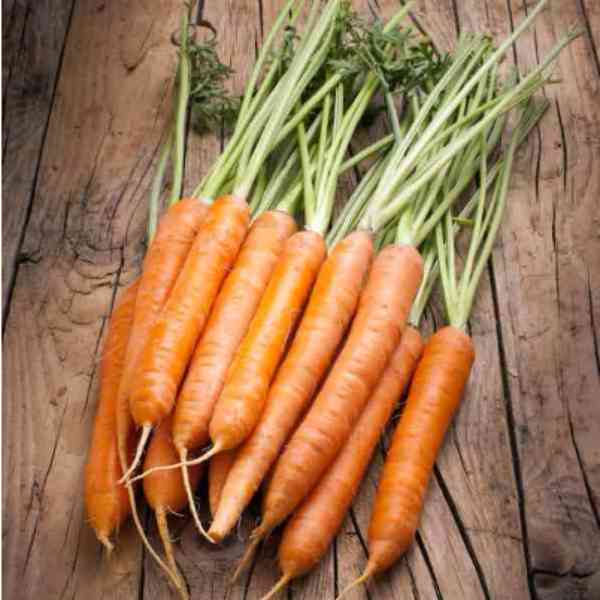
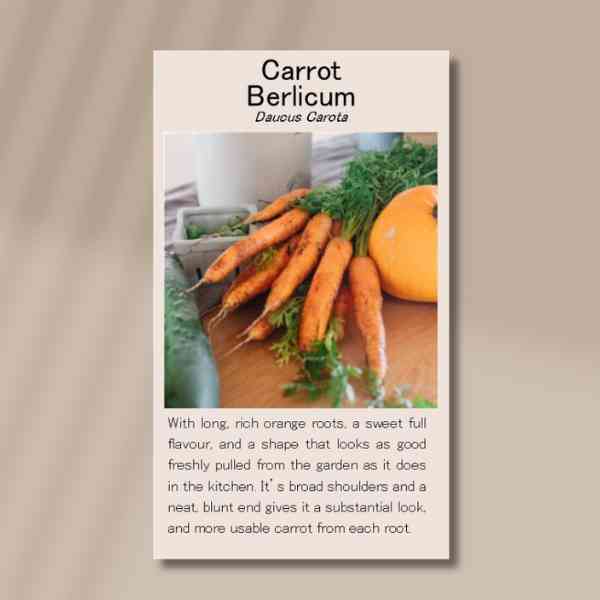
Carrot Berlicum is a carrot with long, handsome rich orange roots with a sweet full flavour, and a shape that looks as good freshly pulled from the garden as it does piled in the kitchen ready for cooking. Rather than tapering away too sharply, Berlicum produces long cylindrical roots with broad shoulders and a neat, blunt end. That gives it a very tidy, substantial look, and it also means more usable carrot from each root.
In the kitchen, it’s strong colour holds its own whether the carrots are eaten fresh, roasted, caramelised, added to soups, or tucked into slow cooked dishes. Berlicum is known for being sweet, mild, and rounded in taste, without the harshness or woody character that can sometimes turn up in poorer carrots. The flesh is dense but pleasant, with a clean crunch when raw and a lovely tenderness once cooked. Fresh from the garden, it has that classic sweetness that works so well in salads and lunchbox snacks, but it also develops depth when roasted or braised. The sugars become richer and warmer in cooking, which makes it a very useful kitchen carrot, not just a fresh eating one.
There is also a long tradition behind carrots of this type. Berlicum belongs to a well regarded European strain known for its strong shape, good size, and quality eating. It comes from a breeding tradition that valued sound roots, attractive market appearance, and good flavour. Even in an age of rainbow carrots and boutique varieties, there is something deeply satisfying about growing a carrot with this kind of heritage. It speaks to an older, practical style of vegetable gardening, where the aim was not just novelty but a beautiful and useful crop that could be relied on..
Carrot Berlicum is, in many ways, a celebration of the classic carrot at its best. It offers handsome roots, rich orange colour, sweet flavour, and a strong sense of usefulness from garden to kitchen.
| Method: Sow direct | Soil Temp: 8°C - 30°C |
| Cool Mountain: Sep - Feb | Position: Full sun |
| Arid: Jan - Dec | Row Spacing: 10cm apart |
| Temperate: Sep - May | Planting Depth: 3mm |
| Sub Tropical: Feb - May | Harvest: 60 days |
| Tropical: Apr - Jun | Plant Height: 13cm |
🥕 Carrot Grow Guide
Carrots are a rewarding root vegetable grown for their sweet, crisp roots and feathery green tops. They are excellent for garden beds, raised beds, deep containers, and loose soil patches where the roots can grow straight and strong. Carrots are simple in theory, but they are particular about soil texture, moisture, and sowing method. The best carrots come from fine, stone-free soil, steady watering, and careful thinning.
Carrots are not a crop that likes being moved. Their long root begins forming early, and any disturbance can cause twisting, forking, or stunted growth. For this reason, the most important rule with carrots is simple: sow them directly where they are to grow.
🌱 Sowing in Trays Versus Direct Sowing
Carrots can technically be started in trays, but direct sowing is by far the best method. Carrot seedlings develop a delicate taproot very early. If this root is bent, damaged, or disturbed during transplanting, the mature carrot may fork, twist, or form a short, misshapen root.
To direct sow, prepare the soil carefully before planting. Remove stones, clods, sticks, old roots, and hard lumps. Rake the surface into a fine, crumbly texture. Sow seed thinly into shallow drills about 5 mm deep, then cover lightly with fine soil, compost, or seed-raising mix. Water very gently with a fine spray so the tiny seed is not washed away.
Carrot seed is small and can be slow to germinate, so keep the surface consistently moist until seedlings appear. A light cover of shade cloth, hessian, cardboard, or a plank laid over the row can help hold moisture, but remove it as soon as seedlings begin to emerge.
Tray sowing is not recommended unless using deep, individual biodegradable tubes and transplanting extremely carefully while seedlings are very young. Even then, results are less reliable than direct sowing.
For the best root shape and strongest growth, direct sowing is strongly preferred.
🌾 Seed Pre-Treatment
Carrot seed does not require special pre-treatment. There is usually no need for soaking, chilling, or scarifying.
The main challenge is that carrot seed can be slow and uneven to germinate if the soil surface dries out. Fresh seed gives the best results, as older carrot seed often loses strength and germinates poorly.
Some gardeners soak carrot seed briefly before sowing, but this is optional and can make the tiny seed harder to handle. A better approach is to sow into well-prepared soil, cover lightly, and keep the surface evenly moist until germination.
Because the seed is fine, mixing it with dry sand before sowing can help spread it more evenly and reduce overcrowding.
🌞 Soil and Position
Carrots grow best in full sun to light partial shade. Good light supports strong leaf growth, which feeds the developing root. In hot or exposed gardens, light afternoon shade can help reduce stress and prevent the soil surface from drying too quickly.
The soil should be deep, loose, fine, free-draining, and stone-free. This is the most important part of growing good carrots. Heavy, compacted, rocky, or freshly manured soil can cause roots to fork, twist, become hairy, or grow short and stubby.
Before sowing, loosen the soil deeply with a fork, then rake the top layer finely. Do not add fresh manure before sowing carrots, as rich or uneven organic matter can encourage forked roots. Well-aged compost can be used lightly if the soil is poor, but it should be fully broken down and mixed evenly.
If your soil is heavy clay, grow carrots in raised beds or deep containers filled with loose, free-draining mix. Shorter carrot varieties are better for heavier soils or pots. If your soil is sandy, add a small amount of mature compost to help hold moisture, but avoid making the bed too rich.
Containers work very well for carrots as long as they are deep enough. Choose a pot, tub, or trough with drainage holes and fill it with fine, loose potting mix. The depth needed depends on the carrot type, but deeper is generally better.
💧 Care and Maintenance
Carrots need steady moisture, especially during germination and early root development. Keep the soil surface moist until seedlings emerge. Once established, water deeply and evenly. Irregular watering can cause splitting, rough roots, or uneven growth.
Thin seedlings carefully. Crowded carrots compete for space and often produce small or twisted roots. Thin in stages, leaving the strongest seedlings with enough room to develop. Use scissors to snip unwanted seedlings at soil level rather than pulling them if the row is crowded, as pulling can disturb neighbouring roots.
Weeding is important because carrot seedlings are fine and slow at first. Weed gently by hand and avoid deep cultivation near the roots. Mulch lightly once seedlings are established to help hold moisture and reduce weeds, but do not bury the crowns too heavily.
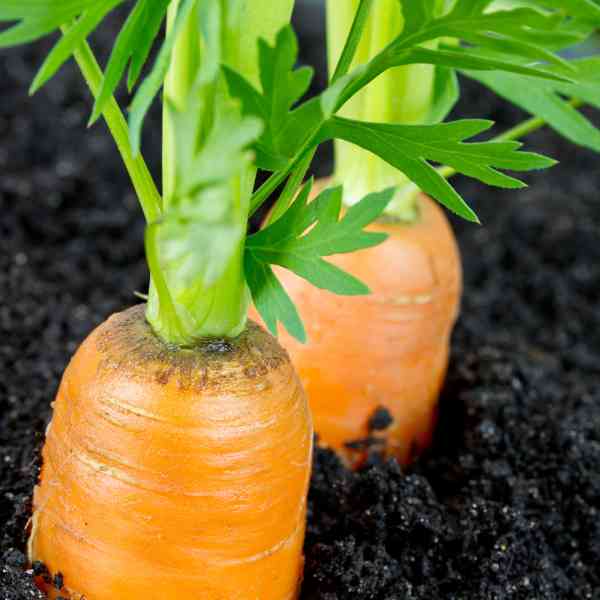
If the tops of the carrots begin to push above the soil, cover them lightly with soil or mulch. Exposed shoulders can turn green and bitter.
Feeding should be gentle. Too much nitrogen encourages leafy tops instead of good roots. If the soil was prepared properly, carrots usually need little extra fertiliser. In poor soil, use a light balanced feed, not a strong nitrogen-heavy one.
🐝 Companion Planting Guide
Carrots fit well into mixed vegetable gardens because they take up little space above ground and grow well beside many leafy crops, herbs, and flowers.
Good companions include spring onions, onions, leeks, chives, lettuce, radish, peas, beans, tomatoes, silverbeet, beetroot, rosemary, sage, thyme, parsley, coriander, calendula, marigold, alyssum, chamomile, yarrow, and nasturtium.
Onion-family plants are often grown near carrots because their strong scent may help confuse some pests. Lettuce and radish can be useful nearby because they grow quickly and make good use of space while carrots are still small.
Flowers such as calendula, alyssum, yarrow, and chamomile help attract beneficial insects. Herbs such as thyme, sage, and rosemary can add scent diversity around the bed, though they should not be overwatered if grown close by.
Avoid planting carrots in freshly manured soil or directly beside large, aggressive plants that shade them heavily. Also avoid crowding them with dense groundcovers, as carrots need light, airflow, and easy weeding while young.
✂️ How to Harvest
Carrots can be harvested when the roots have reached a useful size. Small carrots are usually tender and sweet, while larger carrots provide more bulk for cooking. Brush a little soil away from the shoulder to check root size before pulling.
To harvest, loosen the soil gently with a fork if needed, then pull from the base of the leaves. Avoid yanking from the tops if the soil is hard, as the leaves may break off and leave the root behind.
Harvest only what you need if the roots are holding well in the ground. For storage, twist or cut off the leafy tops soon after harvesting, leaving a small stem. The leaves draw moisture from the root and can make carrots go limp.
Carrot tops are edible when fresh and clean. They can be used sparingly in pestos, stocks, herb blends, and soups, though they have a stronger flavour than the root.
⚠️ Common Issues and Fixes
| Issue | Likely Cause | Fix |
|---|---|---|
| Poor germination | Old seed, dry soil surface, seed buried too deeply | Use fresh seed, sow shallowly, keep surface evenly moist |
| Patchy germination | Uneven watering, crusted soil, seed washed away | Water gently, cover lightly, keep soil surface stable |
| Forked roots | Stones, compacted soil, fresh manure, root disturbance | Prepare loose soil, remove debris, avoid transplanting and fresh manure |
| Short stubby roots | Heavy soil, shallow soil, overcrowding | Loosen soil deeply, grow shorter types in pots or raised beds, thin seedlings |
| Twisted roots | Overcrowding or disturbed seedlings | Thin early and avoid pulling nearby seedlings roughly |
| Hairy roots | Too much nitrogen, uneven moisture, rough soil | Avoid rich feeding, water evenly, prepare fine soil |
| Split roots | Irregular watering after dry stress | Keep moisture consistent and mulch lightly |
| Green shoulders | Root tops exposed to light | Cover shoulders with soil or mulch |
| Small roots with lots of leaves | Too much nitrogen or overcrowding | Reduce nitrogen feeding and thin properly |
| Bitter or tough roots | Dry stress, old roots, poor soil | Water consistently and harvest before roots become woody |
| Leaf yellowing | Waterlogging, nutrient stress, old foliage | Improve drainage and feed lightly if needed |
| Carrot fly-style root damage | Pest larvae feeding in roots | Use fine insect netting, avoid bruising foliage, rotate planting areas |
| Aphids on leaves | Soft new growth attracting sap-sucking insects | Hose off gently and encourage beneficial insects |
| Chewed tops | Caterpillars, slugs, snails, or grasshoppers | Inspect regularly, hand-pick pests, protect young plants |
| Root rot | Waterlogged soil or poor drainage | Improve drainage, avoid overwatering, grow in raised beds if needed |
| Weeds overtake seedlings | Slow carrot growth and fine seedlings | Weed carefully and keep beds clean early |
🌰 Detailed Seed Saving Guide
Saving carrot seed takes patience because carrots must complete their full life cycle before flowering and setting seed. Choose the healthiest plants with good root shape, strong growth, good flavour, and no signs of disease. Do not save seed from forked, woody, weak, pest-damaged, or poor-flavoured roots.
To choose seed plants properly, lift selected carrots carefully and inspect the roots. Keep only the best-shaped roots. Trim the leaves back to a short top, then replant the selected roots with the crown at soil level. Water them in gently and let them regrow.
Carrots flower on tall stems with umbrella-shaped flower heads. These flowers attract many beneficial insects. The seed heads mature gradually, so not all seed will be ready at the same time.
Carrots can cross with other carrot varieties flowering nearby, and they may also cross with wild carrot if it is flowering in the area. For more predictable seed, allow only one carrot type to flower for seed nearby and remove any wild carrot from the area before it blooms.
Allow the flower heads to dry on the plant. They will turn brown and curl inward as the seed matures. Cut seed heads when they are dry but before seed drops. Place them in a paper bag and label the bag immediately.
Keep the bag in a dry, shaded, airy place for one to two weeks so the seed heads finish drying. Once fully dry, rub the seed heads between your hands over a tray or sheet of paper. Carrot seed is small and bristly, so work slowly.
Separate the seed from dry stems and chaff as best you can. A sieve can help remove larger pieces. Spread the cleaned seed on paper for several extra days to make sure it is completely dry before storage.
Store seed in a labelled paper envelope or small airtight jar. Include the plant name, root colour or type, and collection date. Keep seed in a cool, dark, dry place. For best results, use saved carrot seed while it is fresh, as germination can decline with age.
For stronger future crops, save seed from several excellent plants rather than only one. This helps maintain vigour and gives a better selection of seedlings.
🌿 Final Thoughts
Carrots are one of the most satisfying vegetables to grow, but they reward careful preparation. They are best direct sown because transplanting damages the delicate taproot and leads to poor root shape. No special seed pre-treatment is required, but fresh seed and steady surface moisture are essential.
Give carrots loose, deep, stone-free soil, gentle fertility, consistent watering, and careful thinning. Avoid fresh manure, overcrowding, and rough weeding. With patience and good soil preparation, carrots will reward you with sweet roots, edible tops, useful companion value, and seed that can be saved from your best plants.

Postage Charge
Orders under $40 attract a $5.50 shipping charge. Orders $35 and above have free shipping.
*** We cannot deliver to Parcel Lockers ***
Order Times
Seed orders are normally dispatched within three business days. You will receive an email when seeds are mailed out.
Postage Days
Seeds are mailed out Tuesday to Friday at 1pm. Except for the Friday of long weekends.
Postage Times
WA 2-3 Days: SA,NT 3-5 Days: NSW, ACT, QLD, VIC: 5-7 Days
Carrier
We use Australia Post Letter Postage for the majority of orders.
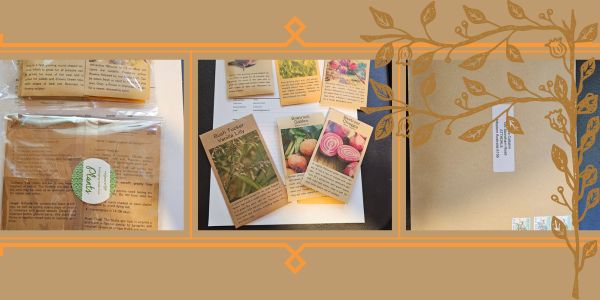
Not only are our seeds packed in recycled paper envelopes, we keep the theme going when we post out website orders. To protect your seeds from moisture and the letter box munchers (snails), we use a very special plastic free material made from plants. They are then put into recycled mailing envelopes. Green all the way ????????
Delivery Guarantee
We take great care to make sure your seeds arrive safely. If your order is lost or damaged in transit, we’ll happily send a replacement. Unfortunately, we can’t replace or refund orders that arrive later than the estimated delivery date, as delays can sometimes occur that are outside our control.
Please note that all dispatch and delivery times listed are estimates only. While we do our best to post promptly, delivery timeframes can vary due to postal service delays, weather events, or other unforeseen circumstances. We’re unable to take responsibility for any loss, damage, or cost that results from a late delivery.
An order is not considered missing until at least 20 business days have passed from the postage date. You’ll receive an email once your seeds have been posted, letting you know they’re on their way. If you don’t see it in your main inbox, please check your Spam or Promotions folders as sometimes our emails like to hide there.

Reviews
There are no reviews yet