




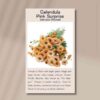

Calendula Pink Surprise
$4.95
Calendula Officinalis
- Seed Count 50
- Easy To Grow
- Height 40 cm
- Annual
Only 1 left in stock
Description
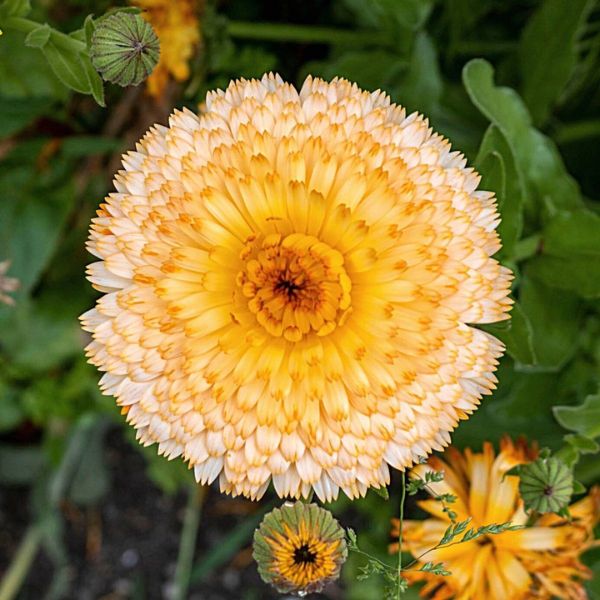
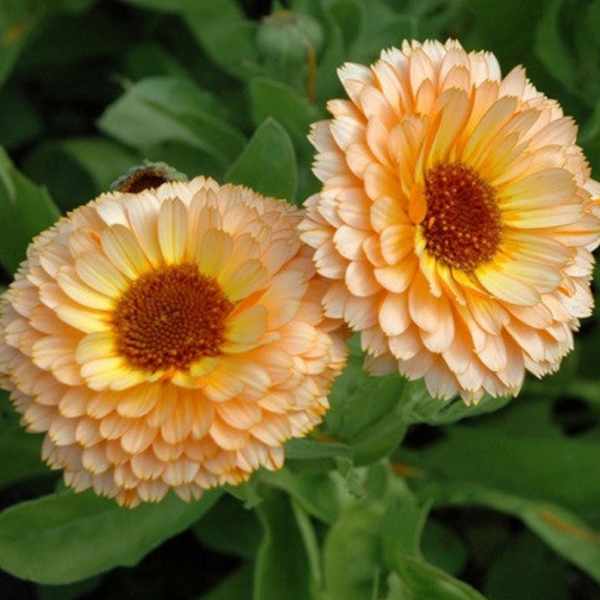
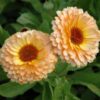
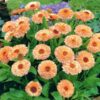
Calendula Pink Surprise blooms open in generous, double layers that range from pinky orange to a soft peach tone, sometimes shifting with the light and giving you a slightly different look from morning to afternoon. The plant itself sits low and tidy with bright green foliage that makes a neat backdrop for the heavy flowering habit it is known for. Once it gets going it becomes a prolific bloomer, often seeming to push up new flowers faster than you can enjoy them.
Although Calendula has long been known as a hardy annual, Pink Surprise feels like the more refined cousin in the family. The flowers have a slightly more delicate colouring than the traditional bold orange varieties, yet the plant keeps the same tough, willing nature that gardeners appreciate. This Calendula works well by itself when you want a single colour theme, but it also blends smoothly with other annuals and perennials. The peach toned blooms sit comfortably beside purples, blues, yellows and whites, so it often becomes a go to filler plant for borders or cottage style beds. Containers especially benefit from its generous flowering habit. It creates an easy, overflowing look that feels inviting on verandas, patios or entryways.
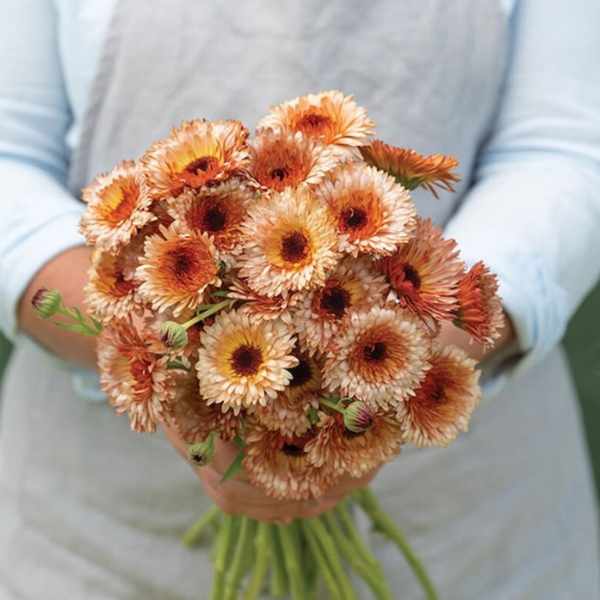
For anyone who enjoys fresh flowers inside the home, Calendula Pink Surprise offers another layer of usefulness. The stems are sturdy enough for cutting and the blooms last well in a vase. Many gardeners choose calendula specifically for this purpose because it keeps on producing throughout the season. You rarely feel guilty about taking a handful of stems for the table because the plant bounces back quickly with new buds. Its durability is part of what makes it such a valuable cut flower.
Calendula has been woven through gardening and cooking traditions for centuries, which adds a lovely bit of history to this already charming flower. The common name, Pot Marigold, comes from the use of the petals in food. While not strongly flavoured, they bring a tangy hint and a warm colour that makes them useful in soups, stews and cheeses. Some home cooks sprinkle the petals into salads or use them as decoration on cakes. They were once used as a substitute for saffron, adding a soft golden tone when the real spice was too expensive or hard to find. Even chickens benefit when given calendula petals, as they can help deepen the colour of the yolks.
Beyond the edible use, calendula has also earned a reputation for being an excellent companion plant. Gardeners have noticed for generations that it adds a comforting balance among vegetables and herbs, partly because of its insect repelling qualities. It has long been planted around food gardens for this reason. Over time it also developed a place in herbal traditions. Old stories describe calendula being added to broths as a comforter of the heart and spirits, and its petals have been used in skin and cosmetic preparations. Calendula Pink Surprise carries all these associations forward, combining the beauty of the bloom with the long standing usefulness of the species.
| Method: Sow direct or seedlings | Soil Temp: 10°C - 30°C |
| Cool Mountain: Sep - Mar | Germination: 7 - 14 days |
| Arid: Jan - Dec | Position: Part shade |
| Temperate: Sep - May | Row Spacing: 50cm apart |
| Sub Tropical: Jan - Dec | Planting Depth: 5 mm |
| Tropical: Apr - Jul | Harvest: 75 days |
🌼 Calendula Grow Guide
Calendula is a cheerful, easy-growing flower loved for its bright daisy-like blooms, edible petals, pollinator value, and usefulness in cottage gardens, herb gardens, vegetable beds, borders, and containers. It is one of the most beginner-friendly flowers to grow from seed because it germinates readily, grows quickly, and usually flowers generously with simple care.
The flowers are most often orange, yellow, apricot, cream, or soft gold. Calendula is both ornamental and practical, bringing colour to the garden while attracting bees, hoverflies, ladybirds, and other beneficial insects. The petals can be used fresh or dried, provided the seed was sold for edible or herb use and the plants have not been sprayed with unsuitable chemicals.
🌱 Sowing in Trays Versus Direct Sowing
Calendula can be grown by direct sowing or by starting seed in trays, and both methods work well. However, direct sowing is usually the best method because calendula seed is large enough to handle easily, germinates reliably, and grows strongly when established where it is planted.
To direct sow, prepare a fine, weed-free seedbed. Sow seed about 5 to 10 mm deep, cover lightly with soil, and water gently. Keep the soil evenly moist until seedlings appear. Once seedlings are large enough to handle, thin them so each plant has enough space to branch and flower well. Good spacing also improves airflow and reduces disease problems.
Tray sowing is useful if you want more control over early growth or need to protect seedlings from slugs, snails, birds, or heavy rain. Sow into small cells or pots using a seed-raising mix, cover lightly, and keep moist but not soggy. Transplant seedlings while they are still young and sturdy, before roots become cramped.
For most gardeners, direct sowing is preferred, but tray sowing is a good option when pest pressure is high or when you want neat, even plant spacing.
🌾 Seed Pre-Treatment
Calendula seed does not require special pre-treatment. There is usually no need for soaking, chilling, or scarifying.
The seed is curved, rough, and easy to handle. Fresh seed normally germinates well when sown shallowly into moist, free-draining soil. Avoid burying the seed too deeply, as this can slow or reduce germination. Also avoid constantly wet soil, as overly damp conditions can cause seed to rot.
🌞 Soil and Position
Calendula grows best in full sun to light partial shade. A sunny position encourages strong flowering and compact growth. In very hot or exposed gardens, light afternoon shade can help keep plants looking fresh for longer.
The soil should be free-draining, moderately fertile, and improved with compost if needed. Calendula is not a fussy plant and will grow in average garden soil, but it performs best when the soil holds some moisture while still draining well.
Avoid heavy, waterlogged soil. If your soil is clay-based, improve drainage with compost and plant slightly raised. If your soil is sandy, compost will help hold moisture and nutrients around the roots.
Calendula also grows well in containers. Choose a pot with drainage holes and use a quality potting mix. Avoid very small pots, as restricted roots can lead to smaller plants and fewer flowers.
💧 Care and Maintenance
Calendula is low maintenance once established. Water regularly while seedlings are young, then water when the top layer of soil begins to dry. Mature plants can tolerate short dry spells, but steady moisture encourages better flowering and healthier growth.
Feeding should be light. Too much fertiliser, especially high-nitrogen fertiliser, can encourage leafy growth at the expense of flowers. If the soil has been prepared with compost, extra feeding is often unnecessary. In poor soil, use a gentle flower or herb fertiliser.
Deadheading is one of the most important tasks. Remove spent flowers often to encourage more blooms. If flowers are left to mature, the plant will put energy into seed production and flowering may slow.
Pinching young plants can encourage bushier growth. When seedlings are established and have several sets of leaves, pinch out the growing tip to promote side branching.
Good airflow helps prevent fungal issues. Avoid overcrowding, water at soil level where possible, and remove old or diseased leaves promptly.
🐝 Companion Planting Guide
Calendula is an excellent companion flower because it attracts pollinators and beneficial insects. Its bright blooms are useful near vegetable beds, herb gardens, fruiting crops, and mixed flower borders.
Good companions include tomatoes, capsicum, eggplant, cucumber, zucchini, pumpkin, beans, peas, lettuce, spinach, silverbeet, cabbage, broccoli, kale, carrots, beetroot, onions, chives, parsley, coriander, basil, thyme, chamomile, alyssum, marigold, nasturtium, cornflower, cosmos, snapdragon, and yarrow.
Calendula is especially useful near leafy greens and brassicas because it helps attract hoverflies and other beneficial insects. It also works beautifully around vegetable bed edges, where it adds colour without becoming too large or difficult to manage.
Avoid planting calendula where it will be shaded heavily by taller plants. Also avoid placing it in constantly wet soil or crowding it with vigorous groundcovers that may smother young seedlings.
✂️ How to Harvest
Harvest calendula flowers when they are fully open, fresh, and brightly coloured. Pick in the cooler part of the day after any surface moisture has dried. Choose clean, healthy flowers without insect damage or browning.
For fresh petals, gently pull the petals from the flower head and use them as a garnish, in salads, herb butters, rice dishes, baking, or decorative herbal blends.
For drying, harvest whole flower heads or petals and spread them in a single layer on a mesh rack, tray, or paper towel. Dry in a warm, shaded, airy place until completely crisp. Do not store flowers while they still feel soft or damp, as they may mould.
Once dry, store petals or flower heads in an airtight jar away from heat, light, and moisture. Dried petals are useful for tea blends, infused oils, natural colour, and craft uses.
⚠️ Common Issues and Fixes
| Issue | Likely Cause | Fix |
|---|---|---|
| Poor germination | Old seed, seed buried too deeply, dry soil | Use fresh seed, sow shallowly, keep evenly moist |
| Seed rotting | Soil too wet or poorly drained | Improve drainage and avoid overwatering |
| Leggy seedlings | Not enough light or overcrowding | Grow in brighter light and thin seedlings early |
| Few flowers | Too much nitrogen, too much shade, no deadheading | Reduce feeding, increase light, remove spent blooms |
| Plants become floppy | Rich soil, overcrowding, weak light | Space well, avoid overfeeding, grow in a brighter position |
| Yellowing leaves | Waterlogging, nutrient stress, old lower leaves | Improve drainage, feed lightly if needed, remove tired leaves |
| Powdery mildew | Poor airflow, crowded plants, dry roots with humid air | Thin plants, water at soil level, remove affected leaves |
| Aphids | Soft new growth attracting sap-sucking insects | Hose off gently, encourage ladybirds and hoverflies |
| Chewed leaves or flowers | Caterpillars, slugs, snails, or beetles | Inspect regularly, hand-pick pests, protect young plants |
| Flowers going to seed quickly | Old blooms left on plant | Deadhead often unless saving seed |
| Poor container growth | Pot too small, dry mix, low nutrients | Use a larger pot, water consistently, feed lightly |
| Unwanted seedlings | Seed heads left to mature and drop | Deadhead regularly or collect seed before it falls |
🌰 Detailed Seed Saving Guide
Saving calendula seed is very easy and worthwhile. Choose healthy, vigorous plants with strong stems, good flower colour, and plenty of blooms. Avoid saving seed from weak, diseased, or poorly flowering plants.
Allow selected flowers to remain on the plant after blooming. The petals will fade and drop, and the centre of the flower will begin to form curved seeds. The seed head is ready when it turns dry, brownish, and papery. The seeds should feel firm and detach easily.
Harvest seed heads before they scatter naturally. Cut or pinch off the dry heads and place them in a paper bag or on a clean tray. Leave them in a dry, shaded, airy place for several more days to finish drying.
Once fully dry, rub the seed head gently between your fingers to release the seeds. Calendula seeds are curved and rough, so they are easy to separate from the dry flower material. Remove any soft, mouldy, damaged, or immature seeds.
Spread the cleaned seed on paper for a few extra days to make sure it is completely dry. Store it in a labelled paper envelope or small airtight jar. Include the plant name, flower colour, and collection date. Keep the seed in a cool, dark, dry place.
For stronger future plants, save seed from several healthy plants rather than just one. If several colours are growing together, saved seed may produce a mix of shades, which can be beautiful in informal gardens.
🌼 Final Thoughts
Calendula is a generous, colourful, and useful flower that deserves a place in both ornamental and edible gardens. It is best direct sown because the seed is easy to handle and plants establish strongly where they grow, though tray sowing is helpful when extra protection is needed.
With free-draining soil, good light, light feeding, regular watering, and frequent deadheading, calendula will reward you with bright flowers, edible petals, pollinator activity, and plenty of seed for future planting. It is simple, cheerful, productive, and one of the easiest flowers to grow from seed.
2 reviews for Calendula Pink Surprise

Postage Charge
Orders under $40 attract a $5.50 shipping charge. Orders $35 and above have free shipping.
*** We cannot deliver to Parcel Lockers ***
Order Times
Seed orders are normally dispatched within three business days. You will receive an email when seeds are mailed out.
Postage Days
Seeds are mailed out Tuesday to Friday at 1pm. Except for the Friday of long weekends.
Postage Times
WA 2-3 Days: SA,NT 3-5 Days: NSW, ACT, QLD, VIC: 5-7 Days
Carrier
We use Australia Post Letter Postage for the majority of orders.
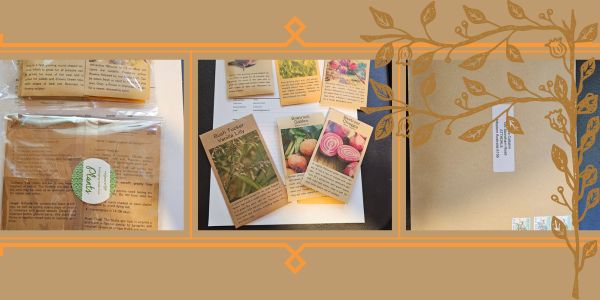
Not only are our seeds packed in recycled paper envelopes, we keep the theme going when we post out website orders. To protect your seeds from moisture and the letter box munchers (snails), we use a very special plastic free material made from plants. They are then put into recycled mailing envelopes. Green all the way ????????
Delivery Guarantee
We take great care to make sure your seeds arrive safely. If your order is lost or damaged in transit, we’ll happily send a replacement. Unfortunately, we can’t replace or refund orders that arrive later than the estimated delivery date, as delays can sometimes occur that are outside our control.
Please note that all dispatch and delivery times listed are estimates only. While we do our best to post promptly, delivery timeframes can vary due to postal service delays, weather events, or other unforeseen circumstances. We’re unable to take responsibility for any loss, damage, or cost that results from a late delivery.
An order is not considered missing until at least 20 business days have passed from the postage date. You’ll receive an email once your seeds have been posted, letting you know they’re on their way. If you don’t see it in your main inbox, please check your Spam or Promotions folders as sometimes our emails like to hide there.

See all our verified customer reviews on our official CusRev profile.
See all our verified customer reviews on our official CusRev profile.