



Zucchini Black Beauty
$4.95
Cucurbita Pepo
- Seed Count 5
- Popular Home Garden Variety
- Annual
In stock
Description
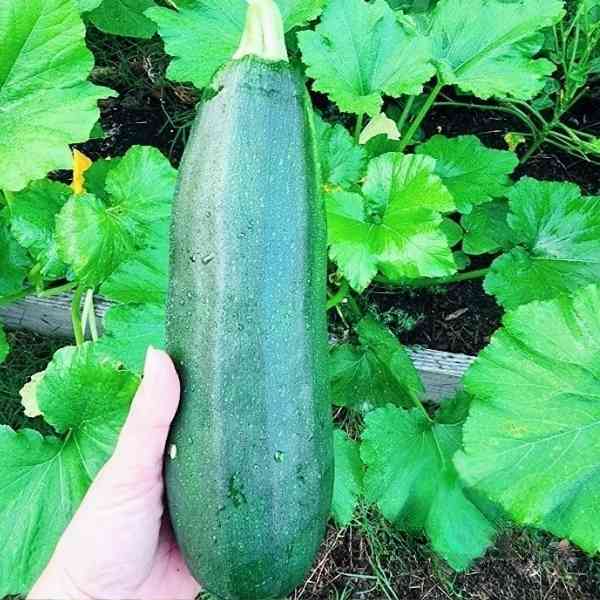
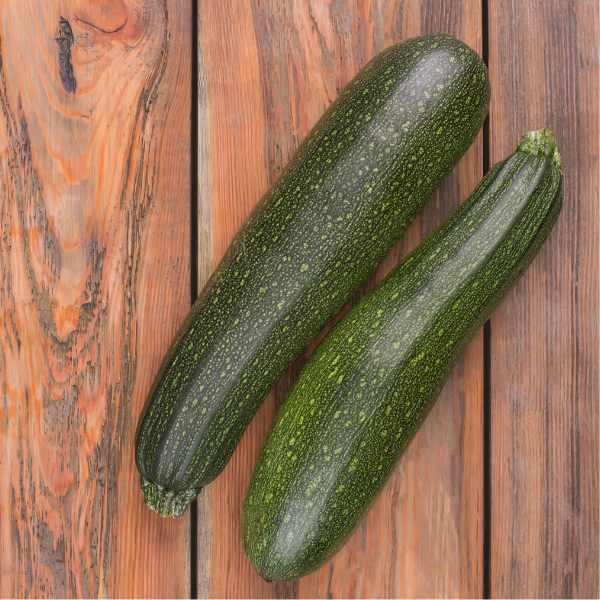
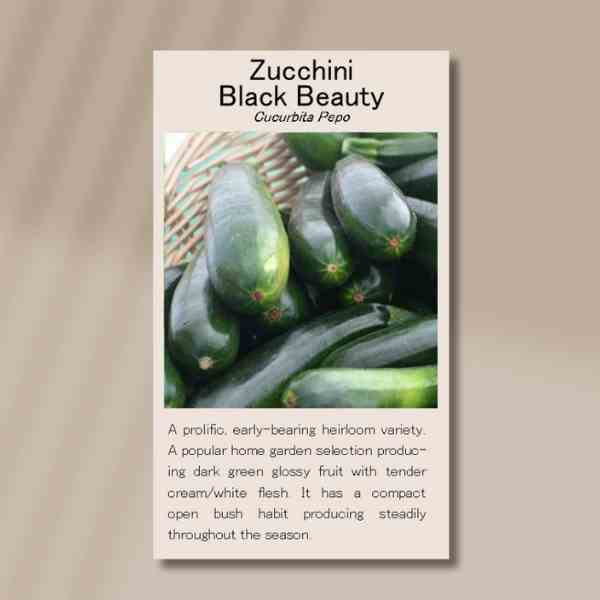
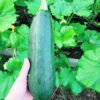
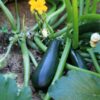
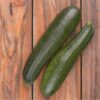
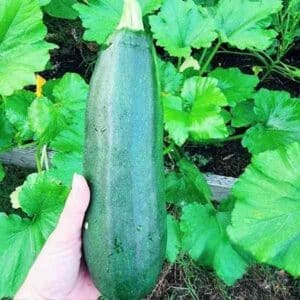
The Zucchini Black Beauty is a reliable cropper with a touch of old-fashioned charm. The fruit’s surface has a polished, almost luminous sheen when freshly picked, and this striking darkness is what gives the variety its name. Slice through the outer layer, and you find flesh that is tender, white, and full of flavour.
It produces on a compact, open bush, which makes tending and harvesting a far easier task compared to sprawling varieties. The open growth form allows for good air circulation, which keeps the plant healthier and makes it simpler to reach in and pick the fruits.
Not too tall or rangy, Black Beauty settles in as a compact bush that makes efficient use of space. This suits small backyard beds, community plots, or even pots on the patio. Container growing is a particular strength of this variety. With a decent-sized pot and regular care, Black Beauty will happily fruit, providing city gardeners and those with limited space the chance to enjoy a steady harvest. Its adaptability means it fits into almost any growing arrangement, whether alongside a larger patch of vegetables or as a feature plant in a smaller garden.
Flavour has always been at the heart of Black Beauty’s appeal. It doesn’t shout or overpower, but instead offers a subtle, delicate taste with a lightness that adapts well to all manner of cooking. Grilled in thick slices, its flesh softens and sweetens without turning mushy. In a stir fry, the thin slices keep their shape while soaking up flavour. For many, the zucchini’s talent lies in how versatile it is in the kitchen. From fritters and soups to pasta sauces, cakes, and breads, Black Beauty holds its own. Its creamy interior carries herbs, cheese, or spices with ease, making it a true workhorse in the kitchen.
Related Article: Zucchini’s From Sowing to Harvest
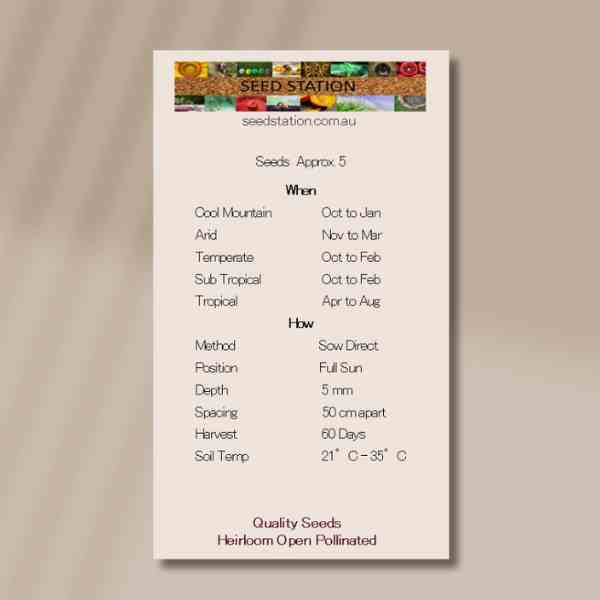
| Method: Set seedlings | Soil Temp: 21°C - 35°C |
| Cool Mountain: Oct - Jan | Position: Full sun |
| Arid: Nov - Mar | Row Spacing: 90 cm |
| Temperate: Oct - Feb | Planting Depth: 5mm |
| Sub Tropical: Oct - Feb | Harvest: 60 Days |
| Tropical: Apr - Aug | Plant Height: 90 cm |
🥒 Zucchini Grow Guide
Zucchini is a fast-growing, highly productive vegetable grown for its tender fruits, edible flowers, and generous harvests. It is one of the most rewarding crops for home gardeners because a healthy plant can produce repeatedly over many weeks. The plants are large, leafy, and vigorous, so they need space, rich soil, regular watering, and frequent harvesting.
Zucchini is usually grown as a bushy plant rather than a long vine, although some varieties can spread more than others. The large leaves help shade the soil, but they can also hide developing fruit, so regular checking is important. Zucchini grows quickly once established, and fruit can move from perfect picking size to oversized almost overnight.
🌱 Sowing in Trays Versus Direct Sowing
Zucchini can be grown by direct sowing or by starting seed in trays, and both methods work well. However, direct sowing is usually the best method when soil is prepared and pests are manageable. Zucchini seed is large, easy to handle, and germinates strongly when sown into suitable conditions. Direct sowing also avoids root disturbance, which zucchini seedlings dislike.
To direct sow, prepare a rich, weed-free planting area. Sow seed about 2 to 3 cm deep, cover with soil, and water gently. Keep the soil evenly moist but not waterlogged. Once seedlings emerge, protect them from slugs, snails, birds, and chewing insects. If more than one seed is sown in a spot, keep the strongest seedling and remove the weaker one.
Tray sowing is useful if you want to protect seedlings during their early stage. Use small pots or deep cells rather than shallow trays. Sow one seed per pot, about 2 to 3 cm deep, and keep the mix moist but not soggy. Plant seedlings out while they are still young and before the roots become crowded. Handle the root ball gently and avoid disturbing the roots.
For most gardeners, direct sowing is preferred, but tray sowing is a good option when pests are likely to damage young seedlings.
🌾 Seed Pre-Treatment
Zucchini seed does not require special pre-treatment. There is usually no need for soaking, chilling, or scarifying.
Fresh seed normally germinates well when sown at the correct depth into warm, moist, free-draining soil or seed-raising mix. If seed is older or very dry, it can be soaked in room-temperature water for a few hours before sowing, but this is optional. Do not soak for too long, as overly wet seed may rot.
The most important thing is to avoid cold, soggy, compacted soil. Zucchini seed is large and can rot if it sits wet for too long before germinating.
🌞 Soil and Position
Zucchini grows best in full sun with rich, fertile, free-draining soil. It is a hungry plant and needs plenty of nutrients to support large leaves, strong stems, flowers, and repeated fruiting.
Before sowing or planting, improve the soil with compost, aged manure, worm castings, or well-rotted organic matter. The soil should hold moisture well but drain freely. Zucchini dislikes drying out, but it also dislikes sitting in waterlogged ground.
A generous planting space is important. Zucchini plants can become broad and leafy, so avoid crowding them between small crops. Good spacing improves airflow, reduces fungal problems, and makes harvesting easier.
Zucchini can also be grown in large containers. Choose a deep, wide pot with excellent drainage and use a premium potting mix. Small pots are not ideal because zucchini has a strong root system and needs steady moisture. Container-grown plants need closer watering and feeding than plants grown in garden beds.
💧 Care and Maintenance
Zucchini needs consistent water, regular feeding, and frequent harvesting. Water deeply at the base of the plant rather than over the leaves. Keeping foliage dry where possible helps reduce fungal issues. Irregular watering can lead to poor fruit development, blossom end problems, or stressed plants.
Mulch around the plant once it is established. Mulch helps conserve moisture, suppress weeds, and keep fruit cleaner. Keep mulch slightly away from the main stem to reduce the risk of rot.
Feed regularly once plants are growing strongly. Zucchini benefits from compost, liquid seaweed, fish emulsion, worm tea, or a balanced vegetable fertiliser. Once flowering and fruiting begins, a feed that supports flowering and fruit development is useful. Avoid excessive nitrogen, as it can encourage large leafy growth with fewer fruits.
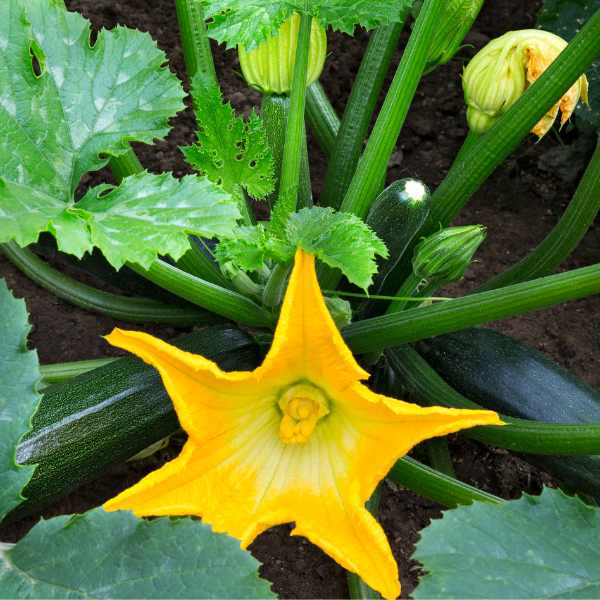
Zucchini produces separate male and female flowers on the same plant. Male flowers appear on thin stems, while female flowers have a small swelling behind the flower that becomes the fruit. Pollinators usually move pollen between flowers, but if fruit are forming poorly, hand pollination can help. Take pollen from a fresh male flower and brush it onto the centre of a female flower.
Remove old, yellowing, or diseased leaves to improve airflow. Cut leaves cleanly rather than tearing them. Avoid removing too many healthy leaves at once, as the plant needs them to feed fruit production.
🐝 Companion Planting Guide
Zucchini benefits from companion plants that attract pollinators, support beneficial insects, and make good use of space around the large plant.
Good companions include basil, parsley, dill, coriander, chives, spring onions, beans, peas, corn, lettuce, radish, beetroot, calendula, marigold, nasturtium, alyssum, borage, cosmos, and yarrow.
Flowers such as calendula, borage, alyssum, cosmos, and marigold are especially useful because they help attract bees and beneficial insects. This is important because zucchini needs good pollination to produce well-shaped fruit.
Radish, lettuce, and smaller leafy greens can be grown nearby while zucchini plants are still young, but they may become shaded as the zucchini expands. Nasturtium can work as a living groundcover and may distract some pests, but it should be managed so it does not smother young zucchini plants.
Avoid planting zucchini too close to other large, hungry plants unless there is plenty of space and fertility. Also avoid crowding it with dense groundcovers, as poor airflow can increase mildew problems.
✂️ How to Harvest
Harvest zucchini when fruit are young, glossy, and tender. The best size is usually around 10 to 20 cm long, depending on the variety and how you like to use them. Smaller fruit are sweeter and more tender, while larger fruit can become watery, seedy, and coarse.
Use a clean knife or snips to cut the fruit from the plant, leaving a small piece of stem attached. Avoid twisting or pulling, as this can damage the main stem.
Check plants often, as zucchini can grow very quickly. Frequent harvesting encourages the plant to keep producing. If oversized fruit are left on the plant, production may slow because the plant shifts energy into maturing seed.
Zucchini flowers are also edible. Male flowers are usually harvested more often because removing too many female flowers reduces fruit production. Pick flowers when freshly open and use them soon after harvest.
⚠️ Common Issues and Fixes
| Issue | Likely Cause | Fix |
|---|---|---|
| Poor germination | Soil too cold, seed too old, seed rotting in wet soil | Use fresh seed, sow into free-draining soil, avoid soggy conditions |
| Seedlings collapse | Overwatering, poor airflow, fungal disease | Use clean mix, water carefully, improve airflow |
| Leaves yellowing | Nutrient shortage, water stress, old leaves, poor drainage | Feed regularly, water consistently, remove old leaves, improve drainage |
| Lots of leaves but few fruit | Too much nitrogen, not enough pollination, plant still immature | Reduce nitrogen feeding, attract pollinators, hand pollinate if needed |
| Small fruit shrivel and drop | Poor pollination or water stress | Hand pollinate female flowers and keep moisture steady |
| Misshapen fruit | Incomplete pollination | Encourage bees and hand pollinate when needed |
| Blossom end rot | Irregular watering affecting calcium uptake | Water evenly, mulch, avoid drying out between waterings |
| Powdery mildew | Poor airflow, stressed plants, humid conditions | Space plants well, water at soil level, remove affected leaves |
| Downy mildew | Damp foliage, poor airflow, wet conditions | Improve spacing, avoid overhead watering, remove badly affected leaves |
| Aphids | Soft new growth attracting sap-sucking insects | Hose off gently, encourage beneficial insects, use insecticidal soap if needed |
| Whitefly | Warm sheltered conditions and dense foliage | Improve airflow, use sticky traps, remove heavily affected leaves |
| Spider mites | Hot, dry, stressed plants | Water consistently, rinse foliage gently, encourage beneficial insects |
| Chewed seedlings | Slugs, snails, beetles, or caterpillars | Protect young plants, inspect at night, use barriers or hand removal |
| Fruit rotting on soil | Fruit sitting on wet ground | Mulch, lift fruit onto straw or a dry support, improve airflow |
| Plant suddenly wilts | Root damage, stem rot, severe water stress | Check stem base and roots, improve drainage, water deeply but not constantly |
🌰 Detailed Seed Saving Guide
Saving zucchini seed is possible, but it needs planning. Zucchini can cross with closely related squash and pumpkin types flowering nearby, so saved seed may not always grow plants exactly like the parent if different compatible types were grown close together.
Choose a healthy, productive plant with good fruit shape, strong growth, and no signs of disease. Avoid saving seed from weak plants, poor producers, or plants with misshapen fruit caused by plant weakness rather than pollination.
Select one or two fruits for seed saving and leave them on the plant far beyond the eating stage. A zucchini for seed saving must become fully mature. It will grow large, develop a harder skin, and lose the tender quality wanted for cooking. Do not pick seed fruit when it is still young and soft, as the seed inside will not be mature.
Once the fruit is fully mature, cut it from the plant and let it sit in a dry, sheltered place for a short curing period. This allows the seed inside to finish maturing. Then cut the fruit open and scoop out the seeds and pulp.
Place the seeds in a bowl of water and rub them gently to separate them from the pulp. Good mature seeds are usually plump and firm. Discard flat, damaged, soft, or hollow seeds. Rinse the good seed well, then spread it in a single layer on a plate, screen, or baking paper.
Dry the seed in a shaded, airy place. Turn the seed daily so it dries evenly and does not stick. Do not dry seed in harsh direct sun or in a hot oven, as too much heat can damage it. The seed is ready for storage when it is hard, dry, and snaps rather than bends.
Store dried seed in a labelled paper envelope or small airtight jar. Include the plant name, fruit type, and collection date. Keep seed in a cool, dark, dry place. Make sure it is completely dry before sealing it in an airtight container, as trapped moisture can cause mould.
For more reliable seed, save from more than one strong plant if space allows. If you want predictable results, grow only one compatible zucchini or squash type for seed saving, or separate different types by a generous distance and hand pollinate selected flowers.
🌿 Final Thoughts
Zucchini is a generous and fast-producing crop that rewards good soil preparation and regular attention. It is best direct sown when conditions are suitable, though tray sowing is helpful for protecting young seedlings from pests. No special seed pre-treatment is required.
Give zucchini full sun, rich soil, steady water, regular feeding, and plenty of space. Encourage pollinators, harvest fruit while young, and remove tired leaves to keep airflow strong. With consistent care, zucchini can become one of the most productive and useful plants in the vegetable garden.
6 reviews for Zucchini Black Beauty
| 5 star | 100% | |
| 4 star | 0% | |
| 3 star | 0% | |
| 2 star | 0% | |
| 1 star | 0% |

Postage Charge
Orders under $35 attract a $4.95 shipping charge. Orders $35 and above have free shipping.
Order Times
Seed orders are normally dispatched within three business days. You will receive an email when seeds are mailed out.
Postage Days
Seeds are mailed out Tuesday to Friday at 1pm. Except for the Friday of long weekends.
Postage Times
WA 2-3 Days: SA,NT 3-5 Days: NSW, ACT, QLD, VIC: 5-7 Days
Carrier
We use Australia Post Letter Postage for the majority of orders

Not only are our seeds packed in recycled paper envelopes, we keep the theme going when we post out website orders. To protect your seeds from moisture and the letter box munchers (snails), we use a very special plastic free material made from plants. They are then put into recycled mailing envelopes. Green all the way ????????
Delivery Guarantee
We take great care to make sure your seeds arrive safely. If your order is lost or damaged in transit, we’ll happily send a replacement. Unfortunately, we can’t replace or refund orders that arrive later than the estimated delivery date, as delays can sometimes occur that are outside our control.
Please note that all dispatch and delivery times listed are estimates only. While we do our best to post promptly, delivery timeframes can vary due to postal service delays, weather events, or other unforeseen circumstances. We’re unable to take responsibility for any loss, damage, or cost that results from a late delivery.
An order is not considered missing until at least 20 business days have passed from the postage date. You’ll receive an email once your seeds have been posted, letting you know they’re on their way. If you don’t see it in your main inbox, please check your Spam or Promotions folders as sometimes our emails like to hide there.
See all our verified customer reviews on our official CusRev profile.
See all our verified customer reviews on our official CusRev profile.
See all our verified customer reviews on our official CusRev profile.
See all our verified customer reviews on our official CusRev profile.
See all our verified customer reviews on our official CusRev profile.